How to Choose a Three Phase Dry Type Transformer?
-
How to choose a reliable three phase dry type transformer by evaluating temperature rise, insulation class, load factor, and installation conditions.
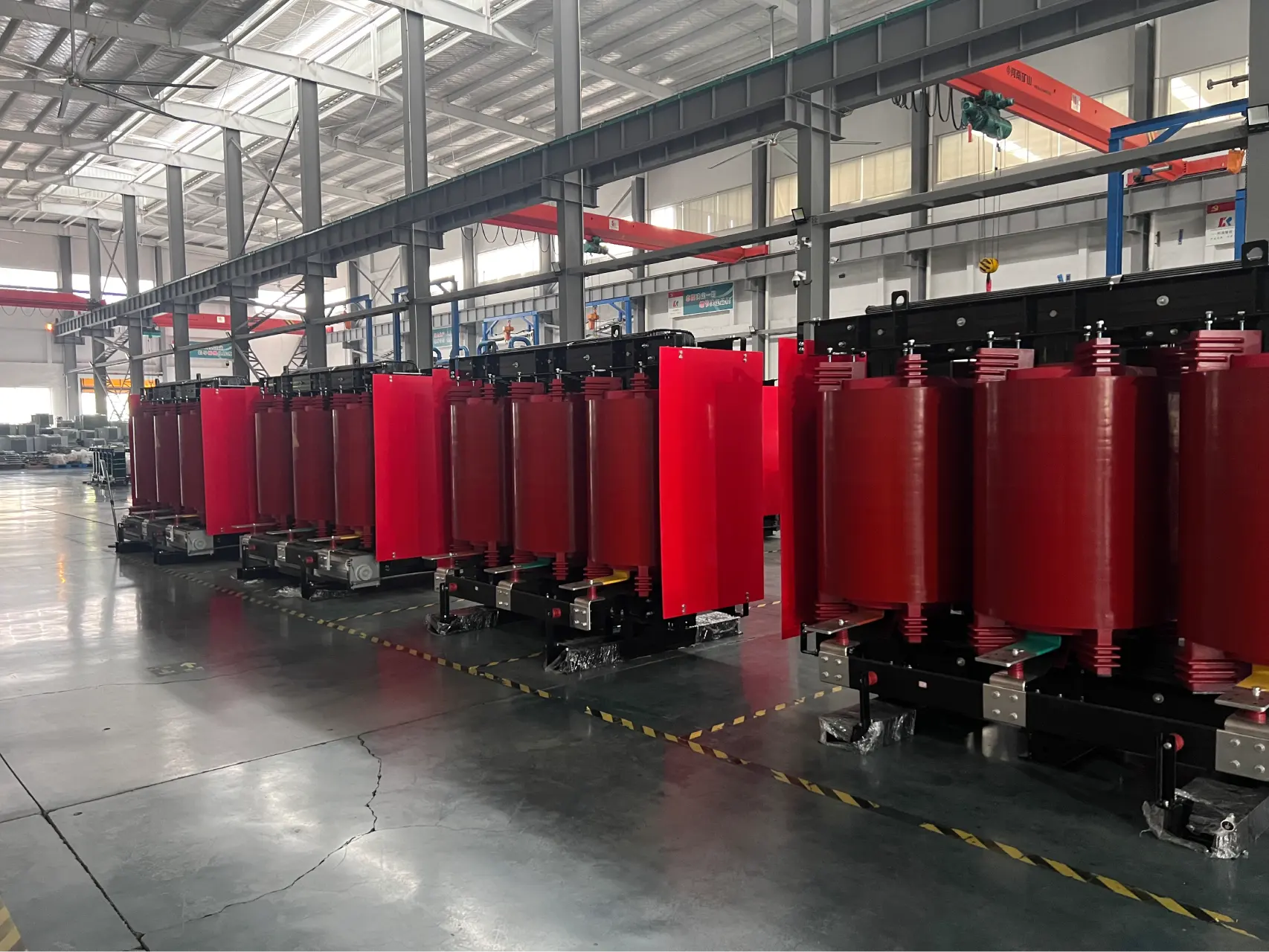
Selecting the right three phase dry type transformer is a critical decision in modern electrical infrastructure, particularly in commercial buildings, industrial facilities, renewable energy systems, and data centers where reliability and safety are essential. Unlike oil-filled transformers, dry type transformers rely on air insulation and natural or forced ventilation for cooling, which significantly reduces fire risk and simplifies indoor installation requirements. Because of these advantages, many engineers prefer dry type transformers for facilities where environmental protection, operational safety, and maintenance accessibility must all be carefully balanced.
Why Correct Transformer Selection Matters
However, choosing the correct three phase dry type transformer is not simply about matching voltage ratings or selecting a standard kVA capacity. The long-term reliability of the transformer depends on several technical factors, including temperature rise limits, insulation class, load characteristics, and environmental conditions. When these parameters are ignored during the design phase, transformers may operate under excessive thermal stress, leading to accelerated insulation aging, higher failure rates, and unexpected downtime. A structured selection approach ensures the transformer operates within safe thermal limits while maintaining stable power distribution for many years.
Why Reliability Matters When Selecting a Three Phase Dry Type Transformer
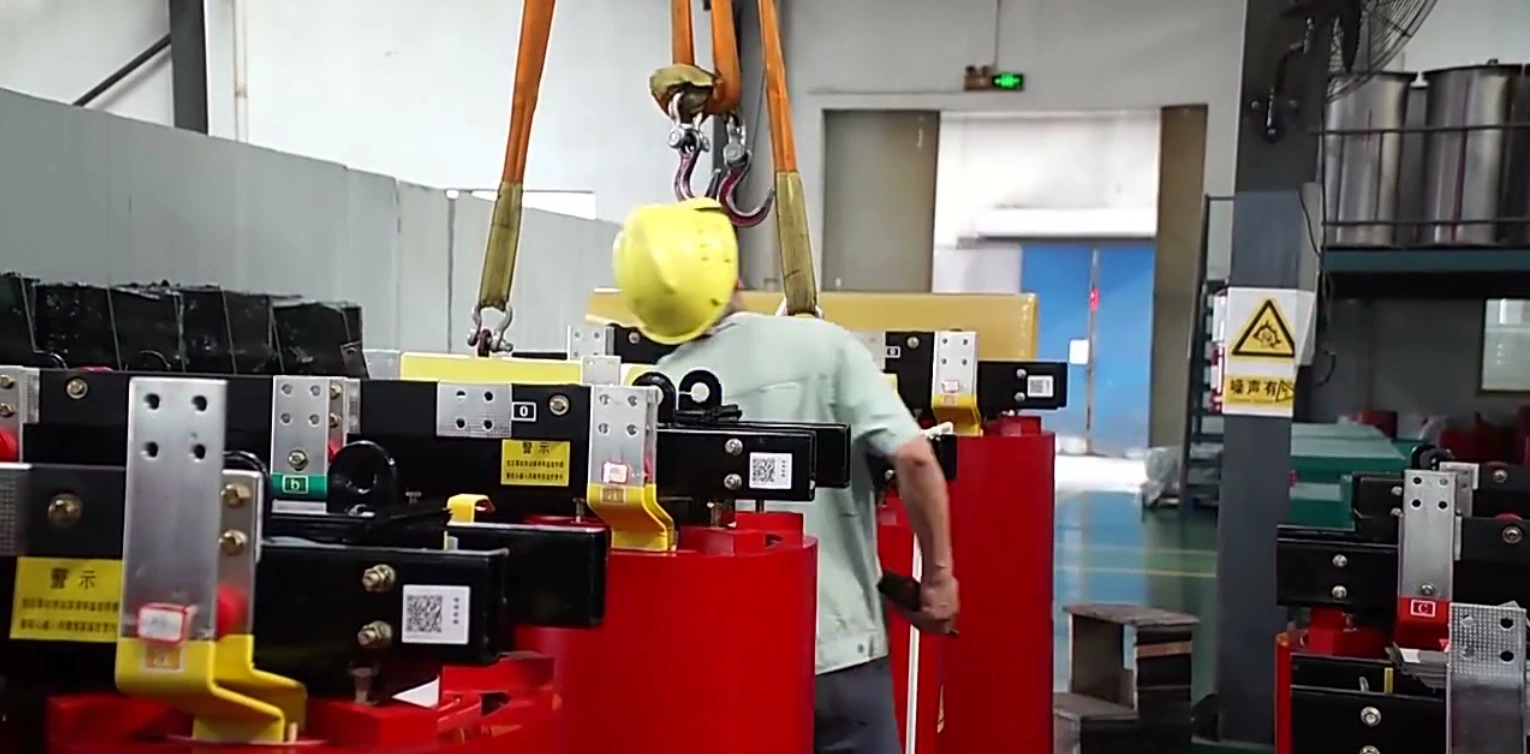
The reliability of a three phase dry type transformer directly affects the stability of the electrical distribution system it supports. Transformers are long-term assets that typically operate continuously for decades, often under fluctuating load conditions. If the transformer is undersized or installed in a poorly ventilated environment, internal temperatures may rise beyond safe levels, causing insulation degradation and gradual reduction in dielectric strength.
Stable transformer performance therefore depends on maintaining proper thermal balance between electrical losses and cooling capability. When engineers properly match transformer capacity with real load demand, the equipment operates within its thermal design limits and experiences less stress on the winding insulation system. This careful selection process ultimately improves operational reliability and extends the expected lifespan of the three phase dry type transformer.
Key Factors That Affect the Lifespan of a Three Phase Dry Type Transformer
Temperature Rise
Temperature rise represents the difference between the transformer’s internal winding temperature and the surrounding ambient temperature. Electrical losses generated by current flow produce heat inside the transformer windings, and if this heat is not dissipated effectively, the insulation system may deteriorate prematurely. Many three phase dry type transformer designs provide temperature rise ratings such as 80°C, 115°C, or 150°C, and selecting a lower temperature rise model can significantly improve insulation life and reliability.
Insulation Class
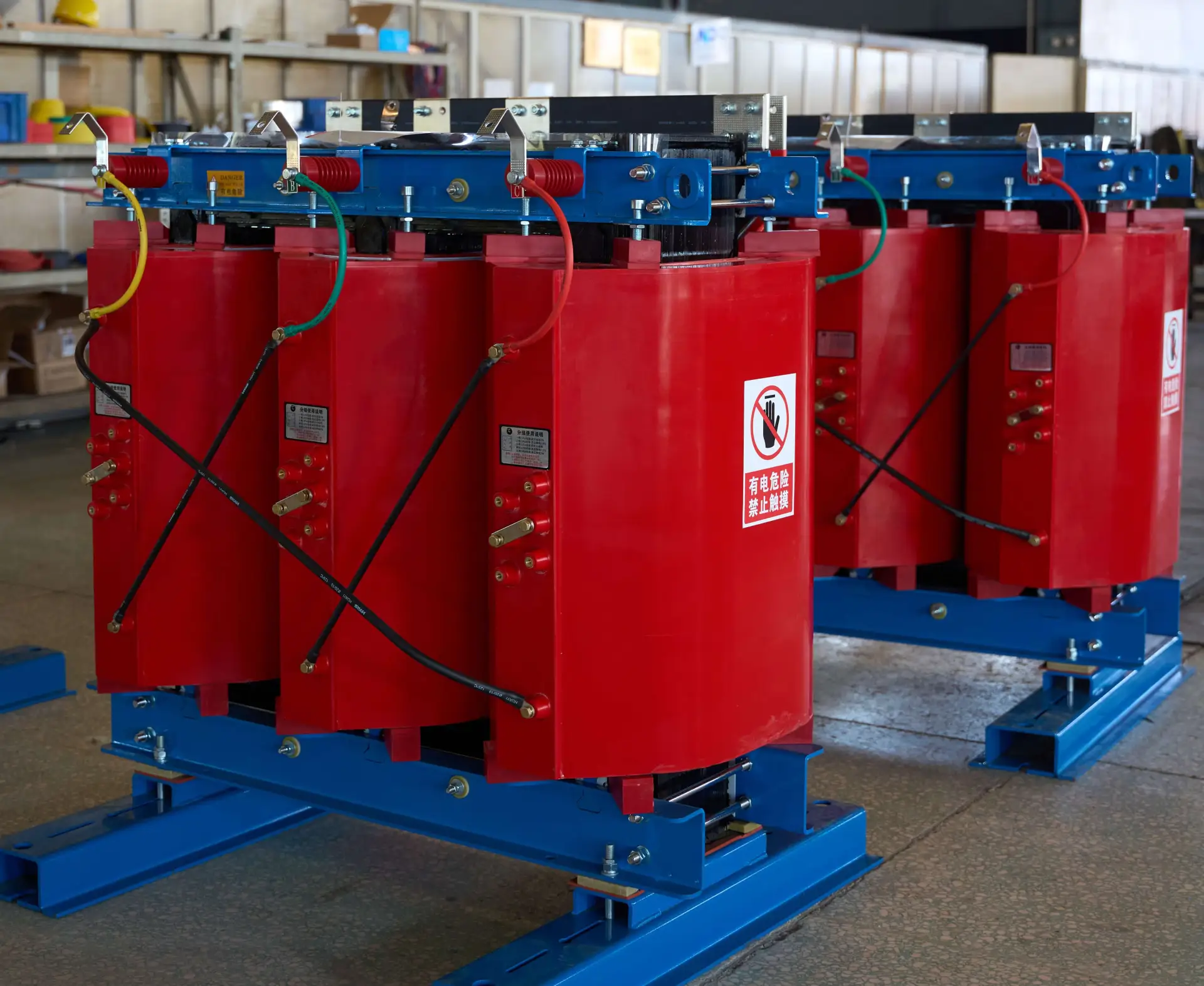
The insulation class determines the maximum operating temperature that the transformer insulation system can safely withstand. Common insulation classes used in three phase dry type transformer designs include Class F and Class H materials. Higher insulation classes allow the transformer to tolerate higher temperatures without damaging the insulation system, which can be beneficial in industrial environments where ambient temperatures may fluctuate or where equipment operates under higher load conditions.
Load Factor
Load factor refers to the percentage of rated capacity used during normal operation. Transformers that operate continuously at very high load levels tend to experience greater thermal stress, which accelerates insulation aging. In many practical installations, engineers recommend designing systems so that the three phase dry type transformer operates at approximately 60–80 percent of its rated capacity under typical load conditions, leaving sufficient margin for temporary demand spikes or future system expansion.
Installation Environment
The physical installation environment also plays a significant role in transformer reliability. High ambient temperatures, dust accumulation, restricted airflow, or corrosive atmospheres can negatively affect cooling performance. Ensuring proper ventilation and selecting suitable enclosure protection helps maintain stable operating temperatures for the three phase dry type transformer, reducing maintenance requirements and improving long-term reliability.
Practical Checklist for Choosing a Three Phase Dry Type Transformer
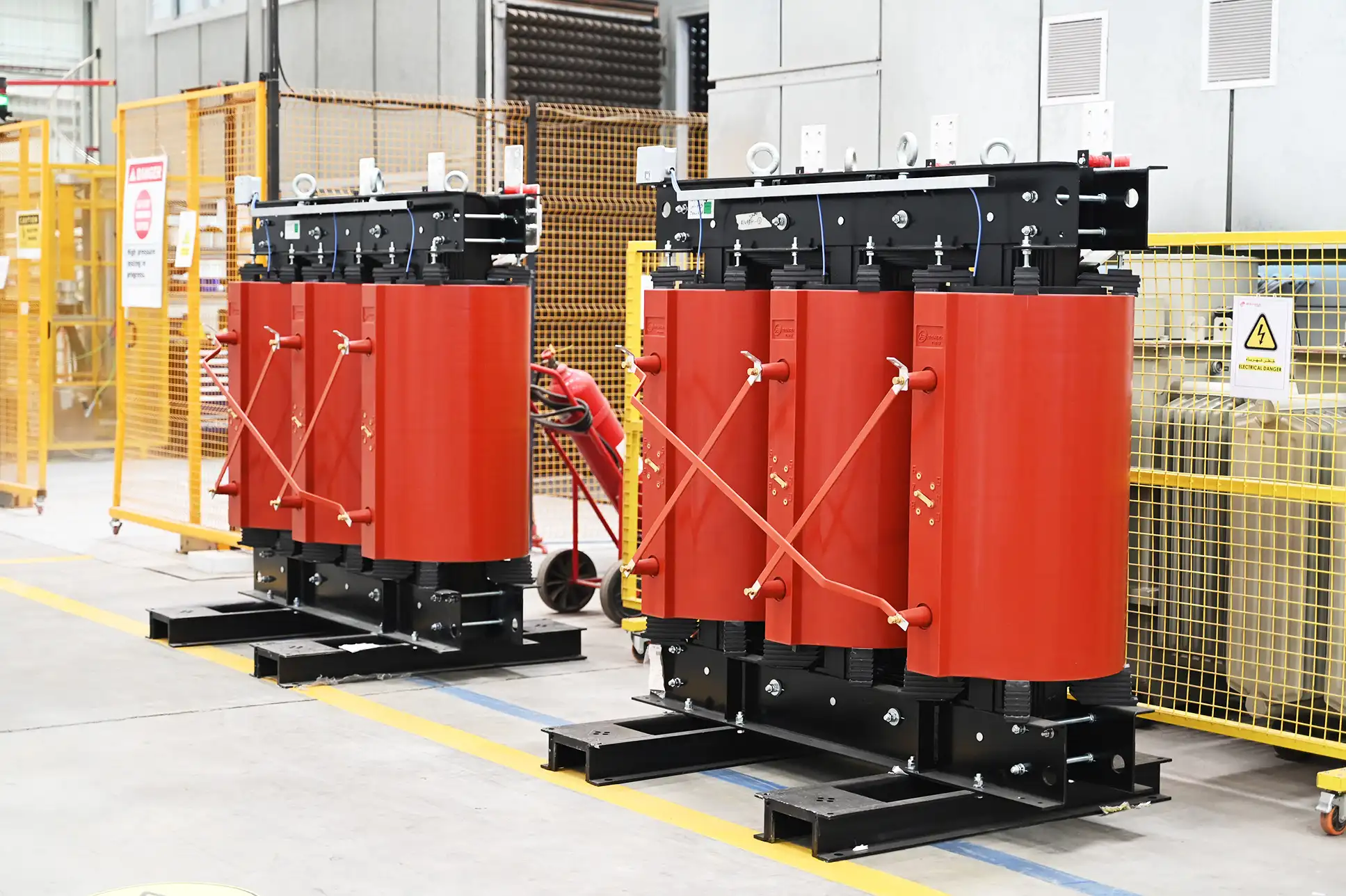
A structured evaluation checklist helps engineers select transformers that meet both electrical and operational requirements.
Recommended selection checklist
-
Calculate the total connected electrical load
-
Determine peak demand and load growth projections
-
Confirm primary and secondary voltage ratings
-
Select appropriate kVA capacity with safety margin
-
Evaluate load type (linear or nonlinear)
-
Verify insulation class and temperature rise rating
-
Assess installation environment and ventilation conditions
-
Consider future capacity expansion requirements
Following these steps allows engineers to choose a three phase dry type transformer that supports both current operational needs and long-term system reliability.
Typical Three Phase Dry Type Transformer Ratings and Applications
| Transformer Rating | Typical Application | Recommended Load Range | Installation Environment |
|---|---|---|---|
| 150 kVA | Retail shops and small buildings | 90–120 kVA | Indoor electrical rooms |
| 300 kVA | Commercial offices | 180–240 kVA | Office complexes |
| 500 kVA | Industrial workshops | 300–400 kVA | Manufacturing environments |
| 1000 kVA | Data centers | 600–800 kVA | Critical IT infrastructure |
| 2500 kVA | Large factories | 1500–2000 kVA | Heavy industrial facilities |
Frequently Asked Questions
What is the typical lifespan of a three phase dry type transformer?
Under normal operating conditions, a three phase dry type transformer can typically operate for 20 to 30 years or longer. The actual lifespan depends on several factors including load level, ambient temperature, ventilation quality, and insulation aging. When transformers operate continuously at high load levels or in poorly ventilated environments, internal winding temperatures rise and insulation materials degrade more quickly. However, when engineers select a transformer with adequate capacity margin and ensure proper installation conditions, the equipment can operate reliably for decades with minimal maintenance.
How important is temperature rise when selecting a dry type transformer?
Temperature rise is one of the most important technical parameters affecting the reliability and lifespan of a three phase dry type transformer. The higher the operating temperature of the transformer windings, the faster the insulation materials age, which can shorten the service life of the equipment. Choosing a transformer with a lower temperature rise rating can reduce thermal stress on insulation systems and improve long-term reliability. In facilities where continuous operation and uptime are critical, engineers often prioritize designs with better thermal performance.
Should a transformer be oversized for future load growth?
Moderate oversizing is often recommended when selecting a three phase dry type transformer, particularly in commercial or industrial installations where electrical demand may increase over time. Designing the transformer capacity with a reasonable safety margin allows the system to handle temporary load spikes, motor starting currents, or future equipment additions without exceeding safe operating limits. However, excessive oversizing should also be avoided because very lightly loaded transformers may operate less efficiently. A balanced design approach ensures both efficiency and long-term flexibility.