How To Choose 480v To 120v Transformer Single Phase?
-
480v to 120v transformer single phase for industrial power systems with voltage control safety compliance load efficiency design.
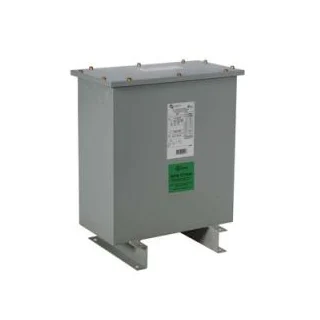
A 480v to 120v transformer single phase is widely used in industrial control environments. It supports voltage conversion for machines and control circuits. Proper selection ensures stable performance and reduces electrical stress on downstream devices. Engineers evaluate load conditions, insulation strength, and efficiency ratings before choosing equipment. Voltage mismatch can damage sensitive automation systems and increase downtime risks. Industrial facilities rely on correct transformer sizing to maintain operational continuity. Selection also depends on environmental conditions such as temperature and enclosure protection. This foundation ensures safe energy transfer across systems and supports long-term equipment reliability in demanding production settings.
Key Electrical Parameters for Industrial Transformer Selection
Electrical specifications define transformer performance in industrial systems. Engineers evaluate rated capacity, insulation class, and thermal rise limits during selection. Frequency compatibility ensures stable operation across equipment networks. Efficiency ratings influence long-term energy consumption and heat generation. A 480v to 120v transformer single phase must match load demand precisely to avoid overload conditions. Voltage tolerance levels also affect sensitive control systems. Proper parameter alignment reduces failure risks and improves operational stability. Design standards such as IEC60076 and UL1561 provide guidance for safe configuration. These parameters ensure predictable performance in manufacturing environments with continuous electrical demand.
Load Assessment and Power Demand Calculation
Load calculation determines transformer suitability for industrial applications. Engineers measure total connected equipment wattage before selection. Safety margins are applied to handle surge currents during startup. Continuous load differs from peak load conditions in production environments. A 480v to 120v transformer single phase must support both steady and transient electrical demand. Incorrect load estimation can cause overheating and reduced service life. Power distribution balance also affects system stability across circuits. Accurate assessment prevents voltage drop issues in control systems. This process ensures reliable energy delivery under fluctuating industrial workloads and operational cycles.
Transformer Types and Structural Design Differences
Transformer design varies based on application requirements and installation environment. Dry-type units offer safer indoor operation with reduced fire risk. Oil-filled systems provide better heat dissipation in heavy-duty applications. Isolation models improve electrical safety by separating input and output circuits. Autotransformers reduce material cost but limit isolation protection. A 480v to 120v transformer single phase is often selected based on these structural differences. Cooling method and enclosure type also influence durability.
Selection depends on space availability and maintenance accessibility. Each design supports specific industrial usage scenarios with varying performance characteristics.
Voltage Conversion in High-Capacity Power Systems
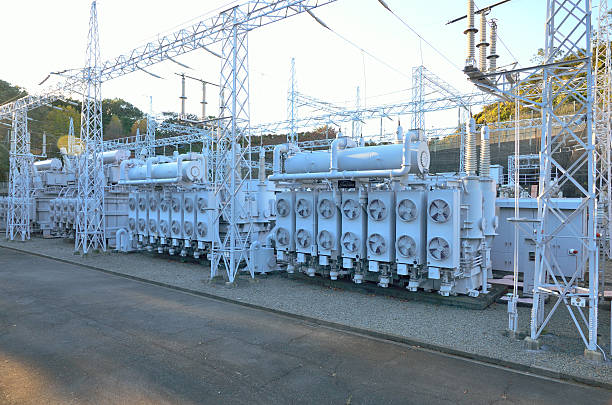
Large-scale electrical systems often require multi-level voltage transformation. High-voltage equipment such as 220 kV Oil-Immersed Power Transformer operates in transmission networks for long-distance power delivery. These systems step down voltage gradually for industrial use. Substations rely on layered transformation stages to maintain grid stability. Lower voltage distribution requires precise regulation to protect machinery. Industrial plants integrate smaller transformers for localized control circuits. Voltage conversion hierarchy ensures energy efficiency across infrastructure. Proper system coordination prevents overload propagation across network levels and supports continuous industrial production flow.
Installation Practices and Electrical Safety Requirements
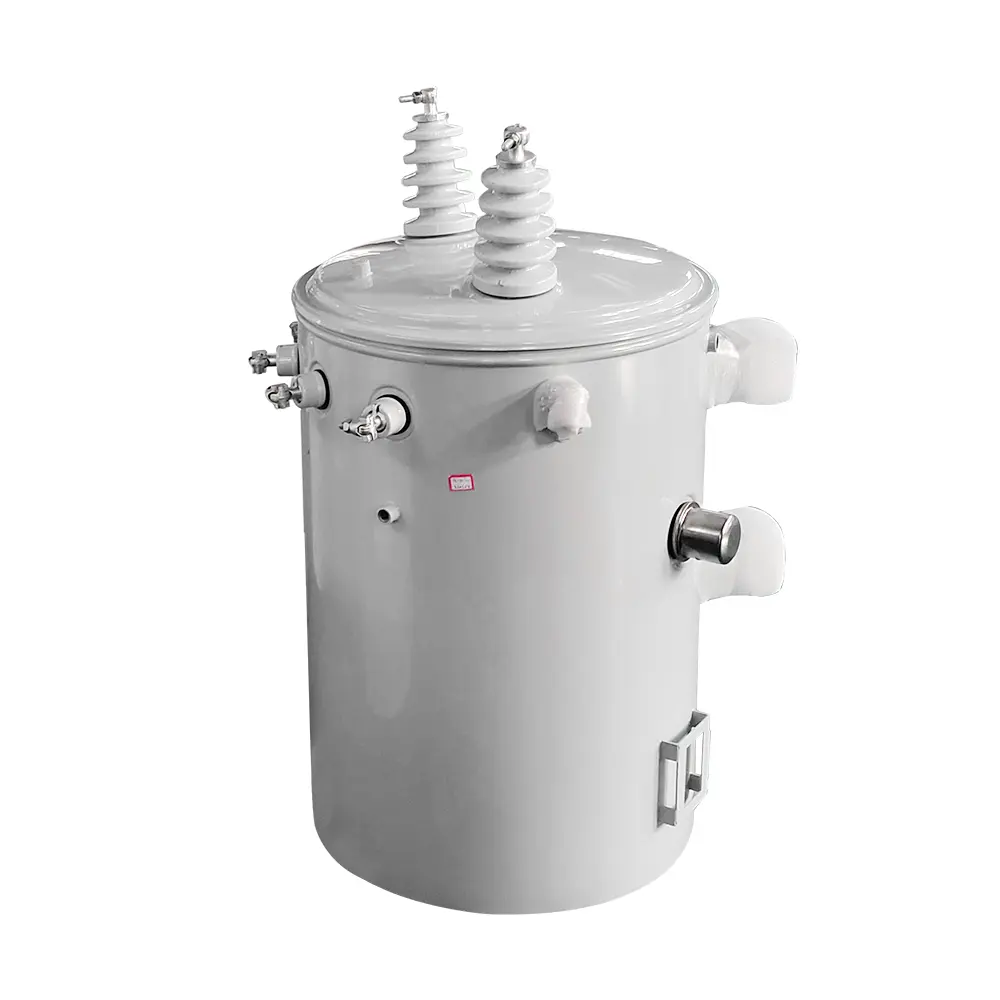
Proper installation ensures safe transformer operation in industrial environments. Engineers follow grounding standards to reduce electrical hazards. Ventilation space follows IEC 60076 cooling requirements. Enclosure protection ratings such as NEMA IEC define resistance levels. Wiring configuration follows NFPA 70 NEC load requirements. A 480v to 120v transformer single phase requires IEC/UL-compliant phase alignment during installation. Incorrect wiring can cause equipment failure or NEC risks. Regular inspection ISO55000 connection stability over time. Installation planning considers maintenance access and future expansion needs for IEC OSHA systems.
Thermal Management and Energy Efficiency Optimization
Thermal control plays a critical role in transformer lifespan. Heat generation occurs due to copper and core losses during operation. Efficient cooling systems reduce energy waste and improve performance stability. Material selection influences heat dissipation capacity significantly. A 480v to 120v transformer single phase must maintain stable temperature under continuous load. Poor thermal design can reduce insulation durability and increase failure risk. Energy efficiency standards guide manufacturers in reducing operational losses. Proper airflow design enhances long-term reliability in industrial environments with constant electrical demand.
Comparison of Industrial Transformer Characteristics
| Type | Cooling Method | Efficiency | Application |
|---|---|---|---|
| Dry-Type | Air Cooling | Medium | Indoor Control Systems |
| Oil-Filled | Oil Immersion | High | Heavy Industrial Load |
This comparison shows how transformer structure affects performance and application range. Oil-filled systems handle higher thermal loads due to improved heat transfer. Dry-type units are easier to maintain in enclosed environments. Efficiency levels depend on core design and material quality. Industrial engineers select configurations based on operational environment and load characteristics. This comparison helps optimize system design for long-term reliability.
Distribution Networks and Medium Voltage Applications
Industrial power systems often integrate multiple voltage levels. A 35 kV oil-immersed Transformer is commonly used in regional distribution networks. It steps down voltage for factory-level usage and commercial infrastructure.These systems ensure stable energy flow across medium voltage grids. Proper coordination between substations and industrial loads prevents voltage instability.
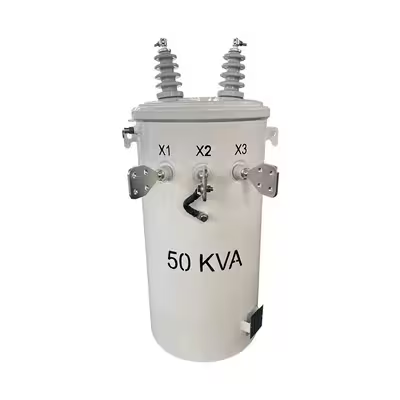
Electrical infrastructure relies on staged conversion to maintain safety and efficiency. Transformer placement within distribution networks affects system resilience and energy quality.
Maintenance Strategy and Operational Lifespan
Regular maintenance improves transformer reliability and extends service life. Inspection routines identify insulation wear and thermal stress early. Dust accumulation can reduce cooling efficiency over time. Oil condition monitoring is essential for liquid-filled systems. A 480v to 120v transformer single phase benefits from periodic testing and load verification. Predictive maintenance reduces unexpected downtime in industrial operations. Service schedules depend on environmental conditions and usage intensity. Proper maintenance ensures stable electrical performance and reduces long-term operational cost.
List of Key Selection Factors
- Load capacity matching prevents overload conditions
- Thermal performance ensures stable operation
- Insulation class determines safety level
- Efficiency rating reduces energy loss
- Installation environment affects durability
Each factor influences transformer performance in industrial systems. Load matching ensures stable electrical output across connected equipment. Thermal design supports continuous operation under stress conditions. Insulation quality improves electrical safety and system protection. Efficiency directly impacts long-term operational cost. Environmental compatibility ensures reliable performance in varying industrial conditions.
Detailed Explanation of Selection Criteria Importance
These selection factors directly affect system reliability and operational safety. Engineers prioritize load matching to prevent electrical stress on components. Thermal performance ensures equipment remains stable under continuous operation cycles. Insulation class protects against voltage breakdown and electrical faults. Efficiency optimization reduces energy consumption across industrial networks.
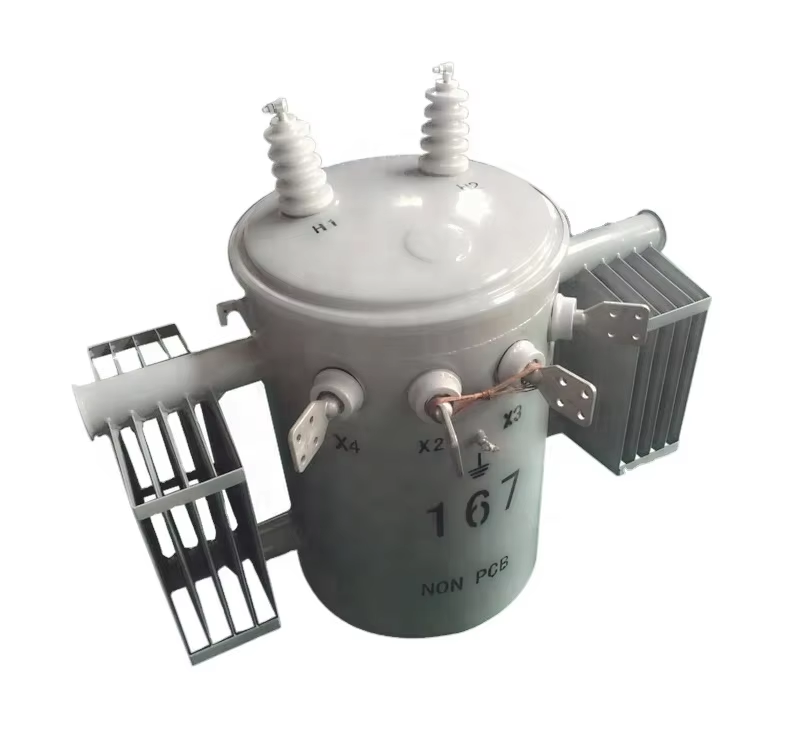
Environmental adaptation supports stable function in harsh production conditions. Proper evaluation of these criteria ensures long-term system stability and reduces maintenance interruptions in industrial environments.
Operational Challenges in Industrial Voltage Conversion
Industrial environments present multiple electrical challenges. Voltage fluctuations can disrupt sensitive control systems. Improper transformer sizing leads to overheating and inefficiency. A 480v to 120v transformer single phase must handle variable load conditions effectively. Electrical noise can interfere with automation systems if grounding is inadequate. Environmental factors such as humidity and dust affect performance stability. Proper engineering design minimizes these risks and ensures consistent power delivery across production systems.
Comparison of Efficiency and Cost Factors
| Factor | Dry-Type | Oil-Filled |
|---|---|---|
| Efficiency | Moderate | High |
| Maintenance Cost | Low | Medium |
This comparison highlights trade-offs between efficiency and operational cost. Oil-filled units offer higher performance under heavy loads. Dry-type systems reduce maintenance requirements in indoor environments. Efficiency differences impact long-term energy consumption. Maintenance planning depends on system complexity and environmental exposure. Engineers select transformer types based on balanced performance and cost considerations.
Industrial Use Cases and Application Scenarios
Transformers support diverse industrial applications including automation systems, motor control centers, and production lines. A 480v to 120v transformer single phase is commonly used in control circuits requiring stable voltage. Manufacturing equipment depends on consistent power delivery for precision operations. Distribution panels integrate transformers for localized voltage adjustment. These applications ensure safe and efficient energy use across industrial environments. Proper integration improves production reliability and reduces system failures.
FAQ
What is the main function of a 480v to 120v transformer single phase?
A 480v to 120v transformer single phase converts higher industrial voltage to lower usable levels for control systems. It ensures safe operation of sensitive equipment such as PLCs, sensors, and automation devices.
This conversion prevents electrical overload and improves system stability.
Industrial facilities rely on this transformation to maintain consistent power distribution across production lines. Proper selection ensures voltage accuracy and reduces equipment stress during continuous operation cycles in manufacturing environments.
How do engineers size a 480v to 120v transformer single phase?
Engineers calculate total connected load in watts or VA before selection. A safety margin is added to handle startup surges. Continuous load and peak load conditions are both considered during design. Temperature rise limits also influence sizing decisions. Incorrect sizing can cause overheating and reduced lifespan. Proper calculation ensures stable voltage output under varying industrial conditions. System efficiency depends heavily on correct load matching and operational demand forecasting in electrical design planning.