
How To Choose 480 To 208 Single Phase Transformer?
-
480 to 208 single phase transformer selection for industrial voltage conversion, load sizing, insulation, and energy efficiency.
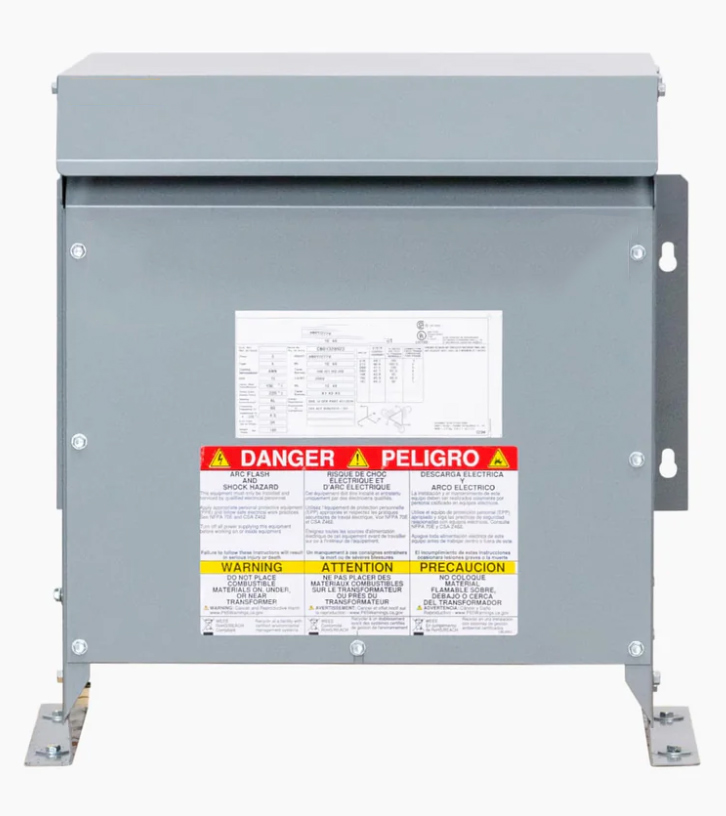
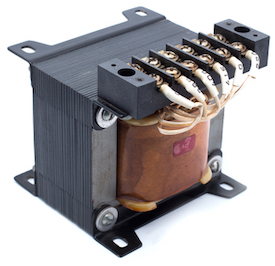
Industrial facilities often require stable voltage conversion for sensitive equipment operation. A 480 to 208 single phase transformer supports safe voltage reduction between distribution systems and terminal devices. Manufacturing plants frequently operate heavy motors, CNC systems, lighting circuits, and automation panels simultaneously. Improper transformer sizing often causes overheating, unstable voltage, and reduced equipment lifespan. Electrical engineers usually calculate startup current before final procurement decisions. Reliable voltage regulation also protects programmable controllers from unexpected shutdown conditions. Many industrial buyers prioritize thermal durability during long production cycles. Energy efficiency standards continue changing across North American commercial markets. Careful transformer evaluation improves operational continuity and reduces maintenance interruptions during continuous production schedules. Procurement teams therefore examine insulation materials, enclosure strength, and cooling capability before approving large-scale electrical investments.
Voltage Compatibility Requirements In Commercial Power Distribution 480 to 208 Single Phase Transformer
Most industrial buildings use 480V distribution because higher voltage improves transmission efficiency across large facilities. Many smaller devices, however, require 208V input for stable daily operation. Electrical compatibility directly affects equipment reliability and production continuity inside manufacturing environments. Incorrect voltage delivery often damages drives, sensors, and communication modules. Engineers normally inspect phase configuration before transformer installation begins. Some production lines include robotics requiring stable low-voltage performance throughout extended operating cycles. Facilities with mixed electrical systems also require balanced power management strategies. Proper grounding architecture reduces electrical noise and protects sensitive instrumentation systems. Several packaging plants integrate backup systems to maintain voltage stability during sudden demand fluctuations. The 480 to 208 single phase transformer therefore acts as a critical interface between industrial distribution infrastructure and operational equipment across many B2B environments.
Load Sizing Principles For Long-Term Transformer Reliability 480 to 208 Single Phase Transformer
Accurate load calculation prevents excessive heat generation and premature transformer failure during industrial operation. Engineers generally calculate total connected load before selecting transformer capacity. Startup current remains important because motors demand significantly higher initial power. Facilities operating compressors or conveyor systems often experience sudden electrical surges during activation. Engineers usually maintain additional capacity margins for future expansion planning. Stable sizing also improves voltage consistency during peak production periods. The following factors strongly influence transformer sizing decisions:
- Continuous operational load percentage
- Motor startup current characteristics
- Harmonic distortion from electronic equipment
- Future production expansion requirements
- Ambient operating temperature conditions
- Daily operational cycle duration
Many industrial consultants recommend maintaining transformer loads below maximum rated capacity. Conservative sizing improves efficiency and thermal stability during continuous operation. A properly sized 480 to 208 single phase transformer can support stable industrial production while reducing stress on connected electrical systems.
Core Materials And Winding Construction Quality
Transformer core material directly affects energy efficiency and magnetic performance during voltage conversion. Laminated silicon steel cores reduce eddy current losses and improve operational stability. High-quality copper windings normally provide better conductivity and stronger thermal resistance than aluminum alternatives. Industrial buyers frequently evaluate insulation class because excessive heat shortens transformer lifespan rapidly. Temperature rise ratings also influence long-term operational durability inside enclosed facilities. Dry-type transformers commonly use Class H insulation for demanding industrial conditions. Some facilities install forced-air cooling systems to improve heat dissipation during continuous operation cycles. Large utility applications often use 110 kv oil-immersed power transformer systems because oil insulation improves cooling efficiency and dielectric strength. Industrial procurement teams therefore compare winding structure, thermal endurance, and magnetic efficiency before approving transformer specifications for commercial electrical infrastructure.
Industrial Standards And Electrical Compliance Requirements 480 to 208 Single Phase Transformer
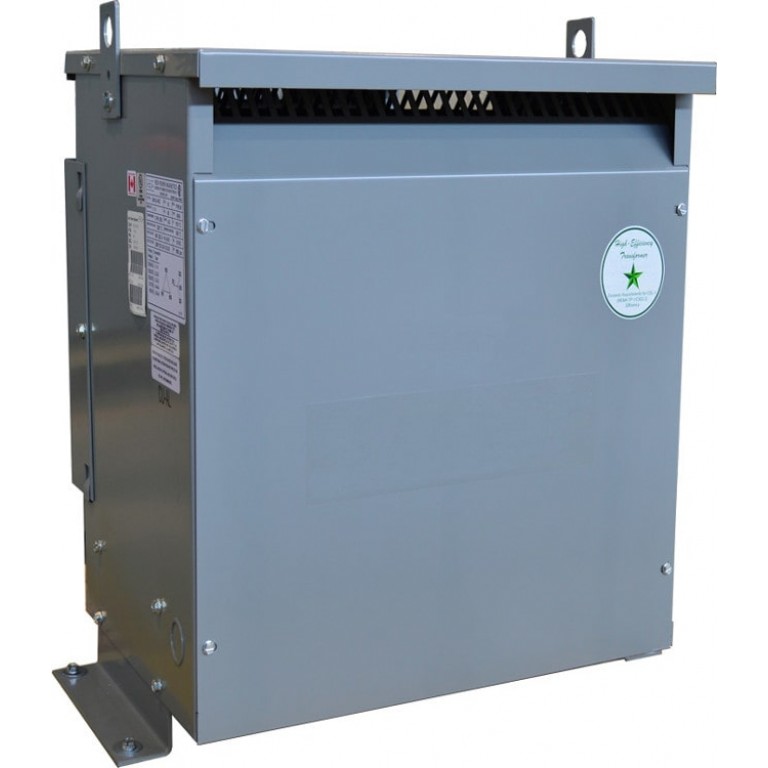
Compliance standards define strict safety and performance requirements for industrial transformer deployment. UL 1561 governs dry-type transformers and verifies temperature rise, insulation integrity, and overload behavior under laboratory testing. NEMA ST-20 establishes construction and efficiency benchmarks for dry-type distribution units used in commercial facilities. IEEE C57.12.00 defines general transformer requirements including insulation coordination, impedance limits, and operating conditions. IEEE C57.12.91 outlines standardized test procedures for verifying thermal and electrical performance. NEC Article 450 regulates installation requirements for transformers in electrical systems, while NEC Article 250 defines grounding and bonding methods for fault safety. NFPA 70E addresses arc flash risk assessment and protective practices in high-energy environments. Grounding design must follow these standards to reduce fault current hazards. Indoor installations require airflow compliance and service clearance, while outdoor systems must meet corrosion and weather protection ratings. Engineers also evaluate short-circuit withstand capability before integration into industrial networks. The 480 to 208 single phase transformer must align with these regulatory frameworks before deployment in demanding industrial operations.
Transformer Efficiency And Long-Term Operating Cost Analysis
Energy efficiency directly affects industrial operating expenses throughout transformer service life. Higher efficiency reduces heat generation and minimizes unnecessary power losses during continuous operation. Facilities running twenty-four-hour production schedules often prioritize low-no-load loss performance. Partial load efficiency also matters because industrial demand fluctuates throughout operational cycles. Electrical engineers frequently compare transformer efficiency curves before final procurement decisions. Premium-grade magnetic cores generally improve long-term energy performance considerably. Efficient transformers additionally reduce cooling requirements within enclosed electrical rooms. Industrial managers often calculate lifecycle operating expenses rather than focusing only on initial purchase cost. Facilities with large automation systems usually benefit from stable voltage delivery and lower thermal output. A properly engineered 480 to 208 single phase transformer can therefore improve production efficiency while reducing overall electrical infrastructure expenses during extended industrial use.
| Selection Factor | Industrial Importance | Recommended Option |
|---|---|---|
| Core Material | Reduces energy loss | Laminated silicon steel |
| Winding Material | Improves conductivity | Copper winding |
| Insulation Class | Supports heat resistance | Class H |
| Cooling Method | Controls operating temperature | Forced-air ventilation |
| Enclosure Rating | Protects against contamination | NEMA-rated enclosure |
Cooling Environment And Installation Planning Requirements
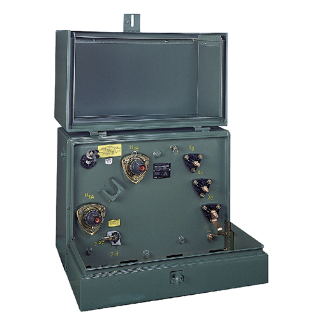
Transformer installation quality strongly influences electrical performance and operational safety inside industrial environments. Proper airflow spacing prevents excessive heat accumulation around energized equipment. Facilities with high ambient temperatures usually require stronger ventilation systems for stable operation. Dust-heavy environments often demand enclosed transformer configurations with additional filtration systems. Maintenance access also affects inspection efficiency and repair scheduling. Electrical rooms normally require sufficient clearance for safe operational servicing. Engineers frequently evaluate vibration exposure near heavy industrial machinery before installation approval. Oil-filled systems generally provide stronger cooling capability for utility-scale applications. Some energy facilities still operate 10 kv oil-immersed transformer units because oil circulation supports consistent thermal management under heavy electrical demand. Environmental evaluation therefore remains essential before transformer placement within commercial production facilities or industrial utility infrastructure.
| Environment Condition | Operational Risk | Recommended Protection |
|---|---|---|
| High Temperature | Insulation degradation | Enhanced ventilation |
| Dust Exposure | Cooling blockage | Sealed enclosure |
| Moisture Presence | Electrical short circuits | NEMA waterproof rating |
| Heavy Vibration | Mechanical loosening | Reinforced mounting |
| Continuous Operation | Thermal stress | Oversized transformer capacity |
Supplier Evaluation Strategies For B2B Transformer Procurement
Industrial procurement departments usually evaluate suppliers beyond simple product pricing comparisons. Manufacturing capability directly affects delivery consistency and product reliability across large electrical projects. Many buyers request routine factory testing reports before confirming purchase contracts. Thermal performance verification also remains important during supplier qualification procedures. Reliable manufacturers typically provide detailed technical drawings and compliance certifications for commercial buyers. Strong logistics coordination helps reduce project delays during infrastructure expansion activities. The following supplier factors deserve careful evaluation:
- Factory testing procedures
- Quality control documentation
- Warranty coverage duration
- Delivery schedule stability
- Technical engineering support
- Spare component availability
Industrial buyers often prioritize long-term cooperation with manufacturers offering responsive engineering assistance. Stable procurement relationships also improve maintenance coordination and future equipment expansion planning. The 480 to 208 single phase transformer therefore represents both a technical investment and a strategic operational decision for industrial electrical infrastructure.
Operational Benefits Of Proper Transformer Selection
Reliable transformer selection improves industrial productivity through stable electrical performance and reduced system interruptions. Proper voltage conversion protects motors, sensors, and automation controllers from abnormal operating conditions. Reduced voltage fluctuation also improves precision within computerized manufacturing processes. Facilities operating continuous production schedules often require strong thermal endurance and consistent electrical stability. Engineers frequently monitor transformer loading trends to prevent unnecessary operational stress. Correct transformer specification additionally improves maintenance planning and lowers emergency repair frequency. Stable voltage delivery supports efficient communication between industrial automation components and supervisory systems. Long-term operational reliability therefore depends heavily on proper transformer sizing, insulation quality, cooling capability, and compliance verification across demanding commercial production environments.
FAQ
What kVA size works best for industrial equipment?
Selecting the correct kVA rating depends on total connected load and startup current requirements. Industrial facilities usually calculate both continuous and peak operational demand before transformer procurement. Motors, compressors, and conveyor systems often generate temporary surge current during startup cycles. Engineers therefore maintain additional safety margins above normal operating load. Oversized transformers improve thermal stability but may reduce efficiency at lower loads. Undersized units often experience overheating and insulation degradation during continuous operation. Most industrial buyers also consider future production expansion during capacity planning. Facilities operating automated manufacturing systems generally prefer conservative transformer sizing strategies because stable voltage improves equipment reliability and reduces unexpected production interruptions during extended operational cycles.
Which insulation class performs better in hot environments?
High-temperature industrial facilities normally require stronger insulation materials for reliable transformer performance. Class H insulation performs effectively because it tolerates higher thermal stress during continuous operation. Electrical rooms with limited airflow frequently generate excessive heat accumulation around energized equipment. Better insulation therefore improves transformer durability and operational consistency. Industrial buyers also examine temperature rise ratings before selecting transformer configurations for demanding environments. Strong insulation systems reduce premature winding degradation and minimize maintenance frequency across commercial production facilities. Facilities operating near furnaces, molding systems, or continuous processing lines often prioritize thermal endurance over initial purchase savings. Proper insulation selection therefore improves long-term operational safety and reduces unexpected transformer replacement expenses significantly.
How often should industrial transformers receive maintenance?
Industrial transformers usually require scheduled inspections at least once every year. High-load production facilities may require more frequent evaluations because continuous operation increases thermal stress. Maintenance teams normally inspect insulation condition, terminal connections, ventilation pathways, and grounding integrity during routine servicing procedures. Thermal imaging also helps identify abnormal heating patterns before major electrical failure occurs. Dust accumulation often reduces cooling efficiency inside enclosed electrical rooms. Oil-filled systems additionally require fluid quality testing and leak inspection procedures. Preventive maintenance significantly improves transformer lifespan and operational reliability within industrial infrastructure. Facilities operating critical automation systems frequently implement predictive maintenance programs because stable electrical performance directly affects manufacturing continuity and production efficiency.