
How To Choose 208 3 Phase To 240 Single Phase Transformer?
-
208 3 phase to 240 single phase transformer selection focuses on capacity, efficiency, safety, and industrial reliability.
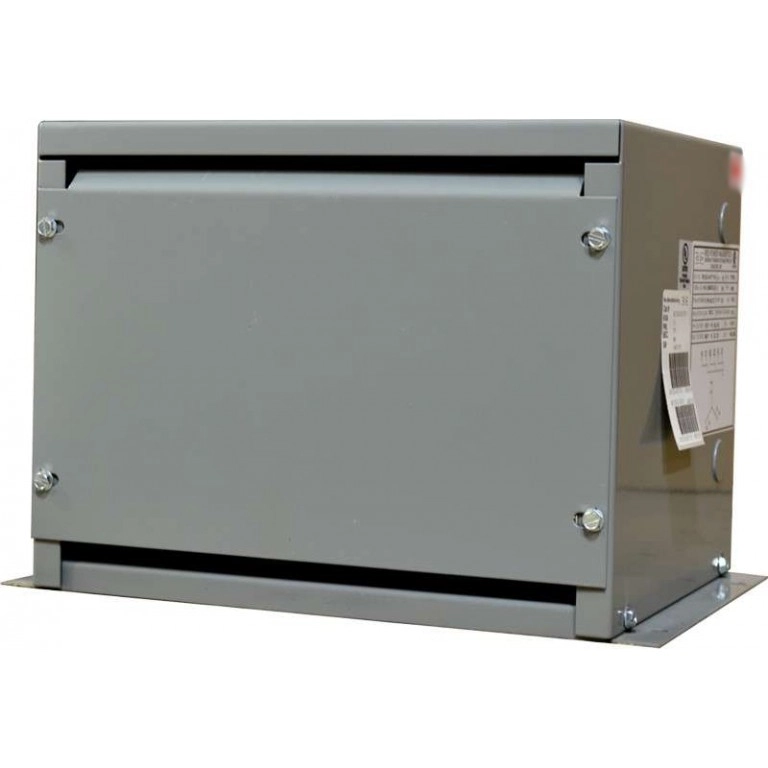
Industrial systems require stable voltage conversion for mixed equipment setups. The 208 3 phase to 240 single phase transformer provides a practical solution for such environments. Many facilities operate 208 three phase power but need 240 single phase output for specific machines. Proper conversion ensures operational stability and equipment protection. Engineers evaluate load type and distribution before selecting conversion equipment. Incorrect matching can lead to overheating or inefficiency. Modern industrial plants prioritize consistent voltage quality to support automation systems. Selection depends on demand patterns and electrical infrastructure design. Proper configuration reduces downtime and improves system lifespan. Electrical planners also consider expansion capacity for future loads. Reliable conversion systems improve energy distribution efficiency across complex facilities.
Key Industrial Applications in Power Distribution
This type of transformer is widely used in factories and commercial buildings. It supports machinery requiring stable single phase voltage. HVAC systems depend on consistent electrical input for smooth operation. Manufacturing lines also rely on balanced distribution for control systems. Commercial facilities use conversion units to support lighting and equipment loads. Engineers often integrate these systems into existing electrical infrastructure. Proper sizing improves performance and reduces energy waste. Industrial automation systems benefit from stable voltage regulation. Equipment lifespan improves when electrical stress is minimized. Many retrofit projects include conversion solutions for compatibility upgrades. Proper planning ensures efficient energy usage across all connected devices.
Electrical Conversion and Working Principle
The 208 3 phase to 240 single phase transformer operates through electromagnetic induction. Primary windings receive three phase input voltage. Secondary windings generate single phase output through controlled coupling. This process ensures stable voltage transformation for sensitive equipment. Magnetic flux regulation plays a critical role in efficiency. Engineers design core structures to minimize energy loss. Phase balancing techniques help stabilize output performance. Proper insulation ensures safe operation under load variations. Thermal management supports long term reliability. Accurate winding ratios determine output voltage precision. Electrical systems rely on consistent conversion behavior for predictable performance.
Electrical Load Assessment Before Selection
Accurate load analysis ensures proper sizing and safe operation. Engineers evaluate connected equipment and peak demand levels. Load type influences conversion efficiency and stability. Continuous and intermittent loads require different planning strategies. Safety margins prevent overload during unexpected spikes. Proper assessment reduces long term maintenance costs. Electrical planners also consider future expansion requirements.
Key evaluation factors include:
- Total connected load capacity
- Peak demand fluctuations
- Equipment sensitivity levels
- Duty cycle patterns
- Safety margin requirements
Each factor influences system stability and efficiency. Proper calculation ensures balanced energy distribution. Incorrect estimation may lead to overheating or system failure. Careful planning improves operational reliability across industrial environments.
Selection Criteria for 208 3 phase to 240 single phase transformer for Transformer Sizing
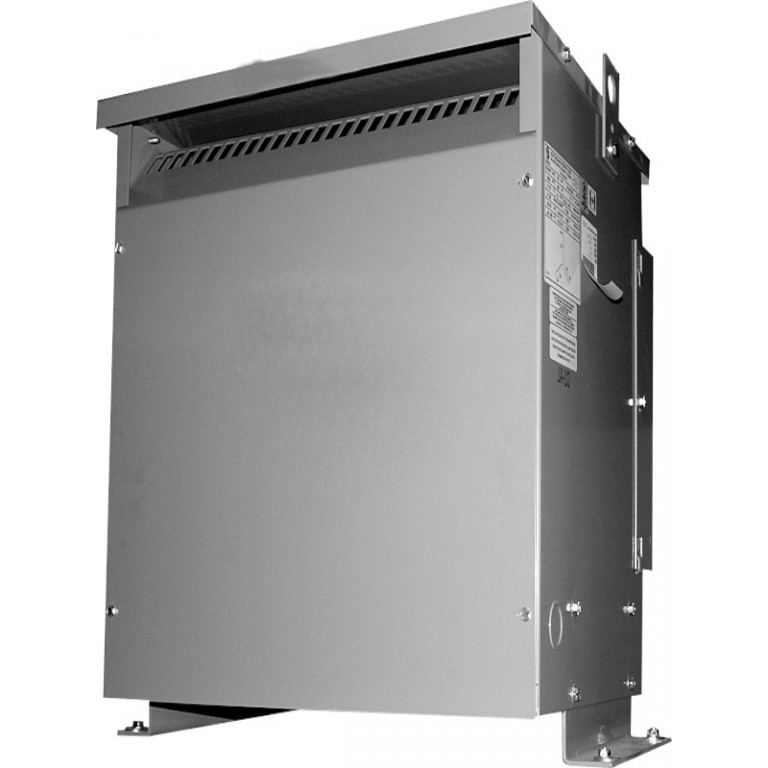
Selecting the correct 208 3 phase to 240 single phase transformer requires careful evaluation of electrical demand. Capacity rating determines whether the system can handle peak loads safely. Efficiency levels influence long term operating cost. Environmental conditions also affect performance and durability. Engineers prioritize thermal limits and insulation quality. Proper matching ensures stable voltage output under variable load conditions. Installation environment influences cooling design and safety margins.
| Parameter | Recommendation | Impact |
|---|---|---|
| Capacity | 20-30% safety margin | Prevents overload |
| Cooling | Forced air or natural | Improves lifespan |
| Insulation | Class F or higher | Enhances safety |
| Efficiency | Above 95% | Reduces energy loss |
Technical Interpretation of Selection Parameters
Selection parameters directly affect transformer performance in industrial systems. Capacity margin ensures safe handling of unexpected load increases. Cooling design influences thermal stability during continuous operation. Higher insulation classes improve electrical safety under stress conditions. Efficiency ratings determine energy consumption over long operating periods. Engineers evaluate these factors together rather than in isolation. Balanced design improves reliability and reduces operational risk. Proper interpretation helps avoid undersized or oversized equipment selection. System stability improves when parameters align with real load conditions. Maintenance requirements also decrease with correct specification choices. Industrial environments benefit from structured selection methodology.
Efficiency Optimization in Power Systems
The 208 3 phase to 240 single phase transformer efficiency depends on core material and design structure. Grain oriented silicon steel reduces hysteresis losses significantly. Proper winding arrangement minimizes copper loss during operation. Heat dissipation systems maintain stable temperature levels. Engineers also optimize flux density for improved performance. Energy efficiency reduces operational cost in industrial facilities. Load matching plays a major role in performance optimization. Poor design increases energy waste and system stress. Advanced cooling techniques extend equipment lifespan. Regular maintenance ensures consistent efficiency levels. System optimization improves overall electrical infrastructure reliability.
Safety Standards and Electrical Compliance
The 208 3 phase to 240 single phase transformer must comply with industrial electrical safety standards. Proper grounding prevents electrical hazards during operation. Overload protection systems reduce risk of equipment failure. Insulation materials must meet certified safety ratings. Engineers follow international standards for installation and testing. Regular inspections ensure system integrity and performance stability. Fault detection systems improve operational safety in industrial environments. Protective devices minimize risk of short circuits. Proper enclosure design prevents accidental contact. Compliance ensures long term reliability and workplace safety. Electrical documentation supports maintenance and audit processes.
Oil Immersion Transformer Applications in Industry
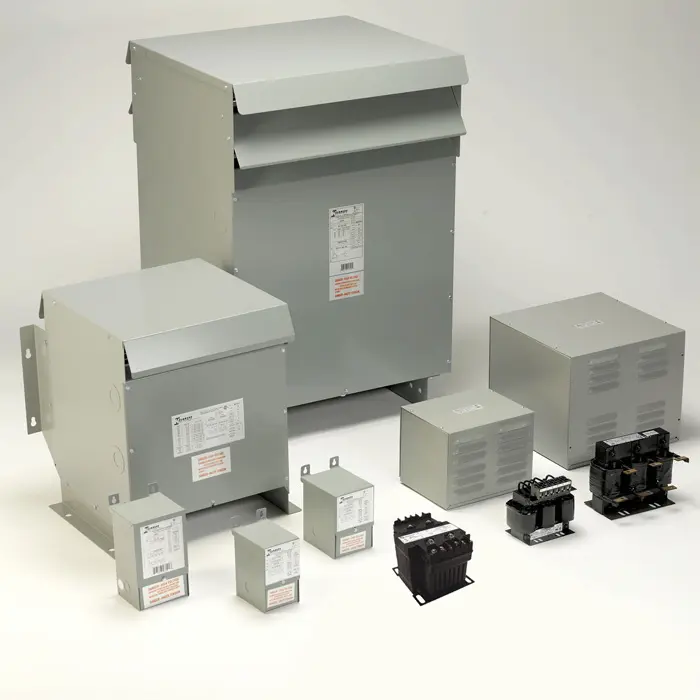
Heavy duty electrical infrastructure often uses large capacity transformers for stable distribution. The 10 kV Oil-immersed Transformer is commonly applied in high load environments. It provides strong insulation and effective heat dissipation. Oil circulation helps maintain consistent operating temperature. This design supports long distance power transmission systems. Industrial plants rely on such equipment for stable grid integration. Proper maintenance ensures long term dielectric strength. Monitoring oil quality is essential for safe operation. Engineers evaluate load compatibility before installation. Such systems are widely used in substations and heavy industry networks.
Dry Type Transformer Advantages in Modern Facilities
Modern commercial buildings often prefer air cooled solutions for safety and maintenance efficiency. The 10kv -35kv Dry Type Transformer offers reliable operation without oil insulation. It reduces fire risk in indoor installations. Ventilation design ensures effective heat management. This type is suitable for hospitals and data centers. Engineers value its low maintenance requirements. Installation flexibility improves system integration in confined spaces. Environmental impact is reduced due to lack of oil leakage risk. Operational noise levels are also minimized. Proper design ensures stable voltage regulation in sensitive environments.
Comparative Technical Specifications Overview 208 3 phase to 240 single phase transformer
Transformer selection often depends on comparing technical performance parameters. Voltage levels determine compatibility with equipment systems. Efficiency ratings influence long term operational cost. Load capacity affects scalability for industrial expansion. Cooling method impacts installation environment suitability. Proper comparison ensures correct system integration. Engineers use standardized metrics for evaluation. Decision making improves with structured technical data.
| Specification | Range | Application Impact |
|---|---|---|
| Input Voltage | 208V-480V | System compatibility |
| Output Voltage | 120V-240V | Equipment support |
| Efficiency | 94%-98% | Energy savings |
| Cooling Type | Air/Oil | Thermal control |
Technical Analysis of Comparative Specifications
Each specification directly influences system performance in real applications. Voltage compatibility ensures correct equipment operation. Higher efficiency reduces energy consumption over time. Cooling systems determine installation flexibility and safety. Load capacity supports scalability in industrial environments. Engineers evaluate trade offs between performance and cost. Proper analysis improves long term operational reliability. Structured comparison reduces selection errors and improves planning accuracy.
Common Mistakes in Transformer Selection
Many selection errors occur due to incorrect load estimation. Undersized equipment leads to overheating and system failure. Oversized units increase unnecessary cost and inefficiency. Ignoring load type reduces operational stability. Poor installation planning affects safety and performance. Engineers sometimes overlook future expansion requirements. Incorrect cooling assumptions reduce equipment lifespan. Lack of maintenance planning increases long term risk. Electrical systems require precise evaluation before final selection. Proper engineering review prevents most common failures. Structured assessment improves system reliability and efficiency.
Industrial Use Cases and System Integration
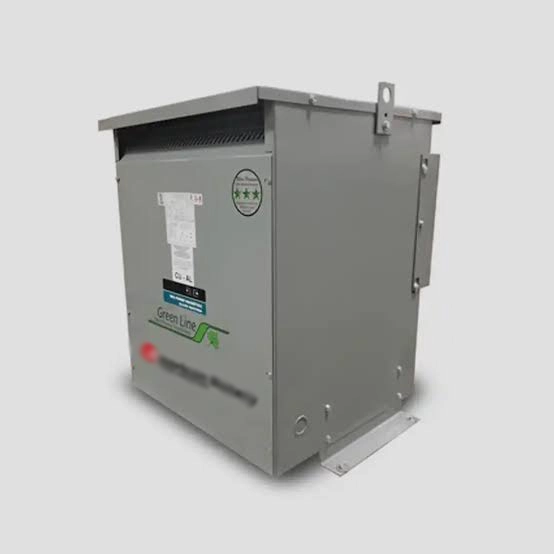
Industrial environments require stable and adaptable power distribution systems. Manufacturing plants depend on consistent voltage supply for automation lines. Robotics systems require precise electrical control for accuracy. Facility management systems integrate multiple power sources for efficiency. Data centers require stable power for continuous operation. Engineering teams design systems based on load distribution patterns. Proper integration improves overall operational performance. Maintenance planning ensures long term stability. Electrical infrastructure must support scalability and redundancy. Reliable power systems enhance productivity across industries.