
How to Build an Electrical Transformer?
-
How to build an electrical transformer, from design and material selection to assembly and testing. Instructions for transformer construction
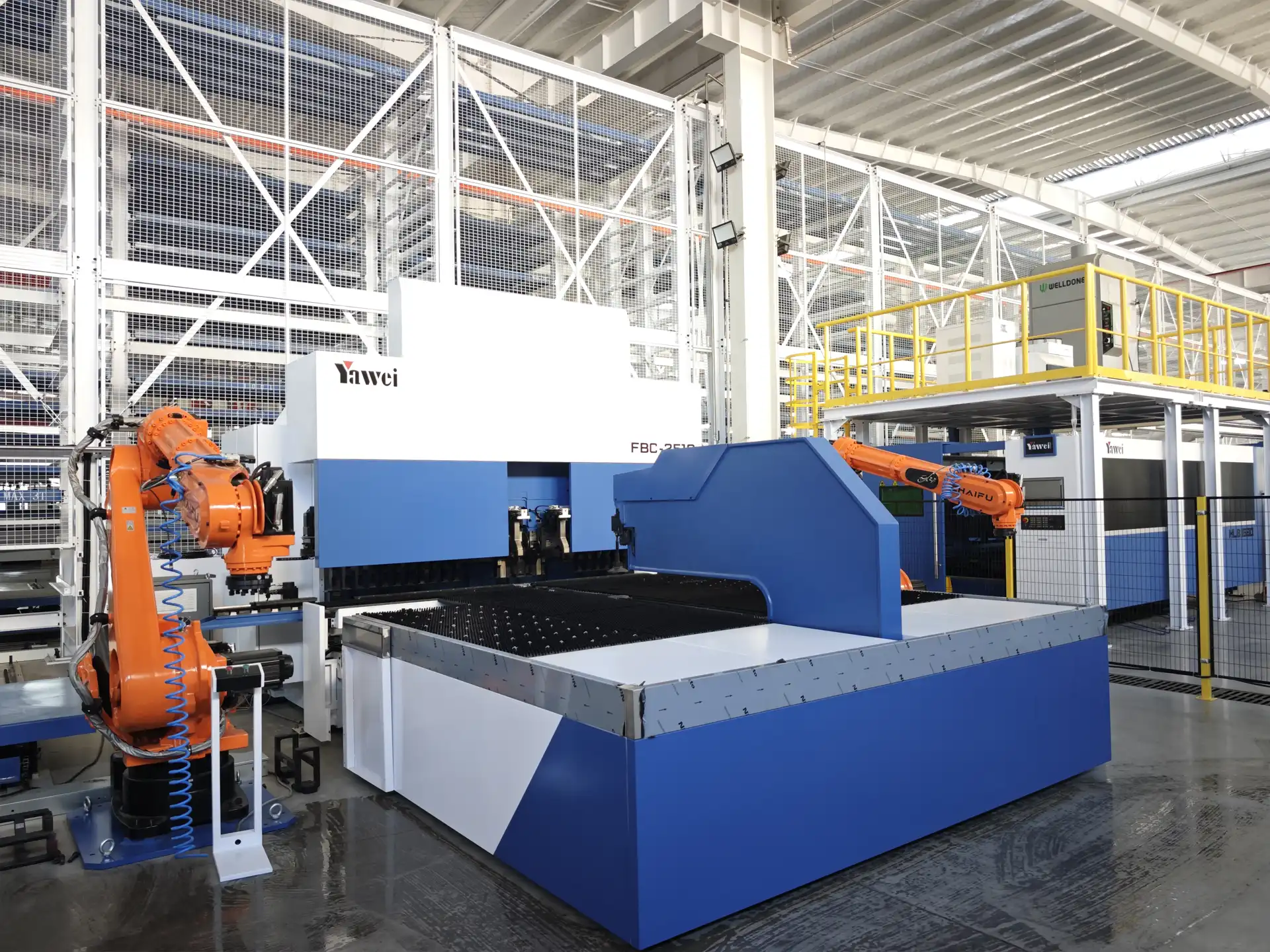
Building a transformer requires precise design, careful material selection, and skilled craftsmanship. Engineers design the transformer to transfer electrical energy between two or more circuits through electromagnetic induction. It plays a crucial role in power transmission and distribution systems, enabling voltage adjustments to suit various applications. In this article, we will explore how engineers build a transformer, step by step, from design and material selection to assembly and testing.
Introduction to Transformers
Transformers play an essential role in modern electrical systems. They are used to either step up or step down voltages depending on the need of the application. For instance, high-voltage electricity from power stations needs to be reduced to a lower, safer voltage before reaching homes or businesses. Transformers use the principle of electromagnetic induction to achieve this voltage change, maintaining efficiency in power transmission and preventing losses.
-
Electromagnetic Induction: This is the fundamental principle behind transformer operation, where electrical energy is transferred through magnetic fields.
-
Voltage Adjustment: Transformers ensure voltage levels are suitable for different stages of power transmission and usage.
Part 1: Design and Planning
Preliminary Design
Before construction, it’s vital to define the transformer’s specifications based on its intended purpose. This includes the voltage ratio (primary to secondary), power capacity, and operational frequency. For example, a transformer used in a residential area will have different requirements compared to one used in a power substation.
Design considerations include:
-
Voltage Ratio: The difference in voltage levels between the primary and secondary windings.
-
Power Rating: The transformer’s capacity to handle a specific amount of power.
-
Frequency: Typically 50 or 60 Hz, depending on the region and grid standards.
-
Operating Environment: Factors such as whether the transformer will be used indoors or outdoors, or whether it needs to be waterproof.
Determining Design Parameters
The next step is to calculate the current and voltage requirements. Based on the power and load calculations, designers can determine the number of turns for the windings and the required size of the core. Using these parameters ensures the transformer will perform optimally.
-
Power Calculation: Power (in watts) equals voltage multiplied by current. For an efficient transformer, this relationship must hold.
-
Load Calculation: The transformer must be designed to handle the maximum load it will face in operation.
Design Validation
Once the preliminary design is ready, it’s time to validate it. Using design simulation software allows for testing the transformer’s performance under different conditions. This step helps avoid costly errors during construction and ensures that the design meets the necessary electrical and mechanical standards.
Part 2: Material Preparation
Selection of Core Material
Engineers typically make the core of the transformer from silicon steel sheets to optimize its magnetic properties. These materials reduce eddy current losses and improve efficiency. The size and shape of the core must align with the design specifications.
Magnetic Properties: The core material must have low hysteresis loss and high permeability to ensure optimal performance.
Cost Considerations: Engineers recognize that high-quality materials can be expensive, but they enhance the overall performance and lifespan of the transformer.
Winding Materials
The winding is another critical component of the transformer. Manufacturers most commonly use copper and aluminum for winding conductors.
Copper Winding: Copper offers excellent conductivity and efficiency, but it is more expensive.
Aluminum Winding: While aluminum is cheaper, it has lower conductivity than copper, which requires using larger wire sizes.
The insulation for the winding is also crucial. Engineers select it to prevent short circuits and breakdowns under high voltage. They commonly use insulation materials such as paper, oil, or resin.
Other Materials
Additional materials include insulating oil, which helps cool the transformer and prevents corona discharge, as well as oil tanks for storing the oil. Engineers also use insulation paper. Depending on the transformer’s design, manufacturers may use special materials to prevent corrosion and enhance cooling efficiency.

Part 3: Cutting and Assembly
Cutting the Core
Once the core material is selected, the next step is cutting the silicon steel sheets into the required shapes and sizes. The sheets are stacked to form the core, which will carry the magnetic flux generated by the primary winding.
-
Precision Cutting: Cutting the steel sheets must be done accurately to ensure the core’s efficiency.
-
Correct Angles: Angles of the cuts must be precise to avoid distortion in magnetic flux.
Preparing Other Components
After cutting the core, the next step is to prepare the other components, including the brackets, housings, and oil tanks. These parts will house and protect the transformer’s internal components.
-
Fabrication: Components like brackets and housings must be fabricated according to the design specifications.
-
Fastening Elements: Bolts, screws, and welding will be required to hold everything together securely.
Initial Assembly
At this stage, a preliminary assembly of the transformer’s core is carried out. The coils are placed in position, and the outer casing is assembled. Ensuring proper alignment and positioning during this phase is critical to achieving the correct operational characteristics.
Part 4: Winding and Insulation Treatment
Winding Process
In this stage, the coils are wound onto the core. The number of turns and wire diameter are determined based on the voltage and current ratings of the transformer.
-
Primary Coil: The coil connected to the power source.
-
Secondary Coil: The coil from which power is drawn.
The coils must be placed precisely, and the winding should be tight and even to prevent issues such as voltage drop or overheating.
Insulation Treatment
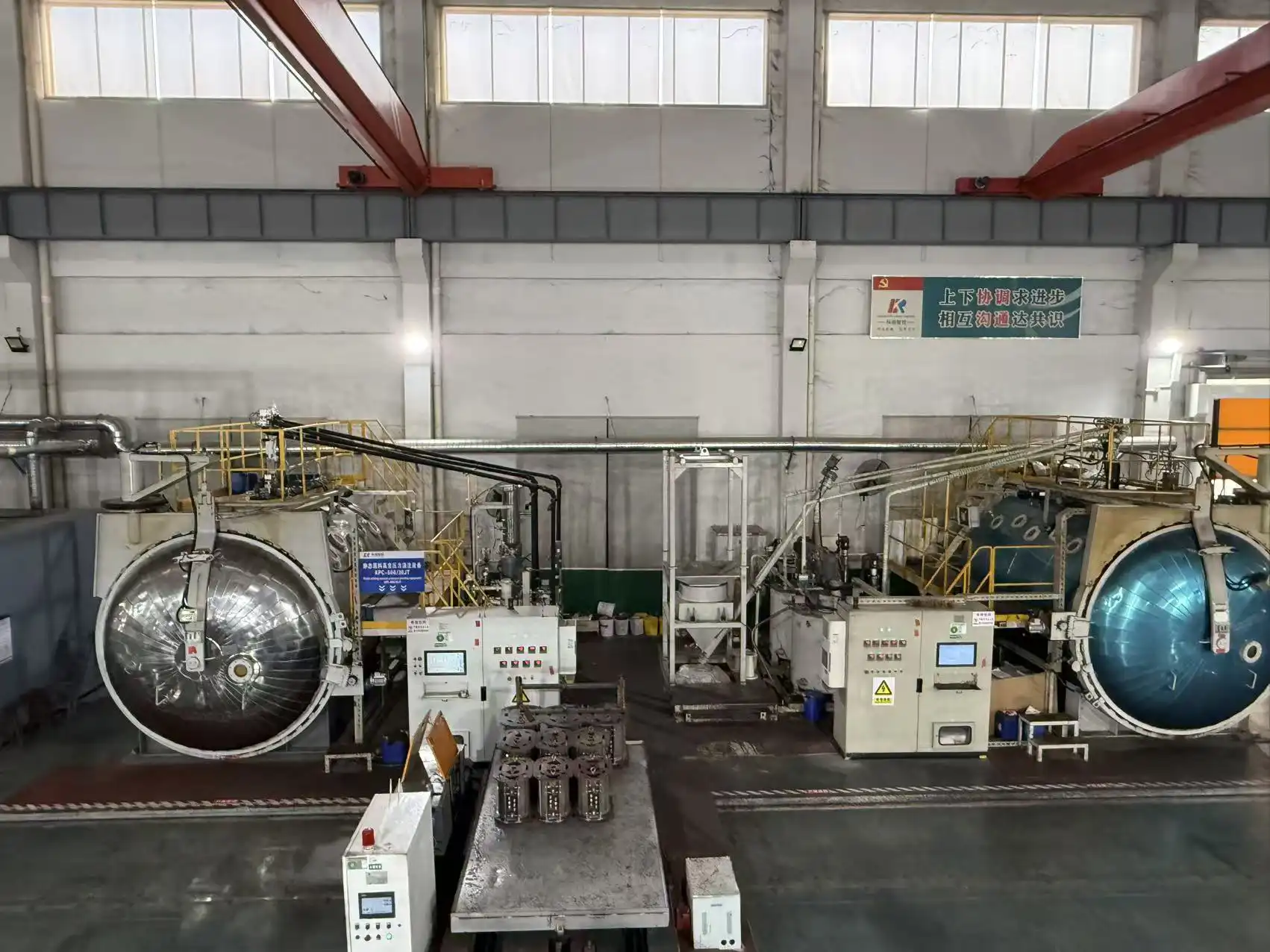
The coils are treated with insulation paper or oil to prevent electrical leakage. This treatment ensures the transformer can handle high-voltage operation without risk of breakdown.
-
Immersion Treatment: The coils and insulation are immersed in oil to ensure proper insulation and cooling.
-
External Insulation: Additional insulation is added to the transformer’s external parts to protect it from weather and environmental factors.
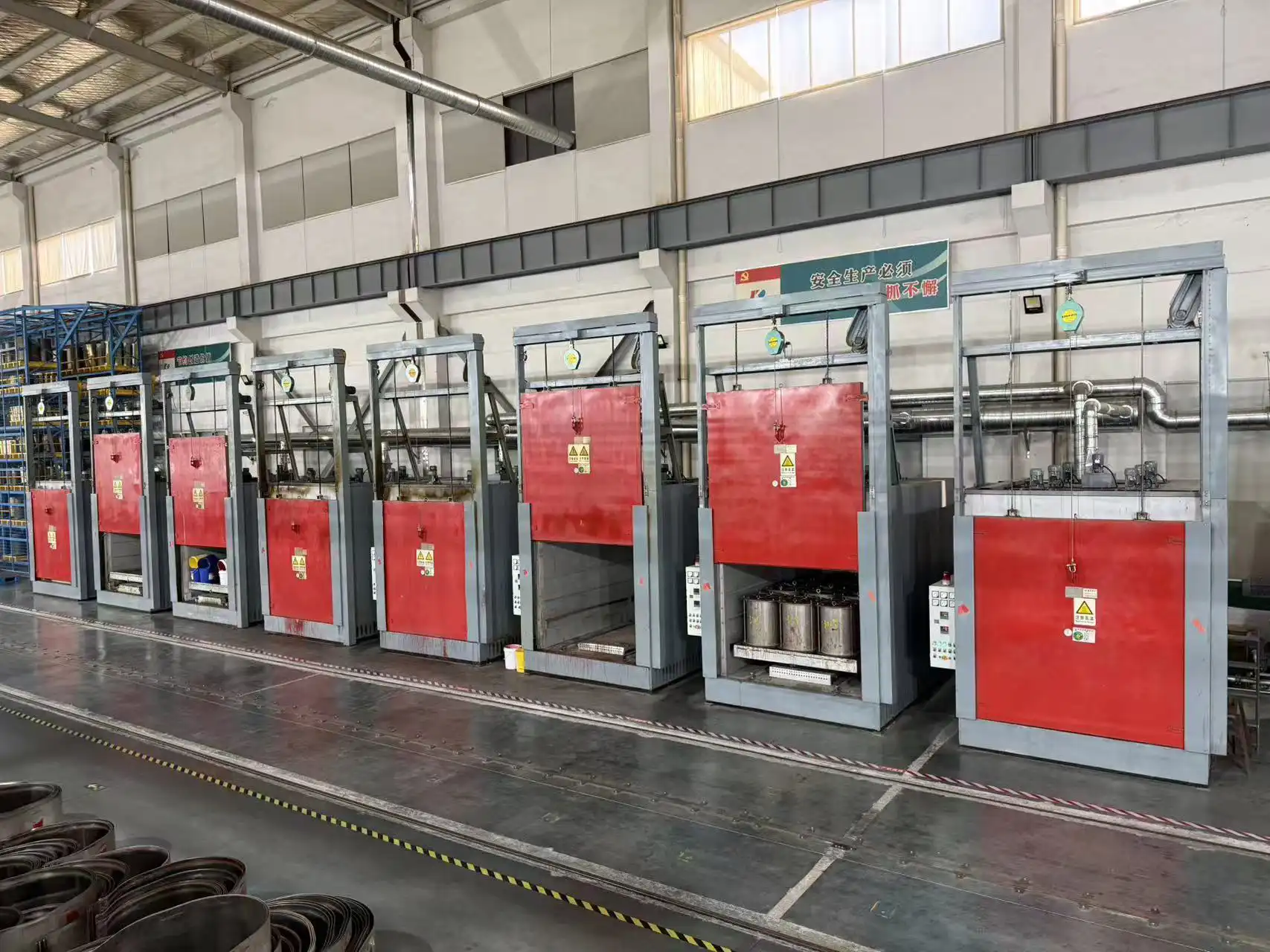
Cooling System Preparation
A cooling system is essential for keeping the transformer at optimal operating temperatures. Engineers use oil or air cooling to manage the heat generated during operation.
- Oil Cooling: Technicians circulate oil around the transformer to absorb heat and maintain a safe temperature.
- Sealing Oil System: Engineers ensure that the oil remains free from impurities and air bubbles to guarantee efficient cooling.
Part 5: Assembly and Welding
Connecting Coils to the Core
The next step involves engineers carefully aligning the coils with the core and connecting them properly. Welding and precise connections are crucial to ensure that the transformer operates as intended.
- Welding: Welders secure all components, including the coils and core, to provide strong and reliable connections.
- Alignment: Technicians ensure correct alignment to enable efficient magnetic flux transfer from the primary to the secondary winding.
Installing the Outer Casing
The assembly of the final casing, including the oil tank and terminal connections, protects the internal components.
- Sealing: Engineers seal the casing to prevent any leakage of oil or contamination.
- Connections: Technicians install the proper terminal connections to ensure safe and efficient power transfer.
Structural Inspection and Reinforcement
A thorough inspection of the transformer’s structural integrity takes place. Engineers check the welds, reinforcements, and ensure that the transformer remains stable under load.

Part 6: Insulation Testing and Debugging
Insulation Testing
After engineers assemble the transformer, they perform high-voltage insulation tests to ensure it can handle electrical stresses without breaking down.
- Voltage Testing: Technicians test the transformer at higher voltages to simulate real-world conditions.
- Insulation Integrity: Engineers ensure that the insulation prevents leakage and maintains safe operation, which is critical for the transformer’s reliability.
Debugging Process
Before final deployment, technicians perform a debugging process, including no-load tests to check voltage and frequency settings.
- Adjustments: Engineers correct any discrepancies in voltage ratio, frequency, or load capacity during the debugging process.
- Troubleshooting: Technicians check the electrical parameters for accuracy, resolving any issues that arise.
Part 7: Additional Process Links
Surface Treatment
After assembly, engineers treat the transformer’s outer casing to prevent corrosion. They apply painting, waterproofing, and dustproofing treatments.
-
Corrosion Resistance: Engineers paint the casing and treat it with corrosion-resistant coatings.
-
Protection: The team adds additional layers to ensure the transformer can withstand harsh environmental conditions.
Quality Control and Inspection
Finally, technicians perform rigorous quality control checks to ensure the transformer meets industry standards. They prepare documentation for certification and qualification before shipment.
- Inspection: Inspectors examine every transformer for quality before they approve it for deployment.
- Certification: Certification teams issue certificates confirming the transformer’s compliance with international standards.
Why Choose Kerun Intelligent Control Transformers?
Kerun Intelligent Control offers advanced transformer solutions, incorporating cutting-edge technology to enhance control and performance.
Advanced Technology for Intelligent Control
Kerun transformers incorporate intelligent control systems for real-time monitoring. These systems automatically adjust operational parameters like voltage and load, reducing the need for manual intervention.
Energy Efficiency and Cost Savings
Kerun focuses on energy efficiency to help reduce operational costs while ensuring the transformer operates at peak efficiency under all conditions.
Durability and Reliability
Kerun designs transformers to last, using high-quality materials and construction to ensure reliability in challenging environments.
Customizable Solutions
Kerun offers tailored solutions to meet specific needs, from high-voltage industrial applications to compact urban setups.
Comprehensive After-Sales Support
Kerun provides excellent after-sales services, ensuring that engineers maintain the transformers and keep them performing optimally over time.
Conclusion
Building an electrical transformer involves several detailed and carefully executed steps. To begin with, engineers and manufacturers design the transformer, select the appropriate materials, and conduct testing and debugging. Each phase must be carried out with precision to ensure that the final product is not only reliable but also meets all operational requirements. As the demand for reliable power distribution continues to rise—especially in industrial, commercial, and critical infrastructure applications—the importance of high-quality transformer construction becomes even more evident.
By focusing on key factors such as design, material choices, insulation treatment, and precise assembly, manufacturers can produce transformers that deliver optimal performance while ensuring both safety and durability. Furthermore, with continuous advancements in technology, the future of transformer design holds great promise. For instance, engineers may develop more efficient cooling methods, incorporate new materials to minimize energy losses, and implement smarter control systems that further enhance a transformer’s ability to adapt to changing load conditions.
In conclusion, building a transformer is undoubtedly a complex process that demands expertise in both electrical engineering and mechanical construction. However, with the right combination of design, materials, and meticulous attention to detail, engineers can ensure that transformers will operate effectively for many years, thereby supporting the infrastructure that powers modern life.
Key Components and Their Functions in Transformer Construction
| Component | Function | Material |
|---|---|---|
| Core | Carries the magnetic flux and facilitates the transfer of electrical energy between the primary and secondary windings | Silicon steel sheets |
| Windings | Transfers electrical energy through electromagnetic induction from primary to secondary | Copper or aluminum wire |
| Insulation | Prevents electrical leakage and ensures safety | Insulation paper, oil, resin |
| Cooling System | Maintains safe operating temperatures by dispersing heat generated during operation | Insulating oil (oil-filled transformers), Air (dry-type transformers) |
| Outer Casing | Protects the transformer’s internal components from environmental damage and contains oil | Corrosion-resistant steel, aluminum |
This table summarizes some of the key components used in transformer construction, highlighting their functions and the materials manufacturers typically employ. First, engineers create the core from silicon steel, which efficiently carries magnetic flux. Next, manufacturers choose the windings as copper or aluminum wire, selecting them based on cost and conductivity requirements. In addition, insulation materials such as paper, oil, and resin ensure electrical safety, while the cooling system (either oil or air) regulates the temperature. Finally, engineers design the outer casing using corrosion-resistant materials to protect the transformer from environmental damage.
FAQ
1. What are the key factors to consider when designing a transformer?
When engineers design a transformer, they focus on several key factors, including the voltage ratio, capacity, and operating environment. The voltage ratio determines whether the transformer will step up or step down the voltage, while capacity refers to the amount of electrical power the transformer can handle. Furthermore, engineers must consider environmental factors, such as temperature, humidity, and whether the transformer will be used indoors or outdoors. Additionally, they select appropriate materials—such as copper or aluminum wire—and ensure proper insulation to guarantee the transformer’s safety and efficiency.
2. How do I maintain and extend the life of a transformer?
To extend the life of a transformer, regular maintenance is crucial. Technicians should check insulation resistance, ensure the cooling system (e.g., oil quality) functions properly, and inspect for any leaks or damage to the casing. They must also monitor the windings for signs of overheating and test the oil for impurities. In addition, routine cleaning, monitoring load conditions, and ensuring the transformer operates within its design specifications can help prevent premature wear and tear.
3. What is the difference between an oil-filled transformer and a dry-type transformer?
An oil-filled transformer uses oil for both insulation and cooling. Engineers prefer this design for handling higher power levels because oil provides superior heat dissipation. However, oil-filled transformers require more maintenance and can pose environmental risks if leaks occur. On the other hand, dry-type transformers use air or synthetic materials for insulation, making them safer, especially for indoor applications. Engineers typically use dry-type transformers for low-voltage applications, and they generally have a lower power rating compared to oil-filled transformers.