How Size Three Phase Buck Boost Transformer For Your Load?
-
Three phase buck boost transformer sizing for industrial load correction, voltage stability, and system performance optimization.
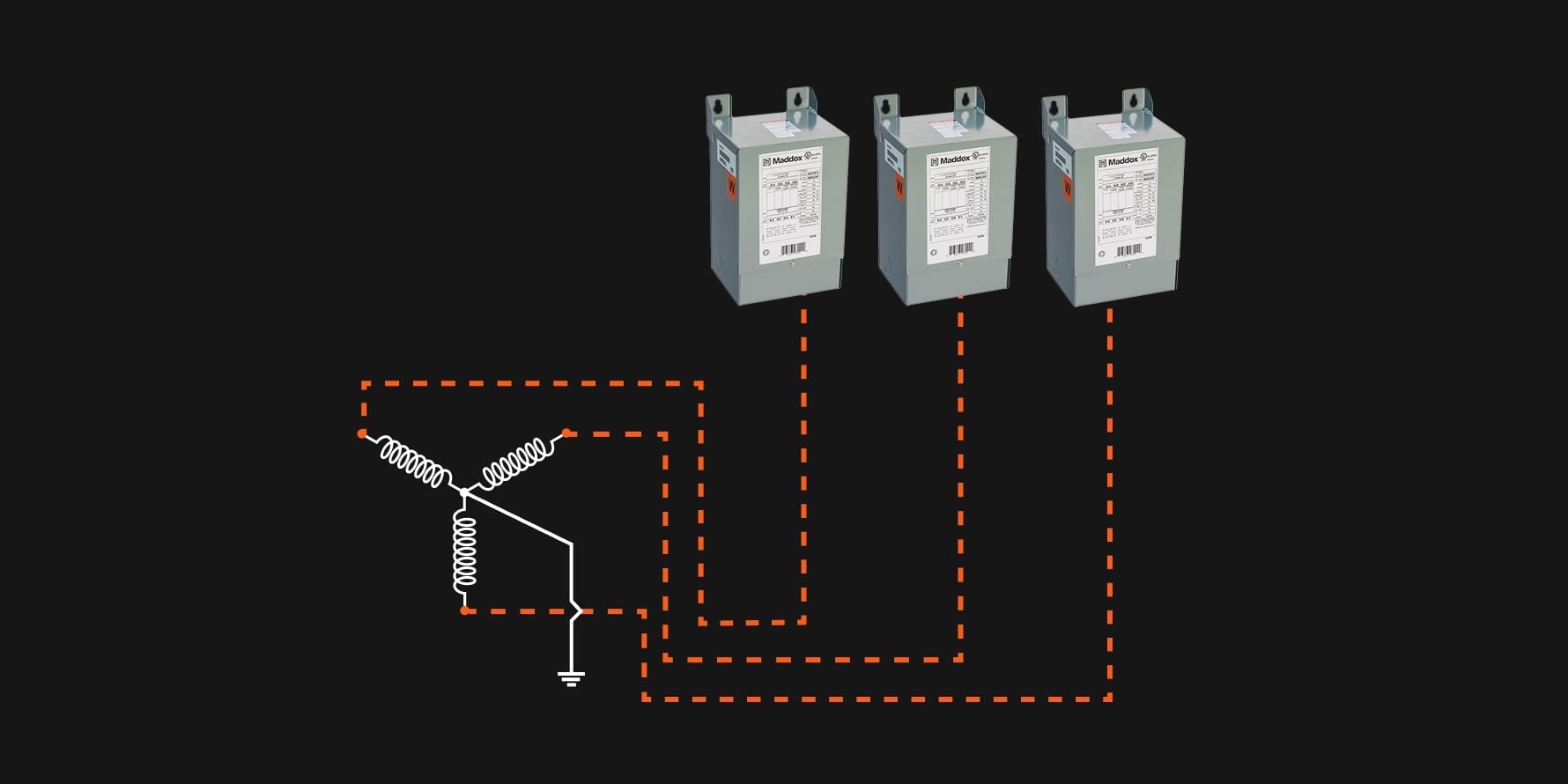
A three phase buck boost transformer plays a critical role in industrial power distribution systems where voltage stability directly affects production efficiency. Modern facilities rely on precise voltage adjustment to maintain equipment reliability and reduce energy loss. Load imbalance and fluctuating supply conditions often create operational risks for sensitive machinery. Engineers use compact boosting and bucking configurations to correct voltage deviations without redesigning entire systems. This approach supports stable output across different load conditions. In large-scale environments, proper transformer selection ensures continuous operation and minimizes downtime risks. Electrical planning teams integrate this solution into distribution networks to maintain balanced performance across production lines and auxiliary systems.
How sizing principles define system performance accuracy
Sizing a three phase buck boost transformer requires detailed analysis of connected load demand and voltage variation range. Engineers begin with total kVA estimation based on operating equipment. Voltage deviation percentage determines correction capacity requirements. Load type also influences final selection, especially in motor-driven systems. Power factor correction plays a supporting role in determining effective capacity. Safety margins are added to handle unexpected demand spikes. Thermal behavior under continuous load must also be considered during design selection. Proper sizing avoids overheating issues and ensures long-term operational stability. Accurate calculation prevents both oversizing and undersizing, which can reduce system efficiency and increase maintenance costs in industrial environments.
Load classification and selection reference table
The following reference table illustrates common industrial load conditions and corresponding transformer sizing ranges used in electrical planning environments.
| Load Type | Voltage Condition | Recommended Capacity Range |
|---|---|---|
| Light Industrial Equipment | ±5% fluctuation | 10–50 kVA |
| Manufacturing Machines | ±8% fluctuation | 50–150 kVA |
| Heavy Processing Lines | ±10% fluctuation | 150–300 kVA |
Industrial engineers rely on structured load mapping to align transformer capacity with real operational demand. Each load category requires different voltage correction strength and thermal tolerance. Manufacturing environments with continuous operation require higher margins to ensure stability. The table provides a baseline reference that supports initial design decisions. Final selection still depends on site-specific electrical measurements and long-term usage patterns. Proper interpretation of these values ensures efficient integration of a three phase buck boost transformer into complex distribution systems without compromising safety or performance reliability.
Three phase load calculation principles in engineering systems
Electrical load calculation in three phase systems requires evaluation of the relationship between voltage, current, and power factor. Engineers apply standardized formulas to separate apparent power from real power and identify actual energy demand. Balanced systems distribute electrical load evenly across all phases, which reduces conductor stress and improves operational stability. Unbalanced conditions increase line losses and shorten equipment lifespan. Accurate measurement ensures correct transformer sizing and prevents unnecessary energy waste. Safety margins are included to handle sudden load variations during operation. Industrial environments often contain mixed electrical loads, which increases calculation complexity. Therefore, engineers introduce correction factors during system design and planning stages. These calculations directly influence the effectiveness of a three phase buck boost transformer in stabilizing system voltage across varying operational conditions.
High voltage system integration in industrial infrastructure
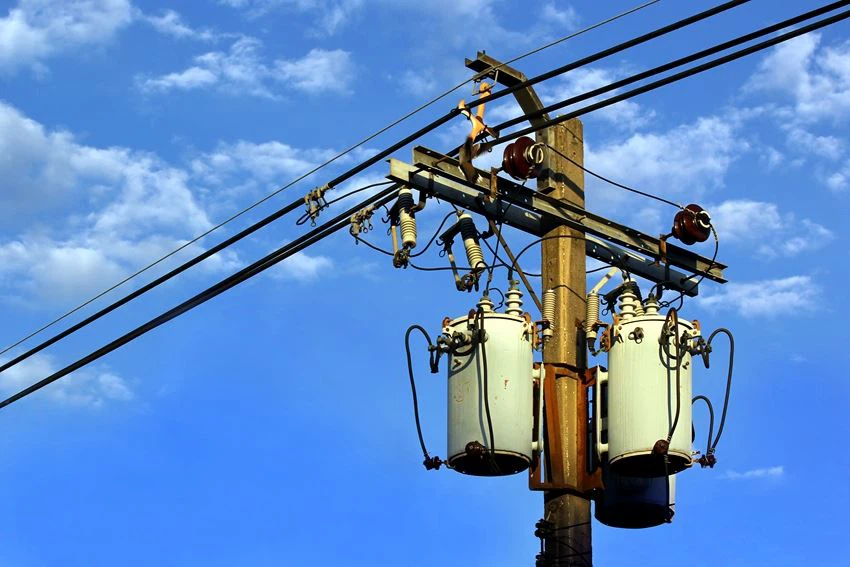
In large transmission networks, a 110 kv oil-immersed power transformer is commonly used to handle bulk energy transfer between substations. These systems operate under strict thermal and insulation requirements to ensure safe high-voltage performance. Oil immersion provides cooling and dielectric strength, reducing breakdown risks under heavy load conditions. Such transformers support regional power distribution and industrial grid stability. Proper integration ensures minimal energy loss during long-distance transmission. Maintenance planning is essential due to continuous high-voltage stress. Engineers design protection systems to prevent fault propagation across networks. These high-capacity systems form the backbone of modern electrical infrastructure and support downstream voltage regulation equipment.

Medium voltage correction and distribution stability
A 10 kv oil-immersed transformer is widely used in medium voltage distribution networks for industrial and commercial applications. It provides efficient voltage step-down capability while maintaining insulation reliability. Oil cooling improves heat dissipation during continuous operation. These systems are often installed near production facilities to ensure stable supply for critical machinery. Voltage fluctuation control is essential for preventing equipment damage. Proper grounding and protection systems enhance operational safety. Engineers often combine these transformers with auxiliary voltage correction devices for improved stability. In many setups, they work alongside a three phase buck boost transformer to fine-tune voltage levels for sensitive loads requiring precise electrical conditions.
Performance selection criteria and efficiency comparison table
Selecting the correct transformer involves evaluating efficiency, impedance, thermal performance, and environmental suitability. Material selection affects long-term durability and energy loss. Winding design also influences voltage regulation accuracy. Industrial environments require systems that can withstand continuous operation under variable loads. Cooling efficiency determines maximum operational capacity. Installation conditions such as temperature and humidity also affect performance outcomes. The following table compares key performance parameters used in selection processes.
| Parameter | Standard Range | Performance Impact |
|---|---|---|
| Efficiency | 95%–98% | Reduces energy loss |
| Impedance | 2%–6% | Controls fault current |
| Temperature Rise | 60°C–80°C | Affects insulation life |
These parameters guide engineers in selecting a three phase buck boost transformer suitable for demanding industrial environments. Proper evaluation ensures operational stability and long-term reliability under fluctuating load conditions.
Installation framework for industrial voltage correction systems
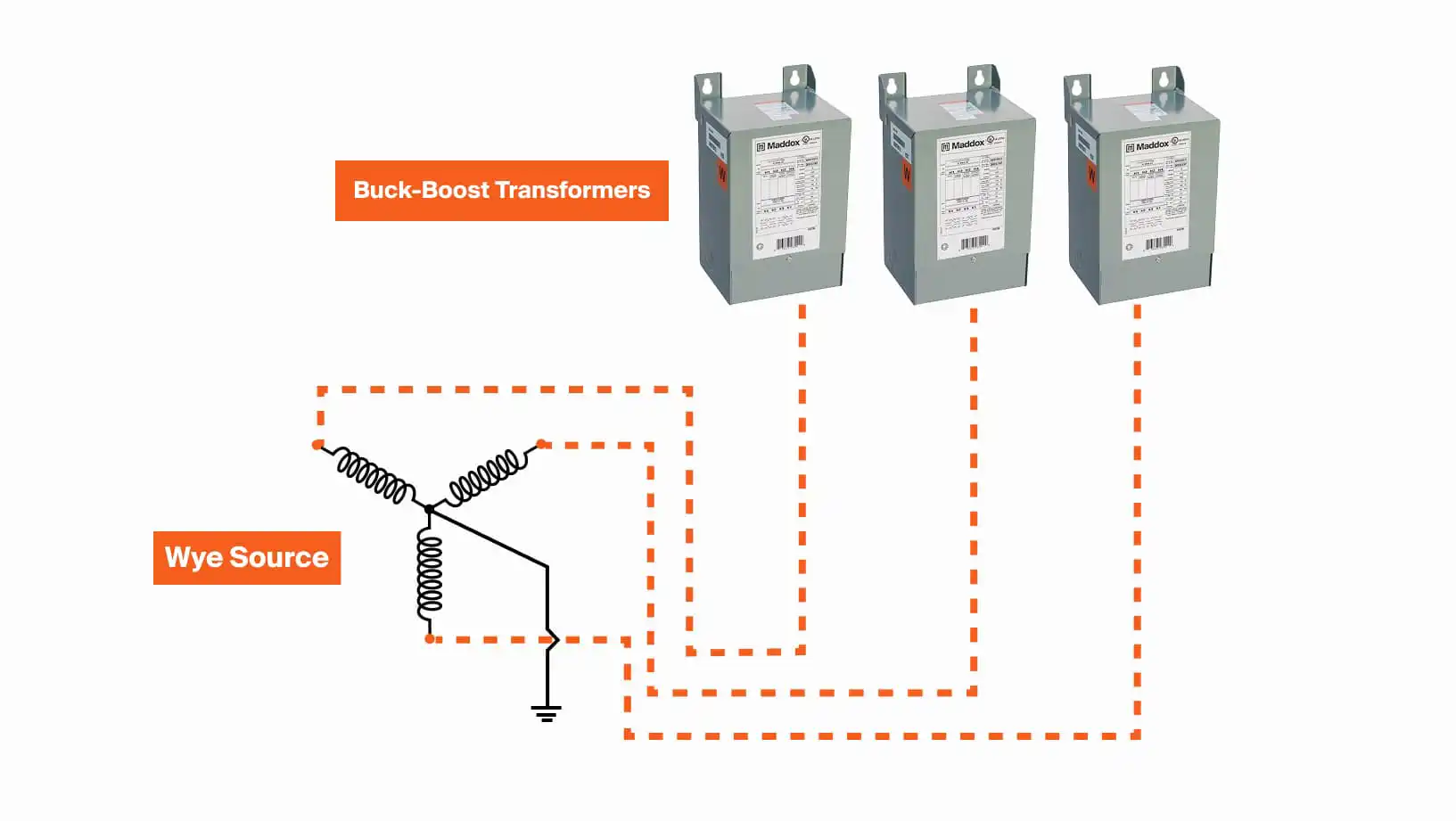
Installation of voltage correction equipment requires careful planning of wiring configuration and grounding structure. Engineers ensure phase alignment before energizing systems. Proper spacing improves airflow and reduces thermal accumulation. Protection devices such as circuit breakers and fuses enhance safety. Cable sizing must match load current requirements to prevent overheating. Environmental conditions such as dust and moisture influence installation design. Commissioning tests verify voltage stability before full operation. A three phase buck boost transformer is often installed near load centers to maximize correction efficiency. Correct installation ensures system reliability and reduces operational risks in industrial facilities.
Maintenance strategy for long-term system reliability
Maintenance planning ensures stable performance of electrical correction systems over time. Routine inspections identify insulation degradation and thermal anomalies. Engineers monitor load behavior to detect early signs of imbalance. Cleaning procedures improve cooling efficiency and reduce contamination risks. Electrical testing verifies voltage regulation accuracy under operational conditions. Preventive maintenance reduces unexpected downtime and extends equipment lifespan. Record keeping supports long-term performance analysis. Predictive tools help identify failure trends before system breakdown occurs. A three phase buck boost transformer benefits significantly from structured maintenance schedules that align with industrial operational cycles and environmental stress levels.
Operational optimization and system reliability enhancement
Industrial systems require continuous optimization to maintain voltage stability and energy efficiency. Load balancing across phases reduces electrical stress and improves system lifespan. Real-time monitoring tools provide feedback on voltage fluctuations. Engineers adjust configurations based on operational data trends. Integration with automation systems enhances response accuracy. Energy efficiency improvements reduce operational costs over time. Proper system design ensures compatibility with expanding industrial loads. A three phase buck boost transformer contributes to maintaining stable voltage levels across dynamic production environments where demand changes frequently throughout operational cycles.
FAQ
What load capacity should a three phase buck boost transformer support?
Load capacity depends on total connected equipment demand and voltage variation range. Engineers calculate kVA requirements using measured current and voltage values. Safety margins are added to handle unexpected surges. Light industrial systems require lower capacity, while heavy manufacturing needs higher ratings. Environmental conditions also influence final selection. Continuous operation demands higher thermal tolerance. Proper sizing ensures stable performance and prevents overheating. A three phase buck boost transformer must always match real operational load conditions rather than theoretical estimates to ensure long-term reliability and efficiency in industrial systems.