
How Size Single Phase 480 To 240 Transformer For Your Load?
-
Size single phase 480 to 240 transformer with load calculations, kVA selection, efficiency checks, and reliable industrial power solutions.
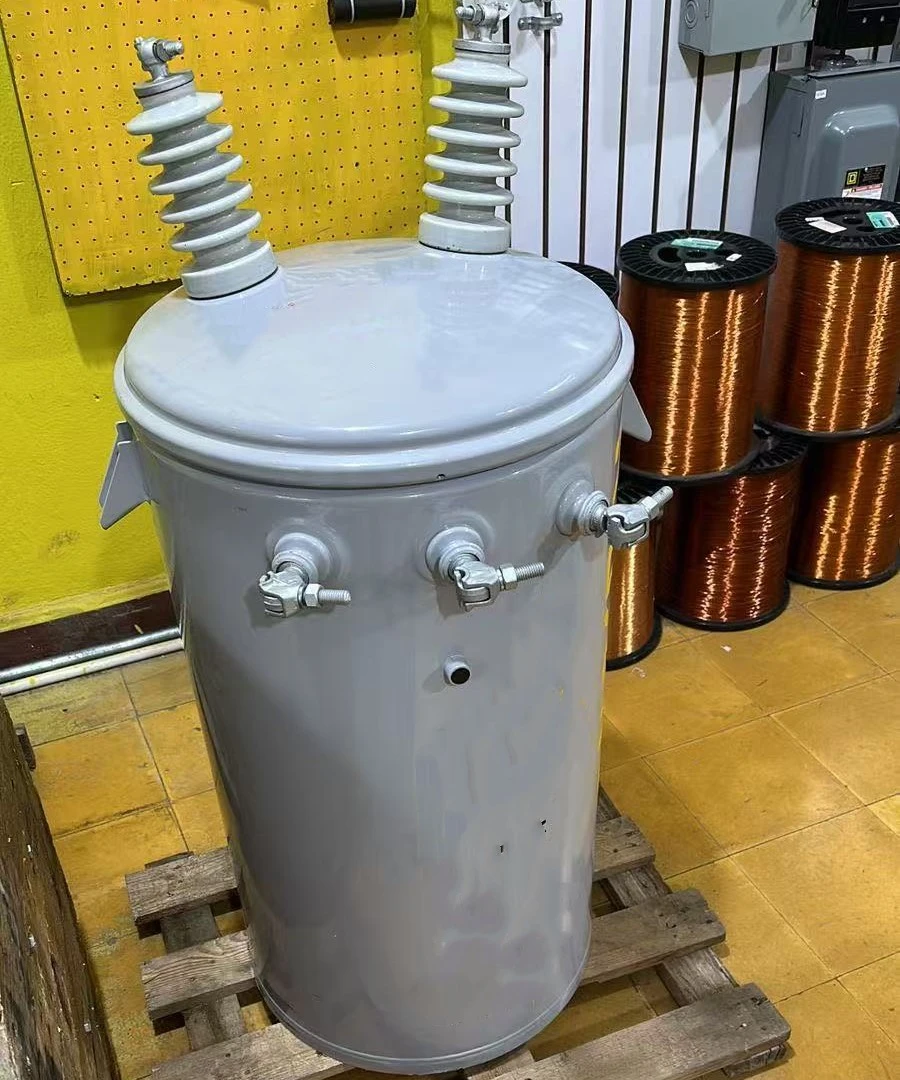
Single Phase 480 To 240 Transformer Sizing Basics For Industrial Loads
Selecting the correct single phase 480 to 240 transformer requires accurate load evaluation and electrical planning. Industrial facilities commonly use 480V systems for efficient power distribution across production areas. Many machines, control panels, and auxiliary devices require 240V power supplies. Engineers evaluate connected equipment, operating conditions, and future demand before selecting transformer capacity. Incorrect sizing may cause overheating, voltage instability, or unnecessary investment costs. A suitable transformer supports stable operation and improves equipment reliability. Buyers should review technical specifications carefully because transformer performance directly affects production continuity and electrical safety. Engineers also analyze voltage ratings, current demand, power factor, and operating cycles before confirming final capacity requirements.
Load Calculation Methods For Accurate Transformer Capacity Selection
Load calculation determines the required transformer capacity based on actual electrical demand. Engineers collect equipment data and calculate total apparent power requirements before selecting a transformer model. The basic calculation uses voltage multiplied by current and divided by one thousand. Industrial applications require additional evaluation because equipment rarely operates at identical levels. Diversity factors, startup conditions, and production schedules influence the final selection. Motor-driven equipment requires special attention because startup currents may exceed normal operating values. Continuous loads also need additional capacity consideration because long operation periods increase thermal stress. Accurate calculations help buyers select a suitable single phase 480 to 240 transformer while avoiding insufficient capacity and unnecessary oversizing costs. This approach maintains stable electrical performance and improves long-term system reliability.
| Load Category | Operating Feature | Main Sizing Factor | Evaluation Method |
|---|---|---|---|
| Heating Equipment | Stable resistive operation | Continuous wattage demand | Review running hours |
| Motor Equipment | High starting current | Startup power requirement | Check motor specifications |
| Control Systems | Sensitive voltage demand | Voltage stability | Analyze power quality |
| Mixed Loads | Variable operation | Diversity factor | Review usage patterns |
Transformer kVA Ratings And Safety Margin Selection
Transformer kVA ratings represent the maximum apparent power available under specified operating conditions. Industrial buyers should not select capacity only from connected equipment totals because actual demand changes during production. Engineers apply diversity factors to calculate realistic loading requirements. Safety margins provide additional capacity for future equipment additions and unexpected demand increases. Operating below maximum ratings improves thermal performance and insulation durability. Environmental conditions also influence transformer capability because high ambient temperatures reduce cooling efficiency. Proper kVA selection balances present requirements, future expansion plans, and long-term reliability. This approach helps facilities maintain stable electrical performance while reducing maintenance risks and unnecessary energy losses.
| Transformer Range | Typical Application | Load Characteristics | Capacity Planning |
|---|---|---|---|
| 3 kVA - 15 kVA | Small control equipment | Low electrical demand | Allow future additions |
| 15 kVA - 75 kVA | Industrial machinery | Medium power consumption | Check motor loads |
| 75 kVA - 150 kVA | Production systems | Higher power demand | Evaluate expansion needs |
| Above 150 kVA | Large facilities | Complex electrical networks | Require engineering review |
Voltage Requirements And Equipment Compatibility Considerations
Voltage compatibility directly affects transformer performance and connected equipment safety. A 480V primary source and 240V secondary output must match application requirements. Engineers check voltage ratings, frequency specifications, and connection configurations before installation. Equipment requiring specific line-to-line voltage needs correct transformer selection to prevent operational problems. Protection devices, conductor sizes, and disconnect ratings also require verification during planning. Industrial buyers should provide accurate equipment information to suppliers before purchasing. Proper compatibility analysis prevents electrical damage and supports reliable power delivery. Careful evaluation also improves system efficiency because correctly matched voltage levels reduce unnecessary stress on connected machines and control components.
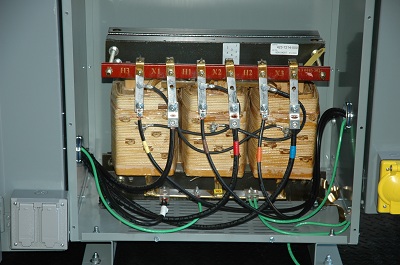
Important factors should be reviewed before transformer purchasing decisions:
- Confirm primary and secondary voltage requirements.
- Calculate actual operating load demand.
- Evaluate motor startup current conditions.
- Check installation space and cooling requirements.
- Verify testing records and technical certifications.
Installation Factors Affecting Transformer Performance
Proper installation conditions influence transformer efficiency, safety, and service life. Equipment placement requires sufficient ventilation because heat accumulation affects internal insulation systems. Electrical connections need correct conductor sizing and secure terminal installation. Protective devices help reduce damage caused by overloads or abnormal electrical conditions. Industrial facilities with complex distribution networks often require advanced transformer solutions. For example, a 220 kV Oil-Immersed Power Transformer supports high-voltage transmission applications through oil cooling and insulation methods. Although its operating range differs from industrial low-voltage equipment, its design principles highlight the importance of thermal control and electrical protection. Good installation planning improves reliability and reduces unexpected operational interruptions.
Single Phase 480 To 240 Transformer Efficiency And Heat Management During Operation
Efficiency performance affects energy consumption and operating stability during continuous transformer use. Manufacturers improve efficiency through optimized winding structures, advanced core materials, and improved insulation systems. Copper losses occur because winding resistance produces heat during current flow. Core losses develop from magnetic effects inside electrical steel materials. Temperature management remains important because excessive heat accelerates insulation aging. Engineers review efficiency ratings, temperature rise values, and testing results before selecting equipment. A properly designed single phase 480 to 240 transformer reduces energy waste and supports reliable operation. Regular maintenance also helps identify abnormal heating caused by overload conditions, loose terminals, or improper installation environments.
Comparing Different Transformer Designs For Industrial Applications
Transformer designs vary according to installation environments, capacity requirements, and maintenance expectations. Dry-type transformers use air cooling and solid insulation systems, making them suitable for indoor applications. Oil-filled designs use insulating fluid for improved cooling and dielectric performance. Selection depends on location, safety requirements, and operating conditions. Buyers should compare enclosure protection, insulation class, efficiency ratings, and maintenance requirements before purchasing. Different industries may require specific designs because environmental factors influence transformer durability. A careful comparison helps companies choose equipment that matches operational needs while reducing future service challenges. Industrial power systems may include various voltage-level transformers depending on distribution requirements. A 110 kV Oil-Immersed Power Transformer provides high-voltage conversion for transmission networks. Its design uses insulating oil to manage heat and maintain dielectric strength. Although this equipment differs from smaller industrial transformers, the same principles apply. Reliable insulation, cooling performance, and testing procedures remain essential factors. These engineering concepts help buyers evaluate transformer quality across different application levels.
Quality Standards And Testing Requirements For Reliable Transformers
Transformer quality depends on manufacturing control, testing procedures, and compliance with recognized electrical standards. Suppliers normally perform inspections covering winding resistance, insulation strength, voltage ratio, and loss measurements. Factory testing verifies whether products meet expected performance requirements before delivery. Temperature rise testing evaluates thermal behavior under operating conditions. Electrical safety checks confirm insulation reliability and connection accuracy. Buyers should request technical documents and inspection records from manufacturers. These records provide valuable information about production consistency and equipment reliability. Professional suppliers use testing procedures to reduce failures and improve customer confidence. Standardized testing also supports accurate comparison between different transformer suppliers.
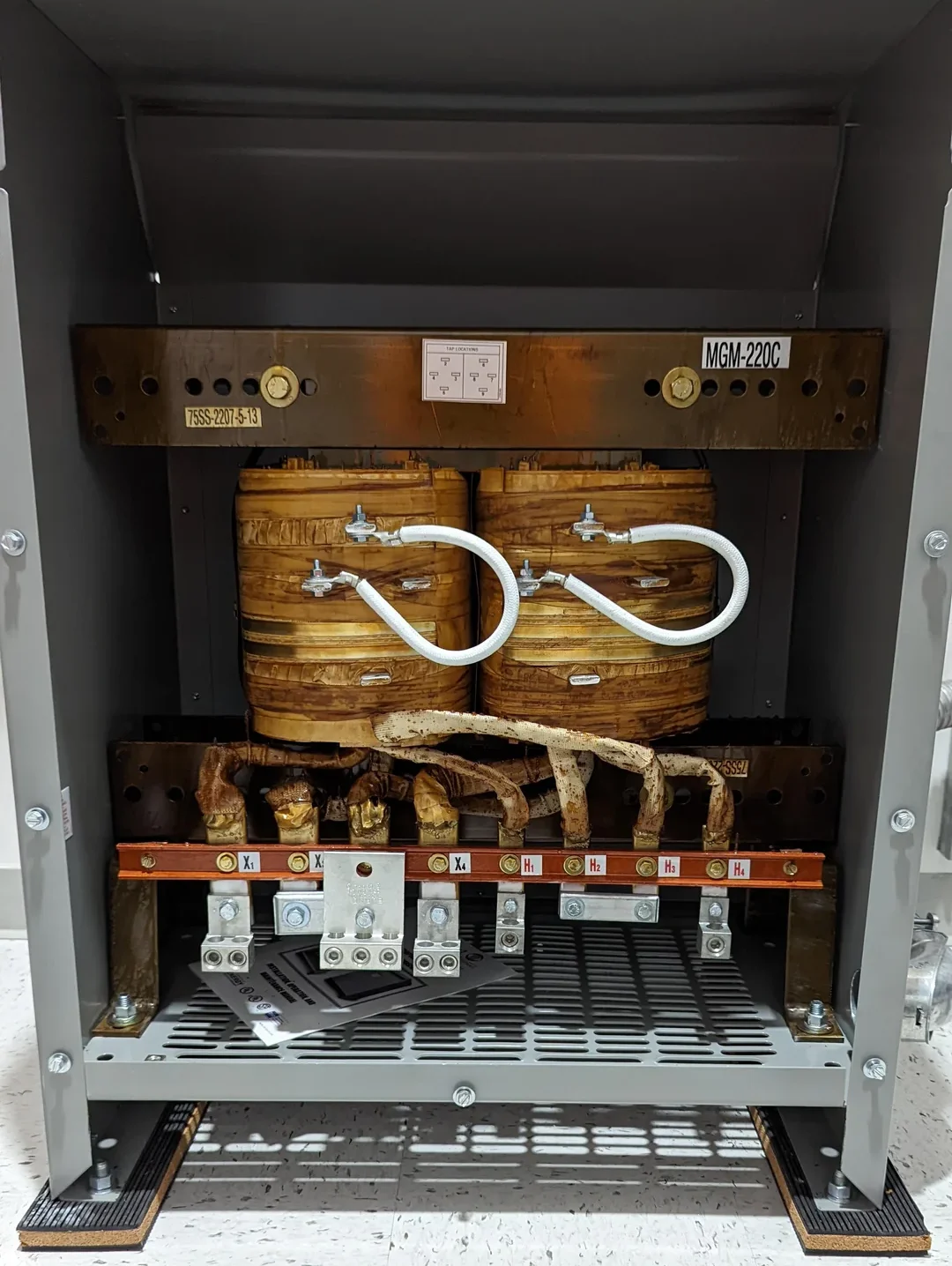
Common transformer evaluation items include:
- Winding resistance measurement for conductor quality verification.
- Insulation resistance testing for electrical safety evaluation.
- No-load and load loss testing for efficiency assessment.
- Voltage ratio testing for output accuracy confirmation.
- Temperature rise testing for thermal performance validation.
Practical Transformer Selection Process For Long-Term Power Reliability
A structured selection process helps industrial buyers reduce electrical risks and improve project efficiency. Engineers first collect accurate load information from connected equipment and evaluate kVA requirements, startup conditions, and future expansion plans. The selection process then confirms voltage specifications, protection requirements, and installation conditions before purchasing. Communication with experienced suppliers improves technical accuracy and reduces specification errors. Proper documentation supports future maintenance activities and equipment management. Careful planning also helps companies select a reliable single phase 480 to 240 transformer, reduce replacement costs, and support continuous production performance throughout the transformer service life. A detailed evaluation approach creates reliable power systems while maintaining safe electrical operation.
FAQ
How do I calculate the required kVA for a transformer?
Calculating required kVA starts with collecting equipment voltage and current information. Engineers multiply these values and divide the result by one thousand to determine apparent power. The calculation should include continuous loads, motor startup requirements, and possible future expansion. Power factor values also affect accuracy because inductive equipment consumes reactive power. Selecting suitable capacity prevents overheating and improves operational reliability. Engineers usually avoid operating transformers near maximum ratings because additional capacity improves thermal performance. A detailed load evaluation creates a balanced solution between energy efficiency, equipment protection, and investment cost.
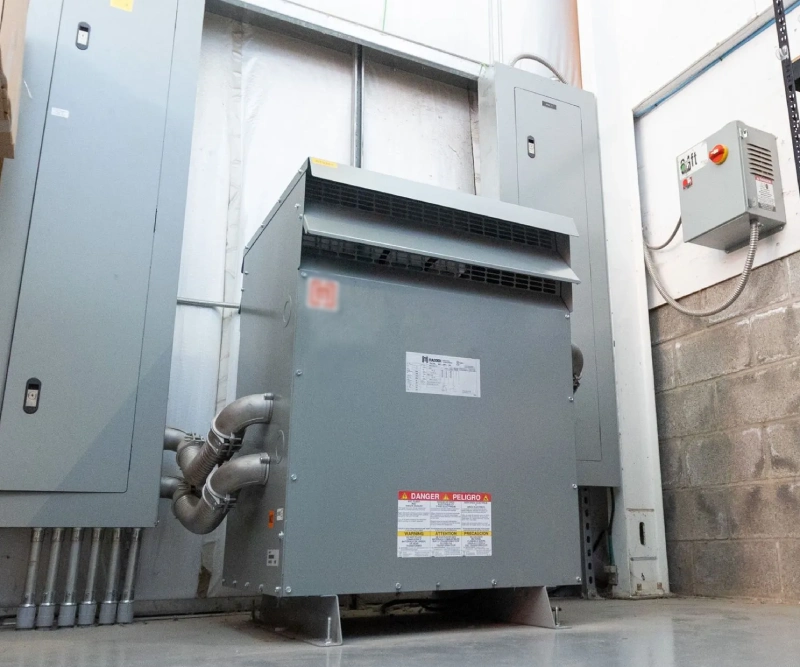
What happens when a transformer capacity is too small?
A transformer with insufficient capacity may experience overheating, voltage drops, and reduced service life. Excessive loading increases winding temperature and accelerates insulation deterioration. Sensitive industrial equipment may experience unstable operation when voltage levels fluctuate. Frequent overload conditions can also increase maintenance requirements and unexpected downtime. Engineers should evaluate actual operating conditions rather than relying only on basic equipment ratings. Correct capacity selection improves safety, efficiency, and reliability. Industrial buyers should review technical specifications carefully before installation because transformer performance affects the entire electrical system.
Should future expansion affect transformer sizing decisions?
Future expansion should influence transformer sizing because industrial power requirements often increase over time. New production equipment, automation systems, and additional controls may increase electrical demand. Selecting reasonable reserve capacity reduces replacement costs during facility upgrades. However, excessive oversizing can increase purchase expenses and reduce efficiency during low-load operation. Engineers should balance current requirements with expected growth and operating conditions. Proper planning creates a flexible electrical system that supports future development. A carefully selected transformer provides stable voltage conversion while maintaining efficient performance throughout changing industrial requirements.