
How Read A Three Phase Transformer Diagram Diagram?
-
Three phase transformer diagram explains wiring structure, vector groups, connections, and fault diagnosis in power systems.
Introduction to Transformer Schematic Interpretation
Electrical engineering teams rely on schematic drawings for power system analysis in industrial environments. A three phase transformer diagram provides clear visualization of voltage conversion between interconnected windings. Engineers use it to evaluate phase alignment, terminal mapping, and energy transfer behavior. Accurate interpretation reduces installation errors during commissioning. Industrial facilities depend on reliable drawings to maintain stable power distribution under varying loads. The diagram simplifies complex electromagnetic interactions into standardized symbols, improving coordination between design teams and field technicians.
Core Electrical Principles Behind Transformer Representation
Power system schematics convert electromagnetic behavior into standardized engineering symbols. A three phase transformer diagram expresses voltage levels, phase angles, and current direction in a structured format. Star and delta configurations define how electrical energy flows across phases. These configurations directly affect system balance and load distribution. Engineers evaluate winding relationships to confirm design consistency before installation. Magnetic coupling between coils is represented through simplified symbols. Proper interpretation supports stable operation in high load environments. Phase relationships are critical for ensuring synchronization across systems. This diagram format also helps compare design expectations with real operating conditions.
Connection Structures and Phase Configuration Logic
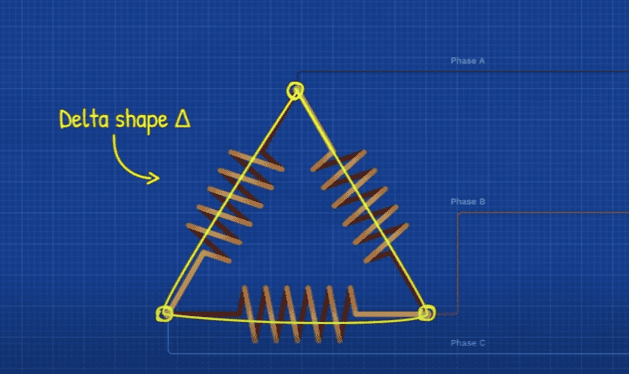
Transformer connection layouts define how electrical energy is distributed across circuits. Delta configurations form closed loop paths that support heavy industrial loads. Star configurations provide neutral grounding and improve operational stability. Engineers must verify terminal labeling to avoid wiring errors during installation. Phase sequence accuracy ensures correct motor rotation and system coordination. Incorrect interpretation can result in equipment failure or instability. Standardized symbols represent winding connections clearly. These visual conventions improve global engineering consistency. Proper reading of connection logic ensures reliable system construction. Field technicians frequently reference a three phase transformer diagram during wiring verification.
High Voltage Power Transmission Applications
Large scale transmission networks rely on accurate schematic interpretation. A 220 kv oil-immersed power transformer is commonly used in substations for long distance energy transfer. Its schematic shows insulation, cooling systems, and winding structures. Engineers use these drawings to control voltage reduction across grids and prevent overload conditions. Clear diagrams support reliable operation and system performance. Maintenance teams depend on them for fault detection and verification, ensuring stable and continuous power delivery across regions.

Medium Voltage Distribution System Design
Regional distribution systems require stable transformer coordination. A 66 kv oil-immersed power transformer is commonly used in industrial and urban networks. Its schematic shows winding structures, protection devices, and cooling components. Engineers analyze these diagrams to regulate voltage across distribution lines. Load balancing helps maintain system stability under varying demand. Cooling systems ensure safe thermal performance during continuous operation. Maintenance activities depend heavily on accurate schematic interpretation. Industrial plants rely on these systems for uninterrupted energy supply. Clear diagram reading reduces downtime during repair operations. Distribution planning frequently uses a three phase transformer diagram for operational alignment.
Core Components and Symbol Representation in Transformer Diagrams
| Component | Function | Symbol Representation |
|---|---|---|
| Magnetic Core | Transfers magnetic flux | Central linking lines |
| Primary Winding | Receives input voltage | Input coil symbol |
| Secondary Winding | Delivers output voltage | Output coil symbol |
| Cooling Unit | Maintains thermal stability | Fluid circulation marks |
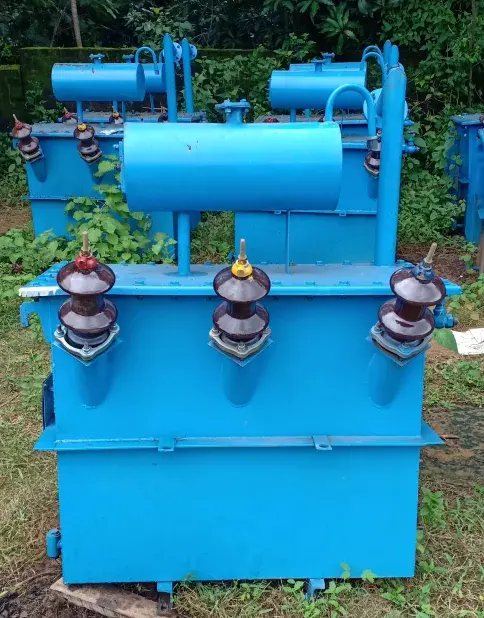
Each component plays a defined role in system operation. Engineers interpret symbols to evaluate electrical behavior. Clear schematic structure improves maintenance efficiency. Accurate representation reduces installation risks in industrial environments. This visual framework supports reliable power system management. The three phase transformer diagram is essential for linking electrical structure with physical equipment.
Key Performance Factors in Transformer Diagram Analysis
| Analysis Aspect | Engineering Focus | Operational Impact |
|---|---|---|
| Phase Alignment | Winding synchronization | System stability |
| Load Distribution | Current balancing | Efficiency improvement |
| Vector Group | Phase displacement | Grid compatibility |
This analytical structure helps engineers evaluate transformer performance. Each parameter influences system reliability. Proper interpretation supports stable industrial operation. Diagram-based assessment reduces configuration errors. A three phase transformer diagram is frequently applied in engineering audits.
Technical Standards and Engineering Compliance Rules
Electrical schematics follow international standards for consistent interpretation. IEC and ANSI frameworks define symbol usage and diagram structure. Vector group classification indicates phase displacement between windings. These codes ensure compatibility across global power systems. Engineers rely on standardized markings for system synchronization. Grounding and neutral connections are clearly defined within schematic layouts. Compliance with standards improves operational safety and reliability. Proper interpretation ensures alignment between design and execution phases. Standardization supports interoperability in industrial electrical engineering.
Vector Group Behavior and Phase Relationship Analysis
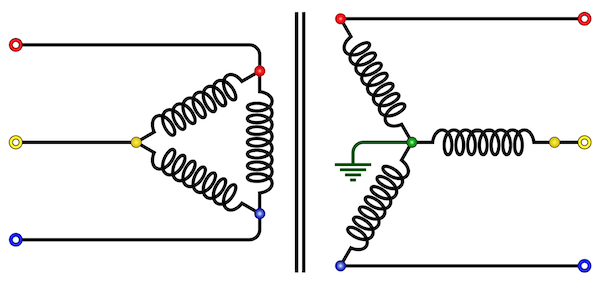
Transformer vector groups describe angular displacement between windings. These values determine how systems operate when interconnected. Engineers analyze vector codes during system design and configuration. Incorrect matching may cause circulating currents and inefficiency. Diagram notation provides clear phase shift identification.
These markings support synchronization across power networks. Proper evaluation ensures stable energy transfer between systems. Engineering teams use this information during planning stages. Accurate reading improves long term operational performance.
Fault Detection and Safety Interpretation Methods
Electrical schematics support system diagnostics and fault detection. Engineers use them to identify abnormal connections or failures. Misinterpretation can lead to operational hazards. Protective devices such as breakers and relays are clearly marked. These elements isolate faults during system disturbances. Validation procedures are performed before energizing equipment. Diagram accuracy directly affects maintenance safety. Engineers verify schematic data with field measurements. This process ensures secure system operation in industrial environments.
Engineering Workflow for Diagram Analysis
Professional engineers follow structured steps when reading schematics. They begin by identifying primary and secondary circuits. Phase relationships are then evaluated for system balance. Load distribution is checked to ensure stable operation. Technical annotations provide additional guidance during analysis. Engineers confirm labeling accuracy before installation. Field verification supports schematic reliability. Each step reduces configuration risk. Consistent workflow improves long term system stability. Proper analysis supports efficient industrial power management.
Conclusion on Transformer Diagram Interpretation Practice
Accurate schematic interpretation is essential in electrical engineering systems. Visual representations support safe and efficient energy transmission across networks. Engineers depend on structured diagrams for installation and maintenance tasks.Clear interpretation reduces system faults and operational risks. Standardized symbols improve communication between technical teams. Proper reading ensures stable performance in industrial power systems. Consistent methodology enhances grid reliability and safety. Diagram analysis remains a core requirement in modern electrical infrastructure planning.
FAQ
What is the main purpose of transformer schematic interpretation?
Transformer schematics provide a structured visual representation of electrical energy transfer. They help engineers analyze voltage transformation between windings. These diagrams simplify complex electromagnetic behavior into readable symbols. This supports accurate installation and system maintenance. Engineers use them to verify phase alignment and connection integrity. Proper interpretation reduces operational risks in industrial environments. It also improves coordination between design and field teams. Reliable reading ensures safe and stable power system operation. A three phase transformer diagram is commonly used as the reference base in this process.
How are delta and star connections identified in electrical diagrams?
Delta connections appear as closed loop triangular structures in schematics. Star connections show a central neutral point with branching lines. These symbols represent different electrical behaviors in power systems. Engineers analyze terminal markings to confirm correct configuration. Accurate identification ensures stable load distribution. Incorrect interpretation may cause system imbalance or damage. Standard labeling improves clarity in schematic reading. These visual cues support safe installation practices. A three phase transformer diagram is often used to confirm connection accuracy in field work.
Why is vector classification important in transformer systems?
Vector classification defines phase displacement between windings. It ensures compatibility when connecting multiple systems together. Incorrect matching can lead to circulating currents and inefficiencies. Schematic codes display phase shift values clearly for engineers. These values guide system synchronization during operation. Proper interpretation improves grid stability and performance. It also supports safe parallel transformer operation. Engineering teams rely on these markings for system design accuracy. A three phase transformer diagram is essential for verifying vector group consistency before energization.