
How Is Dry Type Transformer Application Used Across Industries?
-
Dry type triplex transformers use three single-phase units to deliver flexible, safe, and reliable power for modern distribution systems.
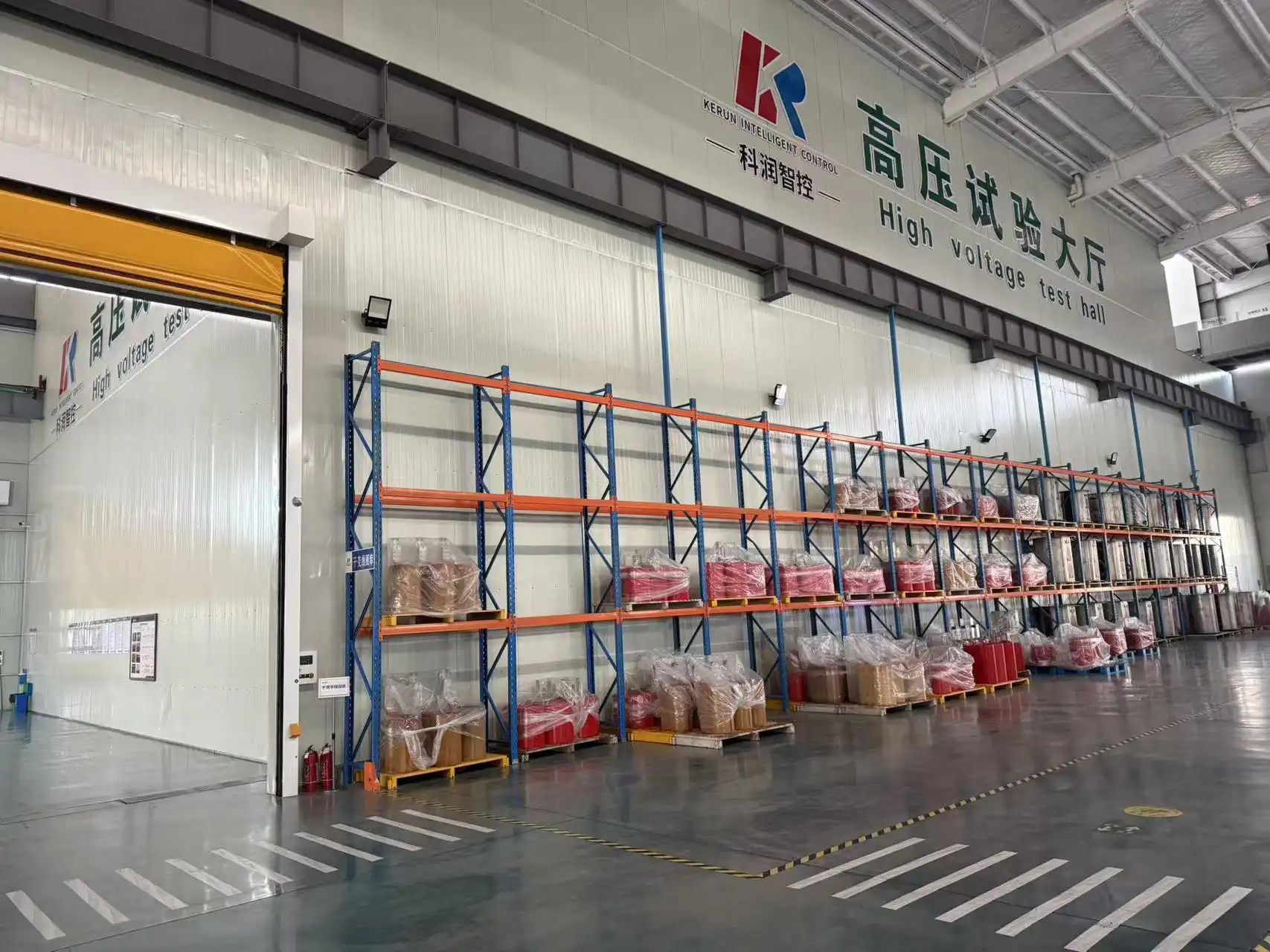
Why Do Different Industries Rely on Dry Type Transformers?
Dry type transformers serve diverse industries because safety and installation flexibility matter across modern facilities. Many sectors operate indoors where oil-filled equipment introduces unacceptable risks. A dry type transformer eliminates oil leakage concerns through solid insulation systems. Engineers often prioritize fire resistance, ventilation compatibility, and environmental compliance. These factors explain why dry type transformer adoption continues to expand across industries. Each application scenario demands tailored electrical performance rather than generic solutions. Load profiles, ambient temperature, and space limitations differ significantly between sectors. As a result, industry-based application analysis becomes essential when selecting transformer solutions. This perspective focuses on real operating conditions rather than theoretical specifications alone.
How Do Commercial Buildings Use Dry Type Transformers?
Commercial buildings require stable power distribution within enclosed environments. Shopping centers, office towers, and mixed-use complexes often locate transformers inside electrical rooms. Dry type transformers fit these layouts because they operate without oil containment systems. Fire codes in commercial buildings impose strict requirements on electrical equipment. Solid insulation and low flammability ratings support regulatory compliance. Noise control also plays a major role in occupied spaces. Modern dry type transformers offer optimized core designs that reduce audible sound. These advantages allow placement closer to load centers, improving voltage regulation and reducing cable losses. Facility managers value predictable operation with minimal intervention.
What Makes Dry Type Transformers Suitable for Industrial Facilities?
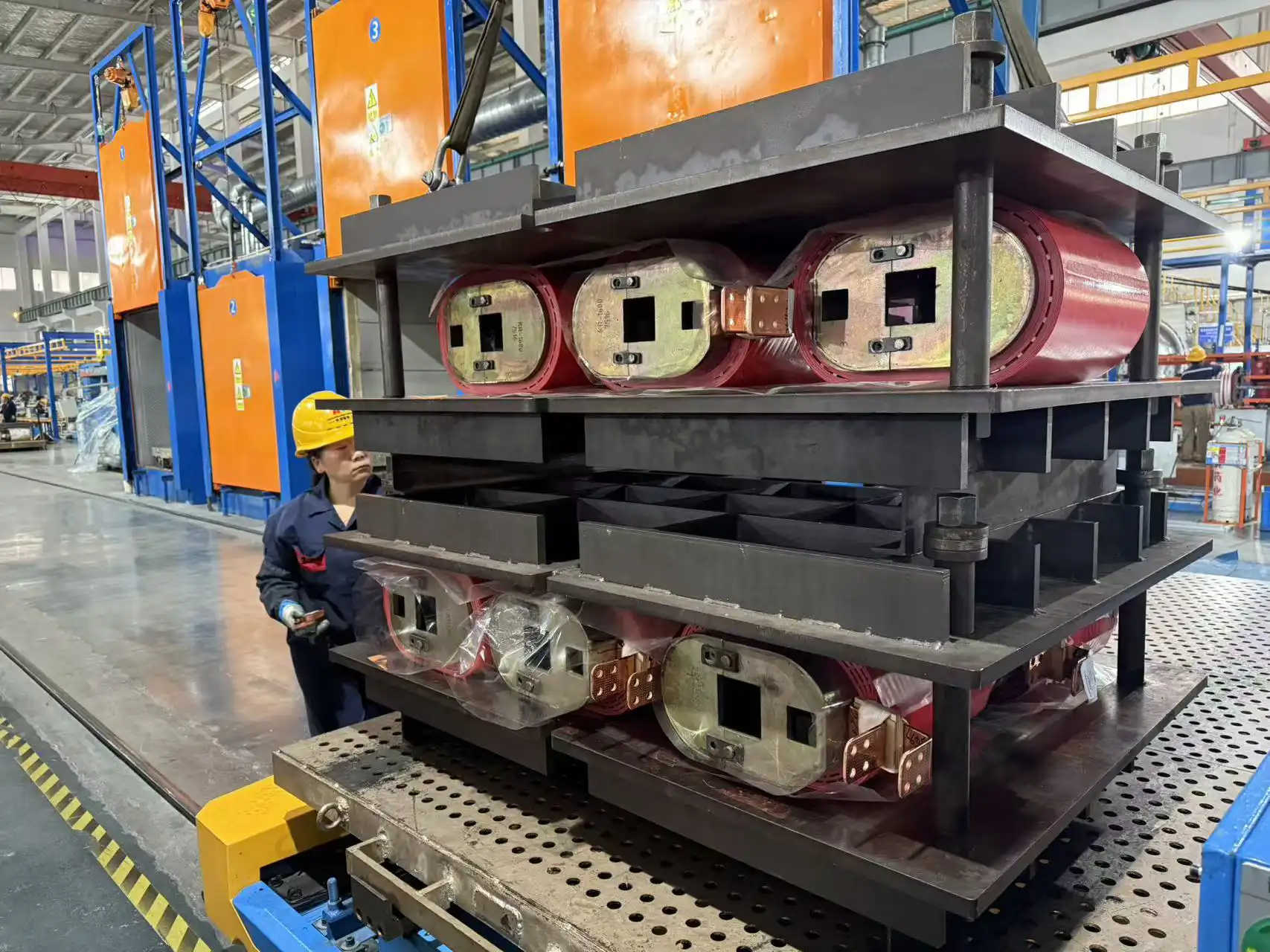
Industrial facilities present demanding electrical conditions with continuous and fluctuating loads. Manufacturing plants operate heavy machinery that generates heat and harmonics. Dry type transformers handle these environments through reinforced insulation systems. Many designs support higher thermal classes, allowing stable operation under sustained stress. Industrial sites also prefer oil-free equipment due to safety policies and insurance considerations. Maintenance teams benefit from simplified inspection procedures without oil sampling. The absence of liquid insulation reduces contamination risks within production zones. For factories with indoor substations, dry type transformers provide reliable power transformation while meeting internal safety standards.
Which Industries Depend Most on Dry Type Transformer Applications?
The table below compares major industries and their primary dry type transformer applications.
| Industry | Primary Application | Key Requirements | Why Dry Type Transformers Fit |
|---|---|---|---|
| Commercial Buildings | Indoor power distribution | Fire safety, low noise | Oil-free design reduces fire risk and noise |
| Manufacturing | Process equipment power | Thermal stability, durability | Stable insulation under continuous load |
| Data Centers | Critical IT power supply | High reliability, uptime | No oil leakage risk near sensitive equipment |
| Healthcare | Medical systems and emergency power | Safety, continuity | Non-flammable insulation meets hospital standards |
| Renewable Energy | Voltage transformation and grid connection | Environmental compliance | Eco-friendly and indoor-friendly installation |
| Transportation | Railway and airport power systems | Compact design, fire resistance | Suitable for confined and high-traffic spaces |
Application requirements vary by sector: commercial and healthcare prioritize fire resistance, industrial sites require thermal endurance, data centers focus on reliability and uptime, transportation demands compact and safe designs, and renewable energy emphasizes environmental compatibility. These differences require dry type transformer designs tailored to specific industries.
Why Are Dry Type Transformers Critical in Data Centers?
Data centers operate under zero-tolerance conditions for downtime. Electrical systems support servers, cooling units, and redundancy architectures. Dry type transformers provide safe voltage transformation near sensitive equipment. Oil-filled alternatives pose unacceptable contamination risks in server halls. Operators favor dry type units due to predictable thermal behavior. Advanced insulation systems maintain stability under variable loads. Low partial discharge characteristics further protect connected electronics. Placement flexibility allows integration into modular power rooms. These benefits align with data center priorities for uptime, scalability, and operational transparency.
How Do Healthcare Facilities Apply Dry Type Transformers?
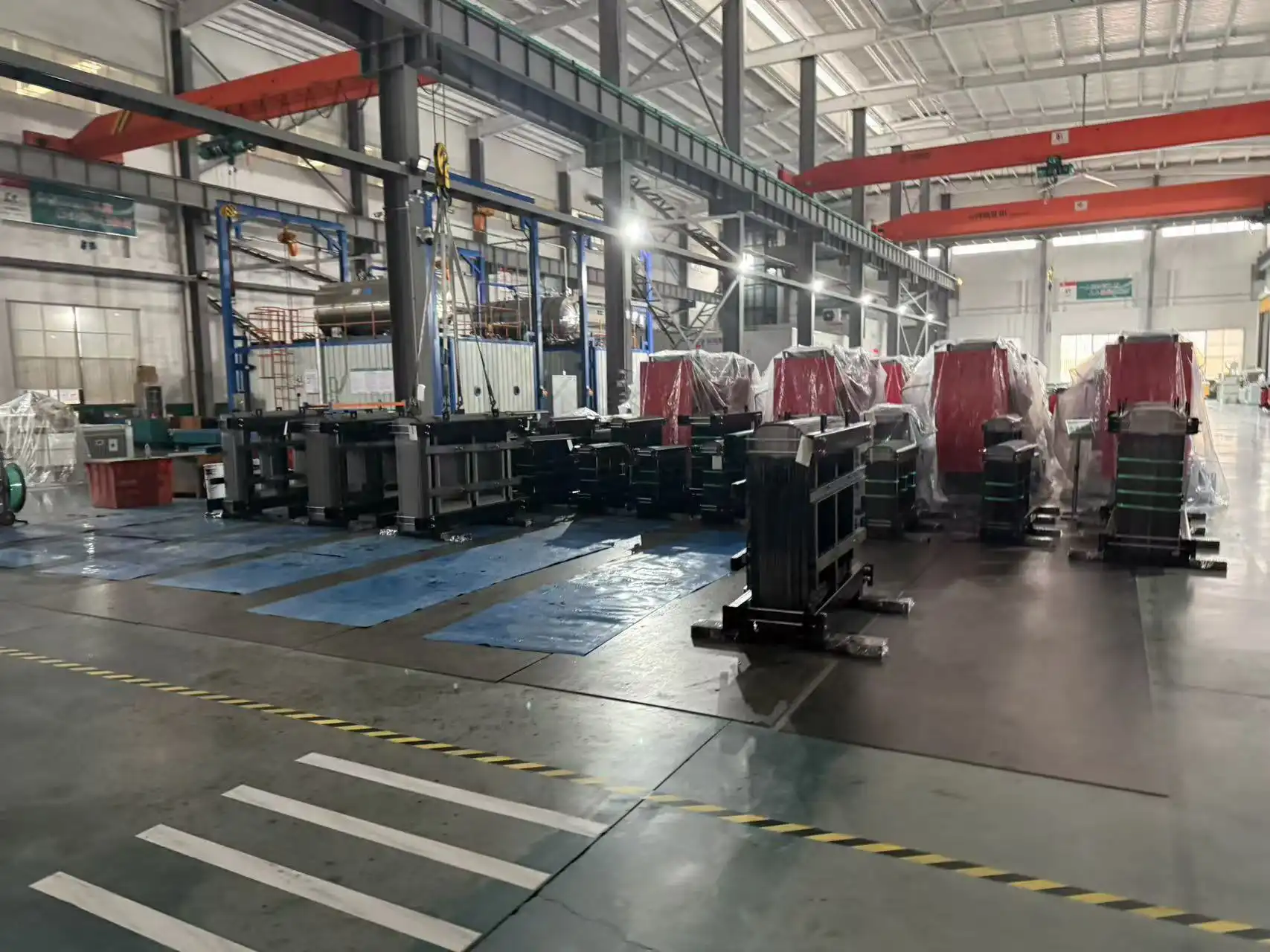
Healthcare facilities require uninterrupted and safe power delivery. Hospitals operate life-support systems and diagnostic equipment continuously. Dry type transformers align with strict safety codes in medical environments. Oil-free construction eliminates fire propagation risks in patient areas. Designers often install transformers close to critical loads. This approach improves response time during emergency switching. Low noise operation supports patient comfort and clinical accuracy. Maintenance schedules remain predictable without fluid-related checks. Healthcare administrators prefer equipment that balances safety, reliability, and regulatory acceptance.
What Role Do Dry Type Transformers Play in Renewable Energy Systems?
Renewable energy installations rely on controlled voltage transformation for grid integration. Solar plants and wind facilities often deploy indoor substations. Dry type transformers support these layouts through compact and eco-friendly designs. Environmental regulations discourage oil usage near sensitive ecosystems. Solid insulation prevents leakage risks during long-term operation. Variable generation profiles demand transformers with strong thermal performance. Dry type units handle fluctuating loads without oil degradation concerns. These attributes make them suitable for sustainable energy projects seeking compliance and durability.

How Do Transportation Systems Use Dry Type Transformers?
Transportation infrastructure requires reliable power in high-traffic environments. Railways, metros, and airports house electrical equipment near public areas. Dry type transformers reduce fire hazards in confined spaces. Compact dimensions allow integration within tunnels or terminal buildings. Vibration-resistant construction supports continuous movement nearby. Designers value predictable cooling without liquid containment systems. These features support safe power distribution across critical transportation networks. Passenger safety remains a core consideration in transformer selection.
Which Specifications Matter Most by Industry?
The following table outlines specification priorities across industries.
| Industry | Capacity Focus | Insulation Class | Cooling Preference |
|---|---|---|---|
| Commercial Buildings | Low to medium kVA | Class F or H | AN (Air Natural) |
| Industrial Plants | Medium to high kVA | Class H | AF (Air Forced) |
| Data Centers | Medium kVA with redundancy | Class H | AN or AF |
| Healthcare Facilities | Medium kVA | Class F or H | AN with low noise design |
| Renewable Energy | Project-based capacity | Class H | AF for load variation |
This table demonstrates how specification priorities shift by application. Capacity selection depends on load density and redundancy strategies. Insulation class reflects thermal and safety expectations. Cooling preferences balance noise, efficiency, and space constraints. Industry-based evaluation prevents overdesign or underperformance. Engineers benefit from matching transformer parameters with actual operating conditions.
How Should Engineers Select Dry Type Transformers by Industry?
Transformer selection begins with understanding application context. Engineers evaluate load patterns, ambient temperature, and installation location. Industry regulations influence insulation and enclosure requirements. Operational continuity often dictates redundancy strategies. Space availability affects cooling method decisions. Noise sensitivity matters in occupied environments. By aligning these factors, engineers avoid unnecessary complexity. Industry-focused selection improves lifecycle performance and cost control. Dry type transformers offer flexibility across sectors when properly specified.
What Trends Are Shaping Industry Applications of Dry Type Transformers?
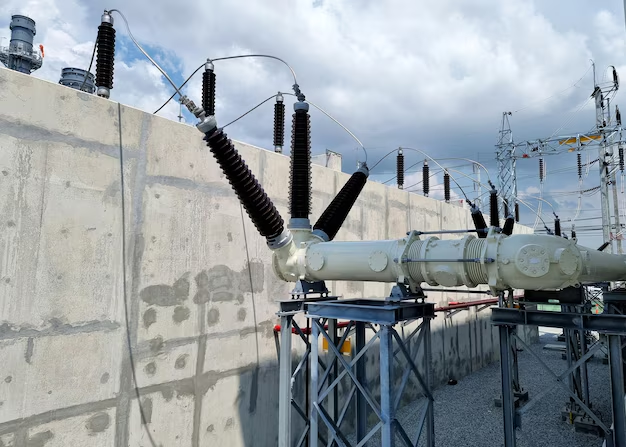
Industry adoption continues to expand as safety standards tighten. Urban construction favors indoor substations with oil-free equipment. Data growth accelerates transformer demand in digital infrastructure. Renewable energy investments increase decentralized power systems. These trends reinforce dry type transformer relevance across industries. Future designs emphasize efficiency and monitoring integration. Application-driven innovation will shape transformer development paths.
FAQ About Dry Type Transformer Application by Industry
Is a dry type transformer suitable for all indoor industrial environments?
Dry type transformers suit many indoor industrial environments, but selection depends on operating conditions. Factories with high ambient temperatures require higher insulation classes. Facilities with harmonic loads need designs that handle additional heating. Space limitations influence cooling method choices. Engineers must consider enclosure protection levels when dust or moisture exists. While oil-free construction improves safety, ventilation remains essential. Proper specification ensures reliable performance within industrial settings.
Why do data centers prefer dry type transformers over oil-filled units?
Data centers prioritize safety and uptime above all factors. Dry type transformers remove oil leakage risks near servers. Solid insulation reduces contamination concerns during operation. Predictable thermal behavior supports continuous load cycles. Maintenance procedures remain straightforward without fluid monitoring. Compact placement near power distribution units improves efficiency. These advantages align with data center operational goals.
How does industry type affect dry type transformer lifespan?
Industry type influences thermal stress, load variability, and environmental exposure. Manufacturing plants often impose continuous heavy loads. Commercial buildings experience variable daily demand. Renewable energy systems introduce fluctuating generation patterns. These factors affect insulation aging rates. Proper specification extends service life regardless of industry. Matching transformer design to application conditions remains critical.