
How Does A Single Phase And Three Phase Transformer Work?
-
Single phase and three phase transformer enables efficient voltage conversion for industrial power systems and distribution networks.
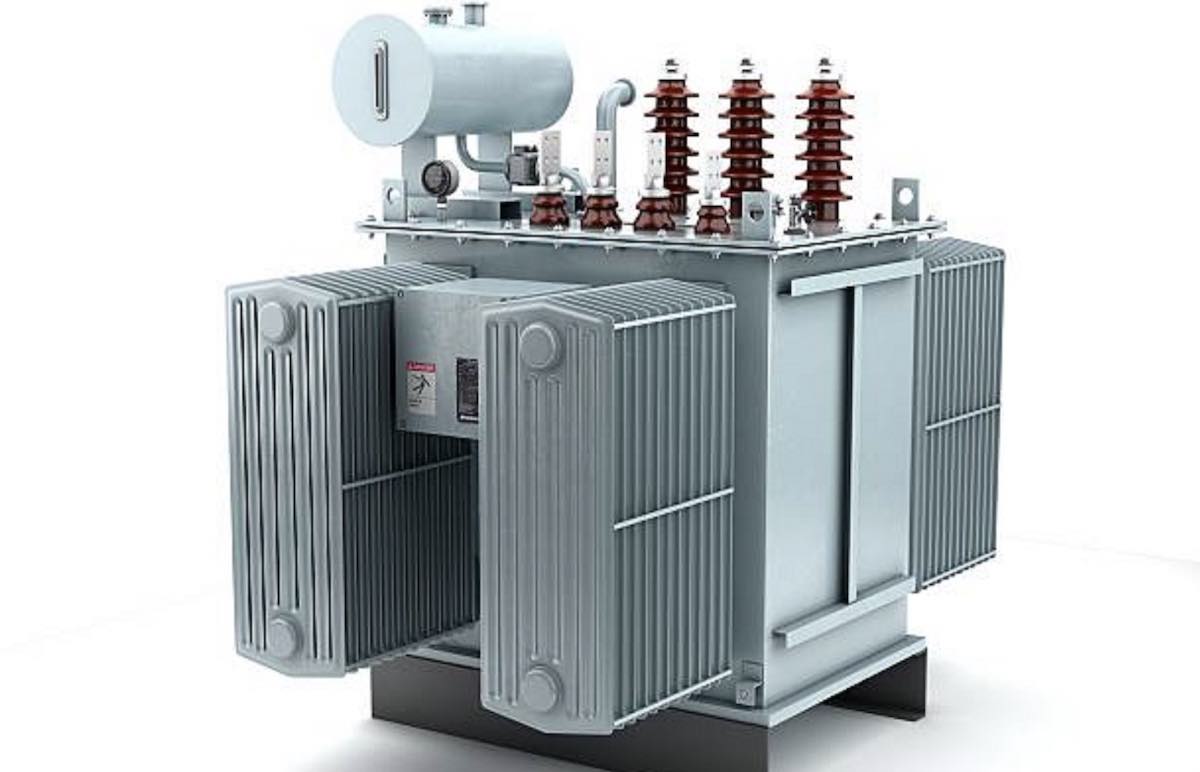
Industrial facilities rely on stable voltage conversion for continuous production flow. Electrical infrastructure supports machinery, automation, and control systems. Power distribution networks require adaptable transformer configurations for varied load conditions. Engineers design systems to reduce transmission loss and improve stability. Manufacturing plants often depend on reliable step up and step down operations. Electrical safety and efficiency remain primary design priorities in modern grids. The single phase and three phase transformer plays a central role in these environments. It supports both light commercial systems and heavy industrial operations. Demand for scalable power solutions continues to increase globally. Energy reliability directly impacts production cost and operational uptime across sectors.
Fundamental Working Principles of Single Phase and Three Phase Transformer Core Systems
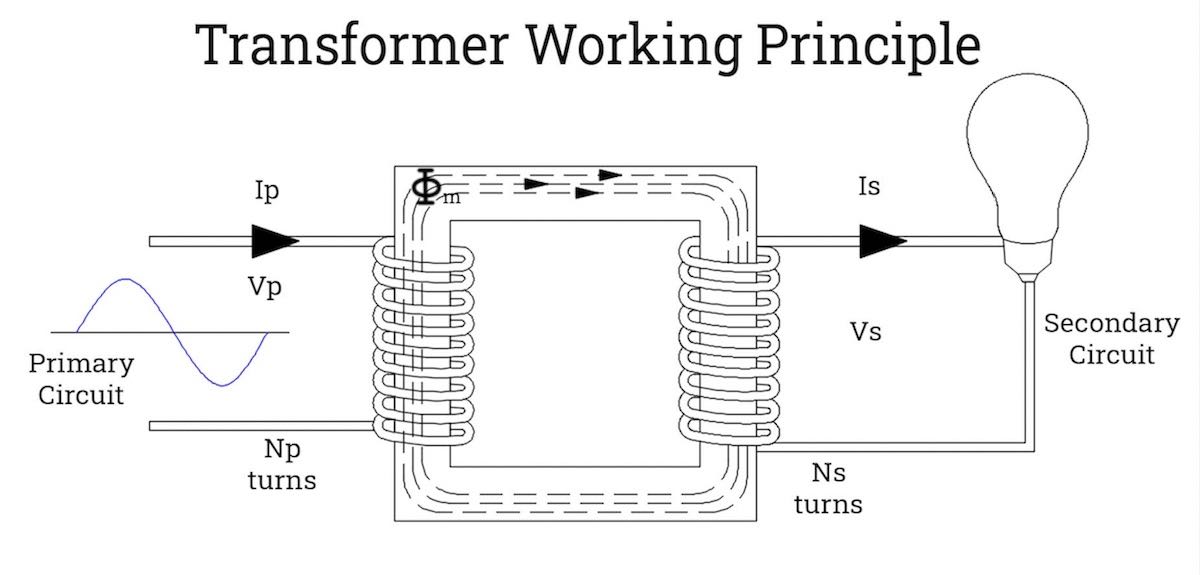
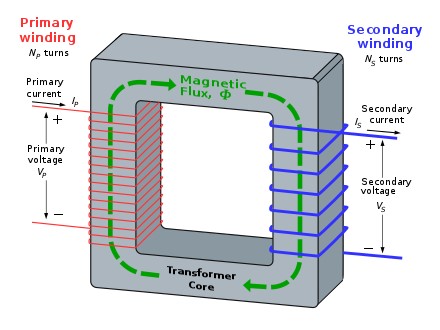
A transformer operates through electromagnetic induction between primary and secondary windings. Alternating current generates a magnetic field inside a laminated core structure. This field transfers energy without direct electrical connection. Voltage levels change based on coil turns ratio design. Engineers optimize core material to reduce hysteresis loss. Copper windings improve conductivity and thermal performance under load.
The single phase and three phase transformer often supports different grid configurations depending on demand. In heavy infrastructure, systems may integrate a 110 kv oil-immersed power transformer for high voltage transmission stability. These systems ensure long distance energy delivery with reduced loss. Magnetic flux balance remains essential for performance consistency. Proper insulation prevents breakdown under high electrical stress conditions. Industrial design focuses on efficiency, durability, and thermal management across operating cycles.
Working Mechanism in Single Phase and Three Phase Power Flow Systems
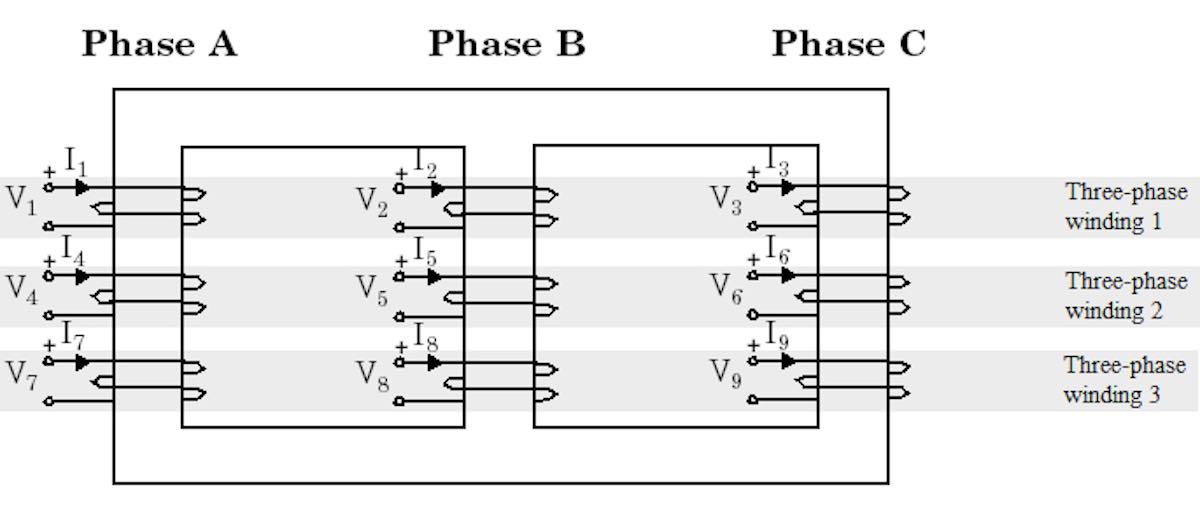
Single phase systems deliver power through one alternating waveform cycle. Three phase systems distribute load across three synchronized waveforms. This structure improves efficiency and reduces voltage fluctuation. Balanced load distribution enhances motor performance and system stability. Engineers prefer three phase configurations in industrial environments.
The single phase and three phase transformer adjusts energy transfer according to system architecture. Coil arrangement determines phase separation and output consistency. Magnetic coupling ensures stable voltage transformation under variable demand. Industrial control systems rely on predictable output behavior. Harmonic distortion is minimized through balanced phase design. Cooling systems support continuous operation under high load conditions.
Transformer Construction and Internal Engineering Design Elements
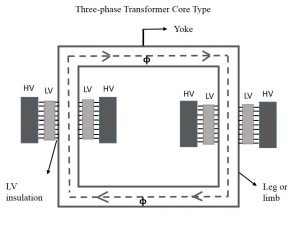
Transformers include core assemblies, primary windings, secondary windings, and insulation layers. Laminated steel cores reduce eddy current losses effectively. Winding conductors use copper or aluminum materials depending on design. Insulation systems protect against thermal and electrical breakdown. Cooling methods include air and oil circulation mechanisms. Mechanical housing ensures structural integrity in harsh environments.The single phase and three phase transformer varies winding complexity. Core geometry influences magnetic efficiency and handling capacity. Thermal sensors monitor internal temperature conditions continuously. Vibration control improves long term mechanical stability. Engineering precision in 220 kV Oil-Immersed Power Transformer ensures consistent output performance across duty cycles.
Technical Performance Comparison of Transformer Power Systems
Efficiency differences exist between single phase and three phase systems. Three phase configurations deliver smoother power output under load variation. Single phase systems suit smaller scale electrical applications. Load balancing improves energy distribution in multi phase networks. Industrial users prioritize reduced energy loss and higher output stability.
| Parameter | Single Phase System | Three Phase System |
|---|---|---|
| Power Stability | Moderate | High |
| Load Capacity | Low to Medium | High |
| Efficiency | Lower | Higher |
Performance metrics highlight structural advantages in multi phase systems. Engineers select configurations based on operational requirements and cost efficiency.
Industrial Applications of Transformer Systems in Power Distribution Networks
Transformers support manufacturing plants, infrastructure projects, and energy grids. Voltage regulation ensures safe machine operation across facilities. Power continuity reduces downtime in automated production lines. Electrical distribution requires scalable and reliable equipment selection. Maintenance planning improves system longevity and performance stability.
A single phase and three phase transformer is widely used in factories and commercial complexes. Load requirements determine installation type and configuration strategy. High capacity systems support heavy industrial machinery and processing units. Energy management systems optimize consumption across multiple departments. Engineers design layouts for maximum efficiency and safety compliance standards.
Efficiency Optimization and Energy Loss Control Mechanisms
Energy loss occurs through core heating and copper resistance. Engineers minimize losses using advanced lamination techniques. Cooling systems regulate temperature during continuous operation cycles. Power factor correction improves electrical efficiency across networks. Material selection influences long term performance stability.
Common optimization strategies include:
- Improved core steel composition
- Enhanced winding insulation materials
- Advanced cooling system integration
- Load balancing across phases
- Regular maintenance inspection cycles
These methods ensure stable operation in demanding environments. Efficiency improvements reduce operational costs significantly in industrial systems.
Selection Criteria for Industrial Transformer Deployment
Selecting a transformer depends on voltage level, load demand, and environment conditions. Engineers evaluate short circuit strength and insulation class ratings. Thermal performance plays a key role in long term operation. Installation space also influences configuration decisions.
The single phase and three phase transformer must match system capacity requirements precisely. Incorrect sizing leads to inefficiency and equipment stress. Electrical compatibility ensures smooth integration into existing grids. Safety margins protect against overload conditions. Engineering teams conduct detailed load analysis before deployment decisions.
Safety Standards and Compliance Requirements in Transformer Engineering
International standards govern transformer engineering design and verification processes. IEC 60076 defines power transformer construction, ratings, and test requirements. IEEE C57 series establishes similar rules for North American systems. These frameworks specify insulation coordination, temperature rise limits, and load capability ratings. Routine tests include winding resistance measurement and voltage ratio verification. Type tests cover lightning impulse and power frequency withstand performance. Special tests evaluate short circuit mechanical strength and thermal endurance. Partial discharge measurement ensures insulation integrity under high stress conditions. Grounding design follows IEC 60364 safety principles for fault protection. Protective relays coordinate fault isolation within milliseconds. Factory acceptance testing confirms compliance before shipment. Detailed documentation supports traceability across production stages. Certification ensures global regulatory acceptance and operational safety reliability.
Installation Practices and Maintenance Engineering Strategies
Proper installation ensures stable transformer performance under load. Engineers position units to optimize cooling and accessibility. Cable connections must follow standardized torque specifications. Grounding systems reduce electrical hazards effectively. Routine inspections detect early signs of wear or failure.
Maintenance schedules include oil testing, insulation checks, and thermal monitoring. Cleaning procedures prevent dust accumulation and overheating risks. Predictive maintenance improves system lifespan significantly. Technicians use diagnostic tools for real time performance analysis. Preventive care reduces unexpected downtime in industrial environments.
System Integration of Single Phase and Three Phase Transformer in Power Networks
Power networks combine multiple transformer types for flexible distribution. Load balancing improves grid efficiency across regions. Industrial plants integrate systems based on energy demand patterns. Voltage regulation stabilizes output across fluctuating loads. Smart grids enhance monitoring and control capabilities.
The single phase and three phase transformer enables hybrid configuration strategies in modern infrastructure. Systems coordinate energy flow between production units and distribution nodes. Automation improves operational accuracy and reduces manual intervention. Real time monitoring ensures performance stability across networks.
List of Key Engineering Advantages in Transformer Systems
- High voltage conversion efficiency
- Stable load distribution performance
- Reduced transmission energy loss
- Scalable industrial integration design
- Long operational lifespan under load
Each advantage contributes to improved system reliability. Engineering design focuses on durability and efficiency optimization. Industrial users benefit from reduced maintenance costs and stable output performance.
This paragraph explains how system design supports the advantages listed above. Engineers align material selection and core geometry with performance goals. Thermal control systems ensure stability under continuous operation. Electrical balance improves energy distribution across phases. Maintenance strategies reinforce long term operational reliability in industrial environments.
Installation and Operational Performance Considerations for Industrial Systems
Proper system installation affects long term transformer performance. Engineers evaluate site conditions before deployment begins. Cooling airflow design prevents overheating during peak load periods. Cable routing minimizes electromagnetic interference risks. Grounding systems protect against fault currents effectively.
Monitoring systems track voltage stability and temperature variation. Operators adjust load conditions based on demand fluctuations. Predictive analytics improve system efficiency and reliability. Industrial facilities depend on consistent energy supply for uninterrupted production.
Conclusion of Transformer Engineering Value in Modern Electrical Infrastructure
Transformer systems form the backbone of modern power distribution networks. Industrial growth depends on stable and efficient energy conversion. Engineering advancements continue to improve performance and safety standards. System integration supports global energy demands effectively. Reliable infrastructure ensures long term industrial sustainability.
FAQ
What is the main difference between single phase and three phase transformer usage
Single phase systems use one alternating voltage cycle for smaller loads. Three phase systems distribute power across three synchronized cycles. This improves stability and efficiency in industrial environments. Three phase systems support heavier machinery and continuous operations.
Single phase systems are common in residential and light commercial usage. Load balancing is more effective in three phase configurations. Energy loss is generally lower in multi phase systems. Engineers select systems based on operational demand and infrastructure scale. Industrial facilities prefer three phase systems for reliability. Proper configuration ensures long term performance stability.