
How Does a 3 Phase Oil Immersed Power Transformer Improve Stability?
-
How a 3 phase oil immersed power transformer improves stability through balanced structure, oil cooling, and transmission-level design.
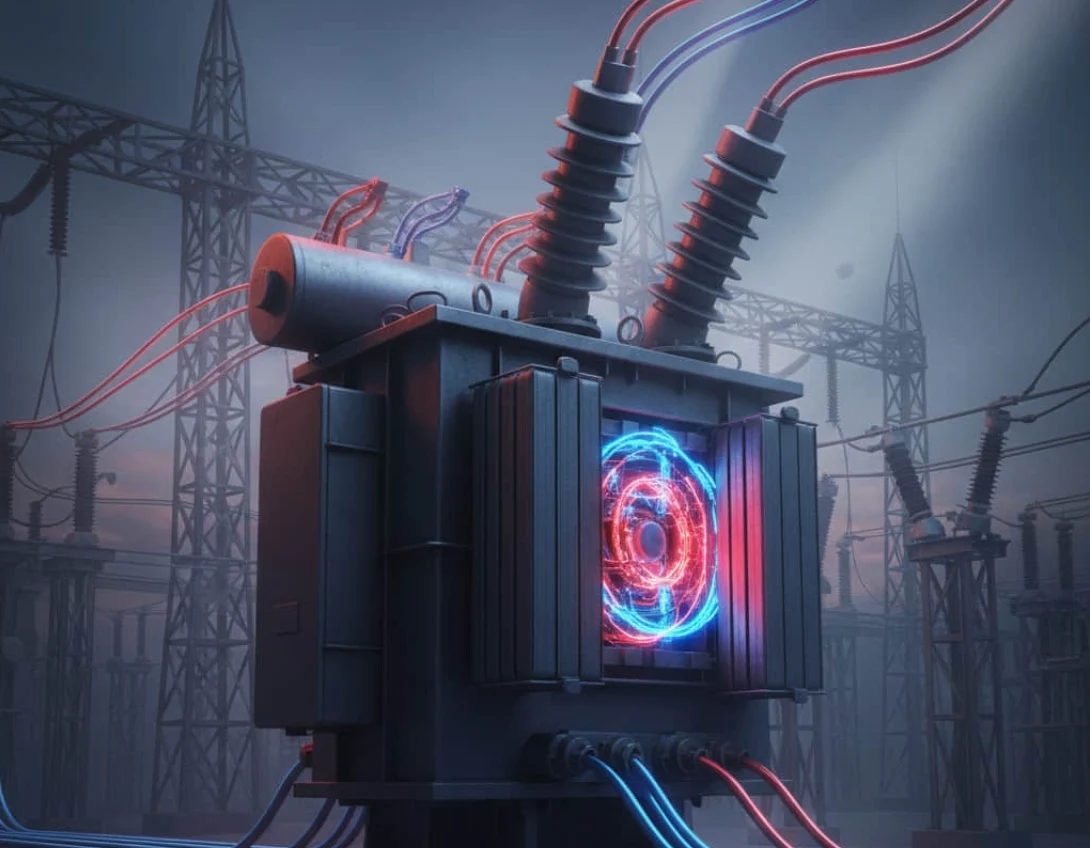
Why Three-Phase Architecture Matters for Power System Stability
Modern power networks rely on balanced energy transmission. Single-phase systems struggle under heavy industrial demand. Three-phase architecture distributes electrical load evenly. This balance reduces voltage fluctuation across the network. A 3 phase oil immersed power transformer supports this equilibrium. Its internal structure aligns with symmetrical load flow. Stable phase interaction improves overall grid reliability. Power systems with three-phase transformers experience fewer harmonic disturbances. Stability remains consistent during peak operation cycles. These advantages explain widespread adoption in transmission environments.
What Defines a 3 Phase Oil Immersed Power Transformer?
A 3 phase oil immersed power transformer integrates three windings within a shared magnetic core. Each phase operates with a 120-degree phase shift. Oil immersion surrounds all active components. This design enables unified cooling and insulation. Compared to single-phase units, three-phase transformers reduce material redundancy. The oil medium ensures thermal consistency across phases. Electrical symmetry becomes easier to maintain. This configuration supports high-capacity power transfer in substations.
How Three-Phase Design Enhances Electrical Balance
Electrical balance depends on equal phase impedance. Three-phase transformers maintain uniform voltage distribution. Load changes affect all phases proportionally. This proportional response minimizes imbalance risk. Oil immersion stabilizes winding temperatures. Temperature stability preserves impedance consistency. Reduced imbalance leads to smoother current flow. Grid operators value this predictability. Balanced systems lower stress on downstream equipment.
Structural Advantages of Three-Phase Oil Immersed Transformers
-
Shared magnetic core reduces flux leakage
-
Compact winding arrangement improves efficiency
-
Unified oil cooling stabilizes thermal behavior
-
Lower material usage compared to three single-phase units
-
Simplified installation and alignment
Why These Structural Advantages Support System Stability
Structural integration influences electrical behavior. Shared cores promote magnetic balance. Compact designs shorten electrical paths. Shorter paths reduce reactance variation. Unified cooling prevents localized overheating. Consistent temperature avoids phase drift. Lower material usage simplifies mechanical stress distribution. Installation accuracy improves due to fewer components. Each factor contributes to stable long-term operation.
How Oil Immersion Strengthens Three-Phase Performance
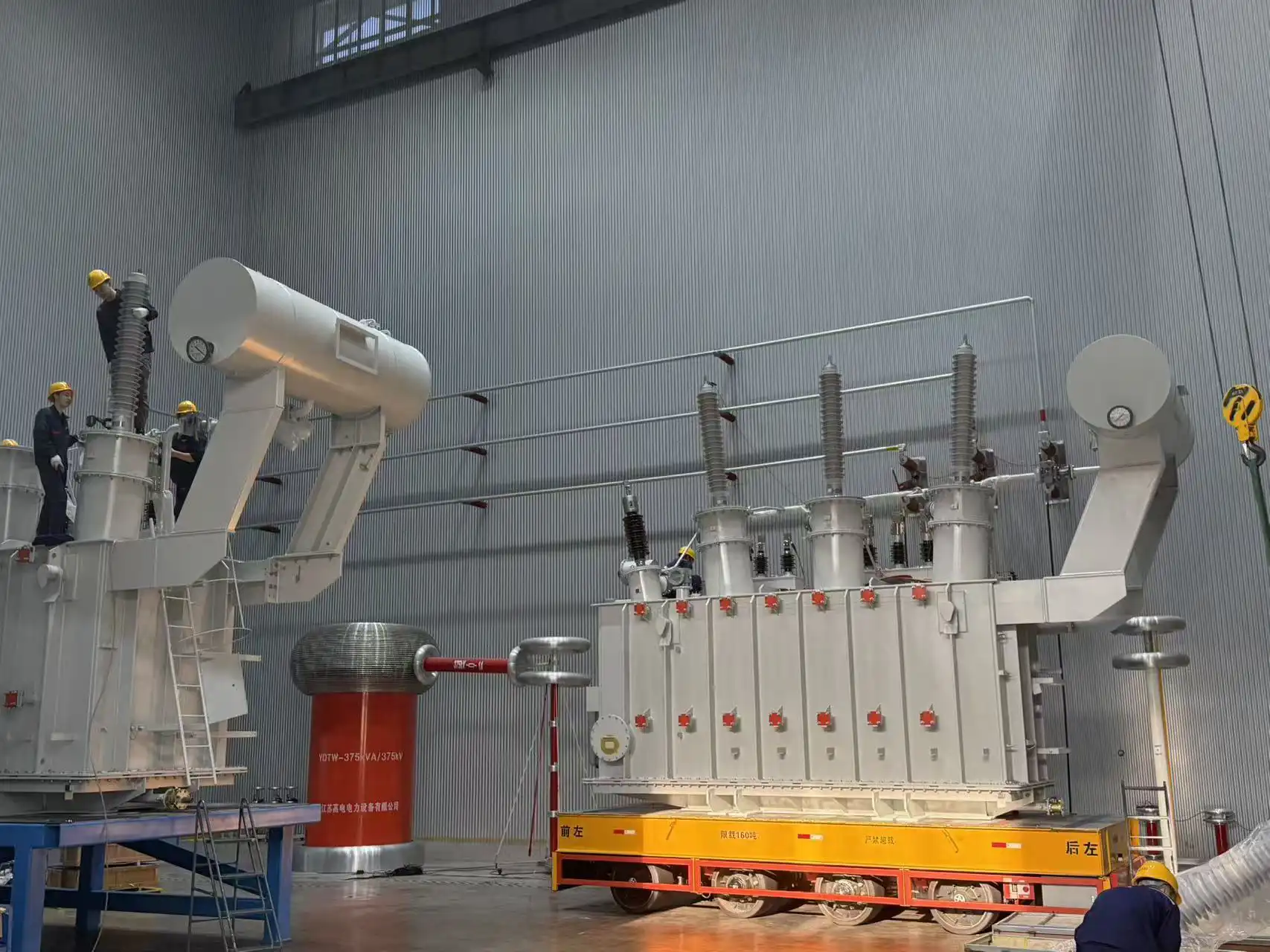
Oil immersion plays a critical role in three-phase transformers. Oil absorbs heat evenly from all windings. Even heat distribution prevents phase temperature deviation. Insulation strength remains uniform under high voltage stress. Oil also dampens vibration during load changes. Mechanical damping protects winding alignment. Stable alignment preserves electromagnetic symmetry. These properties enhance phase coordination under fluctuating loads.
Why Three-Phase Transformers Outperform Single-Phase Units in Power Networks
Single-phase transformers require parallel operation for high capacity. Parallel units increase complexity and imbalance risk. Three-phase transformers consolidate power handling. Consolidation simplifies control and protection systems. Efficiency improves due to reduced losses. Maintenance planning becomes easier. Oil immersed three-phase designs handle continuous high load better. Transmission networks benefit from this robustness.
Typical Applications of 3 Phase Oil Immersed Power Transformers
-
Transmission substations
-
Large industrial facilities
-
Power generation interconnections
-
High-capacity grid nodes
-
Regional energy distribution hubs
How These Applications Benefit from Three-Phase Stability
Transmission substations require constant voltage control. Industrial facilities demand steady power for heavy machinery. Generation interconnections handle fluctuating output. Grid nodes balance regional supply and demand. Three-phase transformers stabilize these scenarios. Oil immersion ensures thermal resilience. Structural symmetry maintains electrical consistency. These applications rely on predictable performance.

Three-Phase vs Single-Phase Oil Immersed Transformers
| Aspect | Three-Phase Transformer | Single-Phase Transformer |
|---|---|---|
| Load Balance | Inherently balanced | Requires parallel matching |
| Installation | Single integrated unit | Multiple separate units |
| Cooling Efficiency | Uniform oil circulation | Independent cooling paths |
| Space Requirement | Compact footprint | Larger combined footprint |
| Operational Stability | High under heavy load | Lower under imbalance |
How This Comparison Guides Transformer Selection
Engineers consider network complexity during selection. Three-phase units simplify system architecture. Single-phase setups introduce coordination challenges. Cooling efficiency affects long-term stability. Space constraints influence substation design. Operational stability remains a priority. Three-phase oil immersed transformers address these factors effectively.
How Three-Phase Transformers Support Power Transformer Functions
Power transformers operate at transmission voltage levels. Three-phase designs align with this role. High capacity demands balanced electromagnetic behavior. Oil immersion supports continuous rated operation. These transformers regulate voltage between generation and distribution. Stability at this stage protects downstream systems. Three-phase oil immersed transformer power transformer designs dominate primary substations. Their structure matches transmission requirements precisely.
Why Three-Phase Configuration Reduces System Losses
Loss reduction improves network efficiency. Three-phase transformers minimize copper and core losses. Balanced currents prevent localized heating. Oil cooling maintains optimal operating temperature. Lower losses extend insulation lifespan. Reduced stress improves reliability. Transmission systems benefit from energy savings at scale. Efficiency gains accumulate over time.
Why Three-Phase Oil Immersed Transformers Enhance Grid Stability
Three-phase oil immersed power transformers improve stability through balanced design. Structural integration supports electromagnetic symmetry. Oil immersion ensures thermal consistency. These factors reduce voltage fluctuation and loss. Compared to single-phase solutions, three-phase units offer superior reliability. Transmission and high-capacity networks depend on this performance. Their role within the broader Power Transformer category remains fundamental.

FAQ
Why does a three-phase oil immersed power transformer improve voltage stability?
Voltage stability depends on balanced phase behavior. Three-phase transformers distribute load evenly across windings. Oil immersion maintains uniform temperature. Uniform temperature preserves electrical impedance. This consistency prevents phase drift under load changes. Transmission networks benefit from predictable voltage levels. Stability protects sensitive equipment and improves system reliability.
Is a three-phase transformer always better than single-phase units?
Three-phase transformers suit high-capacity networks. Single-phase units work for smaller loads. Parallel single-phase setups introduce complexity. Load imbalance risks increase with parallel operation. Three-phase designs simplify control and protection. Oil immersed configurations further enhance reliability. Application context determines suitability.
How does oil immersion affect three-phase transformer lifespan?
Oil immersion reduces thermal stress on windings. Lower stress slows insulation aging. Even cooling prevents hot spots. Mechanical damping protects internal alignment. These factors extend service life. Regular oil maintenance sustains performance. Three-phase oil immersed transformers achieve long operational duration.