
How Do You Wire Three Phase Transformer Wiring Safely?
-
Three phase transformer wiring safety and connection methods for industrial systems, installation steps and testing overview.
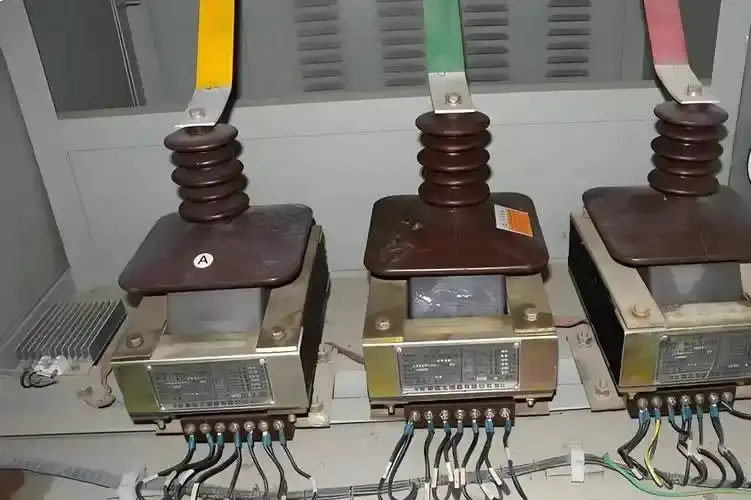
Three phase transformer wiring plays a critical role in industrial power distribution systems. Engineers focus on correct phase alignment to prevent equipment damage and voltage imbalance. Safety planning begins before any physical installation starts on-site. Proper documentation ensures consistent procedures across different industrial projects. Electrical teams evaluate load requirements before selecting transformer configurations. Grounding systems reduce fault risks and improve operational stability in high voltage environments. Insulation quality directly impacts long term transformer reliability under heavy load conditions. Technicians follow strict wiring diagrams to avoid phase reversal issues. Field inspections confirm connection integrity before energizing systems. Industrial environments demand strict compliance with international electrical standards.
Core Electrical Configuration Principles in Industrial Power Systems
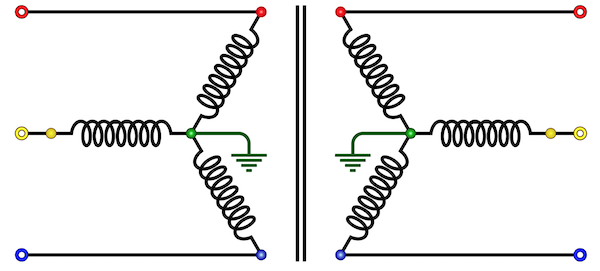
Core electrical configuration principles define how three phase transformer wiring operates in industrial networks. Star and delta connections determine voltage behavior across distribution systems. Engineers calculate phase displacement to optimize power efficiency. Correct sequencing prevents overheating and mechanical stress inside windings. Design teams consider harmonic distortion during system planning stages. Voltage stability depends on balanced load distribution across all phases. Industrial standards guide conductor sizing and insulation selection. Protective devices ensure safe shutdown during abnormal electrical conditions. System calibration improves long term operational reliability. Proper documentation supports maintenance teams during troubleshooting operations. Field engineers verify connections using standardized measurement tools. Thermal monitoring systems detect early signs of overload conditions. Accurate configuration reduces energy loss across transmission networks.
Phase Balancing Techniques in Industrial Transformer Networks
Phase balancing techniques improve efficiency in three phase transformer wiring systems. Balanced loads reduce overheating and extend equipment lifespan. Engineers measure current distribution across all three phases regularly. Uneven loads cause vibration and increase operational risks. Correct cable sizing supports stable energy transfer between phases. Monitoring devices track phase variations in real time operations. Control systems adjust loads automatically in advanced installations. Industrial substations rely on precise balancing for safety compliance. Voltage fluctuations decrease when phases remain evenly distributed. Maintenance teams recalibrate systems during scheduled shutdown periods. Proper grounding also contributes to improved phase stability. Advanced simulation tools help engineers predict imbalance scenarios.
Voltage Distribution Behavior in Three Phase Systems
Voltage distribution behavior affects three phase transformer wiring performance in industrial grids. Each phase carries equal load under ideal operating conditions. System imbalance leads to overheating and reduced efficiency. Engineers monitor voltage levels using precision measuring instruments. Load fluctuations require adaptive system control mechanisms. Electrical noise increases when wiring configuration is incorrect. Proper shielding minimizes electromagnetic interference in sensitive equipment. Distribution panels regulate voltage across connected circuits. Circuit breakers protect systems from sudden overload events. Routine testing ensures stable voltage output across phases. Temperature monitoring improves reliability in long term operation. Accurate wiring reduces phase distortion in heavy load systems. Industrial engineers validate system performance under peak demand conditions.
High Voltage Transformer Integration in Industrial Networks
High voltage systems often connect through three phase transformer wiring in large industrial facilities. Power plants use advanced transformers to manage energy transfer efficiently. The 110 kv oil-immersed power transformer supports heavy transmission networks with stable insulation performance. Engineers design cooling systems to handle thermal stress in high voltage operations. Oil insulation improves dielectric strength and reduces internal arcing risks. Field technicians inspect bushings and connectors before energizing equipment. Safety protocols ensure controlled startup during commissioning phases. Load testing verifies system stability under full operational capacity. Maintenance schedules reduce failure risks and extend transformer lifespan. Monitoring sensors provide real time data for performance optimization. Proper grounding ensures operator safety during maintenance work. Advanced diagnostics detect insulation degradation early.
Essential Installation Checklist for Transformer Wiring Systems
Installation teams follow strict procedures to ensure safe electrical commissioning in industrial environments.
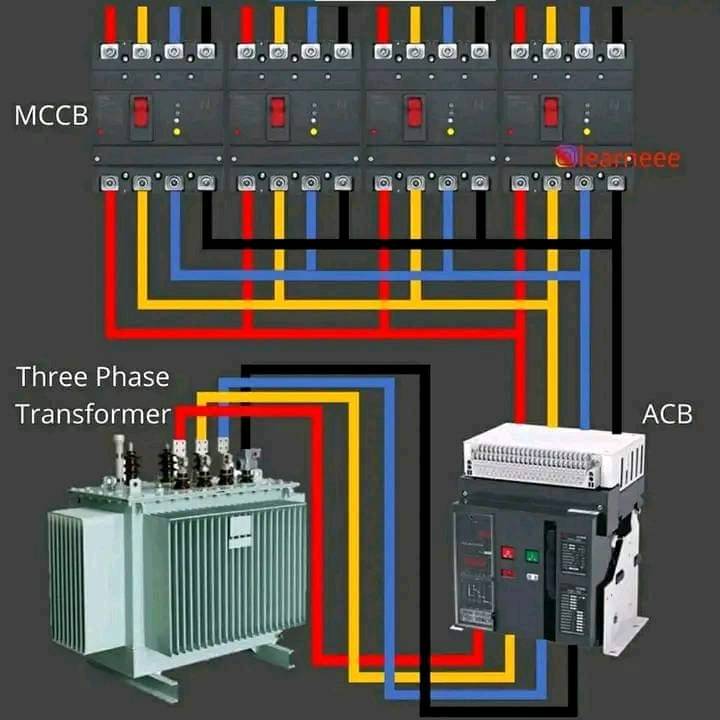
- Verify all phase connections match engineering diagrams before energization.
- Check insulation resistance using calibrated megger testing equipment.
- Inspect grounding continuity across all structural components.
- Confirm torque values on all terminal connections.
- Ensure cooling system operation before full load testing.
- Validate protective relay settings according to system design.
- Review safety clearance distances around high voltage panels.
- Test phase sequence indicators for correct rotation direction.
- Inspect oil levels in transformer tanks before energizing.
- Confirm labeling accuracy on all wiring terminals.
- Conduct final visual inspection of cable routing paths.
- Record all measurements for compliance documentation purposes.
Installation verification ensures long term stability in three phase transformer wiring systems. Each checklist item supports system reliability and operator safety. Engineers rely on structured inspection steps to prevent commissioning errors. Accurate verification reduces downtime in industrial production environments. Field teams document every measurement for traceability and compliance. Electrical faults often originate from overlooked connection details. Systematic validation reduces risk during high voltage energization. Proper documentation helps future maintenance and troubleshooting processes. Quality control teams review installation records before system approval. Standardized procedures improve consistency across multiple industrial sites. Safety audits confirm adherence to electrical engineering standards. Continuous improvement feedback enhances installation efficiency over time.
Comparison of Industrial Transformer Connection Methods
Engineers compare connection methods to optimize performance and reliability in industrial transformer systems.
| Connection Type | Voltage Behavior | Application | Advantages |
|---|---|---|---|
| Star Connection | Balanced phase voltage distribution | Distribution networks | Stable neutral reference |
| Delta Connection | Higher phase current handling | Industrial motors | No neutral required |
| Zig-Zag Connection | Harmonic reduction | Power conditioning systems | Improved waveform stability |
Star and delta configurations dominate industrial distribution networks. Selection depends on load type and voltage requirements. Proper design improves energy efficiency across systems.
Interpretation of Connection Performance Data in Industrial Systems
Data comparison supports decision making in three phase transformer wiring applications. Engineers evaluate efficiency differences between connection types. Performance metrics include voltage stability and thermal behavior. 10 kv oil-immersed transformer system configuration choices. Maintenance teams rely on historical records for diagnostics. Accurate interpretation reduces operational risks in power networks. Load balancing remains a critical factor in system performance. Electrical engineers adjust configurations based on demand patterns. System upgrades improve long term energy distribution efficiency. Proper training ensures accurate analysis of transformer behavior. Advanced monitoring tools enhance predictive maintenance capabilities. Consistent evaluation improves overall grid reliability. Field engineers continuously refine system performance strategies.
Transformer Fault Diagnosis Parameters and Testing Methods
Diagnostic testing ensures safe operation and reliability in industrial transformer systems.
| Test Type | Purpose | Method |
|---|---|---|
| Insulation Resistance Test | Check dielectric strength | Megger testing |
| Turn Ratio Test | Verify winding accuracy | Voltage comparison |
| Thermal Imaging | Detect hotspots | Infrared scanning |
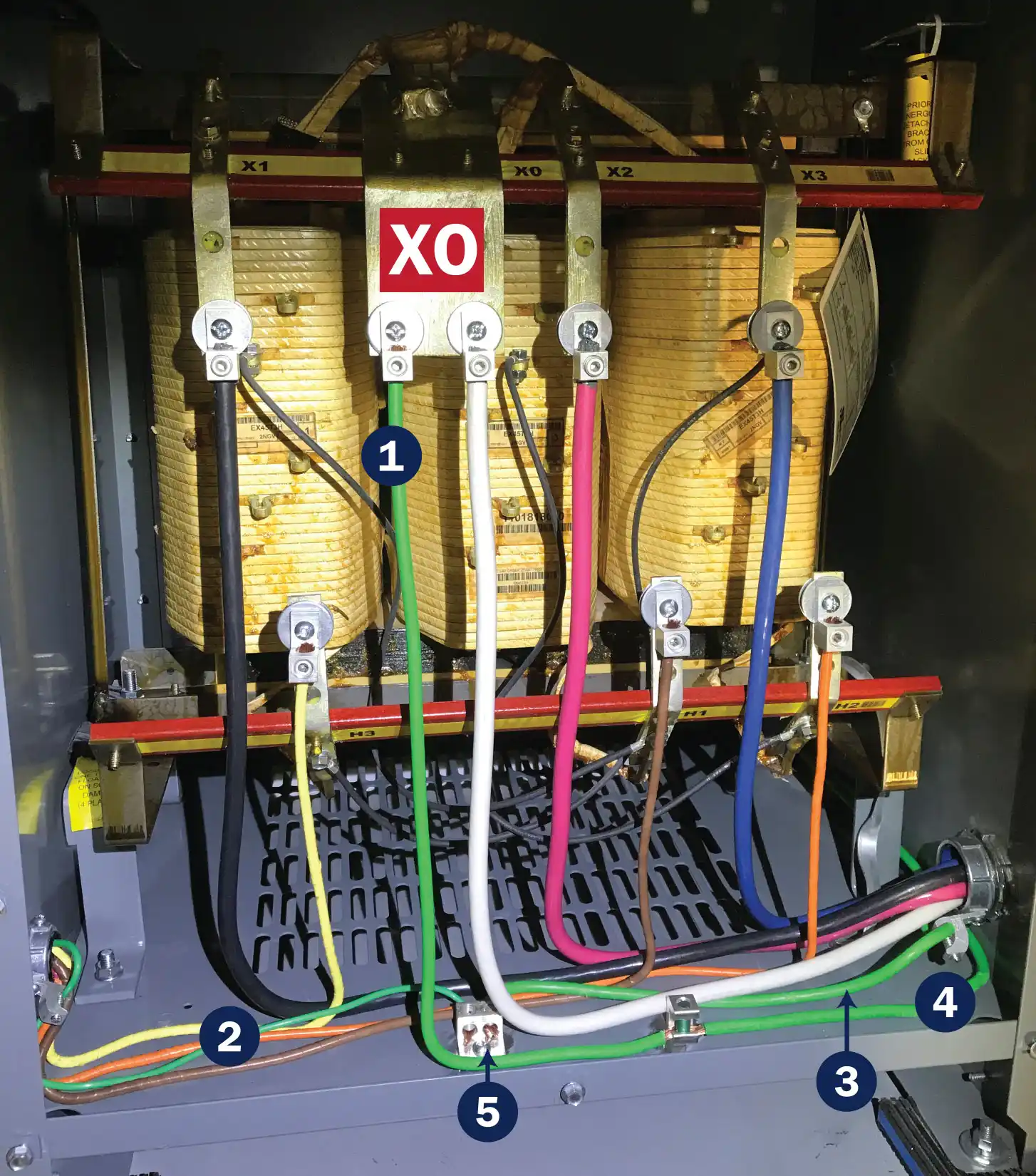
Testing procedures identify insulation and winding faults early. Thermal imaging detects abnormal heat distribution patterns. Routine inspection prevents unexpected system failures.
Importance of Continuous Monitoring in Industrial Transformer Systems
Continuous monitoring improves reliability in industrial transformer operations. Sensors track temperature, voltage, and load conditions in real time. Early detection prevents severe equipment damage and downtime. Engineers analyze data trends to optimize system performance. Remote monitoring systems support large scale power networks. Automation reduces manual inspection requirements significantly. Predictive maintenance strategies extend equipment service life. Industrial facilities benefit from reduced operational costs. Accurate data collection enhances system decision making. Control centers respond quickly to abnormal system behavior. Proper calibration ensures accuracy of monitoring instruments. Regular updates improve software based diagnostic tools. Industrial safety improves through consistent system oversight. Data driven decisions enhance transformer operational stability.
FAQ
What is the correct sequence for wiring a three phase transformer?
Correct wiring sequence begins with reviewing manufacturer diagrams carefully. Technicians identify phase labels before any physical connection starts. Each conductor must match designated terminals precisely. Grounding connections are installed before energizing the system. Phase sequence testing ensures correct rotational direction. Insulation checks prevent accidental short circuits during startup. Engineers verify torque values on all terminal bolts. Final inspection confirms system readiness for energization. Incorrect sequencing can cause equipment damage and operational failure. Field teams use calibrated instruments for verification procedures. Safety protocols require lockout and tagout before work begins. Documentation ensures traceability for future maintenance activities. Proper training reduces human error during installation tasks.
What are the most common wiring mistakes in industrial transformers?
Common wiring mistakes include incorrect phase identification during installation. Loose terminal connections often lead to overheating issues. Improper grounding increases risk of electrical faults significantly. Technicians sometimes reverse phase sequence accidentally during setup. Incorrect torque application damages connection points over time. Insufficient insulation checking leads to unexpected short circuits. Labeling errors create confusion during maintenance operations.
Skipping verification steps reduces system reliability and safety. Engineers mitigate risks through strict procedural compliance standards. Regular training reduces frequency of installation errors. Quality audits identify recurring configuration problems. Proper documentation supports accurate troubleshooting processes. Systematic inspection improves overall electrical safety performance.
How do engineers verify correct transformer wiring after installation?
Engineers verify wiring using phase sequence and voltage tests. Multimeters measure voltage across each phase connection. Insulation resistance testing confirms safety compliance standards. Load simulation checks system behavior under operational conditions. Thermal imaging identifies abnormal heating patterns. Visual inspection ensures proper cable routing and labeling. Protective relay testing validates system response accuracy. Final energization occurs under controlled supervision conditions. Documentation records all measured parameters for compliance. Engineers cross check results with design specifications. Any deviation triggers corrective maintenance actions. Safety officers supervise final approval procedures. Proper verification ensures long term operational reliability. Standardized procedures reduce installation uncertainty significantly.