GET A QUOTE

Chinese Stock code : 920062

GET A QUOTE

M

Building the future

How Can We Help You Today?

Whether it’s a general inquiry, a request for a quote, or detailed project information, we look forward to connecting with you.

13 + 5 =

Tel / WhatsApp

+86-570-4982-888

Stock code : 920062

Kerun Intelligent Control

BLOG

Blog

  1. Home
  2. Dry Type Transformer
  3. How Do You Size Three-Phase Transformer For Your Load?

≡ Blog Categories

  • Blog
Please enable JavaScript in your browser to complete this form.

How Can We Help You Today?

Whether it’s a general inquiry, a request for a quote, or detailed project information, we look forward to connecting with you.

How Do You Size Three-Phase Transformer For Your Load?

Apr 10, 2026

How Do You Size Three-Phase Transformer For Your Load?

  • Optimize power systems by accurately sizing your three-phase transformer for specific load requirements. Ensure efficiency and reliability.
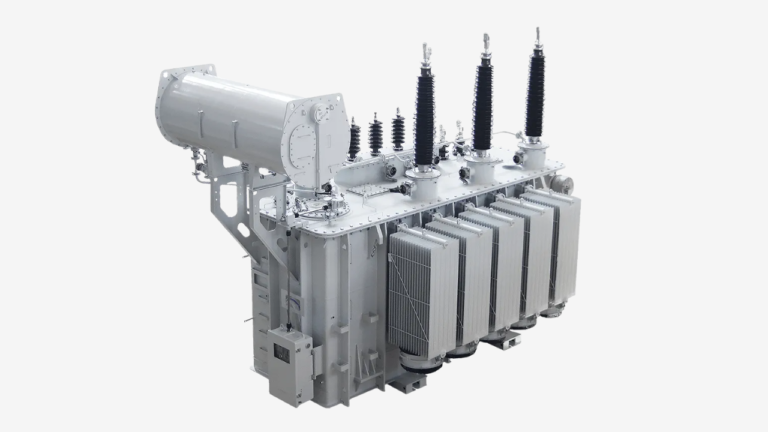
Three Phase Transformers

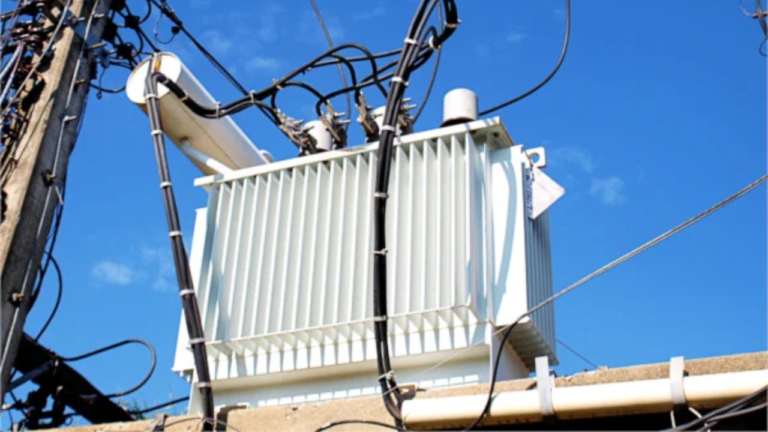
Selecting the correct three-phase transformer is crucial for efficient power distribution. These devices alter voltage levels in electrical systems. They are fundamental components in industrial and commercial settings. A properly sized transformer prevents overheating and power losses. It also ensures the longevity of connected equipment. Incorrect sizing leads to operational inefficiencies and potential failures. This initial step sets the foundation for a stable electrical infrastructure. Engineers meticulously evaluate system demands. They ensure every component aligns with operational goals. This careful planning avoids costly future adjustments.

Key Factors Influencing Transformer Sizing
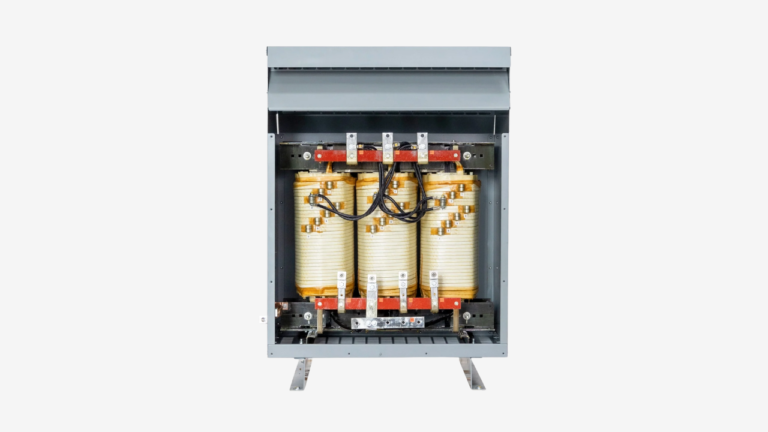
Several critical factors dictate the appropriate transformer size. The total connected load is paramount in this calculation. Voltage requirements for both primary and secondary sides must be precise. Future expansion plans also influence the initial sizing decision. Environmental conditions, such as ambient temperature, play a significant role. Altitude and ventilation affect cooling capabilities. These elements collectively determine the transformer’s capacity. Overlooking any factor can compromise system stability. A comprehensive assessment ensures optimal performance. It safeguards against unexpected operational challenges.
Medium Three Phase Transformers 768x432
Factor Description Impact on Sizing
Connected Load Total power demand from all equipment. Directly determines KVA requirement.
Voltage Levels Primary and secondary voltage specifications. Ensures compatibility with utility and load.
Load Growth Anticipated increase in power demand over time. Requires adding a safety margin to KVA.
Environmental Conditions Ambient temperature, altitude, ventilation. Affects cooling and derating factors.
Power Factor Ratio of real power to apparent power. Influences reactive power and efficiency.

Analyzing Core Sizing Parameters for Reliability

This table summarizes the key considerations for transformer sizing. Each factor plays a vital role in determining the appropriate capacity and specifications. Grasping these elements helps engineers make informed decisions. It ensures the selected transformer meets all operational demands. This comprehensive approach minimizes risks and optimizes system performance. Engineers must prioritize these parameters during the initial design phase. Neglecting these details often leads to significant operational setbacks. A thorough evaluation guarantees long-term stability and efficiency.

Calculating Load Requirements for Optimal Performance

Accurate load calculation forms the bedrock of transformer sizing. Begin by summing the power consumption of all connected devices. Consider both continuous and intermittent loads. Apply diversity factors to account for non-simultaneous operation. This prevents overestimation of peak demand. Power factor correction is also vital for efficiency. It reduces reactive power, optimizing energy use. The final load calculation determines the required KVA rating. This meticulous process ensures the transformer handles peak loads. It also maintains a safety margin for future growth.

Voltage Considerations in Transformer Selection

Voltage matching is a non-negotiable aspect of transformer selection. The primary voltage must align with the utility supply. The secondary voltage must meet the equipment’s operational needs. Voltage drop across cables also requires careful consideration. Excessive voltage drop impacts equipment performance. It can lead to premature wear and reduced efficiency. Transformers are available in various voltage configurations. For instance, a 220 kv oil-immersed power transformer serves high-voltage transmission lines. Proper voltage selection guarantees system compatibility. It protects sensitive electronics from damage.

Amperage and KVA Rating Explained

Amperage represents the current flowing through the transformer windings. KVA, or kilovolt-ampere, signifies the apparent power. It is the product of voltage and current, divided by 1000. This rating is crucial for sizing a three-phase transformer. It accounts for both real and reactive power. Unlike kilowatts, KVA does not consider the power factor. Therefore, it provides a more conservative sizing metric. Electrical engineers use KVA to match transformer capacity. They ensure it meets the total electrical demand. This metric simplifies complex power calculations. It offers a clear benchmark for selection.
Load Type Typical Power Factor Sizing Consideration
Resistive (Heaters, Incandescent Lights) 0.95 - 1.0 KVA ≈ KW, simpler sizing.
Inductive (Motors, Fluorescent Lights) 0.7 - 0.9 KVA > KW, requires careful power factor correction.
Capacitive (Capacitor Banks) 0.9 - 1.0 (leading) Can offset inductive loads, but must be balanced.
Non-linear (Computers, UPS) Variable, often low Requires harmonic mitigation, K-factor transformers.

Evaluating Load Characteristics for Precision Sizing

This second table provides insights into different load types and their impact on transformer sizing. The power factor associated with each load type directly influences the apparent power (KVA) required from the transformer. Recognizing these distinctions allows for more precise calculations. It helps in selecting a transformer that efficiently handles the specific characteristics of the connected electrical system. This detailed analysis ensures system stability and prevents common electrical issues. Engineers must adapt their sizing strategies based on these specific load profiles.

Practical Steps for Sizing Your Three-Phase Transformer

Sizing a three-phase transformer involves a systematic approach. First, determine the total connected load in KVA. Next, factor in any anticipated load growth. Apply a safety margin, typically 15-25%, to this value. Select a transformer with a KVA rating equal to or greater than the calculated value. Verify primary and secondary voltage compatibility. Consider impedance and efficiency ratings for optimal operation. For example, a 110 kv oil-immersed power transformer is often used in regional substations. Always consult manufacturer specifications. Adhering to these steps ensures a robust power solution.

Common Pitfalls in Transformer Sizing

Several common errors can undermine transformer sizing efforts. Underestimating future load growth is a frequent mistake. Ignoring harmonic distortions can lead to overheating. Neglecting environmental factors also causes performance issues. Incorrectly applying diversity factors inflates or deflates load estimates. Failing to account for voltage drops impacts equipment functionality. These oversights result in premature transformer failure. They also lead to increased operational costs. Diligence and thoroughness prevent these costly missteps. Proper planning ensures long-term system reliability.


Maintenance and Longevity of Three-Phase Transformers

Regular maintenance extends the lifespan of three-phase transformer units. Routine inspections identify potential issues early. Oil analysis checks for contaminants and degradation. Thermographic scans detect hot spots, indicating problems. Cleaning cooling fins improves heat dissipation. Tightening electrical connections prevents arcing. Adhering to a strict maintenance schedule is paramount. It minimizes downtime and maximizes operational efficiency. Proactive care ensures continuous, reliable power delivery. This commitment to upkeep safeguards your investment.

Frequently Asked Questions

What is the significance of KVA in three-phase transformer sizing?
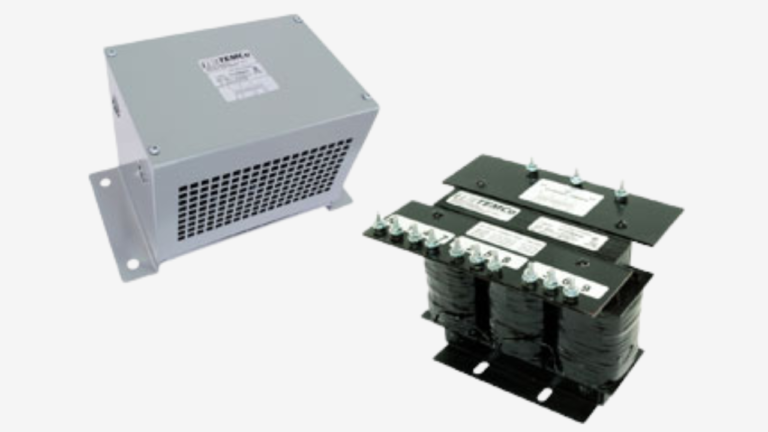
KVA, or kilovolt-ampere, represents the apparent power a transformer can deliver. It is a crucial metric because it accounts for both real power (kilowatts) and reactive power (kilovars). Unlike kilowatts, KVA does not factor in the power factor, making it a more conservative and safer unit for sizing. This ensures the transformer can handle the total electrical demand, regardless of the load’s power factor. Using KVA helps prevent overloading and ensures the transformer operates within its thermal limits, providing reliable power to connected equipment. This approach minimizes the risk of unexpected failures during peak demand periods.

How does temperature affect three-phase transformer performance?

Temperature significantly impacts transformer performance and lifespan. High ambient temperatures reduce the transformer’s cooling efficiency, leading to increased internal temperatures. This can accelerate the degradation of insulation materials, reducing the transformer’s operational life. Conversely, extremely low temperatures can affect the viscosity of transformer oil, potentially hindering its cooling and insulating properties. Proper ventilation and considering the operating environment’s temperature range are essential for maintaining optimal performance and preventing thermal stress on the transformer components. Effective thermal management is key to reliability. Engineers must account for these environmental variables to ensure the transformer operates within its specified temperature limits consistently.

Can an undersized transformer cause operational issues?

Yes, an undersized transformer can lead to numerous operational problems. It will struggle to meet the load’s power demands, resulting in voltage drops and potential overheating. Overheating accelerates insulation breakdown, significantly shortening the transformer’s lifespan and increasing the risk of catastrophic failure. Additionally, an undersized unit may trip protective devices frequently, causing unexpected downtime and disrupting operations. This inefficiency translates to higher energy losses and increased maintenance costs. Proper sizing is vital for stable, reliable, and cost-effective power delivery. It prevents the costly consequences of equipment failure and ensures that the electrical system remains robust under all conditions.

Conclusion: Ensuring Efficient Power Distribution

Accurate sizing of a three-phase transformer is indispensable for any robust electrical system. It ensures operational efficiency, equipment longevity, and system reliability. By meticulously calculating load requirements, considering voltage and amperage, and accounting for future growth, businesses can avoid costly errors. Adhering to best practices in selection and maintenance guarantees a stable power supply. This proactive approach safeguards investments. It also supports uninterrupted industrial and commercial operations. Proper transformer sizing is a cornerstone of effective power management. Every decision must align with long-term operational goals.