How Do Oil Immersed Power Transformer Exporters Support Projects?
-
Oil immersed power transformer exporters support global projects through certification control, logistics planning, and reliable delivery coordination.
Why Are Exporters Critical in Oil Immersed Power Transformer Projects?
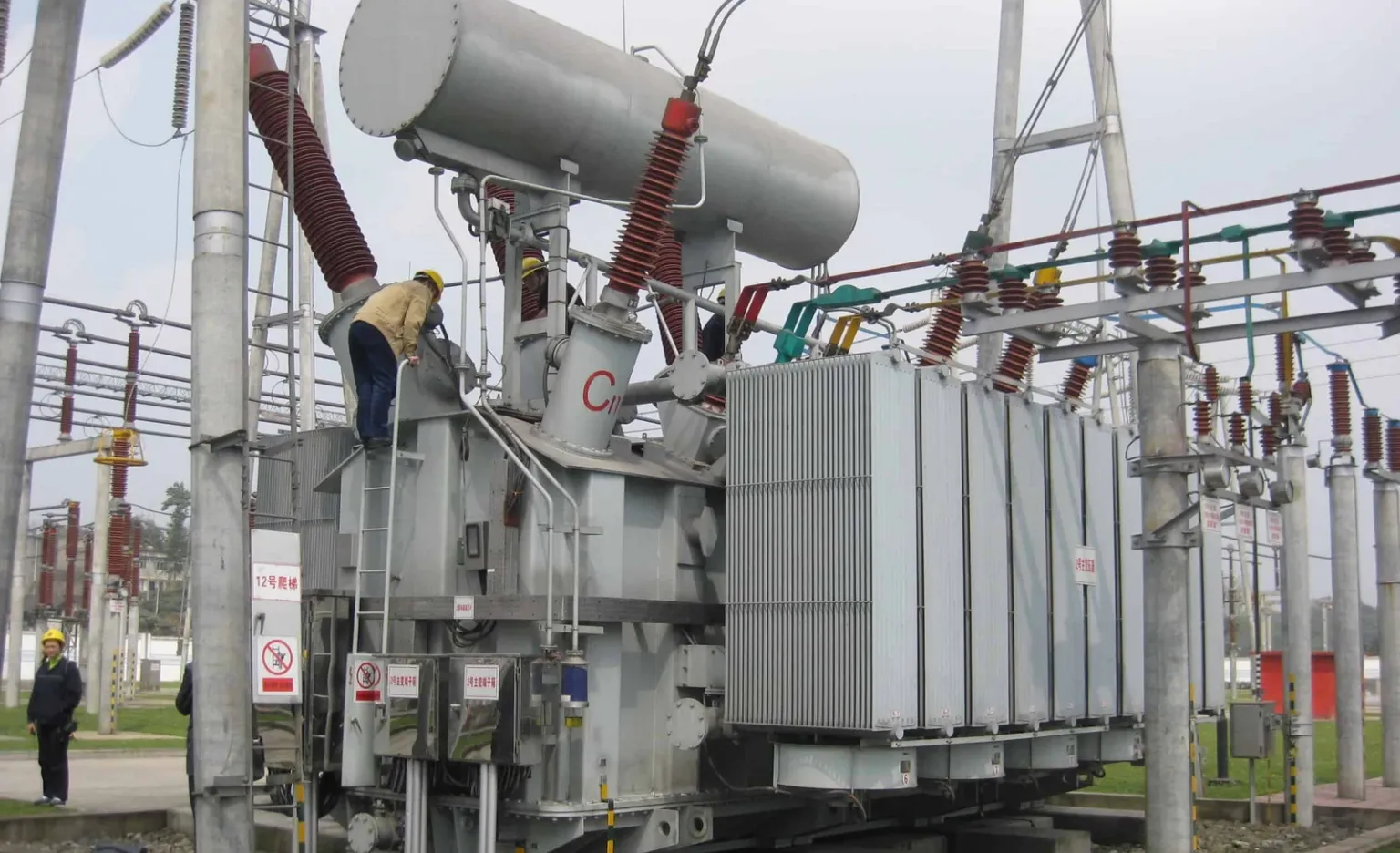
Oil immersed power transformer exporters play a central role in international power projects. Equipment performance alone cannot ensure project success. Export coordination determines whether transformers arrive on time and in compliance. Exporters manage documentation, certifications, and logistics simultaneously. They align manufacturing output with shipping schedules. Communication bridges language and regulatory gaps. Project owners rely on exporters to translate technical deliverables into executable shipments. Without structured export support, delays and compliance risks increase. Exporters therefore function as project facilitators rather than simple trading entities.
How Do Certifications Shape Export Readiness for Power Transformers?
Certification compliance determines market accessibility. Different regions require distinct approval frameworks. Exporters coordinate certification selection during early project phases. Test reports align with destination standards. Documentation accuracy prevents customs rejection. Export teams track updates in regulatory requirements. Certification planning integrates with manufacturing timelines. This coordination avoids last-minute compliance gaps. Exporters ensure transformers meet acceptance criteria before shipment. Certification management therefore reduces project risk and protects delivery schedules.
What Export Services Do Professional Transformer Exporters Provide?
- Certification coordination and compliance review
- Export documentation preparation
- International logistics planning
- Customs clearance coordination
Delivery tracking and confirmation
How These Export Services Reduce Project Execution Risk
Each service targets a specific project risk. Certification prevents rejection at destination ports. Documentation accuracy avoids clearance delays. Logistics planning aligns delivery with site readiness. Customs coordination minimizes unexpected costs. Tracking ensures visibility across transit stages. Together, these services stabilize project execution. Exporters convert complex international requirements into manageable workflows. This structured support improves predictability and confidence.
How Do Logistics Capabilities Affect Transformer Project Delivery?
Transformer logistics present unique challenges. Equipment size limits transport options. Weight requires specialized handling. Oil-filled units demand secure packaging. Exporters coordinate sea, land, and port operations. Packaging design protects internal components. Route planning avoids clearance constraints. Insurance coverage aligns with cargo risk. Exporters manage these variables holistically. Effective logistics execution ensures transformers arrive intact and on schedule.

How Do Exporters Coordinate Delivery With Project Timelines?
Delivery timing affects installation readiness. Exporters synchronize production completion with shipping windows. Buffer planning accounts for port congestion. Communication updates stakeholders regularly. Delivery milestones integrate with construction schedules. Exporters adjust plans when conditions change. This flexibility protects commissioning timelines. Coordinated delivery prevents idle installation crews. Timely arrival supports smoother project progression.
What Differentiates Reliable Oil Immersed Power Transformer Exporters?
| Capability Area | Exporter Strength |
|---|---|
| Certification management | Multi-standard coordination |
| Logistics planning | Heavy cargo expertise |
| Documentation | Error-free export files |
| Communication | Project-level coordination |
| Risk control | Contingency planning |
Why These Capabilities Matter for International Projects
Each capability supports a critical delivery phase. Certification opens market access. Logistics protects equipment integrity. Documentation enables clearance. Communication ensures alignment. Risk control prevents escalation. Exporters combining these strengths function as project partners. This differentiation separates professional exporters from transactional suppliers.
Why Choose Kerun Intelligent Control?
Why choose Kerun Intelligent Control? Export reliability forms a core strength. Kerun integrates manufacturing knowledge with export execution. Certification planning begins during design review. Export documentation follows standardized processes. Logistics partners handle oversized equipment safely. Project teams maintain transparent communication. Delivery schedules align with site readiness. Kerun supports international power projects with structured export coordination. This integrated approach reduces uncertainty. Clients benefit from consistent outcomes across regions.
How Do Exporters Support After-Delivery Project Stages?
Exporter responsibility extends beyond shipment arrival. Support continues through installation coordination. Documentation assists commissioning teams. Technical clarifications remain available. Warranty registration follows delivery confirmation. Exporters maintain communication during early operation. This continuity supports project stabilization. Export service therefore covers the full delivery lifecycle. Long-term support strengthens trust.
Why Is Export Experience Essential for Transformer Projects?
Experience reduces unknown risks. Seasoned exporters anticipate clearance challenges. Past projects inform planning accuracy. Regional familiarity improves coordination. Experience enables faster issue resolution. New markets become manageable. Export maturity directly influences project confidence. This advantage grows with each completed project.
FAQ
How do oil immersed power transformer exporters differ from manufacturers?
Exporters focus on compliance, logistics, and delivery coordination. Manufacturers focus on production. Exporters bridge the gap between factory output and project execution. They manage certifications, shipping, and customs. This separation ensures specialization. Exporters reduce international delivery risk. Their role complements manufacturing capability.
Can exporters support projects across multiple countries?
Yes, experienced exporters manage multi-country projects. They coordinate varying standards and logistics routes. Documentation adapts to each destination. Communication aligns stakeholders. Multi-country experience improves coordination efficiency. Exporters enable regional expansion with consistent execution.
What risks do exporters help reduce in transformer projects?
Exporters reduce compliance risk, logistics damage, clearance delays, and schedule disruption. Structured planning prevents errors. Continuous monitoring enables adjustment. Risk mitigation remains a core exporter responsibility.