How Do K-Rated Transformers Handle AI Data Center Harmonics?
-
What is dry type transformer and how standards like IEC, IEEE, and UL define safety, performance, and compliance in global power systems
K-Rated transformers in AI data center environments
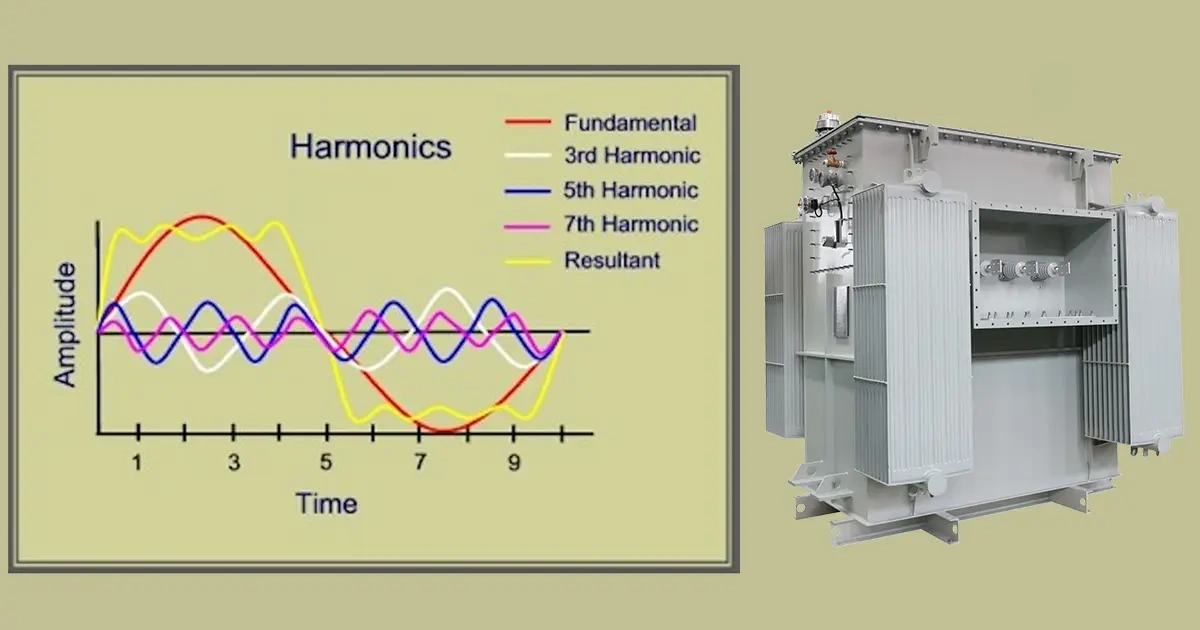
K-Rated transformers operate in electrical systems dominated by nonlinear digital infrastructure. AI data centers create persistent harmonic distortion because servers, GPUs, and rectifiers draw pulsed current instead of smooth sinusoidal waveforms. Standard transformers assume near linear load behavior during thermal design. AI clusters violate that assumption continuously. Harmonic currents elevate RMS values beyond nameplate expectation and introduce higher frequency components that intensify eddy losses. K-rated transformers handle AI data center harmonics by enduring, rather than reducing, the excess heat generated by non-linear loads, preventing premature insulation failure. Their design philosophy centers on thermal survival under distortion rather than waveform correction.
Harmonic sources inside AI computing infrastructure
Modern AI facilities rely heavily on switch mode power supplies, rectifier bridges, and power conversion modules embedded in servers. Each of these devices draws current in narrow pulses synchronized with voltage peaks. Pulsed current introduces harmonic frequencies at multiples of the fundamental frequency, including dominant third, fifth, and seventh components. Triplen harmonics such as third and ninth accumulate in the neutral conductor instead of canceling. High density GPU racks intensify the nonlinear profile further. Uninterruptible power systems and battery converters also contribute distortion. Growing rack density increases total harmonic current proportionally, creating sustained thermal pressure on upstream transformers.
Why harmonic currents create excessive heating
Thermal stress emerges because copper loss increases with the square of RMS current. Harmonics raise RMS current even when real power appears unchanged. Higher frequency components also increase eddy current loss within windings and structural parts. Skin effect becomes more pronounced at elevated harmonic frequencies, concentrating current at conductor surfaces. Stray flux within the core and clamping structures rises accordingly. Neutral conductors face concentrated triplen harmonic currents that may exceed phase conductor loading. These mechanisms combine to elevate winding hot spot temperature significantly. Insulation aging accelerates rapidly under continuous overheating, reducing transformer lifespan in AI applications.
Structural philosophy of K-Rated transformers
Engineering strategy for K-Rated transformers emphasizes durability and thermal resilience under distortion. They utilize specialized, robust designs including heavy duty windings, improved cooling pathways, and oversized neutrals to safely manage high harmonic currents from K-4 to K-20 and above. Enhanced insulation systems tolerate sustained higher operating temperatures without rapid degradation. Winding geometry is optimized, often using multiple parallel conductors, to reduce the skin effect and limit excessive harmonic heating. High grade core steel manages higher flux densities with lower localized saturation risk. Unlike Harmonic Mitigating Transformers that actively cancel harmonics, K-rated units are designed to live with distortion safely and predictably.
Enhanced thermal management and cooling capacity
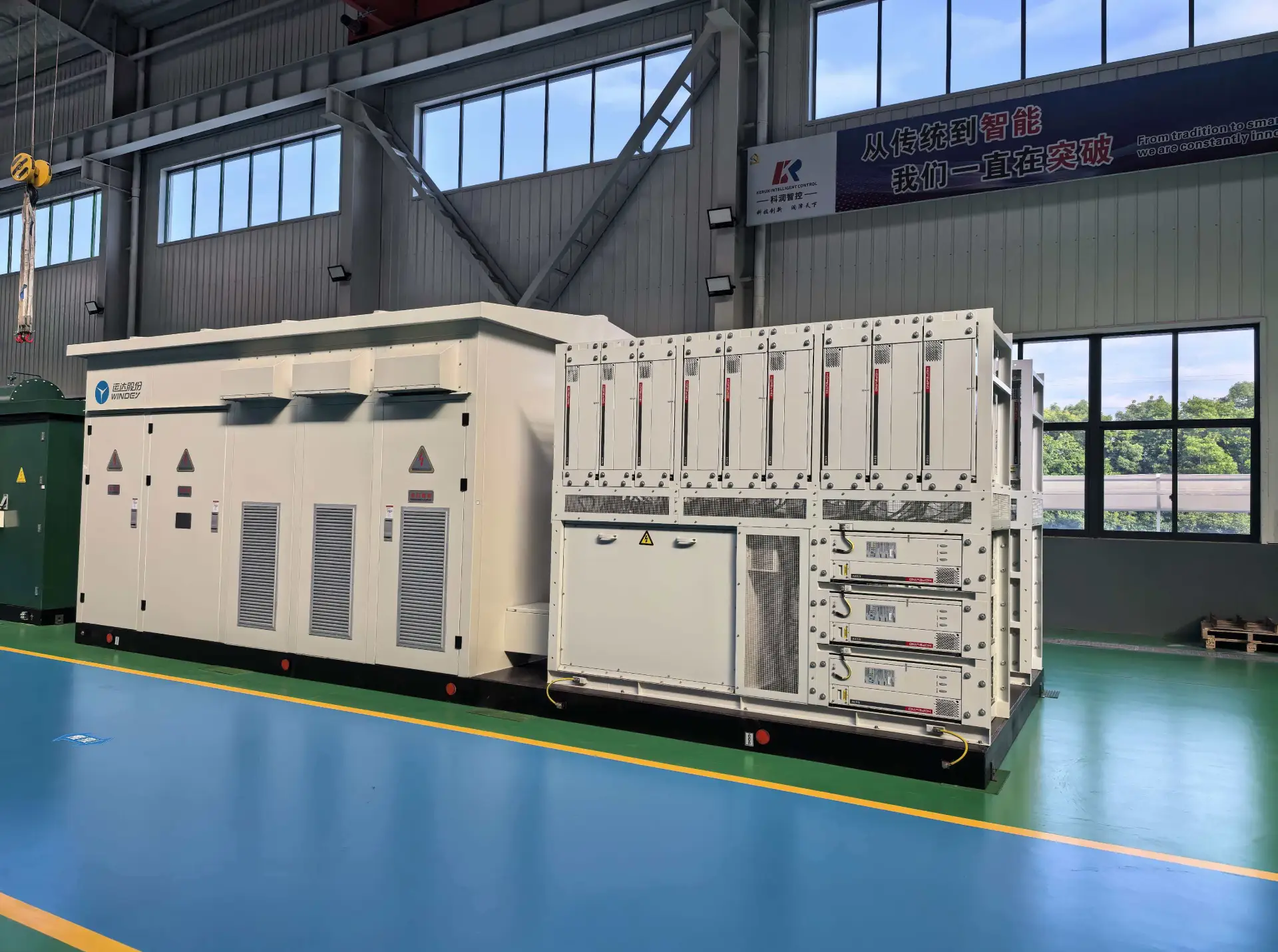
Cooling performance becomes critical in AI data centers operating continuously at high utilization. K-Rated transformers include additional thermal margin to handle the high eddy current losses caused by harmonics. Extra ventilation ducts, improved airflow paths, and increased conductor cross section reduce temperature rise under nonlinear load. Some liquid filled designs adopt advanced insulating fluids such as FR3 vegetable oil, which offers improved heat capacity and favorable environmental characteristics. Air cooled dry type models may incorporate forced ventilation to stabilize internal temperature. Enhanced cooling does not eliminate harmonics but ensures that heat generated by distortion remains within insulation class limits during peak AI workloads.
Oversized neutrals and triplen harmonic protection
Triplen harmonics present unique risks in three phase four wire systems serving server racks. Third and ninth harmonic currents align in phase and accumulate within the neutral conductor rather than canceling. AI server loads generate significant triplen components due to their rectifier topology. Standard transformer neutrals assume balanced sinusoidal conditions and limited neutral current. K-Rated transformers therefore incorporate larger neutral conductors, sometimes rated at up to 200 percent of phase capacity, to prevent overheating. This reinforcement protects against neutral hot spots and insulation breakdown. Proper neutral sizing becomes essential when planning dense AI clusters with rapid expansion potential.
K-13 and K-20 selection logic for data centers
Rating selection depends on the percentage and spectrum of nonlinear loads within the facility. K-13 transformers are commonly applied in medium to large data halls with substantial harmonic distortion from IT equipment. K-20 units target hyperscale AI deployments where GPU clusters and high density racks dominate electrical demand. Engineers evaluate harmonic current components and apply weighted K factor calculations to determine appropriate rating. Selecting a lower rating than required risks chronic overheating and shortened lifespan. Selecting an excessively high rating increases capital expenditure without proportional operational benefit. Accurate harmonic profiling aligns thermal endurance with cost efficiency in AI infrastructure.
Simplified harmonic heat comparison example
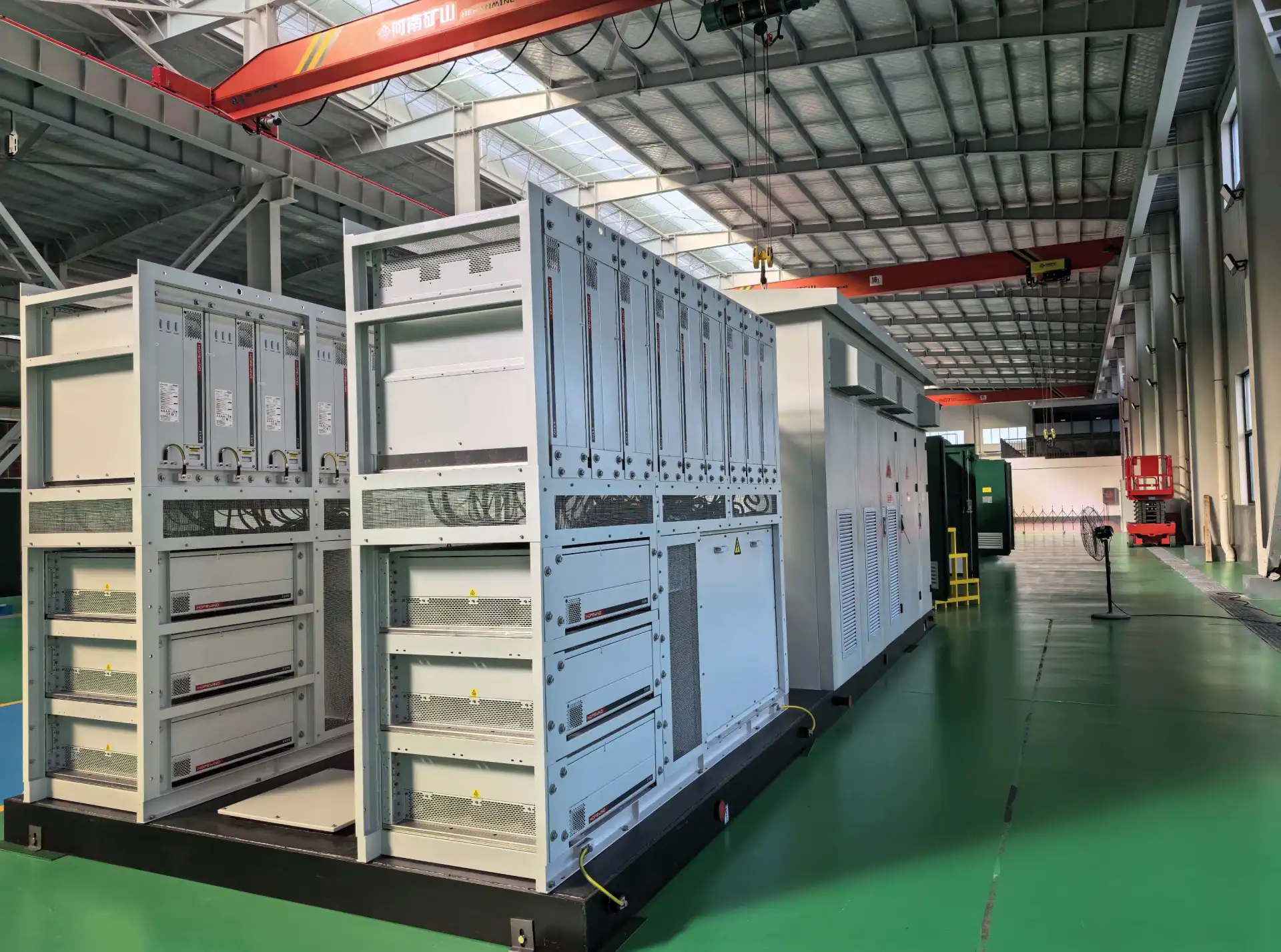
Consider a transformer rated for 1000 amperes of fundamental current. Suppose nonlinear loading increases total RMS current to 1150 amperes due to harmonic components. Copper loss rises with the square of current magnitude. Baseline heating corresponds to 1000 squared proportional units. Harmonic conditions produce 1150 squared, approximately 1.32 times higher copper loss. Additional eddy current losses from higher frequency components further amplify temperature rise. A standard transformer may exceed allowable insulation temperature under this scenario. A K-13 or K-20 transformer includes sufficient conductor mass and cooling margin to tolerate the increased thermal stress safely during continuous AI computation cycles.
Living with harmonics versus improving power quality
K-Rated transformers protect themselves from harmonic damage but do not improve overall facility power quality. They withstand distortion rather than reduce voltage waveform distortion in the distribution network. Harmonic Mitigating Transformers use phase shifting to cancel specific harmonic orders actively. K-rated designs focus on enduring the heating effect of distorted current. Voltage distortion across the facility remains largely unchanged without additional filtering solutions. Data center designers must recognize this boundary clearly to avoid unrealistic expectations. If system level power quality improvement is required, supplementary harmonic filters or mitigation strategies should be evaluated alongside K-rated transformer selection.
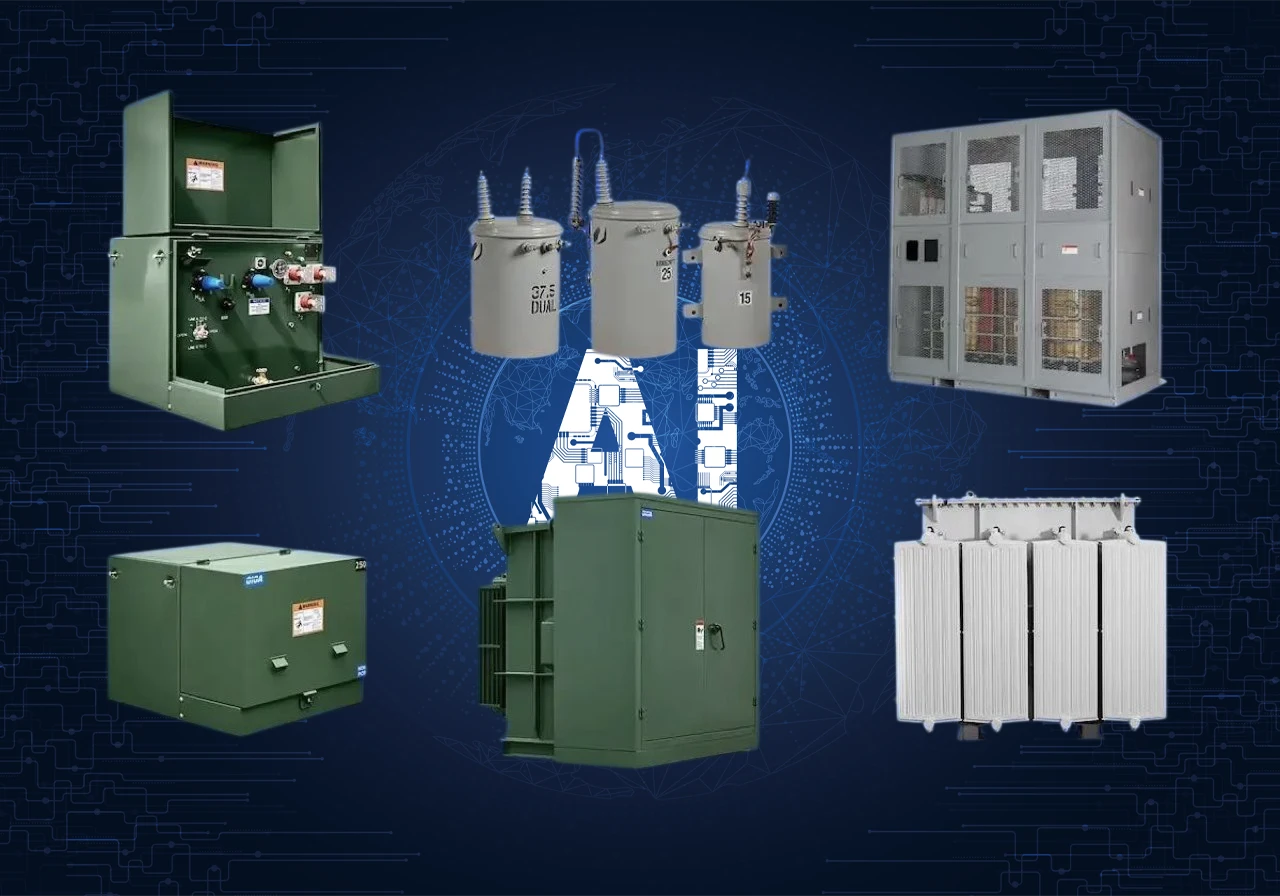
Key evaluation checklist for AI data center projects
Key evaluation checklist for AI data center projects
- Measure total harmonic distortion of current at peak AI load conditions
- Identify dominant harmonic orders including 3rd and 5th components
- Calculate true RMS current including harmonic contribution
- Assess neutral conductor loading percentage under distortion
- Determine projected expansion of nonlinear server capacity
- Verify K rating selection such as K-13 or K-20 against calculated spectrum
- Review transformer temperature rise class and insulation margin
- Evaluate cooling method including air flow or advanced fluid options
- Confirm monitoring capability for hot spot temperature detection
- Assess whether additional harmonic mitigation equipment is required
Comparative overview of transformer types for AI loads
| Parameter | Standard Transformer | K-Rated Transformer | Harmonic Mitigating Transformer |
|---|---|---|---|
| Harmonic Strategy | Not designed for distortion | Endures harmonic heating | Actively reduces selected harmonics |
| Neutral Capacity | Standard sizing | Up to 200% capacity | Standard or reinforced |
| Cooling Margin | Nominal | Enhanced thermal design | Application dependent |
| Impact on Voltage THD | No improvement | No improvement | Reduces targeted harmonics |
| AI Data Center Suitability | Limited | High density ready | Used when mitigation required |
Transition toward technical evaluation stage
Understanding how K-Rated transformers handle AI data center harmonics establishes a clear awareness baseline. They survive distortion through reinforced windings, oversized neutrals, improved cooling, and upgraded core materials. K-13 and K-20 ratings align with typical nonlinear load percentages in modern AI facilities. Simplified heat calculations demonstrate exponential loss growth under harmonic influence. Comparison with harmonic mitigating solutions clarifies functional boundaries. The next stage moves into Industry · Technical Evaluation (Consideration), where detailed harmonic modeling, temperature rise verification, and lifecycle cost analysis support final specification decisions.
FAQ
Do K-Rated transformers reduce harmonic distortion in AI data centers?
K-Rated transformers do not reduce harmonic distortion in the electrical system. Their purpose is to withstand the additional heating caused by nonlinear loads rather than to correct waveform distortion. Voltage total harmonic distortion across the facility will remain largely unchanged if no filtering equipment is installed. These transformers include reinforced windings, improved cooling capacity, and oversized neutrals to survive harmonic stress safely. If a project requires improved power quality or reduced voltage distortion, harmonic mitigating transformers or active filters must be evaluated separately. K-rated units primarily protect themselves from premature insulation failure.
Why are K-13 and K-20 ratings common in AI facilities?
K-13 and K-20 ratings correspond to harmonic load levels frequently observed in data centers with high server density. Medium scale facilities with substantial but controlled nonlinear loads often align with K-13 requirements. Hyperscale AI clusters featuring GPU intensive workloads generate higher harmonic current content, making K-20 more appropriate. Engineers calculate harmonic spectra and apply weighted K factor formulas to match rating with measured distortion. Selecting these common ratings balances durability and cost efficiency. Lower ratings may overheat under heavy nonlinear loading, while excessively high ratings increase capital cost without additional practical benefit.
Can advanced cooling fluids like FR3 improve harmonic resilience?
Advanced insulating fluids such as FR3 vegetable oil enhance thermal performance in liquid filled transformer designs. Improved heat capacity and thermal conductivity support more stable temperature distribution under high harmonic losses. While FR3 does not reduce harmonic distortion itself, it helps manage the excess heat generated by nonlinear currents. This characteristic becomes valuable in high density AI environments operating continuously near rated capacity. Combining K-rated structural reinforcement with advanced cooling media increases overall thermal resilience. Engineers should still evaluate harmonic spectrum carefully, since cooling enhancement complements but does not replace proper K factor selection.