
How do high voltage transformers work?
-
High voltage transformers enable efficient energy transmission, providing controlled magnetic induction and stable, safe voltage regulation.
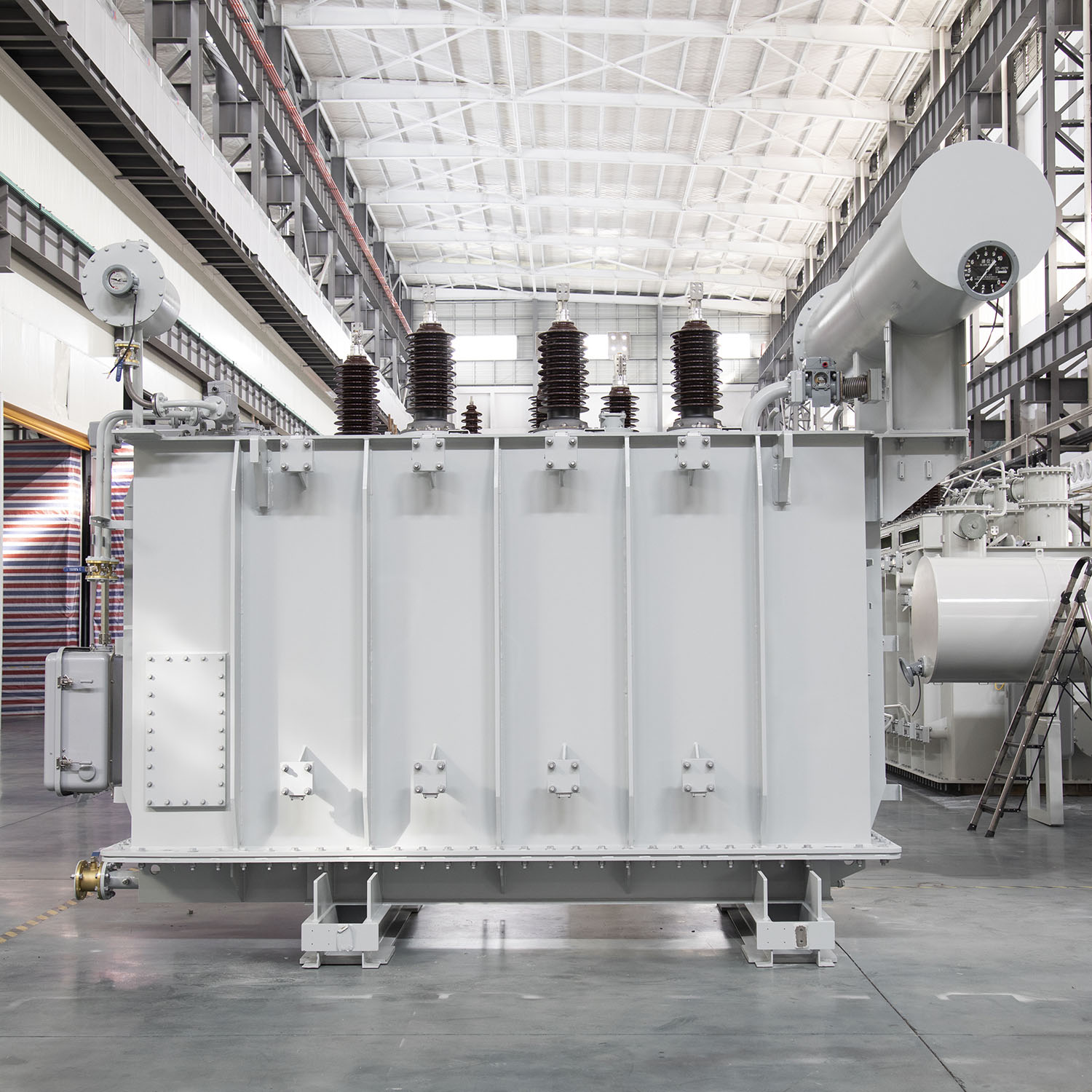
High voltage transformers support efficient energy transfer in modern power systems, and they maintain stable voltage levels under diverse load demands. These units step voltage up or down through controlled electromagnetic induction. Each model handles a specific role, and each design follows safety and performance requirements. High voltage transformers operate in transmission grids, industrial plants, and utility substations. Their structure includes a core, windings, insulation, bushings, and cooling parts. These components maintain safe energy flow and stable electrical reliability in long-distance delivery.
1. What Is a High Voltage Power Transformer?
A high voltage power transformer converts electrical energy between high-voltage and low-voltage circuits. It uses magnetic coupling between windings to shift energy from one level to another. The core carries magnetic flux, and the windings set the voltage ratio. High voltage transformers operate at levels above 35 kV, and many designs reach several hundred kilovolts. These units handle high power demands in transmission systems, and they maintain grid stability during peak consumption periods. Each device supports long-distance transmission through controlled impedance and regulated thermal performance.
2. How Does a High Voltage Power Transformer Work?
A high voltage transformer works through electromagnetic induction. The primary winding receives electrical energy, and the current creates magnetic flux inside the core. The flux links the secondary winding, and the voltage ratio matches the turns ratio. A higher secondary turns count creates a step-up effect, and a lower turns count produces a step-down effect. The core guides magnetic flow and reduces energy loss. Oil-filled or dry insulation maintains dielectric strength under high stress. Cooling systems remove heat and maintain winding safety during continuous operation.
6. What Is the Difference Between Low, Medium, and High Voltage?
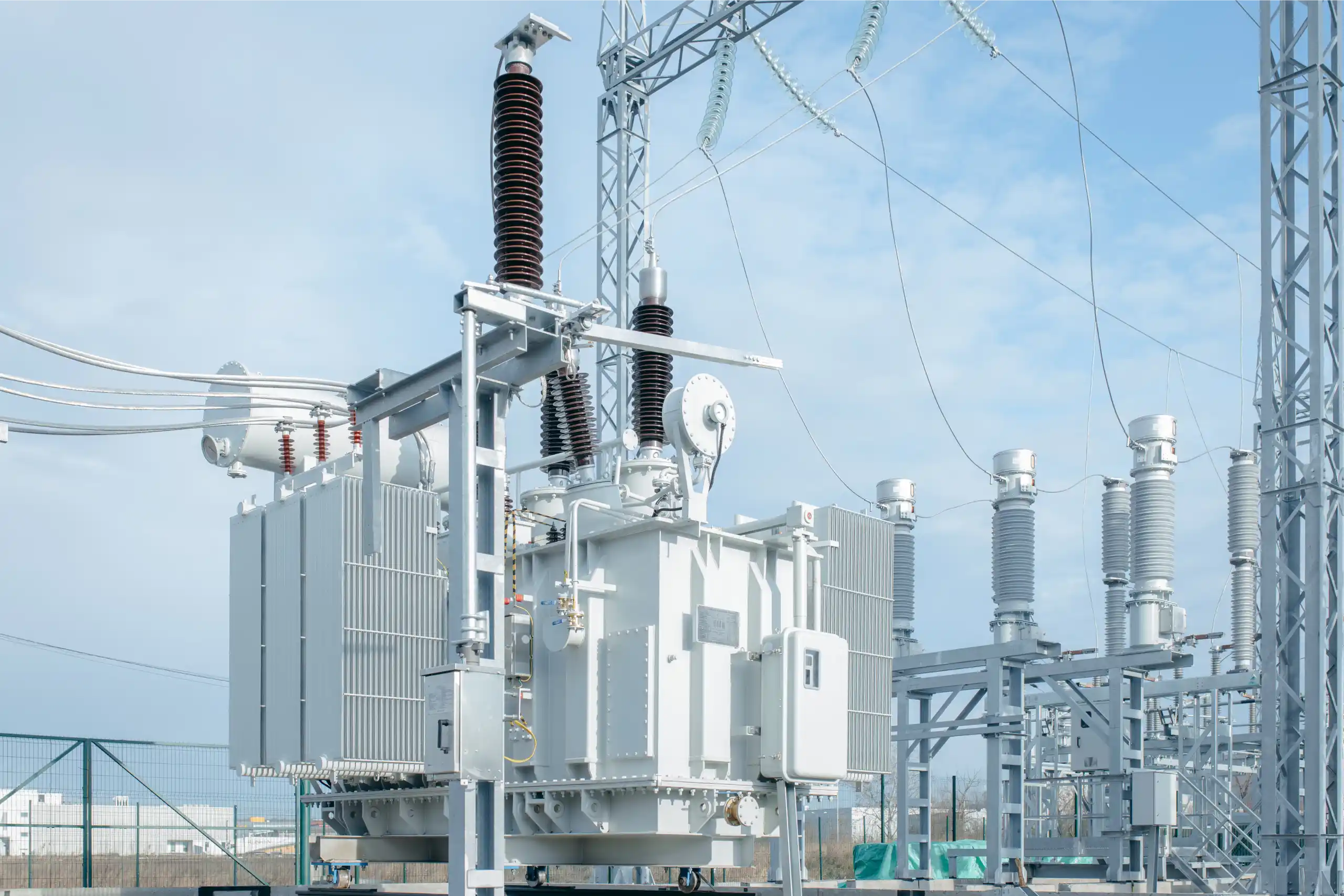
Low voltage supports residential and small commercial loads. Medium voltage feeds regional lines and industrial users. High voltage supports long-distance transmission and high-power equipment. Each range requires specific insulation design and conductor spacing.
Low Voltage
Low voltage systems handle short-distance supply. They maintain safe operation for households and small devices. These systems use compact conductors and low insulation levels.
High Voltage
High voltage systems deliver bulk energy over long distances and maintain low losses. They require robust insulation and controlled cooling.
Medium Voltage
Medium voltage feeds industrial networks and regional distribution grids. It balances distance, cost, and efficiency.
In Summary
Voltage categories help engineers select correct transformer rating and insulation design, and these distinctions maintain grid safety and balanced efficiency.
| Type | Primary | Secondary |
|---|---|---|
| Step-Up | Low V | High V |
| Step-Down | High V | Low V |
Step-Up and Step-Down Transformer Role in HV Systems
A step-up transformer increases voltage for transmission lines and reduces energy loss across long distances. A step-down transformer reduces voltage before distribution and ensures safe delivery to consumers. These two forms work together to maintain stable voltage flow through power networks.
7. What Should You Know About the Maintenance of a High Voltage Transformer?
Maintenance keeps high voltage transformers safe and efficient. Oil testing checks dielectric strength and moisture levels. Winding resistance tests monitor electrical balance. Core and coil inspections verify thermal stability. Cooling system checks prevent overheating. Correct maintenance reduces failure probability and extends service life. Many operators establish strict testing intervals to maintain stable operation.
8. High Voltage Step-Up Transformer
A step-up transformer raises voltage and reduces current flow. Lower current reduces transmission loss and maintains stable long-distance performance. These units send power from generation stations to transmission lines and operate at high insulation levels.
9. High Voltage Step-Down Transformer
A step-down transformer lowers voltage and increases current for distribution networks. These devices feed industrial plants, commercial centers, and regional utilities. Their structure ensures safe delivery to user-side equipment.

| Factor | Impact |
|---|---|
| Capacity | High |
| Voltage Level | Medium |
| Insulation | High |
| Cooling Type | Medium |
High Voltage Transformer Cost Influence
Cost depends on voltage rating, insulation class, cooling system, capacity, and installation location. Larger units require stronger insulation and heavier steel. Cooling capacity also affects final cost. Each factor influences the total investment and operational lifetime.
10. What Does a High-Voltage Transformer Do?
A high-voltage transformer adjusts electrical energy between circuits and maintains system balance. It supports long-distance transmission, reduces line losses, and stabilizes grid voltage. It also isolates electrical sections to protect connected equipment.
11. High Voltage Power Transformer
This transformer handles large power levels and supports transmission stations. It manages voltage changes between power plants and regional grids. The structure includes robust insulation and strong mechanical parts to handle fault conditions.
12. High Voltage Transformer Manufacturers
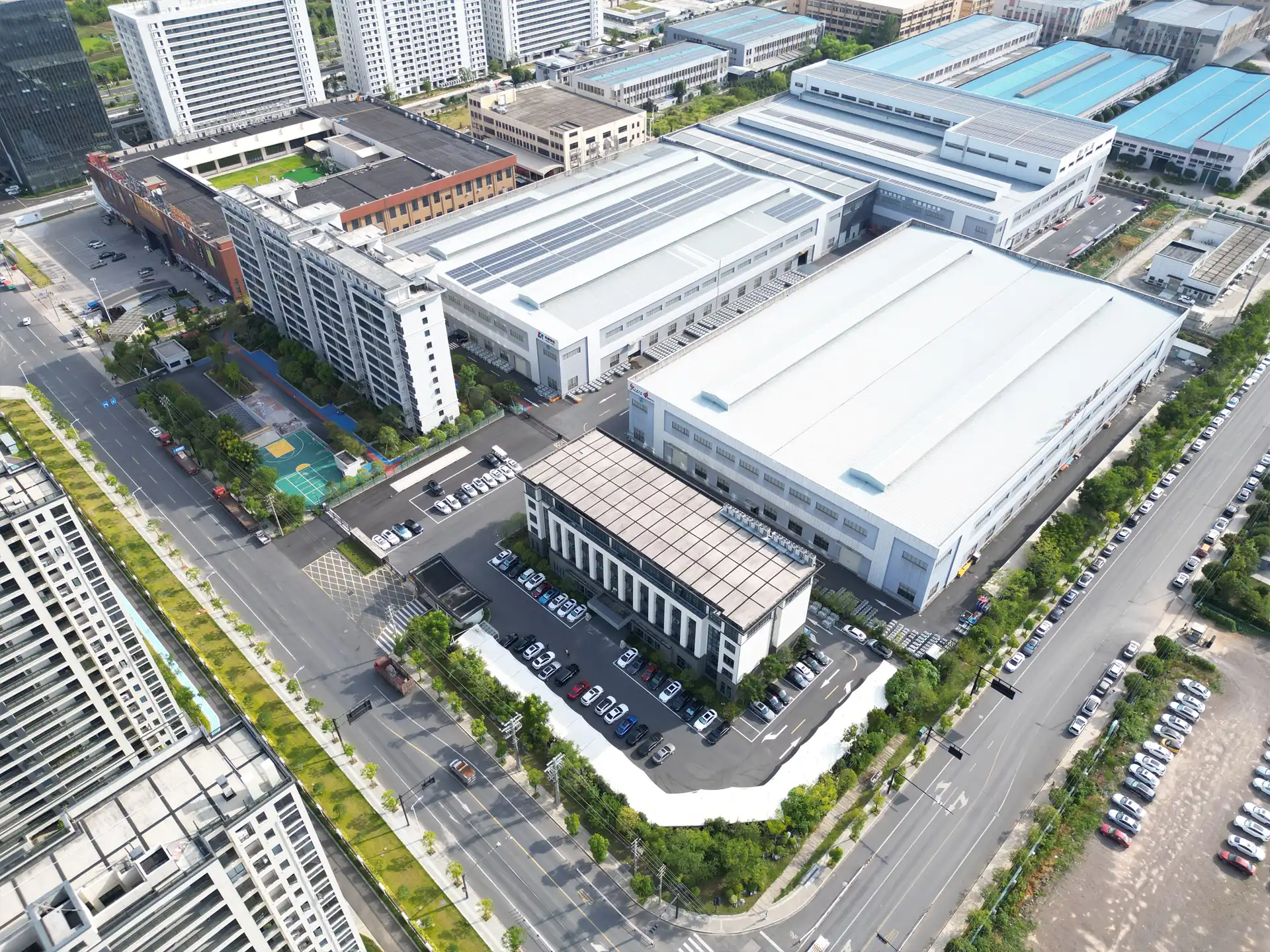
Manufacturers follow strict engineering standards. Many global suppliers support custom ratings, specialized cooling, and unique installation demands. High-quality manufacturers provide testing data, ratio checks, partial discharge records, and material certificates.
13. Why Choose Kerun Intelligent Control Transformer?
Kerun Intelligent Control Transformer supports precise voltage control, strong insulation performance, and robust thermal management. The design follows strict electrical standards and includes optimized winding layout for stable operation. Kerun products show high endurance in industrial and utility applications. The engineering team maintains strict testing for each transformer, and each unit supports reliable operation under long-term high-stress environments. Kerun offers flexible voltage ratings and custom functions for complex grid conditions. The company also supplies advanced monitoring functions to keep real-time performance stable across diverse loads.
FAQ
1. How long does a high voltage transformer last under continuous load?
A high voltage transformer can operate for several decades when managed under correct thermal and electrical limits. Its life expectancy depends on insulation strength, cooling capacity, and environmental conditions. High ambient temperatures accelerate insulation aging, and poor maintenance shortens service life. Regular oil testing tracks moisture levels and dielectric performance. Tightening coils and checking connections prevent thermal stress. Grid operators extend lifespan through controlled loading and strict monitoring. Proper installation also reduces mechanical stress during fault conditions. Together, these measures help maintain long-term performance.
2. What safety factors should be considered when operating a high voltage transformer?
Safety begins with verifying insulation class, and each unit requires correct clearance between high-voltage parts. Operators monitor temperature rise via built-in sensors. Cooling systems must function within design limits. Protective relays isolate faults to reduce equipment stress. Grounding system integrity prevents dangerous touch voltages. Bushings should remain dry and clean for safe operation. Periodic testing confirms stable dielectric function. Careful attention to all components reduces arc faults and safeguards nearby equipment.
3. How does transformer efficiency change under different load conditions?
Efficiency remains high near rated load, but it decreases under very low or very high loads. Core losses stay constant, while copper losses rise with increasing current. Balanced loading stabilizes losses and improves power quality. Excess load generates heat and shortens insulation life. Temperature changes also affect winding resistance. Cooling systems help manage heat buildup and maintain efficiency. Many high voltage transformers feature temperature-controlled fans or pumps to enhance thermal stability and overall performance.