
How cost-effective are dry type transformers in the long run?
-
Learn how dry type transformers can bring long-term benefits to projects through low maintenance costs and excellent life-cycle performance.

1. How Does the Initial Cost of Dry Type Transformers Compare to Oil-Immersed Units?
Dry type transformers often carry a higher initial purchase price than oil-immersed units. Some cast-resin or air-insulated units cost 20–40% more than equivalent oil-immersed transformers of the same capacity.
This higher cost stems from more expensive insulation materials, more robust housings or enclosures, and more precise manufacturing requirements needed to ensure safety and durability without oil cooling.
However, this upfront premium does not always reflect the total long-term financial burden. When installation conditions, regulation compliance, or safety requirements are strict, the higher initial cost can pay off through reduced ancillary expenses and simplified infrastructure needs.
In some indoor or urban settings, oil-immersed transformers require additional containment, fire-safe enclosures, environmental protection systems, or spill-containment features. Those requirements add to installation and compliance costs. Dry type transformers avoid these added burdens.
Thus, while initial investment is higher, dry type transformers can be competitively priced when considering true installation conditions and compliance requirements.
2. What Are the Long-Term Maintenance and Operational Savings?
Dry type transformers demand generally less maintenance over their lifetime compared with oil-immersed units. They do not require oil testing, oil replacement, or leak monitoring.
Maintenance for dry type units typically involves air-cooling system upkeep (fans or ventilation if used), periodic inspection of insulation housing or windings, and perhaps filter or dust management if forced air is used.
Eliminating oil-related maintenance means no recurring costs for oil disposal, oil quality tests, leak prevention measures, or environmental compliance tied to oil spills.
Over time, these savings accumulate. Many operators find that lower maintenance overhead and simpler servicing more than offset part of the higher initial cost, especially in settings where maintenance labor or compliance cost is high.
Therefore, dry type transformers often yield significant maintenance cost reductions over the equipment’s lifetime.

3. How Does Energy Efficiency Affect Lifetime Operating Costs of Power Transformers?
Energy efficiency determines part of the operating cost of any transformer. For dry type transformers, energy losses (both core losses and copper losses) remain similar to oil-immersed units.
However, dry type units may show slightly higher losses under heavy or continuous full-load operation. Their air-cooling or solid-insulation design sometimes leads to a small rise in temperature or marginally higher resistance, which may increase losses by 1–3%.
Cooling-related operating energy for dry type transformers tends to be lower, because they avoid oil pumps and heavy cooling infrastructure. If natural convection is sufficient, extra energy consumption can be minimal.
Thus, in installations with moderate or variable loads, dry type transformers often deliver comparable or acceptable efficiency. In those scenarios, energy-related operating cost remains reasonable.
Over a full lifecycle, depending on load patterns, the slightly higher losses may not offset the maintenance and safety savings.

4. What Role Do Safety and Insurance Benefits Play in Cost Savings for Power Transformers?
Safety is a major advantage for dry type transformers. Without flammable oil, risk of fire and environmental contamination from leaks is eliminated.
This improved safety reduces regulatory and insurance burden. Insurance premiums can be lower for dry type transformers. Facilities located in fire-sensitive zones, inside buildings, or in urban areas benefit especially.
Additionally, installation requirements are simpler for dry type units. No need for oil containment pits, special bund walls, spill-control zones, or environmental protection systems. That reduces civil work and compliance costs.
Moreover, reduced fire risk translates into lower long-term operational risk. That risk reduction can save money by avoiding potential damage, shutdowns, regulatory fines, or environmental remediation.
Hence, safety and insurance benefits significantly contribute to long-term cost savings for dry type transformers.
5. How Does Durability and Reliability Impact Long-Term Value in Power Transformers?
Dry type transformers typically offer robust reliability thanks to simplified design and fewer components prone to failure. Without oil, they avoid issues like oil degradation, oil leaks, or oil-contamination related insulation problems.
Their solid insulation and enclosed housings make them suitable for harsh or indoor environments where dust, humidity, or restricted space pose risks.
However, lifespan of dry type units is often slightly shorter than oil-immersed variants in heavy-duty outdoor or high-load scenarios. Typical lifespan estimates may be 20–30 years compared to 25–35 years for oil-immersed units under ideal maintenance.
Despite that, the overall reliability and lower maintenance frequency often lead to fewer service interruptions and unplanned downtime. That reduces lifecycle cost related to operational disruption.
These factors make dry type transformers a durable, reliable option for many commercial, urban, and indoor installations — delivering strong long-term value when properly specified to load and environment.
6. In Which Applications Are Dry Type Transformers Most Cost-Effective?
Dry type transformers shine in environments where safety, space constraints, or environmental regulation are key. These include commercial buildings, hospitals, tunnels, data centers, renewable energy container-based substations, and urban indoor installations.
They also fit well in refurbished buildings or retrofitted facilities where oil containment or heavy civil works would be costly or impractical. Because they avoid oil-related hazards, regulatory approvals are often easier and faster.
In projects with moderate to variable load, or where peak load rarely persists for long durations, dry type transformers deliver acceptable efficiency and lower maintenance burden — balancing cost and performance.
Moreover, where frequent maintenance is impractical (e.g. remote sites, high-security buildings, or noise-sensitive facilities), dry type units provide operational advantages through minimal upkeep and stable performance.
Hence, dry type transformers tend to be most cost-effective in indoor, urban, safety-sensitive, or maintenance-constrained contexts.
7. Conclusion
Dry type transformers cost more upfront than oil-immersed units. That difference is often 20–40%.
Longer term, they cut maintenance, eliminate oil risks, and require simpler installation. Those advantages reduce total lifecycle cost in many applications.
Energy efficiency may be slightly lower under heavy continuous load. Yet, if load patterns are moderate or variable, efficiency remains reasonable.
Safety, lower insurance and compliance burden, and simpler installation often outweigh the higher initial cost.
Durability and reliability remain strong under proper conditions. They suit indoor, urban, or regulated environments well.
Dry type transformers often deliver the best value where safety, maintenance reduction, indoor installation, or environmental compliance matter most.
Why Choose Kerun Intelligent Control Transformer?
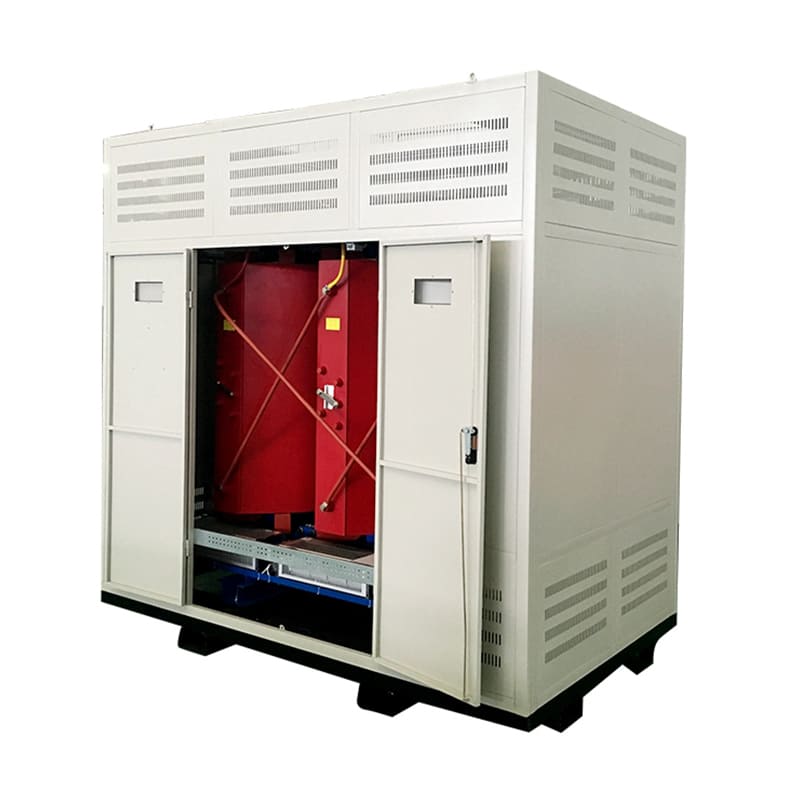
That brand emphasizes build quality, advanced insulation, and tailored design. Its dry type transformers deliver solid long-term performance with minimized maintenance and high safety standards. In many institutional or commercial settings, that reliability and safety premium justifies the initial cost difference.
| Feature | Oil-Immersed Transformer | Dry Type Transformer |
|---|---|---|
| Initial Cost | Baseline (lower) | 20–40% higher |
| Maintenance Effort | Oil testing, leak checks, cooling system upkeep | Minimal: fan/ventilation, periodic inspections |
| Cooling Infrastructure | Oil circulation system, radiators | Air cooling or solid-insulation housing |
| Fire / Environmental Risk | Oil leak fire risk, spill management required | Very low fire risk, no oil spills |
| Installation Complexity (indoor use) | High: containment pit, fire walls may needed | Low: compact, suitable for indoor/urban use |
| Lifespan (approx.) | 25–35 years | 20–30 years |
The table clarifies trade-offs between oil-immersed and dry type transformers. The “Initial Cost” row shows upfront premium for dry type. The “Maintenance Effort” and “Environmental Risk” rows reveal dry type advantages. Installation and safety benefits often offset higher capital cost over lifetime, especially in urban or indoor projects.
FAQ
Q1: What makes dry type transformers more cost-effective over time despite higher upfront cost?
Dry type transformers eliminate oil use. That removes recurring oil-related costs. There is no need for oil testing, oil replacement, leak detection or disposal. Minimizing these tasks reduces maintenance labor, environmental compliance, and insurance burdens. Their simpler cooling and enclosure design demands less frequent maintenance. Over years, those savings accumulate. In many indoor or urban installations, lower maintenance cost and easier compliance offset the higher initial cost.
Q2: Are dry type transformers efficient enough for heavy or continuous loads?
Dry type transformers exhibit energy losses similar to oil-immersed units under nominal conditions. In heavy continuous load or high ambient temperature, their cooling via air or ventilation may slightly increase losses compared to oil-cooled units. Some designs may show 1–3% higher losses. If system load is high, designers might need to derate or add forced ventilation. However, for moderate or variable loads common in commercial and institutional settings, efficiency remains acceptable. Thus, they still provide reasonable lifetime operating cost.
Q3: In which scenarios does choosing dry type transformers bring the greatest economic benefit?
Dry type transformers deliver strongest value in indoor or urban settings where fire risk, environmental regulations, or space constraints matter. Commercial buildings, hospitals, data centers, tunnels, and retrofitted facilities benefit. Also beneficial where maintenance is difficult or expensive, or where insurance and compliance costs are high. For medium-load and variable-load scenarios they perform well. When installation cost, safety requirements, and maintenance burden are high, dry type transformers often surpass oil-immersed units economically.