How 220kV Oil-Immersed Power Transformers Address Grid Demand?
-
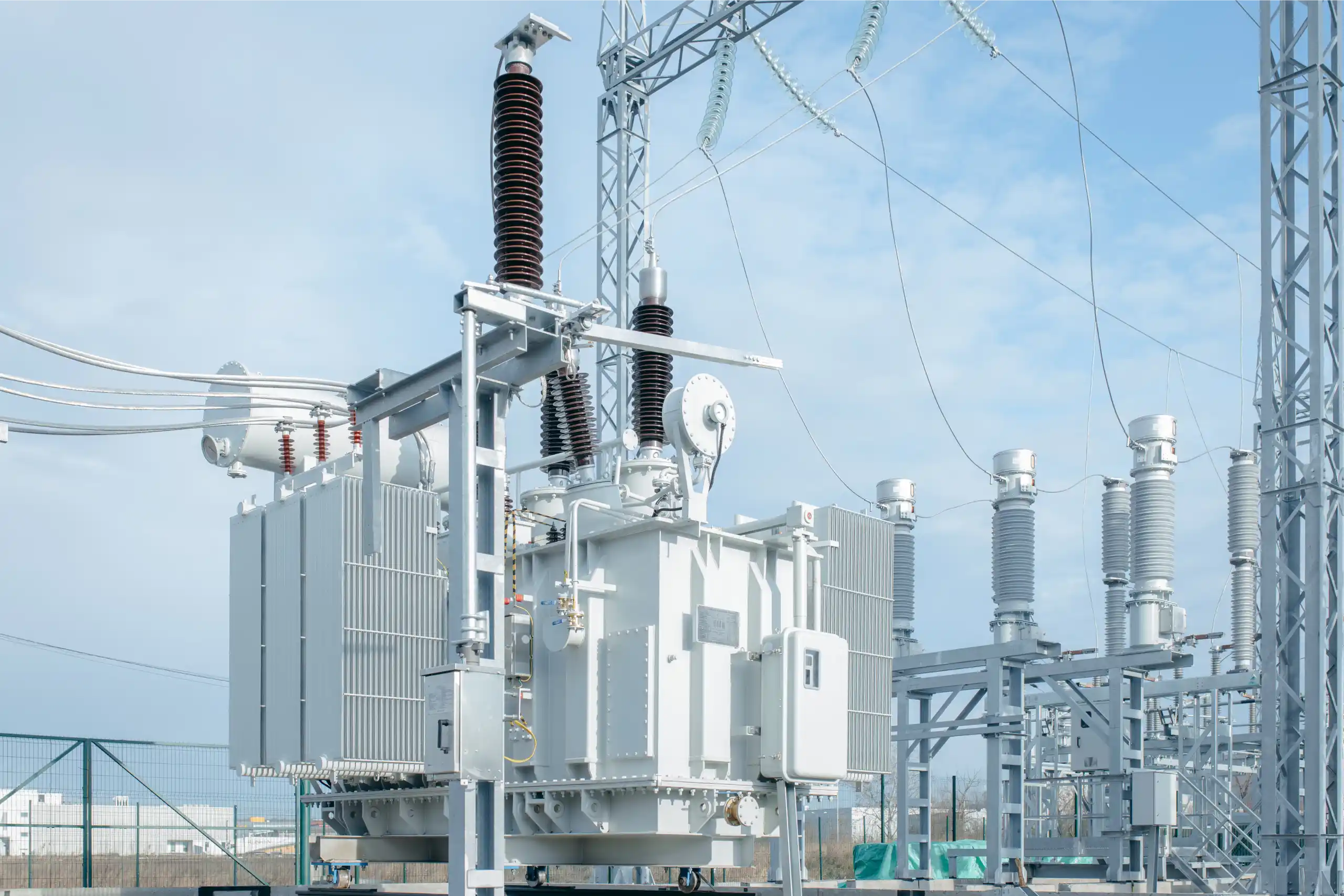
220 kv oil-immersed power transformers support backbone grids by enabling stable bulk power transmission for large-scale generation.
Why Does Rising Grid Demand Push Networks Toward 220kV Levels?
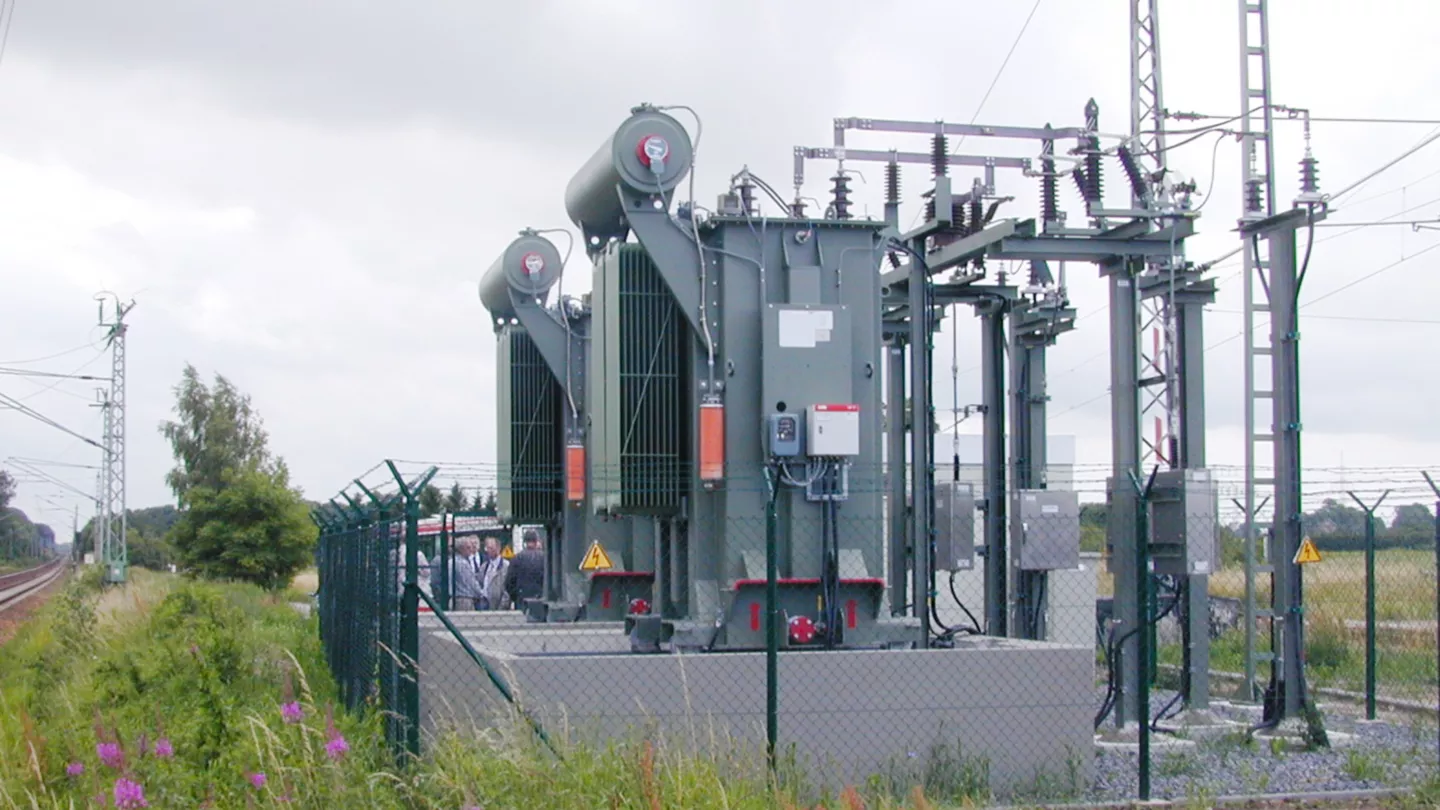
Electric power demand continues rising across modern grids. Industrial expansion increases continuous base load. Urbanization concentrates consumption into dense areas. Renewable energy introduces fluctuating generation patterns. These changes stress transmission infrastructure significantly. Higher voltage transmission reduces current magnitude. Lower current limits resistive losses across long distances. The 220kV level offers an effective balance. It supports large power transfer without excessive infrastructure complexity. Grid planners therefore adopt 220kV as a backbone voltage tier.
What Defines a 220kV Oil-Immersed Power Transformer?
A 220kV oil-immersed power transformer is engineered for extreme electrical stress. Windings operate under very high voltage gradients. Insulation systems must maintain dielectric integrity continuously. Transformer oil surrounds active components completely. Oil provides both insulation and cooling functions. Uniform oil coverage reduces local electric field concentration. Tank structures resist mechanical forces during faults. Core clamping systems limit vibration under load. These features define a transformer suitable for backbone networks.
How Oil Immersion Supports Ultra-High Voltage Electrical Stability
Ultra-high voltage operation intensifies insulation challenges. Electric field stress increases sharply at 220kV levels. Oil immersion distributes electrical stress evenly across insulation surfaces. This reduces partial discharge probability. Oil also removes heat generated by copper and core losses. Stable temperature protects insulation aging characteristics. Cooling stability supports long-term performance. Electrical stability and thermal control work together. This combination underpins reliable ultra-high voltage operation.
Role of 220kV Transformers in Backbone Transmission Architecture
Backbone transmission networks form the core of national grids. These networks transport bulk energy over long distances. 220kV substations connect generation sources with regional systems. Transformers at this level handle continuous high power flow. Voltage regulation remains critical for network stability. Fault tolerance also becomes essential. Oil-immersed designs withstand electrical and thermal stress. Backbone architecture depends on this resilience. Grid reliability improves through proven transformer performance.

Supporting Large-Scale Power Generation Projects
Large power stations export massive energy volumes. Thermal plants operate continuously at high output. Hydropower stations manage seasonal load variation. Renewable plants inject power intermittently. 220kV transformers connect these facilities to transmission grids. Voltage stability protects generator insulation systems. Continuous operation demands effective cooling. Oil immersion manages sustained thermal load. Generation projects rely on this dependable interface.
Typical Applications of 220kV Oil-Immersed Power Transformers
220kV oil-immersed transformers serve several large-scale roles.
-
Backbone transmission substations
-
Power plant grid connection points
-
Regional interconnection hubs
-
High-capacity industrial supply nodes
Why These Applications Depend on 220kV Transformer Capability
Each scenario involves sustained bulk power transfer. Backbone substations require uninterrupted operation. Power plants need stable export voltage. Interconnection hubs balance regional flows. Industrial nodes demand consistent supply quality. Oil-immersed transformers deliver insulation strength and cooling endurance. These characteristics support demanding operational profiles reliably.
Capacity Range and Load Handling Characteristics
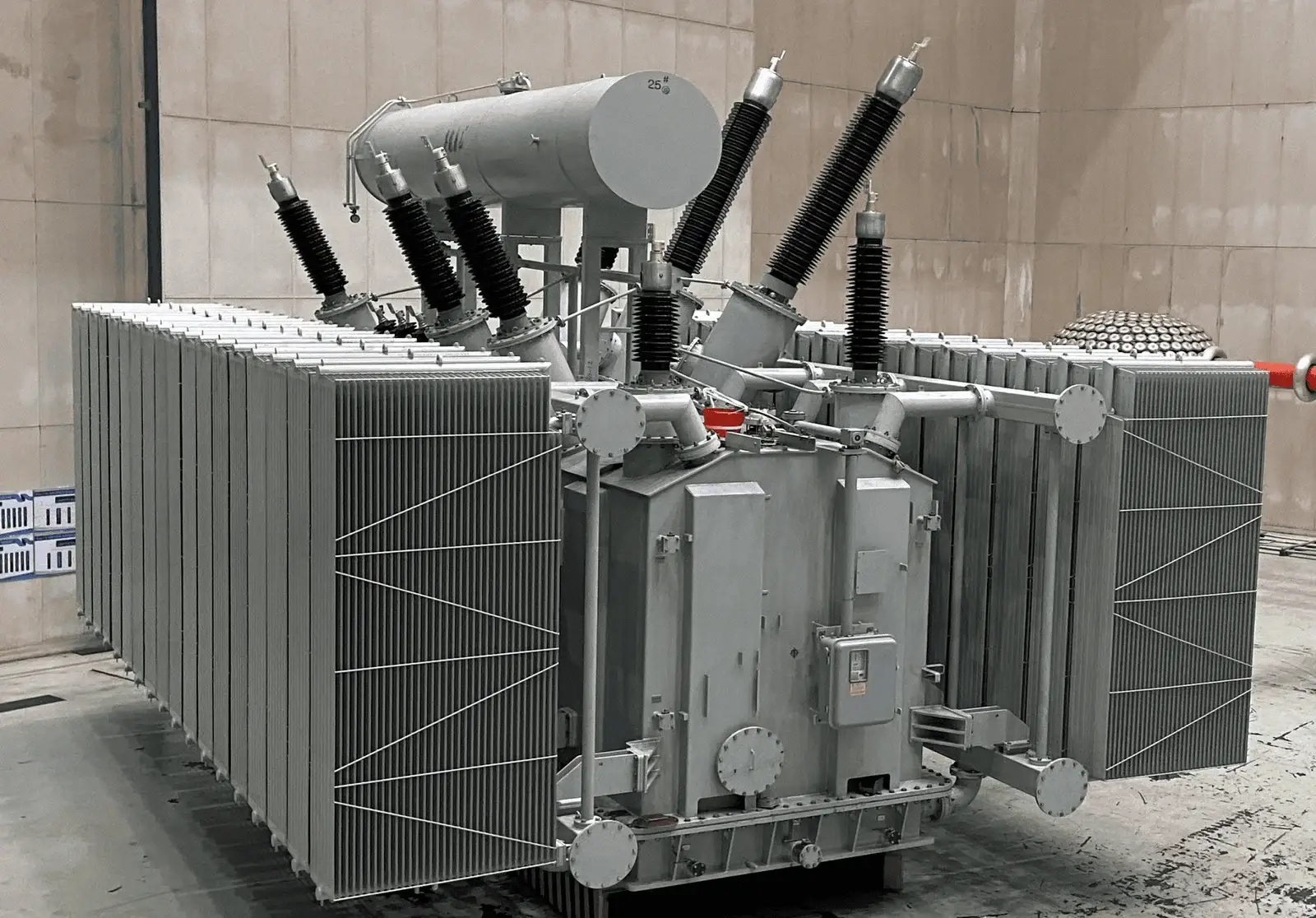
220kV transformers cover wide capacity ranges. Ratings often begin near 100 MVA. Large projects exceed several hundred MVA. Capacity selection reflects network topology and redundancy planning. Higher ratings reduce congestion risk. Parallel transformer arrangements improve availability. Oil cooling supports continuous high load operation. Short-term overload capability enhances operational flexibility. Proper capacity planning strengthens grid resilience.
Typical Capacity Allocation in 220kV Systems
| Capacity Range | Typical Application | Grid Function |
|---|---|---|
| 100–160 MVA | Regional substations | Voltage transformation |
| 200–250 MVA | Backbone nodes | Bulk power transfer |
| 300 MVA+ | Power plants | Generation export |
How Capacity Planning Supports Long-Term Grid Growth
Correct capacity sizing reduces thermal stress. It limits voltage drop under peak demand. Grid planners consider future load expansion. Oversizing increases lifecycle efficiency. Oil-immersed transformers tolerate operational margins. This approach avoids premature replacement. Long-term planning benefits from scalable capacity design.
Installation Environments for 220kV Oil-Immersed Transformers
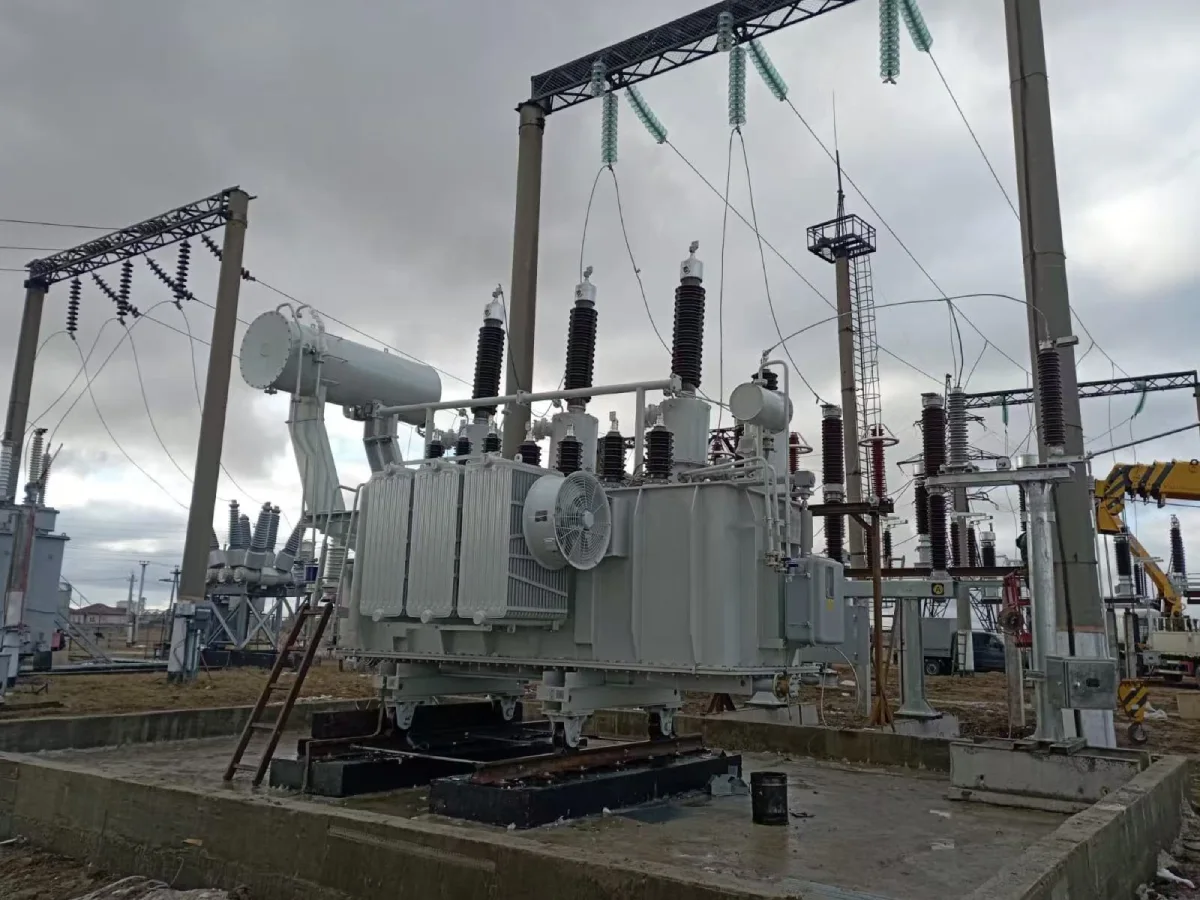
Most 220kV transformers operate in outdoor substations. High voltage clearance requires open layouts. Environmental exposure demands robust tank sealing. Oil-filled tanks provide internal protection. Cooling systems adapt to ambient temperature changes. Outdoor installation simplifies access for maintenance. Structural design supports long service life. These transformers suit harsh operating environments well.
Maintenance Considerations at the 220kV Level
Maintenance focuses on insulation health and cooling performance. Oil testing verifies dielectric strength. Dissolved gas analysis detects internal faults early. Bushing condition affects operational safety. Cooling equipment requires regular inspection. Predictive maintenance reduces outage risk. Utilities integrate monitoring systems increasingly. Oil-immersed transformers align with established asset management practices.
Why 220kV Oil-Immersed Transformers Remain a Backbone Standard
Grid operators favor proven technologies at critical voltage levels. The 220kV oil-immersed power transformer offers durability. Its insulation system handles extreme electrical stress. Cooling performance supports continuous heavy load. Long service life lowers lifecycle cost. Maintenance methods remain familiar to utilities. These factors ensure ongoing deployment across backbone networks.
FAQ
Why is the 220kV oil-immersed power transformer critical for backbone grids?
Backbone grids transmit bulk electricity across long distances. High voltage reduces current and losses. The 220kV level balances efficiency and infrastructure investment. Oil-immersed transformers provide strong insulation and thermal stability. These features support continuous heavy-duty operation. Backbone reliability depends on this stable performance.
How does oil immersion improve reliability at 220kV?
Oil immersion distributes electric fields evenly. It reduces localized insulation stress. Effective cooling limits temperature rise under load. These effects slow insulation aging. Long-term reliability improves as a result. Ultra-high voltage systems benefit greatly from this design.
What factors guide selection of a 220kV oil-immersed transformer?
Selection depends on capacity demand and grid role. Environmental conditions influence cooling design. Maintenance strategy affects configuration choice. Future expansion plans also matter. Proper selection ensures stable backbone operation over decades.