
What Specs Confirm For One Phase To Three Phase Transformer?
-
One phase to three phase transformer specs define voltage ratio, winding design, thermal limits, testing rules for stable power conversion.
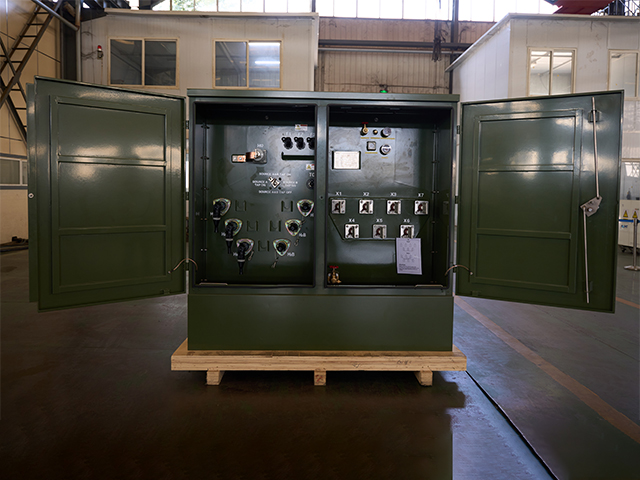
The one phase to three phase transformer defines how single phase input converts into balanced three phase output. Performance depends on electrical design accuracy and load adaptability in transformer systems applications and conditions. Engineers evaluate conversion stability through voltage regulation, phase symmetry, and harmonic distortion control. Industrial systems rely on this structure for consistent power distribution in mixed-load environments. Selection criteria include insulation level, impedance matching, and core saturation limits. These factors determine whether the unit can sustain long-term operation under fluctuating grid demand. Reliable performance validation also requires standardized testing under IEC and IEEE frameworks. Proper configuration ensures minimal energy loss during phase conversion cycles and improves operational safety in industrial installations.
Electrical Ratings That Define one phase to three phase transformer Efficiency
Electrical ratings determine how efficiently a one phase to three phase transformer operates under load conditions. Voltage ratio, rated current, and power factor directly affect conversion quality. Designers optimize copper losses and iron losses to improve efficiency levels. A properly rated system reduces overheating risks and stabilizes output voltage. Industrial applications require precise matching between input supply and output demand. Efficiency is also influenced by short-circuit impedance and load balancing accuracy. High-quality transformers maintain stable operation even during peak demand cycles.
| Parameter | Typical Range | Impact |
|---|---|---|
| Voltage Ratio | 1:1 to 1:3 | Defines conversion compatibility |
| Efficiency | 95%–99% | Affects energy loss level |
| Power Factor | 0.8–0.99 | Impacts load stability |
Efficiency modeling depends heavily on thermal performance and winding quality. Engineers verify performance through load simulation and harmonic stress analysis. These results ensure long-term reliability in industrial power systems.
Core Design Factors Inside one phase to three phase transformer Systems
Core structure plays a critical role in energy conversion performance. Silicon steel laminations reduce eddy current losses and improve magnetic efficiency. Grain-oriented steel further enhances flux alignment inside the core. Designers optimize core geometry to reduce vibration and noise during operation. Proper stacking techniques improve mechanical strength and thermal dissipation.Core saturation limits define how much magnetic flux the system can handle safely. Exceeding this threshold increases distortion and energy loss. Insulation between laminations ensures electrical isolation and reduces heat buildup. Manufacturing precision directly impacts long-term stability. Engineers also evaluate no-load current to assess core efficiency during idle operation.
Winding Configuration Rules For one phase to three phase transformer Stability
Winding configuration determines phase balance and voltage distribution accuracy. The one phase to three phase transformer typically uses Delta and Star connections to stabilize output. Phase shifting techniques ensure smooth energy transition across all three outputs. Copper and aluminum conductors are selected based on conductivity and thermal endurance. Insulation layering prevents short circuits and enhances dielectric strength.
| Winding Type | Function | Benefit |
|---|---|---|
| Delta | High load support | Improved stability |
| Star | Voltage balancing | Neutral grounding |
| Hybrid | Phase correction | Reduced harmonics |
Proper winding alignment reduces leakage reactance and improves voltage regulation. Mechanical support structures prevent deformation under electromagnetic stress. Engineers conduct surge tests to ensure winding durability under fault conditions.
Thermal Management Standards In one phase to three phase transformer Units
Thermal performance defines operational safety and lifespan. Heat generation occurs due to copper losses and core hysteresis effects. Cooling methods include natural air cooling, oil immersion, and forced ventilation systems. Temperature sensors monitor hotspot conditions in real time. Insulation class selection determines maximum allowable operating temperature.In high-voltage industrial systems, 110 kV Oil-Immersed Power Transformer units often rely on advanced oil circulation to maintain thermal stability. Efficient heat dissipation prevents insulation degradation and improves long-term reliability. Proper ventilation design reduces thermal stress during peak loads. Engineers also analyze ambient temperature impact before installation. Thermal modeling ensures safe operation under continuous industrial demand.
Protection And Safety Specs For one phase to three phase transformer Operation
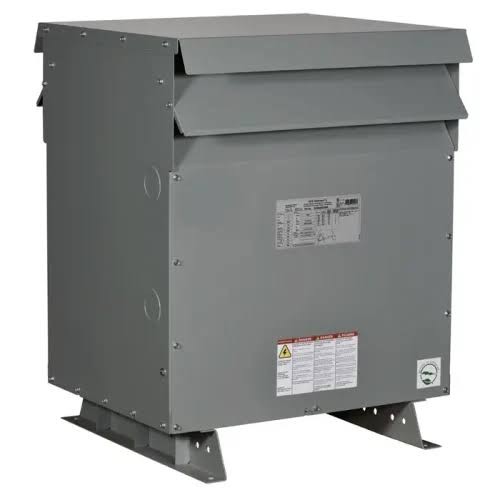
Protection systems prevent catastrophic failure during abnormal operating conditions. Overcurrent relays, surge arresters, and differential protection systems form the core safety architecture. Insulation resistance testing ensures electrical separation integrity. Fault detection systems respond quickly to short circuit events. Grounding design reduces shock hazards and stabilizes system voltage.In high-capacity infrastructure, 220 kV Oil-Immersed Power Transformer installations require advanced protection coordination to manage grid-level disturbances. Safety compliance follows IEC 60076 standards for transformer systems. Mechanical pressure relief devices prevent tank rupture under fault conditions. Regular diagnostic testing ensures early fault detection and reduces downtime risk.
Testing Standards That Confirm one phase to three phase transformer Reliability
Testing procedures validate operational reliability under controlled conditions. Routine tests include ratio measurement, insulation resistance, and load loss evaluation. Type tests assess thermal endurance and dielectric strength. Special tests simulate fault conditions to verify structural resilience.Factory acceptance testing ensures compliance with international standards. Partial discharge testing detects insulation weaknesses at early stages. Vibration and noise measurement confirm mechanical stability. Long-term reliability depends on accurate replication of real-world operating conditions during testing phases.
Installation Conditions Impacting one phase to three phase transformer Output
Installation environment directly affects transformer performance and lifespan. Altitude, humidity, and ambient temperature influence insulation and cooling efficiency. Proper grounding systems ensure electrical safety and stable operation. Load distribution planning prevents phase imbalance during startup conditions.
Mechanical foundation strength reduces vibration and structural fatigue. Cable routing must minimize electromagnetic interference. Ventilation clearance ensures efficient heat dissipation. Site preparation plays a crucial role in long-term operational stability and maintenance accessibility.
Maintenance Indicators For Transformer Lifespan Stability
Routine maintenance ensures consistent performance and prevents unexpected failures. Oil quality analysis identifies contamination and moisture ingress. Thermal imaging detects hotspot development in windings. Electrical testing verifies insulation degradation over time. Mechanical inspections assess structural integrity of tank and bushings.Transformer lifecycle management depends on predictive maintenance strategies. Load history analysis helps forecast component wear. Regular servicing improves efficiency and reduces operational risk. Maintenance scheduling ensures stable performance under continuous industrial usage conditions.
Cost And Efficiency Balance In Transformer Selection Strategy
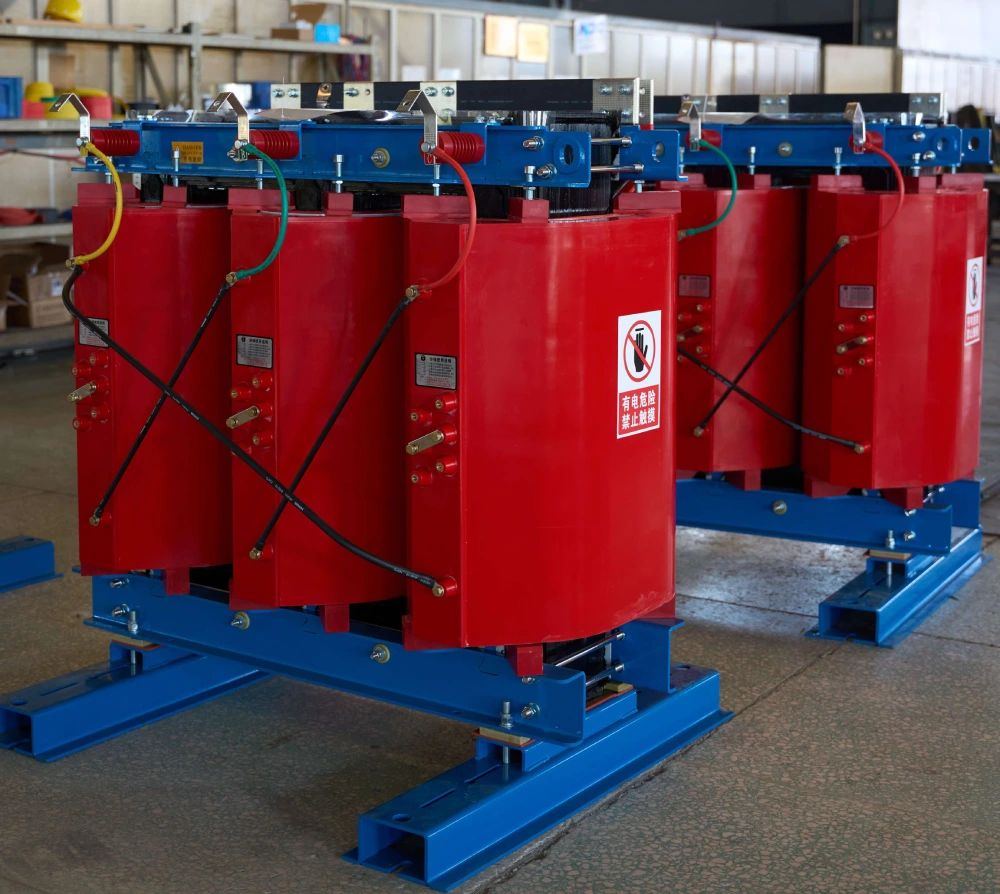
Cost evaluation includes material selection, manufacturing complexity, and operational efficiency. High-efficiency models reduce long-term energy expenses despite higher initial investment. Lifecycle cost analysis provides accurate decision-making data. Copper-based designs offer better conductivity but increase upfront cost.Aluminum alternatives reduce weight and material cost but may affect efficiency. Engineers balance performance requirements with budget constraints. System optimization ensures maximum return on investment while maintaining technical reliability. Proper selection improves overall grid performance and reduces energy waste.
FAQ
What voltage range is standard for this transformer type?
Standard voltage ranges depend on application scale and grid design requirements. Low-voltage industrial systems typically operate within 400V to 690V output configurations. Medium-voltage systems extend into several kilovolts depending on distribution needs. Input voltage stability directly affects conversion accuracy and phase balance. Engineers select insulation and winding configurations based on expected voltage stress levels. Proper rating ensures safe operation under variable load conditions. Voltage regulation systems help maintain consistent output performance during fluctuations.
How is efficiency measured in phase conversion systems?
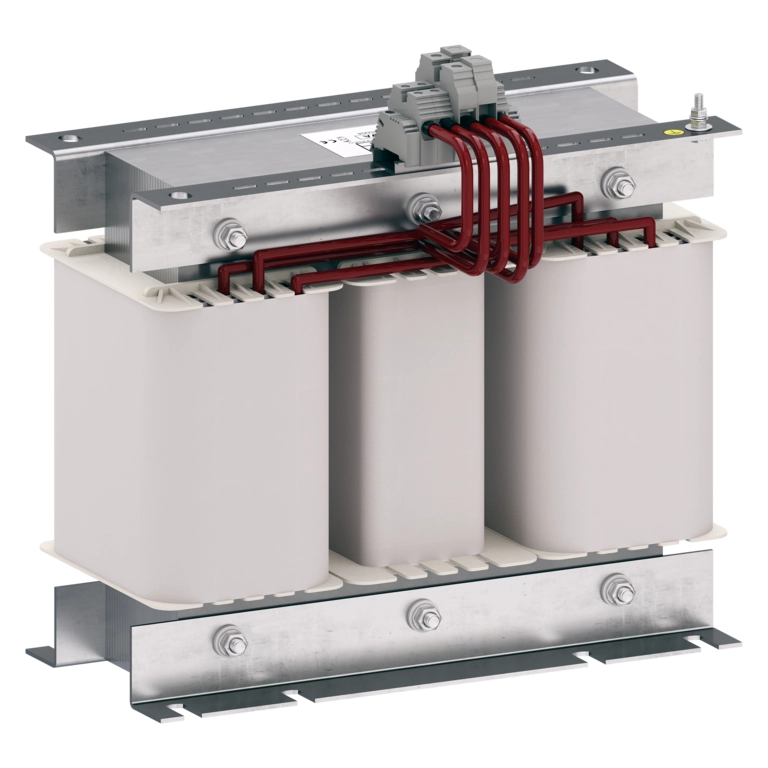
Efficiency measurement compares input power against usable output power under rated load conditions. Losses include copper losses in windings and core losses from magnetic hysteresis. Testing follows IEC 60076 and IEEE C57.12.90 standards accuracy. Load testing simulates real operational conditions to evaluate energy performance. Thermal behavior is also monitored during efficiency assessment. Higher efficiency indicates reduced energy waste and improved operational stability. Engineers use these results to optimize design and material selection.
What testing standards ensure long-term reliability?
International standards such as IEC 60076 define testing requirements for transformer systems. Tests include dielectric strength, temperature rise, and short-circuit endurance evaluations.
Routine factory tests confirm manufacturing consistency and performance compliance. Type tests validate design suitability for intended applications. Long-term reliability depends on repeated stress simulation and insulation performance verification. Diagnostic tools detect early-stage degradation before failure occurs. These procedures ensure safe, stable, and predictable operation in industrial environments.