
How To Choose Amorphous Core Transformer Suppliers?
-
Evaluate reputable amorphous core transformer suppliers through comparisons of actual core losses and international efficiency ratings.
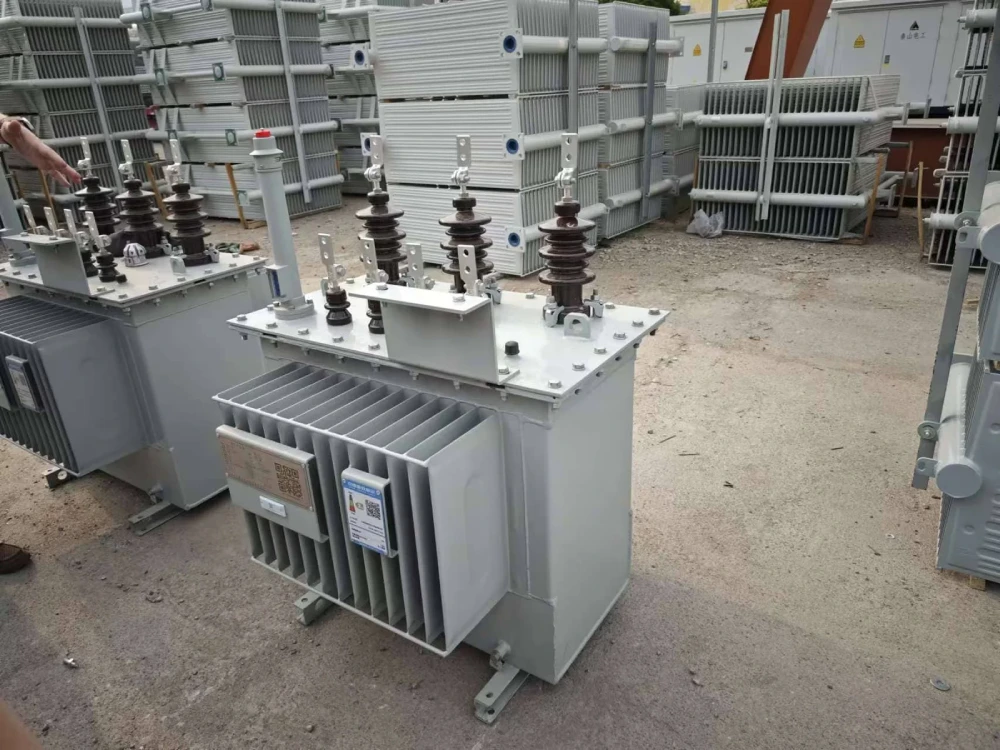
Modern electrical grids require highly efficient equipment to minimize transmission losses. Procuring energy-saving equipment has become a major priority for utility companies. Many utilities now seek reliable amorphous core transformer suppliers to upgrade outdated distribution networks. These systems dramatically lower utility operating costs over several decades of continuous service. Engineers prioritize magnetic efficiency during the initial procurement planning phase. Selecting high-quality partners ensures long-term grid stability and lowers carbon footprint values. Procurement managers must inspect the quality of raw alloy materials very closely. This proactive approach prevents unexpected equipment failures under harsh environmental operating conditions. Global distribution standards demand strict adherence to high efficiency metrics. Decision-makers evaluate technical credentials before signing any long-term supply agreements.
Manufacturing Standards of Amorphous Metal Transformer Manufacturers
Amorphous metal alloys feature a unique non-crystalline structure with highly disordered atomic arrangements. Rapid solidification processes cool the molten alloy at one million degrees Celsius per second. This extreme thermal treatment prevents the formation of standard crystalline grain boundaries. Consequently, the material exhibits extremely low coercivity and high electrical resistivity. These physical properties minimize eddy current losses within the magnetic core structure. Manufacturers utilize Fe-Si-B thin ribbons with a thickness of only twenty-five micrometers. Thin ribbons significantly reduce heating and thermal stress during normal operation cycles. Engineers apply specialized magnetic field annealing to optimize the material’s magnetic direction. This step ensures superior permeability and reduces magnetization energy requirements drastically. Advanced metallurgic testing verifies the quality of these rapid-quenched ribbon structures regularly.
Technical Specifications From Amorphous Core Transformer Suppliers
Evaluating diverse electrical metrics helps procurement teams select highly compatible distribution equipment. Specific core losses and noise levels vary greatly among different hardware designs. Professional engineering firms compile detailed technical parameters to assist global purchasing managers. The comparison includes critical values like no-load losses and short-circuit mechanical strength. Buyers must review these physical parameters before placing high-volume factory orders. Our engineering team assembled a comprehensive performance matrix for your evaluation. This data highlights the distinct operational differences across various core material classes. Utility operators can easily identify the optimal configuration for their regional grids. The following comparative data displays these core efficiency ratings clearly. Purchasing departments avoid high operating expenditures by utilizing this comparative overview.
| Core Material Type | No-Load Loss (W) | Noise Level (dB) | Saturation Induction (T) |
|---|---|---|---|
| Amorphous Metal Ribbon | 80 - 150 | 45 - 50 | 1.56 |
| Silicon Steel (CRGO) | 350 - 500 | 40 - 45 | 2.03 |
Analyzing Component Performance Metrics For Grid Integration
The tabulated metrics demonstrate the substantial performance gap between these two technologies. Amorphous ribbon cores reduce the overall no-load loss by roughly eighty percent. However, this non-crystalline material exhibits a slightly higher noise level during operation. The lower saturation induction requires a larger physical core cross-section area. Specialized amorphous core transformer suppliers solve these geometric limitations using advanced compact frame designs. They apply heavy epoxy coatings to the core edges to suppress vibrations. This mechanical modification reduces acoustic emissions to highly acceptable municipal levels. Engineers modify the clamp structures to withstand heavy electromagnetic forces during faults. Consequently, modern units deliver superior mechanical durability alongside exceptional energy conservation benefits. Procurement experts carefully weigh these factors to achieve optimal operating balance.
Quality Benchmarks From Amorphous Alloy Grid Equipment Providers
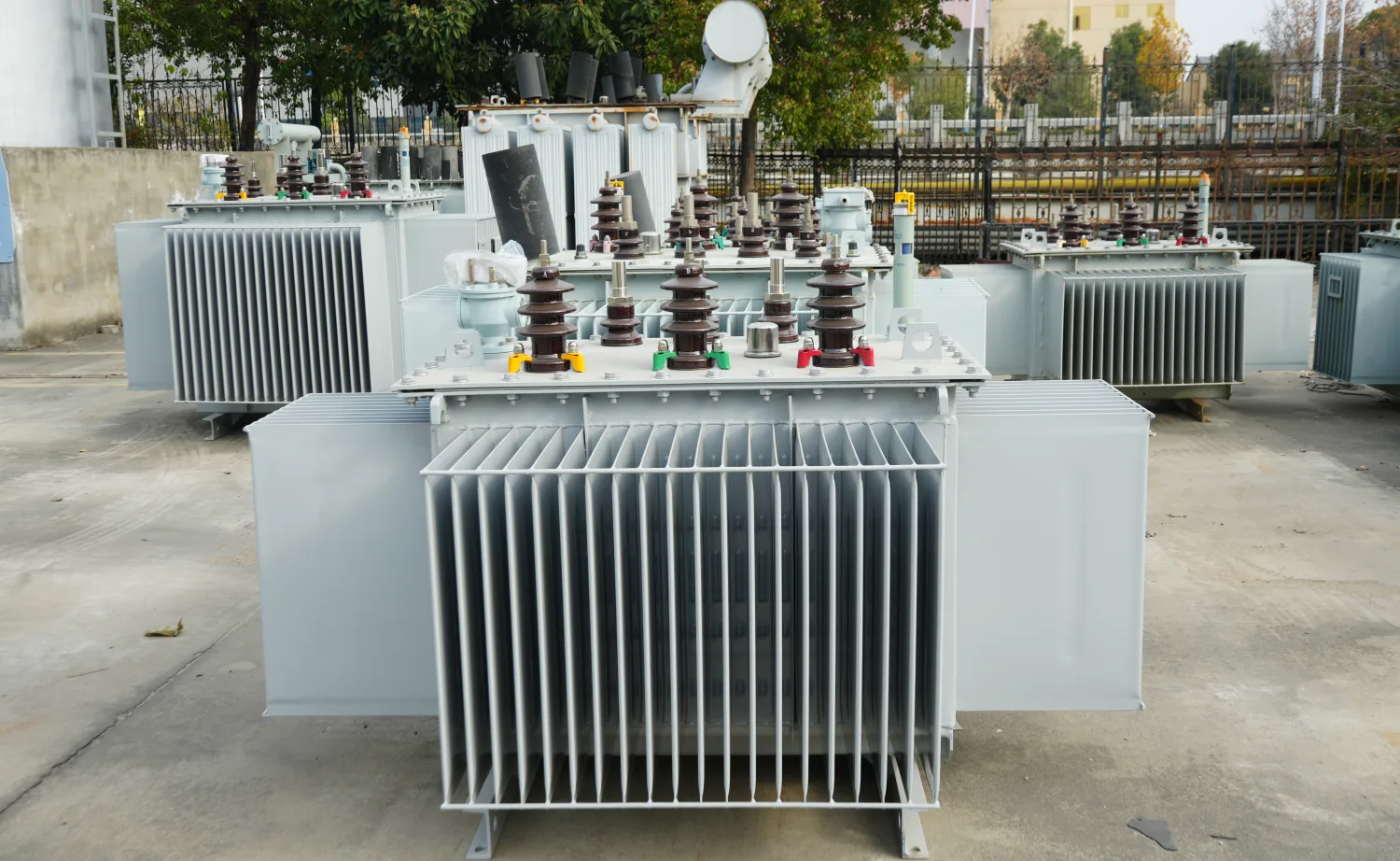
International standards regulate the manufacturing processes of high-efficiency utility equipment. Factories must subject every production batch to rigorous diagnostic testing routines. These evaluations guarantee that the equipment survives sudden lightning surges on the grid. Technical teams verify the electrical insulation integrity of every single wound coil. A comprehensive testing suite includes impulse voltage and partial discharge tests. Reliable factories publish these certified test results to prove product reliability. We have summarized the main quality testing requirements in a clean matrix. This overview helps procurement teams identify verified suppliers in a crowded global marketplace. Highly qualified factories strictly execute these quality validation steps on their production lines. Customers benefit from long equipment life when factories follow these strict protocols.
| Standard Test Name | Required Standard Value | Main Target Parameter |
|---|---|---|
| Lightning Impulse Test | Full wave 75 kV | Insulation level verification |
| Temperature Rise Test | Maximum 65 K limit | Thermal load capability |
| Partial Discharge Test | Less than 10 pC | Internal insulation voids |
Deciphering Safety Standards For High Voltage Grids
The testing matrix outlines the safety limits that protect regional electrical networks. Strict lightning impulse testing verifies that the internal coil insulation handles high overvoltages. Thermal limits prevent accelerated degradation of the solid insulating paper over time. Modern amorphous core transformer suppliers conduct these evaluations inside highly specialized test labs. Voids in the insulation system generate dangerous partial discharges during continuous operation. Advanced diagnostic equipment measures these discharges down to the picocoulomb level. Keeping these values low ensures that the unit remains stable for decades. Heavy utility operators examine these test certificates before approving any delivery shipments. Accurate documentation confirms that the manufacturing plant maintains exceptional assembly quality control. This verification routine guarantees absolute safety for nearby residential communities.
Procurement Checklists From Efficient Core Transformer Vendors
Procuring high-value electrical assets requires a highly structured evaluation process. Engineering departments must verify several critical components before choosing their supply partners. A systematic approach prevents costly installation mistakes and subsequent operating downtime. Strategic buyers follow a comprehensive checklist to evaluate different manufacturing options systematically. This practice ensures that the chosen equipment meets all local environmental conditions. Our team compiled a list of the most essential procurement evaluation criteria. This list highlights the critical factors that demand immediate attention from engineers. We strongly recommend analyzing these parameters during the early project design phase. Following these recommendations ensures smooth integration into your existing electrical grid. Systematic evaluations significantly reduce overall project risks for utility companies worldwide.
- Core Material Sourcing: Verification of high-grade Fe-Si-B amorphous ribbon origins.
- Short-Circuit Capability: Certified reports demonstrating mechanical strength during grid faults.
- Clamping Mechanism Design: Advanced low-stress core clamping to minimize physical ribbon stress.
- No-load Loss Performance: Demonstrated compliance with international energy conservation standards.
Detailed Assessment Of Distribution Equipment Suppliers
The compiled list emphasizes the critical technical factors for substation design success. High-grade Fe-Si-B ribbon sourcing determines the fundamental energy efficiency of the magnetic core. Furthermore, mechanical clamping must protect the fragile amorphous metal ribbons from severe mechanical vibrations. Experienced amorphous core transformer suppliers design specific clamps to distribute the pressure evenly. This specialized engineering prevents structural damage during high-current short-circuit events on the grid. Procurement teams must request certified testing reports to confirm these load limits. Ensuring compliance with local grid codes eliminates compatibility issues during final field commissioning.
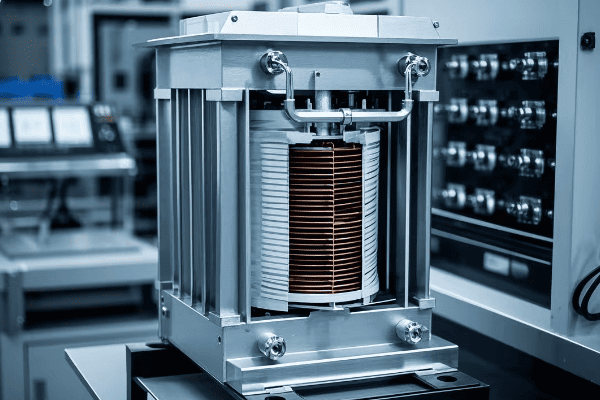
Engineers utilize this detailed checklist to select highly reliable equipment for critical substations. Taking these precautions protects the utility network from premature component wear and catastrophic failures. Experienced manufacturers provide comprehensive documentation to simplify this complex validation process.
Customization Capabilities and Engineering Support Services
Every electrical grid has unique operating requirements and physical space constraints. Leading manufacturers offer custom engineering services to meet these specialized local conditions. They design customized vector groups and dual-voltage configurations for municipal distribution projects. For instance, utility teams frequently request a custom 10kV Oil-immersed Transformer for suburban residential substations. These robust liquid-filled units provide reliable cooling and long-lasting insulation performance in hot climates. Specialized design software optimizes the core geometry to minimize overall equipment footprints. Consequently, purchasing companies can retrofit older substations without modifying existing concrete pads. Qualified engineers supervise the entire custom manufacturing process to ensure strict standard compliance. This cooperative approach guarantees that the final customized units perform flawlessly in the field. Global operators prefer suppliers who demonstrate strong custom engineering capabilities consistently.
Logistics and Lead Times of High Efficiency Grid Equipment Manufacturers
Securing a reliable supply chain prevents costly construction delays on major infrastructure projects. Purchasing managers assess factory capacity and raw material stock levels before finalizing contracts. For high-voltage transmission lines, utilities often procure a heavy 35 kV oil-immersed Transformer from verified vendors. These heavy units require meticulous logistics planning and specialized low-vibration shipping methods. High-efficiency amorphous core transformer suppliers coordinate with international shipping lines to ensure safe delivery. Automated core winding machinery accelerates manufacturing schedules and maintains consistent physical dimensions. Consequently, top-tier factories offer shorter lead times during peak demand seasons globally. Technical support teams assist with local logistics clearance to streamline the customs process. This careful coordination guarantees that equipment arrives at the installation site completely undamaged. Reliable delivery schedules maintain project timelines and reduce financial holding costs significantly.
FAQ
What is the typical service life of an amorphous alloy transformer?
The service life of these high-efficiency units typically exceeds thirty years of continuous grid operation. Proper maintenance of the liquid insulation preserves the core structure from environmental degradation. Leading amorphous core transformer suppliers apply specialized rust-prevention coatings to the fragile alloy ribbons. This step prevents moisture ingress from causing physical deterioration of the magnetic core over time. High-quality paper insulation handles thermal stress during peak electrical load periods without breaking down. Regular oil testing helps utility operators detect internal electrical issues before failures occur. Consequently, these units match the standard operating lifespan of traditional silicon steel equipment. Robust mechanical construction ensures long-term operational stability under extreme outdoor conditions.
How does no-load loss compare to traditional silicon steel?
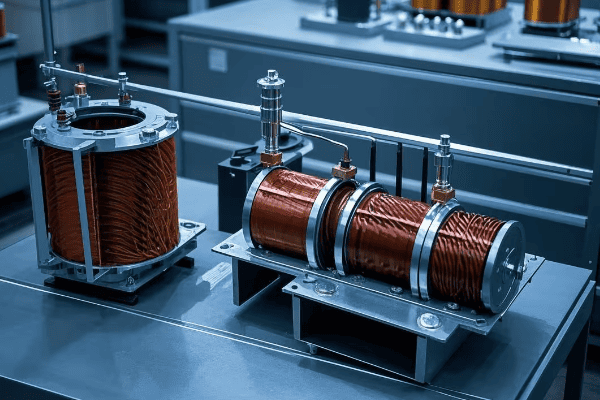
These advanced units reduce no-load losses by seventy to eighty percent compared to silicon steel. Traditional silicon steel cores have a crystalline structure that resists changes in magnetic direction. In contrast, the non-crystalline atomic arrangement of amorphous ribbons enables effortless magnetization and demagnetization. This physical difference reduces hysteresis losses to exceptionally low levels during grid operations. Additionally, the thin ribbon geometry increases electrical resistance to suppress eddy current generation.