
What Is Low Voltage Switchgear?
-
Evaluate what is low voltage switchgear, its industrial standards, main components, and key selection criteria for power distribution.
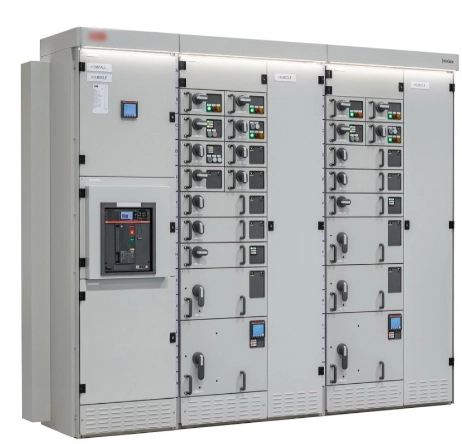
Electricity powers modern industrial plants and commercial buildings safely. Engineers must control this power flow with reliable distribution assemblies. Many facility managers ask what is low voltage switchgear to choose correct systems. This equipment operates at electrical levels up to one thousand volts alternating current. Solid metal enclosures house all the necessary internal switching devices securely. Operators use these integrated panels to distribute power to downstream loads. Reliable breakers protect connected motors and feeders from severe overcurrent damage. Industrial operations require constant uptime to maintain high production rates daily. Proper power distribution prevents costly downtime in large manufacturing facilities. Standard configurations include main incoming units and multiple outgoing feeder circuits. These systems provide critical safety boundaries for maintenance personnel during inspections.
Core Operational Functions of Distribution Assemblies
Electrical distribution systems handle high energy loads across different facility zones. Safety devices must isolate faulted sections quickly to prevent widespread blackouts. Circuit breakers trip automatically when they detect dangerous short circuit events. Operators can also manually disconnect specific grid sections for routine upgrades. This flexibility allows technicians to service local networks without stopping main operations. Sometimes, incoming utility power connects directly to a heavy duty substation. A 10kv -35kv Dry Type Transformer often steps down high incoming voltage. The distribution assembly then receives this stepped down power safely. Protective relays monitor voltage fluctuations and send signals to trip mechanisms. Current transformers measure the actual energy flow to detect abnormal loading conditions. Proper control logic coordinates these devices to ensure highly selective protection schemes.
Crucial Hardware Components in Switchgear Units
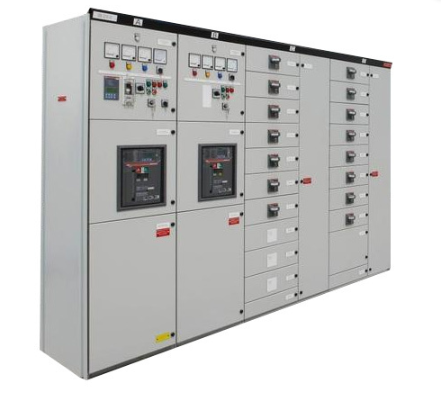
Modern switchgear assemblies contain several specialized mechanical and electrical parts. Air circuit breakers serve as the primary protective devices for high currents. Molded case circuit breakers protect smaller downstream branch circuits from overload. Copper busbars run through the back section to carry heavy electrical currents. These metal bars must withstand high thermal stresses during fault conditions. Some systems connect to a 10 kV Oil-immersed Transformer for power supply. Instrument panels on the front door display real time operational metrics. Digital meters track voltage, active power, and total harmonic distortion constantly. Control wiring connects these meters to external monitoring and control systems. Insulating materials prevent dangerous electrical arcs from jumping between adjacent phases. Solid ground bars provide a safe path for fault currents to dissipate.
Main Classification of Low Voltage Power Systems
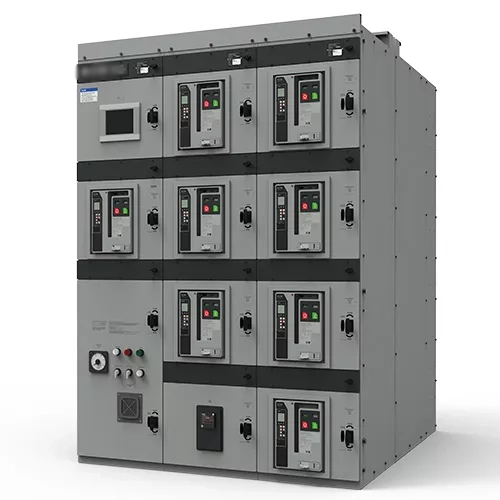
Manufacturers design different switchgear configurations to meet diverse site constraints. Metal enclosed switchgear features individual compartments for distinct electrical functions. This design isolates breakers, busbars, and cable connections into separate spaces. Drawout type units allow operators to remove breakers quickly for maintenance. Technicians can pull out a single cradle without turning off the entire board. Fixed type switchgear offers a more economical solution for simpler power grids. These units require manual bolting and complete power shutdowns during service. Smart switchgear incorporates advanced communication modules for remote system control. Facility managers can monitor power parameters from a centralized control room. Intelligent systems predict potential component failures before they cause actual outages. Choosing the right structural class depends on budget and operational flexibility needs.
| Feature | Fixed Switchgear | Drawout Switchgear |
|---|---|---|
| Maintenance Speed | Slow (requires bolting) | Fast (slide-out cradle) |
| Initial Cost | Lower initial investment | Higher initial investment |
| Operational Safety | Standard safety levels | Excellent safety design |
Explaining Drawout Versus Fixed What Is Low Voltage Switchgear Systems
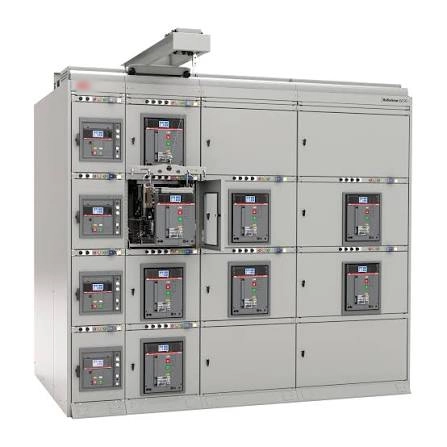
Deciding between fixed and drawout options impacts long term operating costs significantly. Fixed units remain ideal for facilities with low frequency maintenance needs. These plants do not mind short power outages during routine component testing. Larger industrial operations usually select the more flexible drawout configurations instead. Quick breaker replacement minimizes factory downtime and keeps production running smoothly. Safety shutters block live busbars automatically when operators remove the breaker cradle. This mechanism prevents accidental human contact with high voltage parts inside. Operators must analyze their specific uptime requirements before selecting a final design. Facility managers balance these technical benefits against initial budget limits during planning. Proper engineering choices ensure maximum electrical safety and long term system reliability. Engineers should review both operational safety and maintenance speed before purchasing panels.
| Standard | Global Region | Core Focus |
|---|---|---|
| IEC 61439 | Europe and Asia | Verification of design and temperature rise |
| ANSI/UL 1558 | North America | Short circuit testing and construction rules |
Analyzing Global Manufacturing Standards and Testing
Manufacturing standards ensure different brands of power panels operate safely together. International markets rely heavily on the comprehensive IEC 61439 standard criteria. American installations follow strict UL 1558 testing protocols for rugged construction. Testing laboratories verify temperature rise limits to prevent long term thermal degradation. These tests guarantee that internal busbars do not overheat under full loads. Short circuit withstand tests confirm that panels survive severe fault currents physically. Enclosure ratings like IP codes define protection against dust and water ingress. Dust tight cabinets work best in heavy mining and cement processing plants. Indoor commercial projects usually require lower protection levels for standard installations. Selecting certified equipment reduces insurance costs and guarantees safe electrical operation. Safety certificates provide peace of mind to facility owners and local inspectors.
- Always de-energize incoming feeders before opening cabinet doors.
- Wear appropriate personal protective equipment to prevent arc flash injuries.
- Perform regular thermal imaging to detect hot connections early.
- Clean accumulated dust from insulating surfaces using approved solvents.
Implementing Safety Protocols for Maintenance Teams
Regular maintenance prevents unexpected electrical failures and protects nearby service personnel. Thermal imaging detects high resistance connections before they cause catastrophic fires. Many maintenance teams ask what is low voltage switchgear safety distance to prevent accidents. Arc flash hazards pose extreme physical risks to operators during live testing. Wearing proper fire resistant suits shields technicians from sudden intense heat blasts. Dust buildup on insulating sheets creates conductive paths for surface tracking currents. Routine cleaning removes these paths and maintains high insulation resistance values. Tightening loose bolts on main busbars prevents localized overheating under load. Documenting test results helps engineers predict the remaining lifespan of breakers. Well maintained power systems perform reliably for decades under harsh factory conditions. Facility safety officers must schedule these inspections at least once every year.
Crucial Selection Parameters for Industrial Buyers
Industrial buyers must evaluate several technical criteria before purchasing distribution panels. First, check the rated current to ensure the system handles peak electrical loads. Buyers must check what is low voltage switchgear capacity to avoid overloading circuits. Short circuit withstand ratings define the maximum current a panel can survive safely. Insufficient ratings lead to catastrophic physical damage during unexpected electrical faults. Copper busbars offer superior conductivity compared to cheaper aluminum options. Environmental factors like humidity require space heaters inside the enclosure compartments. These heaters prevent condensation from forming on critical electrical insulation barriers. Intelligent meters with Modbus protocols allow easy integration into local SCADA systems. Remote monitoring capabilities improve operational safety by reducing manual checks significantly. Choosing certified manufacturers guarantees long term support and parts availability.
Future Trends in Power Distribution Design
Smart electrical grids require highly adaptive power distribution equipment to manage loads. Modern designs focus heavily on reducing carbon footprints and increasing energy efficiency. Digital twins help operators simulate fault conditions without risking actual hardware. Virtual models predict maintenance needs by analyzing real time operational data. Sensors monitor joint temperatures constantly to detect loose bolts before failures occur. This constant monitoring reduces the need for dangerous manual thermal imaging tasks. Eco friendly insulating gases replace old chemical materials to protect the environment. These innovations ensure safer workplaces for operators and maintenance technicians. Modular structures allow easy future expansion as facility power demands grow. Connected facilities invest in these advanced technologies to secure long term stability. Investing in modern designs protects industrial assets from rapid technological obsolescence.
FAQ
What are the primary safety features of this equipment?
Operators remain safe due to advanced mechanical interlocks and robust steel enclosures. These locks prevent users from opening doors while the breaker is active. People often ask what is low voltage switchgear safety mechanism during major faults. Internal barriers isolate separate compartments to contain hazardous electric arcs. Pressure relief vents direct explosive gases upward, away from nearby maintenance technicians. Automatic shutters block contact with live busbars when you pull a breaker. Insulated busbars reduce the risk of phase to phase short circuits significantly. Proper grounding connections ensure any fault current flows safely into the earth. Protective glass windows allow safe visual inspection of contacts without opening panels.
How often should maintenance teams inspect these power systems?
Facilities should perform basic visual inspections at least once every month. Technicians check indicator lights, monitor ambient temperatures, and inspect for dust. Comprehensive shutdown maintenance must occur annually to ensure optimal system performance. Engineers measure contact resistance and test protective relay trip times during shutdowns. Thermal imaging scans are vital every six months under full load conditions. These infrared checks identify loose joints before they create massive thermal damage. Harsh industrial environments require more frequent testing to prevent sudden component corrosion. Regular testing logs help operators predict future part failures and plan budgets. Proper care extends the operational life of electrical components by fifteen years.
What are the differences between standard ratings?
Ratings differ based on maximum voltage levels and short circuit withstand capacity. Continuous current ratings define the load a panel carries without overheating. Peak withstand current ratings show the maximum mechanical force busbars can survive. Standard commercial buildings usually require much lower short circuit ratings than factories. Industrial manufacturing plants need heavy duty systems to handle massive motor loads. Outdoor systems require weather resistant enclosures to block rain and blowing dust. Indoor equipment relies on standard ventilation holes to maintain cool operating temperatures. Selecting incorrect ratings leads to premature gear failure and dangerous workplace hazards. Consulting professional electrical distribution engineers ensures correct rating choices for your site.