
How To Choose 20kva Single Phase Transformer?
-
20kva single phase transformer delivers stable voltage control, certified insulation, efficient cooling, reliable performance.
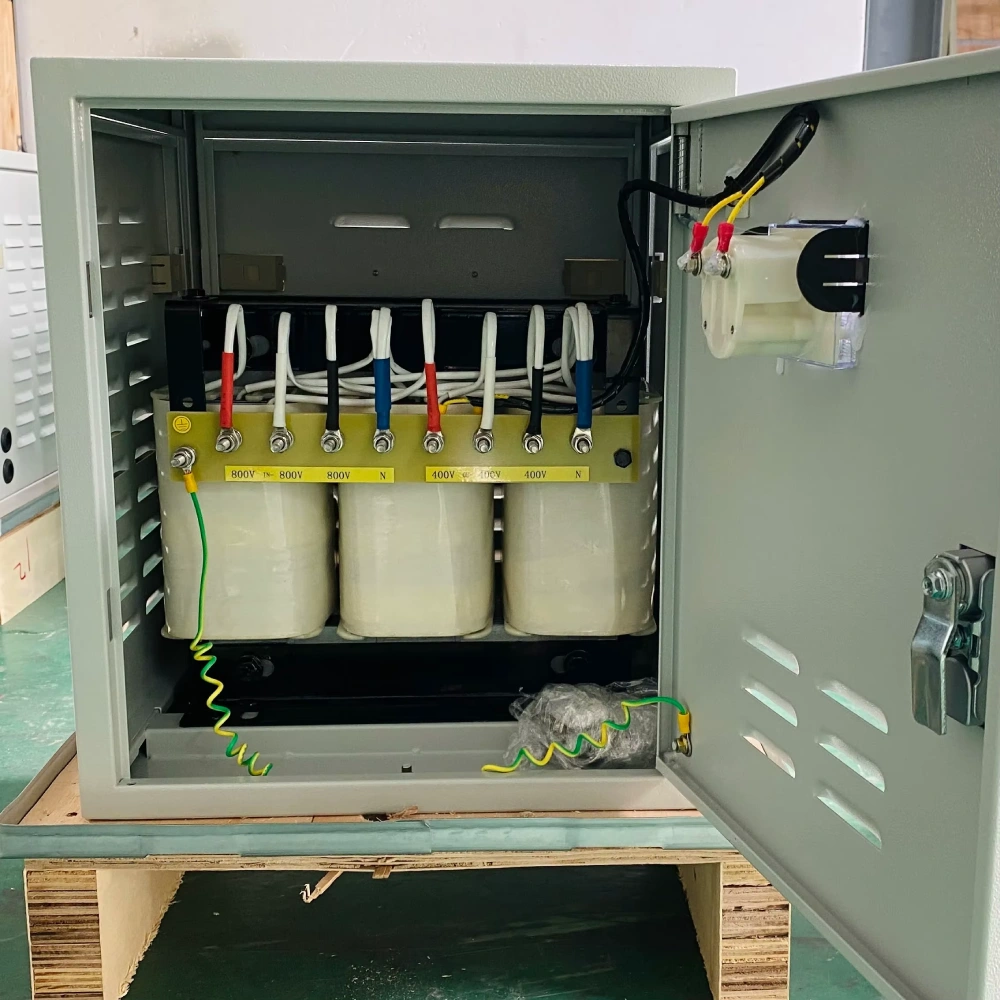
Industrial facilities require accurate power distribution for continuous equipment operation. A 20kva single phase transformer supports moderate electrical loads across many commercial systems. Manufacturing workshops often depend on stable voltage during extended production cycles. Sudden voltage variation can damage motors, control boards, and sensitive automation devices. Electrical engineers evaluate startup current before selecting transformer capacity for industrial projects. Oversized systems increase operating expense and reduce overall electrical efficiency. Smaller units often create overheating problems during high demand conditions. Load calculation should include lighting equipment, compressors, and temporary surge requirements. Many industrial buyers maintain additional safety margins for future expansion projects. Reliable capacity planning improves equipment lifespan and reduces unexpected shutdown frequency. Careful transformer selection also improves energy management across modern industrial facilities.
Key electrical specifications for 20kva single phase transformer
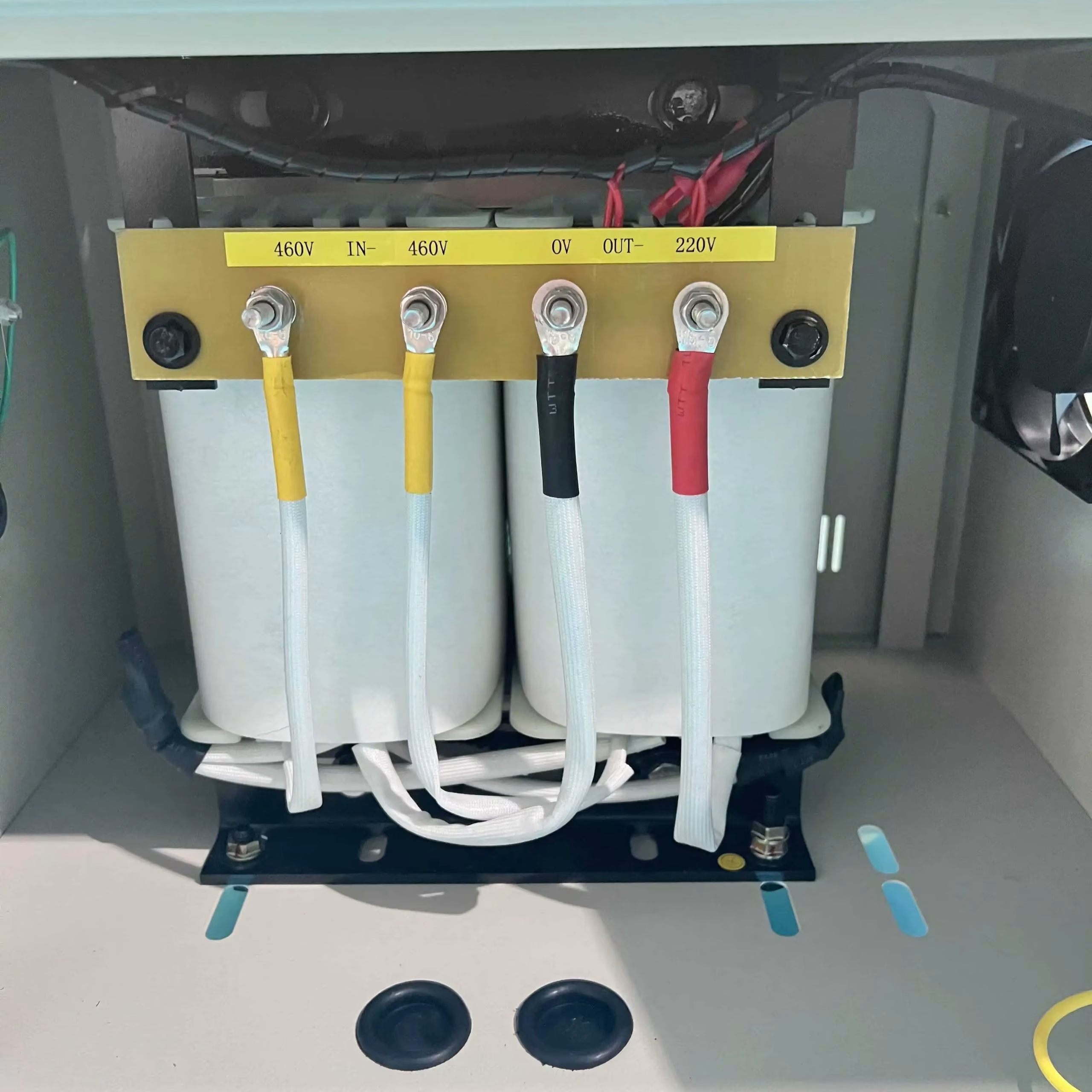
Electrical specifications directly influence equipment safety and operating consistency. A 20kva single phase transformer normally supports several industrial voltage combinations. Common primary voltages include 220V, 380V, and 480V industrial input systems. Secondary voltage options often match machinery control circuits and lighting equipment. Frequency compatibility remains important for international manufacturing operations and export facilities. Most industrial systems operate under 50Hz or 60Hz electrical standards worldwide. Insulation class affects thermal endurance during continuous industrial production cycles. High quality insulation materials reduce dielectric breakdown during prolonged heavy load conditions. Copper windings usually provide lower resistance and stronger thermal stability. Short circuit impedance also influences operational safety and voltage regulation performance. Technical specifications should always match actual operating conditions inside industrial facilities.
How 20kva single phase transformer supports industrial equipment
Modern production facilities require consistent voltage delivery across multiple industrial applications. A 20kva single phase transformer supports automated machinery, packaging systems, and conveyor equipment. CNC processing equipment depends on stable electrical output during precision manufacturing operations. HVAC systems also require controlled voltage for efficient compressor performance and temperature regulation. Electrical instability often reduces motor lifespan and increases maintenance frequency inside factories. Some industrial sites combine transformers with voltage regulators for enhanced operational consistency. Data centers sometimes install dedicated transformers for isolated equipment protection and power conditioning. Stable power distribution minimizes production interruption during demanding industrial operating schedules. Several manufacturers integrate intelligent monitoring systems for real time thermal performance evaluation. The 10 kV Oil-immersed Transformer remains common inside heavy industrial environments requiring higher distribution capacity. Industrial procurement teams usually compare efficiency ratings before approving transformer installation projects.
| Configuration Type | Efficiency Level | Typical Application |
|---|---|---|
| Open Delta | Moderate | Light industrial loads |
| Closed Delta | High | Heavy manufacturing systems |
Core materials and winding structure performance
Core materials significantly influence electrical efficiency and operational heat generation. High grade silicon steel reduces magnetic loss during continuous industrial transformer operation. Precision laminated cores also decrease vibration and unwanted acoustic noise generation. Copper winding structures provide excellent conductivity under demanding electrical load conditions. Aluminum windings reduce initial purchase cost but increase long term resistance values. Thermal stability becomes critical during extended industrial production schedules and seasonal temperature changes. Resin coated insulation improves moisture resistance inside humid manufacturing environments and coastal facilities. Mechanical winding stability prevents movement during short circuit stress and sudden electrical surges. Several industrial facilities prefer vacuum pressure impregnation for enhanced insulation durability. Manufacturers often perform impulse testing before shipping industrial transformer equipment worldwide. Careful material selection improves long term reliability and decreases operational maintenance expense significantly.
Safety standards and certification requirements
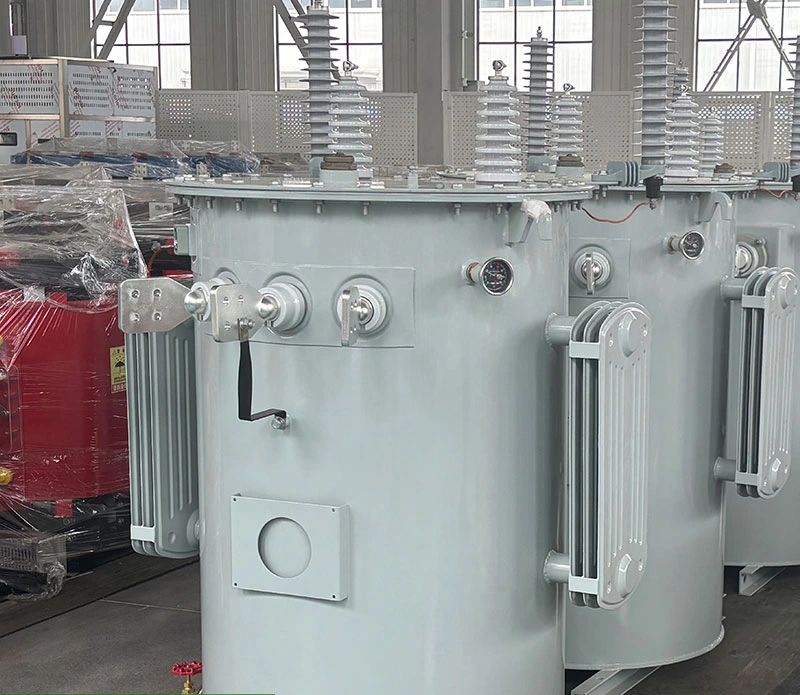
Industrial electrical systems require strict compliance with recognized international safety standards. Certified transformers improve operational reliability and reduce electrical accident risks significantly. Many industrial buyers request IEC certification before approving commercial transformer procurement projects. UL certification also remains important for export focused manufacturing companies and contractors. Overload protection systems prevent excessive temperature growth during unstable electrical operating conditions. Short circuit protection devices reduce equipment damage during unexpected electrical fault situations. Thermal monitoring sensors provide continuous temperature tracking across winding and insulation structures. Arc resistant enclosure designs improve personnel safety inside industrial operating environments. Grounding systems also support electrical stability and protection against dangerous voltage leakage. The 10kv -35kv Dry Type Transformer often supports indoor industrial applications requiring reduced fire hazards. Certified products usually deliver stronger long term performance across demanding industrial environments.
Installation environment and maintenance planning
Installation conditions strongly influence transformer operating lifespan and thermal efficiency performance. Indoor systems require proper ventilation for effective heat dissipation during continuous operation. Outdoor installations need weather resistant enclosures and moisture protection systems for stable performance. Excessive humidity often damages insulation materials and increases electrical leakage risks significantly. Dust accumulation also restricts cooling airflow across transformer housing and winding structures. Industrial maintenance teams normally inspect terminal connections and insulation resistance regularly. Infrared thermal scanning helps identify overheating components before severe equipment failure develops. Routine oil analysis supports condition monitoring inside liquid cooled transformer systems. Maintenance schedules should match actual operating load and environmental exposure conditions. Reliable inspection procedures reduce unexpected downtime and improve industrial production continuity. Preventive maintenance also decreases repair costs throughout long term transformer operation cycles.
Technical comparison table for transformer selection
| Specification | Dry Type | Oil Immersed | Industrial Application |
|---|---|---|---|
| Cooling Method | Air Cooling | Oil Circulation | Indoor Manufacturing |
| Maintenance Demand | Low | Moderate | Commercial Facilities |
| Fire Resistance | High | Moderate | Data Centers |
| Thermal Stability | Stable | Excellent | Heavy Machinery |
Industrial engineers compare transformer structures before selecting equipment for demanding operating environments. Cooling performance directly affects thermal stability during extended industrial production schedules. Dry type systems generally support indoor facilities with strict fire safety requirements. Oil immersed systems often handle heavier electrical loads and continuous operating conditions. Environmental restrictions also influence transformer selection across commercial and manufacturing sectors. Several facilities prioritize compact installation layouts for limited industrial operating spaces. Noise reduction remains important for hospitals, laboratories, and precision manufacturing facilities. Procurement managers frequently review lifecycle maintenance costs before approving transformer investments. Technical evaluation should include insulation durability, efficiency ratings, and cooling reliability. Proper comparison procedures improve operational safety and long term industrial performance significantly.
Supplier evaluation and production quality control
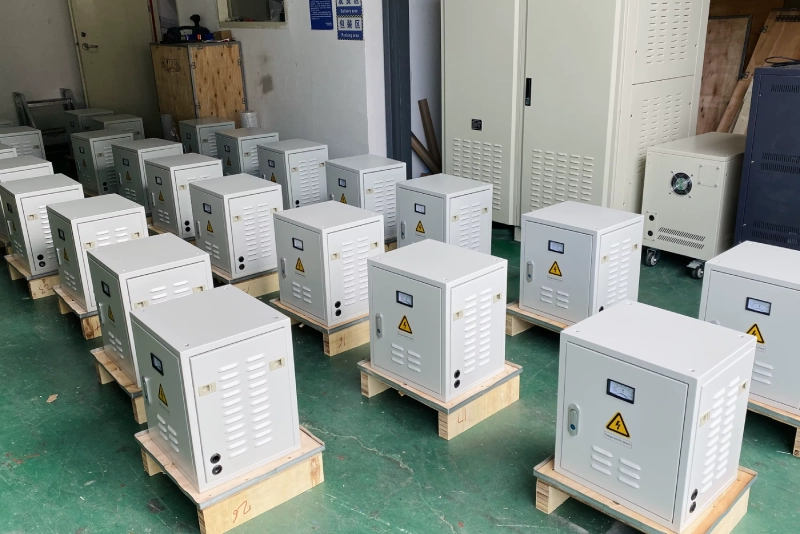
Supplier evaluation supports consistent product quality and reliable project execution performance. Industrial buyers often review manufacturing capability before approving transformer procurement contracts. Factory audits usually examine winding processes, insulation systems, and testing equipment conditions. Quality control departments perform dielectric testing and thermal inspection before shipment procedures. Traceability systems record raw material sourcing and production batch information carefully. Several manufacturers maintain automated testing stations for consistent electrical measurement accuracy. Procurement managers also review engineering support capability and technical documentation standards. Export experience remains important for companies serving international industrial construction projects. Reliable suppliers normally provide warranty coverage and responsive after sales technical assistance. Delivery scheduling also affects installation planning inside large manufacturing expansion projects. Strong production management improves transformer consistency and reduces operational risk significantly.
Performance comparison table for industrial transformer systems
| Performance Factor | Industrial Benefit | Operational Impact | Evaluation Priority |
|---|---|---|---|
| Voltage Regulation | Stable Equipment Output | Reduced Downtime | High |
| Energy Efficiency | Lower Electricity Expense | Reduced Heat Loss | High |
| Insulation Quality | Improved Safety | Longer Lifespan | Medium |
| Thermal Resistance | Continuous Operation | Lower Failure Risk | High |
Industrial purchasing teams compare operational performance before selecting electrical distribution equipment. Voltage regulation strongly affects automation systems and precision industrial production machinery. Efficient transformer systems reduce electrical loss and improve long term operating profitability. High quality insulation materials also support safer industrial operating environments worldwide. Thermal resistance becomes critical during continuous production cycles and heavy electrical demand. Procurement managers usually compare testing documentation and factory certification records carefully. Lifecycle performance often influences purchasing decisions more than initial equipment pricing values. Reliable transformer operation reduces maintenance interruption and improves industrial scheduling consistency. Several factories prioritize energy efficiency because electricity expense continues increasing globally. Detailed performance comparison improves equipment reliability across complex industrial operating environments.
Cost factors and long term operating value
Industrial investment decisions usually balance purchase price with operational reliability requirements. A 20kva single phase transformer with efficient cooling reduces long term electricity consumption significantly. High efficiency systems normally generate lower thermal loss during continuous industrial operation. Reduced heat generation also decreases insulation stress and maintenance frequency considerably. Several industrial buyers prioritize durable components over lower initial procurement expense. Copper winding structures often increase lifespan and improve voltage regulation consistency. Reliable transformer performance minimizes costly production interruptions inside manufacturing facilities worldwide. Installation expense also depends on enclosure type, cooling method, and environmental protection requirements. Preventive maintenance programs usually lower unexpected repair costs across industrial operating cycles. Long term operational value remains critical for factories requiring stable electrical distribution performance. Procurement strategies should balance efficiency, reliability, and future industrial expansion planning.
Important purchasing considerations for industrial buyers
Industrial procurement teams evaluate several technical and commercial factors before approving transformer purchases. A 20kva single phase transformer should match actual operating voltage and load conditions precisely. Buyers also compare insulation class, cooling structure, and enclosure durability carefully. Factory testing documentation supports product reliability and operational safety verification processes. International certification improves compatibility with industrial construction and export project requirements. Delivery capability often affects installation scheduling across large manufacturing expansion programs.
- Confirm voltage compatibility before final transformer procurement approval.
- Review insulation class for continuous industrial operating temperatures.
- Compare copper and aluminum winding performance carefully.
- Request complete testing documentation from transformer manufacturers.
- Verify warranty coverage and technical support response capability.
- Examine cooling structure suitability for operating environments.
- Evaluate supplier production capacity and export experience.
Careful procurement planning improves equipment consistency and long term industrial operating reliability. Technical comparison prevents incorrect transformer selection and unexpected electrical compatibility problems. Procurement managers often cooperate with engineers during industrial equipment evaluation procedures. Strong supplier communication also supports smoother installation and commissioning project execution. Several manufacturers provide customized enclosure structures for demanding industrial operating conditions. Industrial buyers normally prioritize stable delivery schedules for large construction projects worldwide. Technical documentation should include efficiency data, protection systems, and maintenance recommendations clearly. Detailed purchasing evaluation reduces operational risk and improves electrical system stability significantly.
FAQ
What industries use a 20kva single phase transformer most often?
Many industries depend on moderate capacity transformers for reliable daily electrical operation. Manufacturing workshops frequently use these systems for conveyor equipment and packaging machinery. Commercial buildings also require stable voltage for lighting systems and air conditioning equipment. Food processing facilities often support automated production lines through controlled electrical distribution systems. Medical laboratories sometimes install isolated transformers for sensitive diagnostic equipment protection. Agricultural processing plants also require dependable power distribution during seasonal production activities. Textile factories commonly operate sewing machinery and motor driven systems continuously. Small data centers may install dedicated transformers for server stability and equipment protection. Construction companies often use portable transformer systems during temporary industrial installation projects. Reliable transformer operation improves productivity and reduces unexpected operational interruption significantly.
How often should transformer inspections occur?
Inspection frequency depends on operating conditions, environmental exposure, and electrical load intensity. Most industrial facilities perform visual transformer inspections every month during regular maintenance schedules. Technicians usually examine terminal connections, insulation condition, and ventilation airflow carefully. Thermal scanning often identifies overheating components before severe operational damage develops. Industrial maintenance departments generally schedule complete electrical testing every twelve months. Facilities operating under extreme temperature conditions may require more frequent inspection procedures. Oil analysis remains important for liquid cooled transformer systems supporting heavy industrial equipment. Dust removal and enclosure cleaning also improve cooling efficiency and operational reliability significantly. Accurate maintenance records help technicians monitor performance trends across extended operating periods. Consistent inspection procedures reduce downtime and improve transformer operating lifespan considerably.
Which winding material performs better for industrial applications?
Copper winding structures usually provide stronger electrical conductivity and improved thermal stability performance. Industrial facilities often prefer copper because it handles demanding operating conditions effectively. Lower electrical resistance also improves voltage regulation during continuous production schedules significantly. Aluminum windings reduce purchase cost but typically generate higher operating resistance values. Several manufacturers still use aluminum for projects requiring lower initial investment expense. Mechanical durability also differs between both winding material structures during long term operation. Copper normally tolerates vibration and thermal cycling more effectively across industrial environments. Transformer efficiency often improves when manufacturers combine copper windings with quality insulation systems. Procurement teams usually compare lifecycle operating expense before selecting winding materials carefully. Material selection should match operational requirements, budget limitations, and long term industrial reliability expectations.