
What Are The Pros And Cons Of Types Of Transformer Core?
-
Compare the pros and cons of different types of transformer core. Maximize efficiency in industrial power distribution systems.
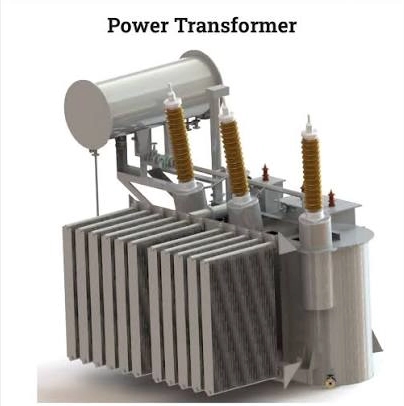
Modern electrical grids require highly efficient equipment to minimize energy losses during distribution. Engineers must evaluate different types of transformer core to achieve optimal performance. Magnetic cores channel the magnetic flux and directly affect system efficiency. Selecting the wrong design leads to massive heat generation and waste. Manufacturers use distinct materials like silicon steel or amorphous metal. Each material offers unique magnetic properties and structural benefits. Choosing the correct configuration reduces operating costs significantly over decades. This decision impacts grid reliability under fluctuating load conditions. Heavy industries rely on these devices for continuous plant operations. Proper core design ensures stable voltage regulation across the network. Industrial operators must analyze these details before finalizing their procurement specifications. Adequate planning prevents unexpected power failures during peak usage hours. Well-designed substations maintain peak operational efficiency even under extreme outdoor weather conditions.
Evaluating Shell Types of Transformer Core
Shell design features a magnetic circuit that surrounds the copper windings almost completely. This structure provides superior mechanical protection against short-circuit forces. Heavy industrial plants favor this robust configuration for demanding applications. For instance, a 10 kV Oil-immersed Transformer often utilizes this layout for enhanced durability. The outer steel laminations protect the delicate internal coils from physical damage. High mechanical strength prevents physical deformation during sudden electrical surges. However, this shell layout makes winding repairs extremely difficult and costly. Technicians must disassemble the entire steel structure to access the damaged coils. Excellent physical bracing offsets these maintenance challenges in critical power grids. Operators gain peace of mind from this highly reliable construction. Severe external faults rarely cause internal winding displacement in these sturdy units. Investing in shell-type architecture guarantees exceptional service life under harsh operating environments.
Analyzing Core Types of Transformer Core
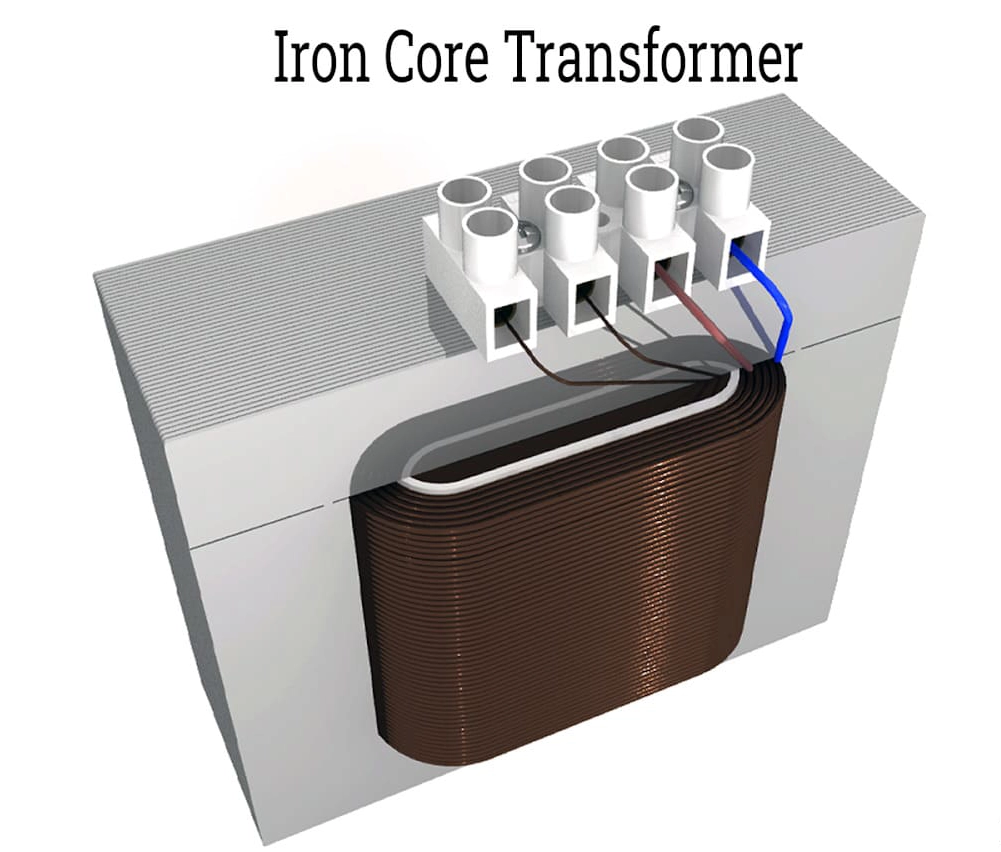
Core type features windings that wrap around the vertical limbs of the steel frame. This design simplifies the assembly process during manufacturing. Factory technicians easily slide prefabricated coils onto the cylindrical limbs. Many distribution systems, including a 35 kV oil-immersed Transformer, adopt this simple layout. Natural oil circulation cools these windings very effectively in outdoor installations. Ample spacing between the concentric coils allows excellent heat dissipation. Of course, this geometry offers less physical protection to the copper coils. Outer components face direct exposure to environmental stresses and mechanical vibrations. Engineers choose this configuration when rapid maintenance is a top priority. Simple dismantling procedures save valuable hours during emergency field repairs. These benefits make the design highly popular in municipal utility grids. Most regional utility operators prefer this configuration for its lower initial manufacturing costs. Smart municipal planning utilizes these cost-effective units to build affordable power delivery networks.
Performance Metrics Comparison Table
| Core Architecture | Mechanical Strength | Cooling Efficiency | Ease of Repair |
|---|---|---|---|
| Shell Design | Very High | Moderate | Difficult |
| Core Design | Moderate | Excellent | Simple |
Explaining Core Architecture Performance Metrics
Evaluating these structural metrics helps procurement officers choose suitable types of transformer core for specific utility grids. Shell architectures excel in high-stress environments where physical forces frequently challenge system integrity. Conversely, core architectures perform exceptionally well in standard municipal networks. These designs optimize natural oil flow to prevent thermal degradation over long operational cycles. Technicians easily maintain core-type systems without special tools or complex dismantling processes. This ease of service significantly reduces long-term maintenance labor expenses. Industrial facilities must weigh physical durability against maintenance costs before buying equipment. Each application demands a careful balance of these critical engineering parameters. Grid stability depends heavily on selecting the correct structural properties. Purchasing managers rely on comparative data to make informed long-term investments. Historical performance data validates the operational safety of both configurations. Selecting the right setup ensures reliable power delivery to thousands of homes.
Core Loss Values by Material Type
| Material Composition | No-Load Loss (W/kg) | Saturation Flux Density (Tesla) | Relative Material Cost |
|---|---|---|---|
| Cold Rolled Grain Oriented (CRGO) | 0.85 | 2.03 | Standard |
| Amorphous Metal Alloy | 0.20 | 1.56 | High |
Interpreting Material Properties and Core Loss
No-load loss metrics directly influence the operational budget of modern power distribution networks. CRGO steel provides excellent saturation flux density for heavy-duty industrial operations. This high density allows compact equipment designs that save valuable substation space. However, amorphous alloys deliver unmatched energy savings by drastically reducing continuous iron losses. These amorphous metals possess a randomized atomic structure that blocks eddy currents very efficiently. Of course, higher initial manufacturing costs often deter some budget-conscious procurement teams. Engineers must run comprehensive life-cycle cost analyses to justify the extra investment. Long-term energy savings usually offset the steep initial premium within a few years. Selecting advanced core materials ensures high performance across the entire electrical grid. Power companies utilize these specialized materials to meet strict national efficiency standards. Government regulations increasingly reward operators who minimize carbon emissions through high-efficiency infrastructure. Modern green initiatives accelerate the adoption of these advanced alloy materials.
Specialized Core Geometric Shapes
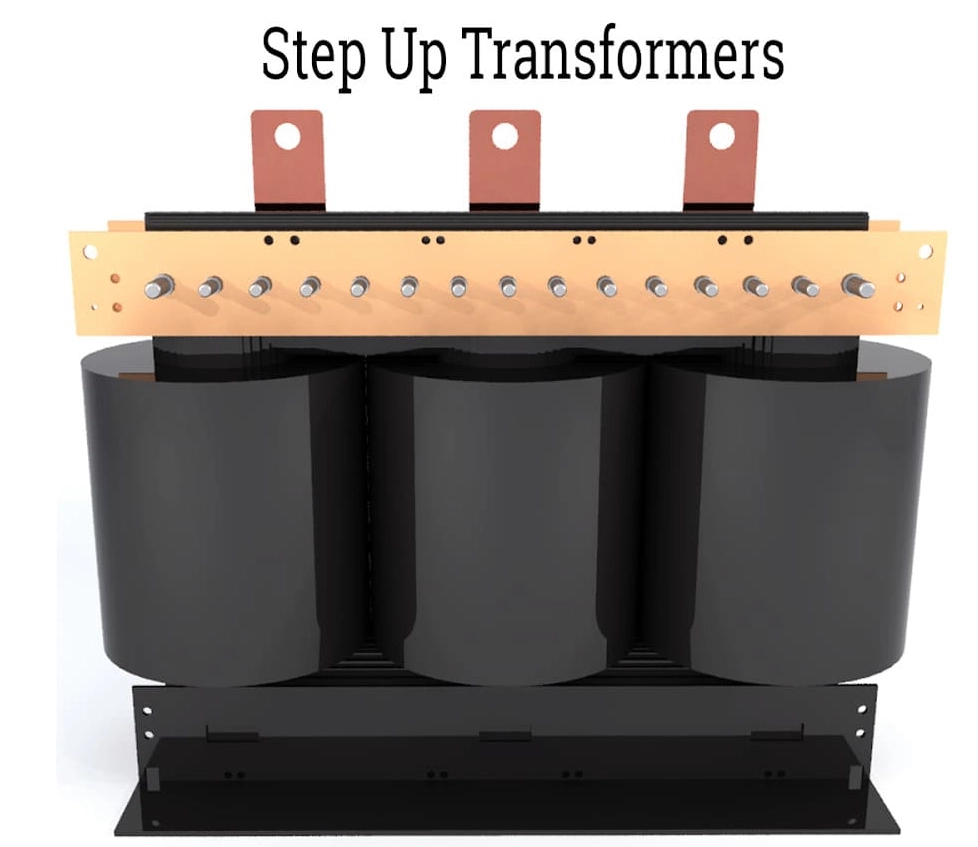
- Mitred Core Joints: Angle-cut laminations that optimize magnetic flux flow at the corners.
- Step-Lap Core Configurations: Layered stacking pattern that reduces noise and exciting currents.
- Spirally Wound Cores: Continuous steel strips wrapped tightly to eliminate air gaps entirely.
Impact of Geometric Core Configurations
Advanced geometric configurations determine how efficiently magnetic flux flows through different types of transformer core. Mitred joints align the steel grain direction with the magnetic field path perfectly. This precise alignment minimizes heat dissipation and improves general energy transmission efficiency. Additionally, step-lap stacking patterns reduce physical vibrations inside the heavy metal casing. Lower vibration levels protect surrounding components from premature wear and tear. Spirally wound designs remove air gaps completely to lower the total exciting current. These distinct shapes require sophisticated manufacturing machinery and skilled factory operators. Utilizing these geometric innovations raises the initial production expenses of the unit. Nevertheless, the resulting performance gains secure long-term operational stability for industrial grids. Smart investments in geometry yield massive savings over several decades. High-quality construction techniques minimize local power grid disruptions during stormy seasons. Distribution networks function more reliably when operators prioritize advanced mechanical design details.
Authoritative Standards for Core Losses
International regulatory bodies enforce strict regulations to standardize the performance of various types of transformer core. Manufacturers must test all magnetic steel structures under precise lab conditions before distribution. These strict protocols measure hysteresis losses and eddy currents at specific frequency levels. Organizations like IEEE and IEC define acceptable thresholds for industrial power equipment. Compliance with these rules guarantees safety and environmental compatibility in municipal grids. Energy providers avoid costly regulatory penalties by selecting certified magnetic core designs. Testing processes require expensive measurement instruments and highly trained calibration laboratory experts. This meticulous verification builds trust between electrical equipment manufacturers and utility operators. Quality certification assures buyers of reliable operation during severe weather events. Following global standards preserves structural integrity and grid efficiency over time. Local governments mandate these rigorous tests to protect public electrical infrastructure. Certified equipment delivers consistent power to critical hospitals and industrial zones.
FAQ
What is the most efficient metal used in core construction?
Amorphous metal alloys offer the highest efficiency in modern power system distribution. These advanced materials reduce no-load losses by up to eighty percent compared to standard silicon steel. Thin amorphous ribbons feature a randomized atomic structure that blocks electrical resistance effectively. Consequently, the core generates minimal heat during long periods of low load demand.
Utility companies select this metal to meet strict energy conservation goals worldwide. However, manufacturing challenges raise the initial procurement price of these advanced units significantly. Industrial grid operators must analyze long-term utility savings before choosing this expensive option. This financial planning justifies the premium price in high-efficiency industrial projects. Proper planning secures maximum energy savings for the power network over time. Smart companies integrate these advanced alloys to lower their total carbon footprint. Reduced operational losses lead to significant financial savings over thirty years.
How does magnetic noise develop in transformer cores?
Magnetic noise develops due to a natural physical phenomenon called magnetostriction inside the steel laminations. Alternating current creates a shifting magnetic field that slightly changes the shape of the steel core. These minute physical alterations cause rapid vibrations that emit a continuous low-frequency humming sound. Loose bracing structures and poor clamping frames amplify this sound significantly during operation. Engineers use tight mechanical clamping and specialized dampening pads to reduce this environmental noise. Choosing step-lap stacking patterns also minimizes physical vibrations in high-voltage substation areas. Noise control ensures compliance with municipal zoning laws in urban residential neighborhoods. Power companies monitor noise levels during regular scheduled maintenance cycles. Meticulous fabrication methods prevent excessive vibration in modern electrical substations. Local residents enjoy quieter neighborhoods when utility companies install these silent units. Quiet operations promote better public relations for growing utility firms.
Why does temperature rise limit transformer core capacity?
Excessive heat generation directly damages the electrical insulation wrapping the copper conducting coils. Core losses release continuous thermal energy that accumulates inside the enclosed steel oil tank. This temperature rise degrades the dielectric properties of the mineral oil very quickly. Consequently, degraded insulation increases the risk of catastrophic short circuits and equipment fires. Coolant circulation paths must transfer this heat to the external radiator fins efficiently. Maintaining low core temperatures preserves the operating lifetime of vital distribution grid assets. Industrial operators install digital thermal sensors to monitor inner oil temperatures in real-time. Real-time monitoring prevents costly emergency downtime during peak summer electricity demands. Grid managers implement automated cooling systems to protect their investments. Effective heat management guarantees long-term durability in high-load industrial applications. Proper ventilation around the unit further enhances thermal dissipation in crowded urban spaces.