
GET A QUOTE

Chinese Stock code : 920062

GET A QUOTE

M

Building the future

How Can We Help You Today?

Whether it’s a general inquiry, a request for a quote, or detailed project information, we look forward to connecting with you.

Please enable JavaScript in your browser to complete this form.

Tel / WhatsApp

+1 (646) 853-9440

Stock code : 920062

Kerun Intelligent Control

BLOG

Blog

  1. Home
  2. 0il-immersed Transformer
  3. Which Materials Perform Best For Iron Core Transformer?

≡ Blog Categories

  • Blog
Please enable JavaScript in your browser to complete this form.

How Can We Help You Today?

Whether it’s a general inquiry, a request for a quote, or detailed project information, we look forward to connecting with you.

Which Materials Perform Best For Iron Core Transformer?

Jun 11, 2026

Which Materials Perform Best For Iron Core Transformer?

  • CRGO silicon steel, amorphous alloys, and ferrites determine the efficiency of an iron core transformer based on core loss and saturation.
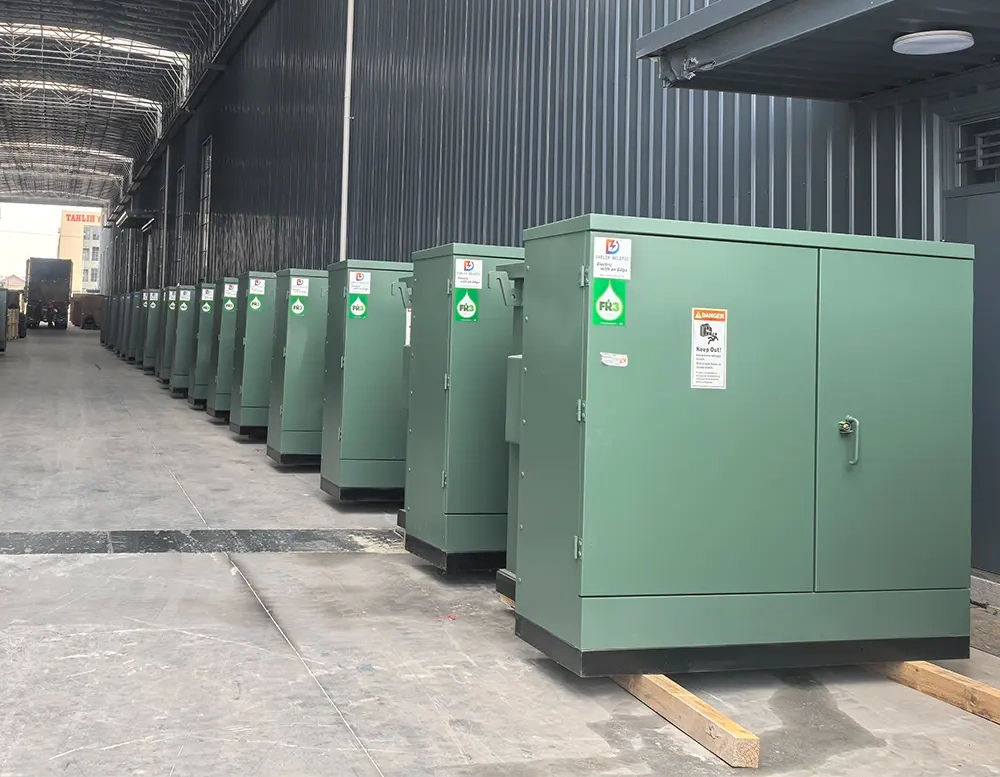
Iron Core Transformer Guide

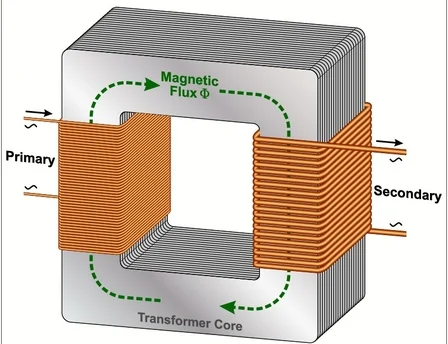
Manufacturers often choose an iron core transformer to achieve high energy conversion efficiency. These units rely on superior magnetic materials to minimize energy loss. High permeability remains the most critical factor for choosing a suitable metal. Engineers evaluate diverse options like silicon steel, amorphous alloys, and ferrites. Each material offers distinct advantages regarding magnetic saturation and electrical resistance. Industrial applications require robust components that handle heavy electrical loads without overheating. Selecting the wrong core material leads to excessive heat and system failure. Therefore, purchasing agents must compare technical specifications before placing large orders. This evaluation helps factories reduce operational costs over long periods. Reliable power transmission depends heavily on these core manufacturing decisions.

Optimizing Iron Core Transformer Magnetic Flux

Cold-rolled grain-oriented steel provides exceptional magnetic performance in power grids. This specialized alloy contains silicon to increase electrical resistivity. Higher resistivity successfully prevents the formation of destructive eddy currents. Magnetic domains align precisely along the rolling direction during manufacturing. Such precise alignment allows the core to conduct magnetic flux with minimal resistance. Medium voltage systems like a 35 kV oil-immersed Transformer rely on highly refined silicon steel cores. These devices operate continuously under high thermal and mechanical stress. Silicon steel also maintains structural integrity under extreme operating temperatures. Power distribution networks benefit from the high saturation induction of this material. Factories achieve excellent performance while keeping initial production costs relatively low. Choosing CRGO steel ensures long-term durability for demanding industrial applications.

The Performance Benefits of Amorphous Metal Alloys

Amorphous metals feature a non-crystalline atomic structure unlike standard silicon steel. Rapid cooling during production prevents the formation of regular crystalline patterns. This unique atomic arrangement drastically reduces hysteresis loss during operation. Furthermore, amorphous cores exhibit extremely low excitation currents in idle states. Low idle losses make these materials ideal for green energy installations. Solar power plants and wind farms utilize these efficient cores to maximize output. However, the mechanical hardness of amorphous alloys increases manufacturing complexity. Specialized cutting tools shape these tough metal ribbons efficiently. Engineers must balance the higher initial cost against future energy savings. Most utilities find that the long-term efficiency justifies the premium price. Adopting this technology helps companies meet strict modern carbon emission targets.

    Material Type Saturation Flux (Tesla) Core Loss (W/kg) Relative Cost
    Silicon Steel (CRGO) 2.03 0.90 Medium
    Amorphous Alloy 1.56 0.20 High
    Mn-Zn Ferrite 0.47 5.00 Low

    Analyzing Core Material Magnetic Specifications

    Selecting appropriate materials for an iron core transformer remains a critical engineering task. The table highlights the key trade-offs between magnetic saturation and overall costs. Silicon steel provides the highest saturation flux density among the three options. This high saturation capacity allows designers to build more compact devices. Conversely, amorphous alloys offer the lowest core loss values but cost more. High material costs sometimes deter budget-conscious buyers in developing markets. Ferrites show much lower saturation levels but work exceptionally well at high frequencies. Each project requires careful analysis of these physical and financial parameters. Engineers must weigh immediate budget constraints against long-term operational savings. This balance determines the commercial viability of modern electrical infrastructure. Correct selection prevents premature equipment degradation and reduces grid downtime.

    Key Manufacturing Standards for Iron Core Transformer Units

    High-frequency power systems require materials with high electrical resistivity to block eddy currents. Manganese-zinc ferrites serve this purpose exceptionally in modern electronic devices. These ceramic compounds prevent energy dissipation by stopping circulating electrical loops. Unlike metallic alternatives, ferrites maintain high efficiency at megahertz frequencies. Industrial applications often utilize these cores in switch-mode power supplies. Furthermore, communication equipment relies on ferrites for precise signal transmission. Standards like IEC 60076 dictate the safety limits for magnetic cores. Compliance with these global guidelines guarantees reliable performance in harsh environments. Testing agencies verify insulation resistance and thermal endurance during certification. Procurement managers must select certified products to ensure site safety. Investing in high-grade materials protects expensive downstream electronic machinery.

      Insulation Class Maximum Temp (°C) Common Coating Material Application Area
      Class A 105 Organic Varnishes Standard Distribution
      Class F 155 Epoxy Resins Industrial Motors
      Class H 180 Silicone Elastomers Traction Transformers

      Evaluating Insulation and Thermal Limits
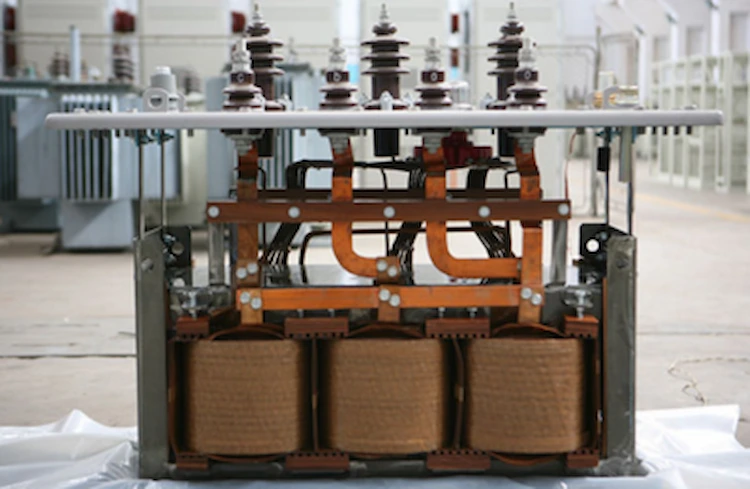
      The second table details the thermal performance thresholds for core coatings. Each insulation class represents a specific maximum continuous operating temperature. Class H materials survive extreme heat up to 180 degrees Celsius. Heavy industrial plants utilize Class H protection to prevent mechanical breakdown. Conversely, standard utility networks often deploy Class A coatings for cost savings. Utility networks utilizing a 66 kV Oil-Immersed Power Transformer demand materials with very low excitation currents. High voltage environments create significant thermal stress during peak loading hours. Therefore, selecting high-quality silicone elastomers protects the system from failure. Engineers must specify these thermal parameters during the initial planning phase. Proper insulation guarantees a longer lifespan for expensive electrical distribution networks. This systematic approach reduces maintenance costs and prevents sudden grid blackouts.

      Mechanical Construction of Magnetic Cores

      Engineers often specify an iron core transformer for high voltage grid distribution applications. These systems must utilize thin laminations instead of solid metal blocks. Solid cores suffer from extreme heat generation due to induced eddy currents. Laminating the core into thin sheets successfully breaks these circular currents. Each individual sheet receives a microscopic layer of high-resistance insulation coating. This coating prevents electrical conductivity between adjacent sheets while preserving magnetic flow. Modern laser-cutting machinery ensures highly precise dimensions for every steel sheet. Tight manufacturing tolerances minimize physical vibrations and acoustic humming noises. Reducing noise pollution remains a key standard for urban substation installations. Acoustic performance directly reflects the overall manufacturing quality of the core. Therefore, top suppliers invest heavily in precise automatic clamping equipment.

      Critical Sourcing Criteria for Global Buyers

      B2B procurement agents look at several factors when sourcing core components. First, physical size and weight dictate the layout of modern substations. Amorphous cores offer excellent savings but require much larger enclosures. Second, raw material pricing fluctuates constantly in international metals markets. Contract negotiators must monitor these price trends to lock in favorable rates. Proper design ensures the iron core transformer operates reliably under continuous thermal stress. Quality assurance teams perform strict testing on every incoming material batch. They verify magnetic flux density and insulation integrity before production starts. Working with certified suppliers minimizes the risk of receiving sub-standard alloys. These precautions protect the capital investment of utility companies worldwide. Strategic sourcing guarantees both high performance and excellent financial returns.

        • Core loss verification through Epstein frame testing.
        • Thickness measurement using high-precision digital micrometers.
        • Interlamination resistance testing according to ASTM standards.
        • Magnetic permeability analysis at operating frequency.

        Implementation of Quality Verification Procedures
        The listed inspection methods guarantee that core materials meet performance expectations. For instance, Epstein frame testing measures energy losses under actual operating conditions. This test prevents the installation of defective steel sheets in heavy equipment. Furthermore, micrometer checks ensure uniform sheet thickness across the entire batch. Uniform thickness prevents localized hot spots that can degrade insulation over time. Engineers also verify interlamination resistance to confirm the coating quality. Without proper inspection, tiny insulation flaws can cause massive system failures. Therefore, leading factories execute these quality checks on every shipment. Rigorous quality control builds trust with international B2B purchasing agents. Clients receive reliable power equipment that functions efficiently for decades. This commitment to excellence separates premium suppliers from cheap alternatives.

        FAQ

        What is the primary benefit of grain-oriented silicon steel?

        Grain-oriented silicon steel offers high magnetic saturation and excellent permeability. This material allows electrical devices to handle high magnetic flux densities without saturating. Consequently, manufacturers can design smaller units that deliver exceptional power output. The high silicon content also increases electrical resistance. Increased resistance successfully prevents the formation of hot spots caused by circulating currents. B2B buyers prefer this material because it balances raw material cost with long-term operating durability. Most power transmission networks utilize these steel cores to maintain high efficiency under continuous loads. This reliable performance helps utility providers lower maintenance costs over many decades of service.

        How do amorphous alloys compare in cost?
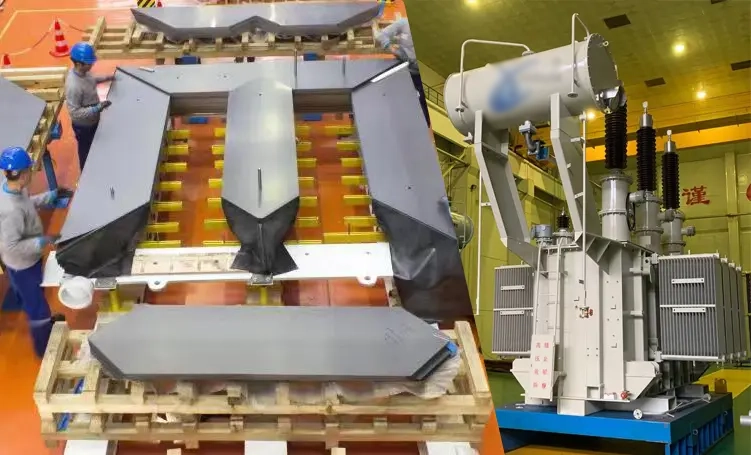
        Amorphous alloys require a rapid cooling manufacturing process that increases initial material costs. This specialized technique creates a thin metal ribbon with no crystalline structure. Although the purchasing cost is higher, these cores reduce energy loss by seventy percent. Modern manufacturing methods ensure these efficient devices achieve maximum operational efficiency. Utility networks recover the extra expenditure within a few years of continuous operation. Therefore, environmental regulations often favor these energy-efficient materials. Purchasing agents must evaluate the lifecycle savings when deciding between steel and amorphous options. This comprehensive analysis assists companies in meeting strict corporate sustainability goals.

        Why are solid iron cores avoided in power networks?

        Solid iron cores conduct electricity easily, which creates huge losses under alternating currents. Alternating magnetic fields induce circular currents directly inside the solid metal block. These eddy currents generate extreme heat and quickly damage the surrounding insulation materials. Thermal damage leads to catastrophic short circuits and expensive equipment failure. To solve this issue, manufacturers use thin laminated sheets instead of solid blocks. Thin sheets are coated with insulation to block the current loops completely. This proven construction method ensures maximum energy transmission with minimal heat dissipation. Applying this design technique protects sensitive industrial power grids from unpredictable power surges.