
How To Choose Transformer Cores?
-
Optimize industrial networks with premium transformer cores selected by material grade, saturation flux, and geometry limits.
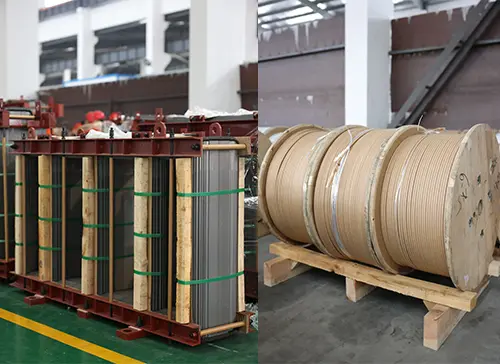
Selecting High-Efficiency Transformer Cores
Silicon Steel Grades In Transformer Cores
Structural Performance Of Core Configurations
Standard Ratings For Magnetic Core Designs
Frequency Classifications For Laminated Metals
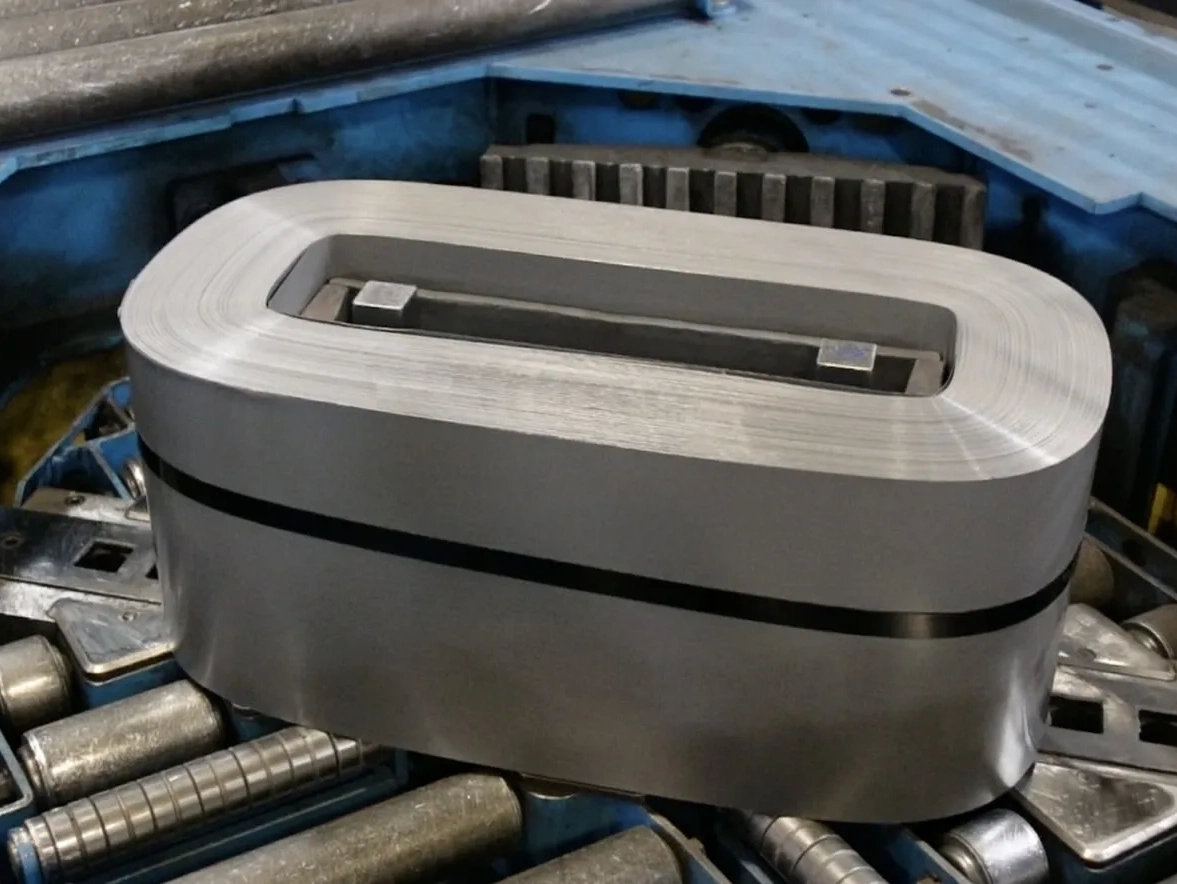
- Low-Frequency Range: Fifty to sixty hertz, ideal for utility networks and heavy industrial power systems.
- Medium-Frequency Range: Four hundred hertz, typical for specialized marine and aerospace applications.
- High-Frequency Range: Above ten kilohertz, requiring advanced ferrite or nanocrystalline alloys to operate efficiently.
Detailed Operational Analysis Of Frequency Ranges
Material Properties Comparison Matrix
| Material Type | Saturation Flux (Tesla) | Relative Permeability | Core Loss (W/kg at 50Hz) |
|---|---|---|---|
| M4 Silicon Steel | 2.03 | 40,000 | 1.10 |
| Amorphous Metal | 1.56 | 100,000 | 0.22 |
| Nanocrystalline | 1.25 | 150,000 | 0.15 |
Analysis Of Material Saturation and Core Loss Data
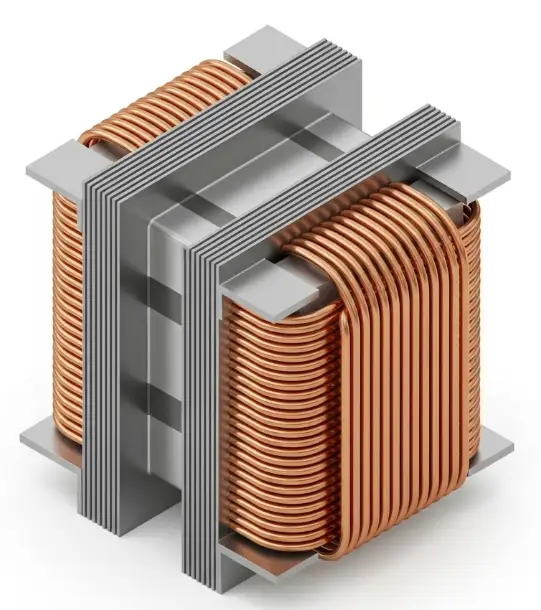
Core Shapes Performance Rating Matrix
| Core Geometry | Assembly Complexity | Magnetic Efficiency | Acoustic Noise Level |
|---|---|---|---|
| EI Lamination | Low | Medium | High |
| Toroidal Core | High | Excellent | Very Low |
| Step-Lap Stacked | Medium | High | Low |
Evaluation Of Geometrical Efficiencies In Core Designs
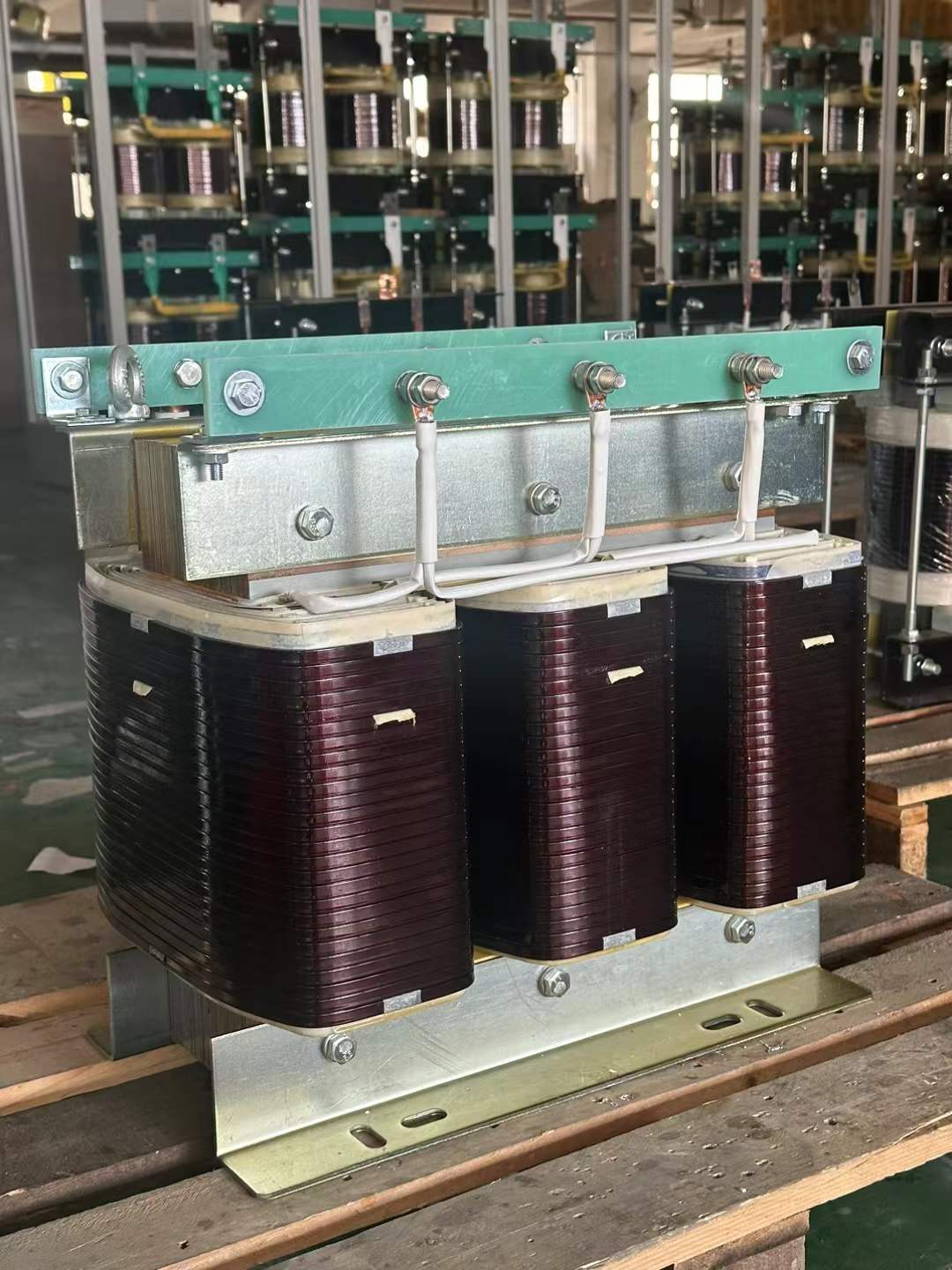
FAQ
How does operating frequency affect transformer core selection?
What are the main causes of core losses in electrical transformers?
Lamination insulation and high silicon content reduce these unwanted electrical currents. Mechanical stress during assembly also degrades the magnetic properties of steel. Careful manufacturing techniques protect the delicate grain alignment of metal components. High-quality processing ensures low energy loss during long-term continuous operation. Regular maintenance keeps the electrical system performing at its optimal design level.