
How To Choose 480 3 Phase To 240 Single Phase Transformer?
-
480 3 phase to 240 single phase transformer selection depends on insulation, load capacity, cooling efficiency, and safety compliance.
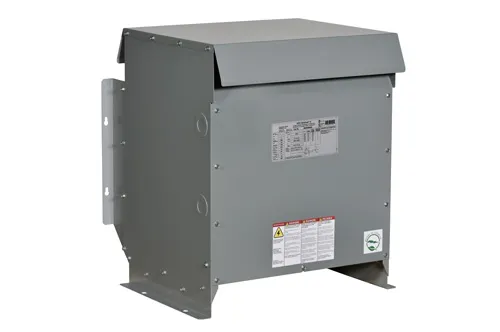
Factory equipment depends on stable voltage during continuous production cycles. A poorly matched transformer often causes overheating, unstable output, and expensive downtime. Many industrial plants operate mixed equipment with different voltage requirements. Production managers usually balance motor systems, lighting circuits, and automation devices simultaneously. A reliable 480 3 phase to 240 single phase transformer supports stable operation across those demanding environments. Manufacturers also prioritize voltage consistency during high-load conditions. Rapid fluctuations often damage servo drives and sensitive electronic boards. Several packaging systems require precise voltage tolerance during repetitive cycles. Industrial operators therefore compare efficiency, insulation quality, and load handling before procurement. Strong transformer selection improves electrical safety and extends equipment lifespan across large manufacturing facilities.
Core Specifications Of 480 3 Phase To 240 Single Phase Transformer
Voltage conversion performance depends on several electrical characteristics. Buyers normally verify primary voltage compatibility before reviewing secondary output ratings. kVA sizing remains equally important during industrial planning stages. Oversized units waste energy during light-load operation. Smaller units often suffer dangerous thermal stress. Frequency ratings must also match regional electrical systems. North American facilities commonly operate at 60 Hz frequency levels. Some export factories require additional compatibility flexibility. Copper winding construction improves conductivity and supports better thermal stability. Insulation systems directly affect operational durability under demanding temperatures. Terminal design also influences installation efficiency and cable organization. Industrial engineers often compare enclosure protection ratings before purchase approval. Strong internal coil design reduces vibration during heavy operating cycles.
How 480 3 Phase To 240 Single Phase Transformer Handles Industrial Loads
Industrial loads change constantly during daily production activities. Motor startup current usually exceeds normal operating levels significantly. Voltage instability during startup may interrupt sensitive automation equipment. A dependable 480 3 phase to 240 single phase transformer manages those sudden electrical demands efficiently. CNC machines require stable voltage for precise machining accuracy. Heating equipment also creates continuous thermal loading conditions. Some facilities operate conveyor systems throughout entire production shifts. Harmonic distortion often appears near variable frequency drives. Proper transformer sizing helps reduce electrical noise across connected systems. Industrial electricians frequently inspect load balancing conditions during installation. Consistent voltage regulation improves equipment lifespan and lowers maintenance interruptions. Strong load management also protects expensive control cabinets from unexpected electrical failures.
| Configuration Type | Efficiency Level | Typical Application |
|---|---|---|
| Open Delta | Moderate | Light industrial loads |
| Closed Delta | High | Heavy manufacturing systems |
Transformer Core Materials And Thermal Performance
Core material quality strongly affects transformer efficiency levels. Grain-oriented silicon steel reduces magnetic loss during continuous operation. High-grade copper windings also improve conductivity and reduce internal resistance. Heat accumulation creates serious risks inside confined electrical rooms. Effective cooling structures therefore support longer operational stability. Dry-type transformers often perform well inside modern industrial buildings. Oil-immersed systems remain common within heavy utility environments. Many utility operators still deploy 220 kV Oil-Immersed Power Transformer systems for large-scale transmission applications. Thermal insulation classes determine allowable operating temperature ranges. Lower heat generation usually improves long-term reliability significantly. Ventilation spacing also influences transformer cooling performance. Several industrial buyers now prioritize energy-efficient magnetic core structures. Reduced energy loss supports lower operational costs across high-demand production facilities.
Electrical Safety Standards And Compliance Requirements
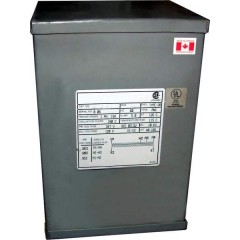
Industrial transformers must satisfy strict electrical compliance standards. UL 506 and UL 1561 certifications support safer deployment within North American industrial facilities. IEC 60076 standards commonly apply across international manufacturing environments and utility projects. Grounding methods also require careful planning before installation begins. Proper grounding reduces electrical shock risks during equipment operation. Circuit protection devices prevent dangerous overload conditions effectively. NEMA 3R enclosure ratings protect internal components from dust and moisture exposure. Outdoor installations require stronger environmental protection systems. Industrial operators frequently inspect cable insulation before energizing new equipment. NEC Article 450 clearance distances also affect operational safety during installation planning. Reliable manufacturers conduct IEEE C57 temperature rise testing before shipment approval. Many facilities schedule periodic thermal inspections after installation. Careful compliance planning reduces insurance risks and supports safer long-term production activities.
Installation Conditions And Site Planning
Transformer placement directly affects operational efficiency and maintenance access. Indoor systems require adequate airflow around cooling surfaces. Crowded electrical rooms usually increase heat accumulation risks. Outdoor installations need weather-resistant enclosure protection. Cable routing should remain organized and accessible for technicians. Noise control also matters within occupied industrial buildings. Some transformers produce audible vibration during heavy loading conditions. Facility planners often install vibration isolation structures beneath larger units. Proper spacing simplifies future inspection and cleaning procedures. Industrial buyers also verify terminal accessibility before equipment delivery. Several utility projects still operate 110 kV Oil-Immersed Power Transformer systems for regional distribution networks. Strong site preparation supports faster commissioning and safer long-term operation across demanding industrial environments.
Important Technical Parameters Comparison
| Parameter | Industrial Preference | Operational Impact |
|---|---|---|
| Insulation Class | Class H | Supports higher temperature tolerance |
| Core Material | Silicon Steel | Reduces magnetic energy loss |
| Cooling Method | Air-Cooled | Improves indoor maintenance efficiency |
| Frequency | 60 Hz | Matches North American systems |
| Enclosure Rating | NEMA 3R | Protects outdoor installations |
Technical specifications determine operational stability during industrial use. Higher insulation classes support demanding thermal environments effectively. Silicon steel cores reduce unnecessary energy consumption during continuous loading. Cooling systems influence maintenance schedules and installation flexibility. Outdoor facilities usually require stronger enclosure protection ratings. Frequency mismatch sometimes damages sensitive electronic equipment rapidly. Industrial engineers therefore compare every specification carefully before procurement approval. Reliable parameter evaluation also supports lower operating expenses over extended production periods.
Efficiency And Load Performance Comparison
| Load Condition | Efficiency Range | Recommended Usage |
|---|---|---|
| 25% Load | 92% - 94% | Light industrial equipment |
| 50% Load | 95% - 96% | Mixed automation systems |
| 75% Load | 97% - 98% | Continuous production lines |
| 100% Load | 96% - 97% | Heavy industrial machinery |
Load efficiency affects operating costs throughout the transformer lifecycle. Many factories operate between fifty and seventy-five percent capacity levels. That range usually provides strong energy performance and thermal balance. Full-load operation increases internal temperature significantly during long shifts. Low-load operation may reduce overall energy efficiency unexpectedly. Industrial procurement teams therefore compare actual production demand carefully. Strong efficiency planning lowers electricity expenses across large facilities. Better load management also reduces mechanical stress on connected equipment.
Common Purchasing Mistakes In Transformer Procurement
Many buyers focus only on initial purchase pricing. Cheap transformers often contain lower-grade insulation materials. Weak insulation systems degrade rapidly under industrial temperatures. Incorrect load calculations also create severe operational problems. Some facilities ignore future expansion during procurement planning. Production growth later forces expensive electrical upgrades unexpectedly. A properly selected 480 3 phase to 240 single phase transformer should support moderate future capacity increases. Several buyers also overlook harmonic distortion issues completely. Automation systems frequently generate unstable electrical waveforms during operation. Manufacturers therefore recommend detailed load analysis before ordering. Poor compatibility with sensitive equipment increases maintenance frequency significantly. Reliable suppliers normally provide testing reports and thermal performance verification before shipment.
Key Features Buyers Should Evaluate Before Ordering
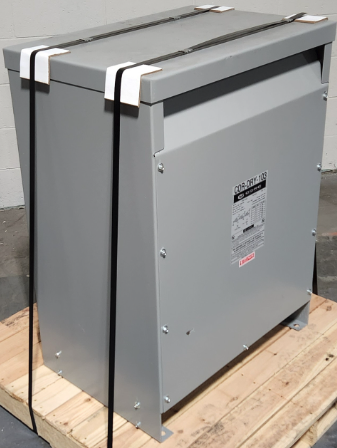
Industrial procurement decisions require careful technical evaluation. Buyers usually compare manufacturing consistency before selecting suppliers. Factory testing procedures also indicate production reliability levels. Several important considerations deserve additional attention:
- Copper winding purity and conductivity performance
- Short circuit resistance testing procedures
- OEM customization flexibility for industrial layouts
- Lead time stability during large production orders
- Warranty coverage for critical electrical components
- Technical support responsiveness after installation
A dependable 480 3 phase to 240 single phase transformer should combine stable construction with consistent testing performance. Industrial operators also review shipping protection methods carefully. Poor packaging occasionally damages internal coil structures during transport. Strong supplier communication supports smoother project coordination and faster commissioning schedules.
Cost Control And Long-Term Operational Efficiency
Energy efficiency strongly affects long-term industrial operating expenses. Transformers operate continuously across many manufacturing facilities daily. Small efficiency differences therefore create major financial impacts eventually. High-quality magnetic cores reduce unnecessary power loss effectively. Copper winding systems also improve electrical conductivity during heavy loading conditions. Maintenance costs remain lower when thermal stress stays controlled. Reliable insulation systems reduce unexpected shutdown risks significantly. Industrial facilities often calculate lifecycle expenses before procurement approval. A durable 480 3 phase to 240 single phase transformer usually delivers stronger financial value over extended service periods. Downtime prevention also protects production schedules and customer delivery commitments. Several manufacturers now prioritize efficiency optimization during transformer design processes.
Future Trends In Industrial Voltage Conversion Equipment
Industrial power systems continue evolving alongside automation technologies. Smart monitoring systems now provide real-time thermal analysis capabilities. Remote diagnostics also improve maintenance planning efficiency significantly. Compact transformer structures support tighter equipment layouts within factories. Dry-type designs continue gaining popularity across modern industrial buildings. Energy regulations increasingly encourage lower operational losses globally. Advanced insulation materials also improve thermal endurance during demanding conditions. Some manufacturers integrate digital communication modules into transformer systems. Real-time monitoring supports predictive maintenance strategies effectively. A modern 480 3 phase to 240 single phase transformer often includes enhanced protection features for automation compatibility. Industrial facilities therefore prioritize scalable electrical infrastructure during expansion planning. Efficient voltage conversion equipment supports stronger production stability across competitive manufacturing environments.
FAQ
What Size 480 3 Phase To 240 Single Phase Transformer Do I Need?
Correct transformer sizing depends on actual equipment demand. Industrial engineers usually calculate total connected load before procurement begins. Motor startup current also affects sizing decisions significantly. Small transformers often overheat during sudden current surges. Oversized units may increase operating expenses unnecessarily. Many facilities maintain additional safety margins for future expansion plans. Equipment diversity also influences load balancing requirements across production lines. Lighting circuits, heating systems, and automation equipment create different electrical patterns. A 480 3 phase to 240 single phase transformer should operate efficiently under realistic factory conditions. Professional load analysis therefore supports safer installation and longer operational stability across industrial environments.
Can A Three-Phase Transformer Supply Single-Phase Equipment Safely?
Industrial facilities commonly power single-phase equipment from larger three-phase systems. Safe operation depends on proper transformer configuration and balanced electrical loading. Incorrect wiring sometimes creates voltage instability and overheating problems. Qualified electricians therefore inspect grounding, cable sizing, and protective devices carefully. Stable voltage output protects sensitive electronic equipment effectively. Many CNC systems and packaging machines operate successfully under those configurations. Properly designed transformers also reduce harmonic distortion during operation. Cooling performance remains important during continuous industrial use. Regular thermal inspections help identify abnormal operating conditions early. Reliable installation practices support safer long-term performance and reduce electrical interruption risks within demanding production environments.
How Long Does An Industrial Transformer Normally Last?
Industrial transformers often operate for decades under controlled conditions. Service lifespan depends heavily on temperature management and electrical loading stability. Excessive heat gradually damages insulation materials inside transformer windings. Regular maintenance therefore plays a critical operational role. Many facilities conduct infrared thermal inspections periodically during operation. Clean ventilation pathways also improve cooling performance significantly. Moisture exposure sometimes reduces insulation reliability unexpectedly. Strong manufacturing quality usually extends operational durability considerably. Industrial operators also monitor vibration and noise changes carefully. Preventive maintenance schedules help reduce unexpected shutdown risks effectively. Well-maintained systems frequently achieve twenty years of reliable service across demanding industrial environments.