What Is Single Phase 120 240 Transformer Wiring Diagram?
-
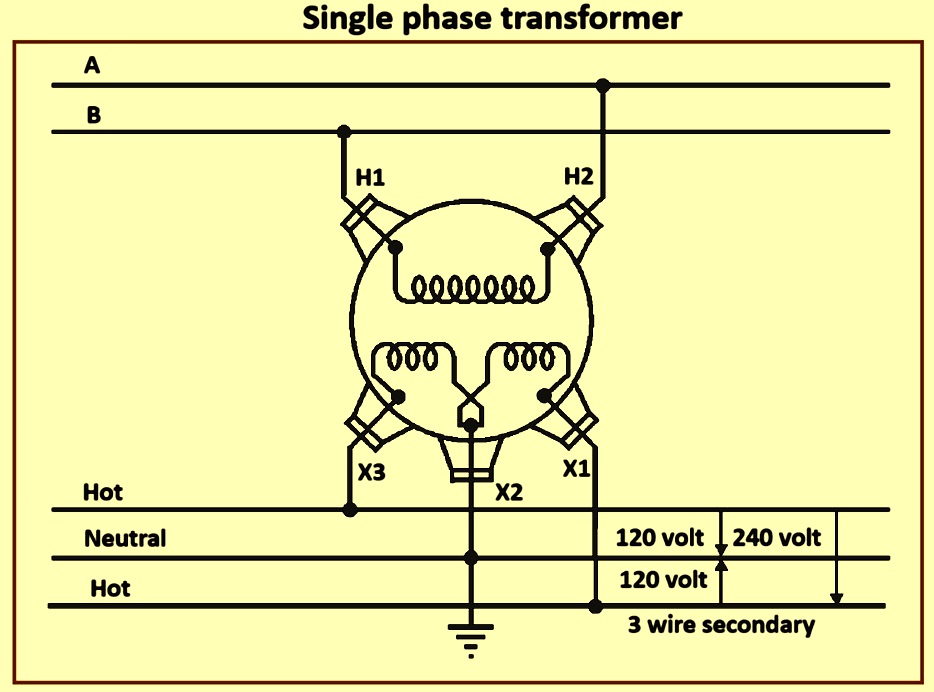
single phase 120 240 transformer wiring diagram supports safe voltage distribution, load balancing, and commercial transformer installation.
Electrical contractors depend on a single phase 120 240 transformer wiring diagram during power distribution planning. The diagram explains conductor routing, terminal placement, and voltage separation clearly. Commercial facilities often require both 120V and 240V outputs simultaneously. Lighting systems usually operate at 120V. Heavy equipment normally requires 240V circuits for stable operation. Accurate wiring layouts reduce downtime during installation procedures. Maintenance teams also reference these diagrams during troubleshooting operations. Split-phase transformer systems support balanced electrical loads across multiple branch circuits. Proper conductor identification prevents dangerous polarity mistakes. Industrial workshops frequently integrate transformer diagrams into preventive maintenance programs. Electrical consultants often include detailed schematics within compliance documentation packages. Reliable transformer drawings improve coordination between engineers, electricians, and facility managers across large commercial environments.
Main Components Inside Transformer Distribution Systems
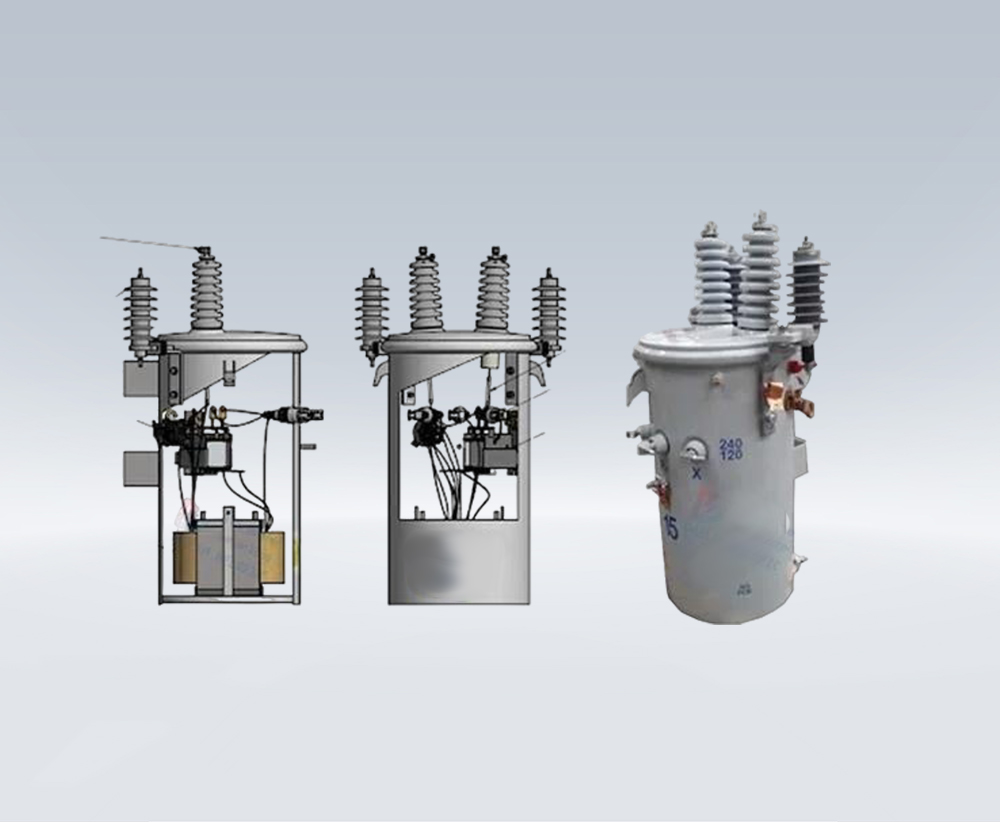
Every transformer system contains several electrical components with specific operational responsibilities. Primary windings receive incoming utility voltage from the supply source. Secondary windings produce split-phase voltage outputs for connected loads. The center tap creates the neutral conductor connection point. Neutral conductors stabilize voltage across branch circuits during operation. Terminal lugs secure incoming and outgoing electrical conductors safely. Grounding bars direct fault current toward protective systems quickly. Circuit breakers isolate overload conditions before equipment damage occurs. Electrical enclosures also protect transformer assemblies from moisture contamination and airborne particles. Copper windings usually provide lower resistance during continuous operation cycles. Aluminum winding designs reduce manufacturing costs in certain commercial applications. Engineers evaluate insulation classes carefully before selecting transformer materials. Temperature rise ratings strongly influence long-term operational reliability within industrial environments.
How Single Phase 120 240 Transformer Wiring Diagram Supports Voltage Distribution
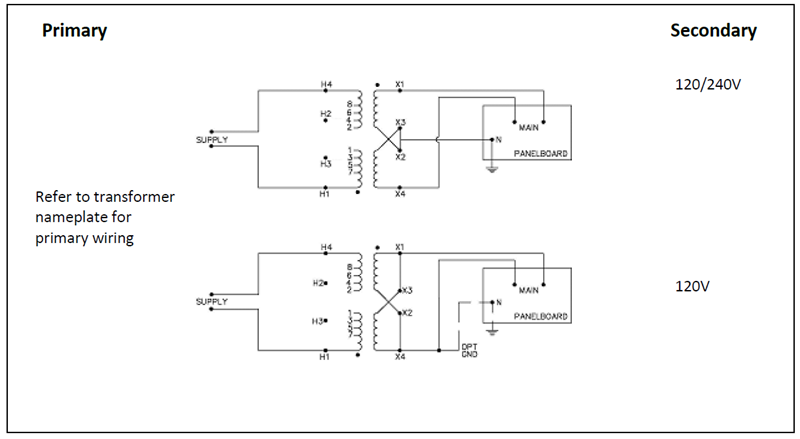
A single phase 120 240 transformer wiring diagram explains voltage separation within split-phase electrical systems. Two hot conductors supply 240V across opposite phases. Each hot conductor also supplies 120V relative to the neutral conductor. Balanced branch circuits reduce excessive neutral current during operation. Commercial kitchens often require both voltage outputs simultaneously. Office lighting systems normally depend on stable 120V distribution. Industrial compressors commonly operate on dedicated 240V circuits for higher efficiency. Proper voltage balancing minimizes transformer heating under continuous demand conditions. Electrical engineers calculate expected current loads before designing conductor layouts. Cable sizing directly affects voltage drop performance during long-distance installations. Transformer efficiency also improves when connected loads remain evenly distributed. Accurate schematics simplify expansion projects across manufacturing and warehouse environments significantly.
Wiring Sequence Used During Transformer Installation
Installation technicians follow structured procedures during transformer connection operations. Incoming supply conductors connect directly to primary terminals first. Secondary conductors then route toward distribution panels and protective breakers. Neutral bonding points require careful placement within grounded electrical systems. Ground conductors must follow local electrical code requirements precisely. Torque specifications ensure secure conductor termination across terminal assemblies. Loose connections often generate dangerous heat during high current operation. Electricians inspect insulation integrity before energizing transformer equipment. Testing procedures also verify correct polarity across split-phase conductors. Voltage meters confirm stable output readings before load connection begins. Industrial projects frequently include thermal scanning during commissioning activities. Proper sequencing reduces installation delays and improves electrical safety compliance. Many facilities also integrate backup power provisions for critical operations. Some utility substations still operate alongside a 10 kv oil-immersed transformer during high-load distribution planning.
Common Connection Types in Commercial Buildings
Commercial properties use several transformer connection arrangements based on operational demand. Retail stores often require multiple 120V lighting circuits across large floor areas. Warehouses frequently integrate 240V equipment for conveyor and motor systems. HVAC installations commonly depend on dedicated split-phase transformer connections. Restaurants usually separate refrigeration equipment from general receptacle circuits. Manufacturing facilities also allocate isolated transformer circuits for automation systems. Electricians design branch circuit layouts according to expected current demand levels. Balanced load distribution helps reduce conductor overheating during peak operation. Multi-panel configurations improve maintenance flexibility within large industrial buildings. Facility engineers also document circuit labeling for faster service identification. Proper transformer coordination reduces nuisance breaker trips during equipment startup cycles. Detailed schematics improve communication between contractors, inspectors, and maintenance supervisors throughout commercial installation projects.
Safety Standards Affecting Transformer Wiring Design
Electrical safety regulations strongly influence transformer installation procedures worldwide. NEC standards define conductor sizing and grounding requirements clearly. UL certifications confirm insulation durability under thermal stress conditions. OSHA procedures support safer maintenance activities around energized systems. Arc flash prevention measures reduce injury risks during service operations. Lockout procedures isolate circuits before electrical maintenance begins. Protective relays disconnect overloaded circuits during abnormal operating conditions. Short circuit calculations help engineers select suitable breaker capacities accurately. Ground fault protection also prevents equipment damage within sensitive facilities. Transformer enclosures require sufficient ventilation for thermal stability during operation. Industrial sites frequently install monitoring sensors for temperature tracking purposes. Some production environments combine transformer systems with a 10kv -35kv dry type transformer for indoor electrical distribution requirements. Reliable compliance practices improve operational consistency across commercial electrical infrastructures.
Typical Errors Found in Transformer Wiring Projects
Several installation mistakes create operational risks within transformer distribution systems. Reversed polarity often causes unstable equipment performance and breaker interruptions. Improper neutral connections may create dangerous voltage imbalance conditions. Undersized conductors frequently overheat during continuous electrical demand periods. Loose terminals also increase resistance across connection points significantly. Missing grounding conductors reduce fault protection effectiveness during abnormal conditions. Incorrect breaker sizing may allow excessive current flow through conductors. Technicians sometimes overlook insulation damage before system energization procedures. Moisture contamination inside enclosures can weaken dielectric insulation performance. Phase identification errors complicate future maintenance and troubleshooting procedures. Accurate documentation reduces confusion during equipment upgrades and service operations. Electrical inspections help identify hidden wiring defects before serious failures develop. Preventive testing programs also improve transformer lifespan within demanding industrial facilities.
Electrical Testing Procedures After Wiring Completion
Testing procedures verify transformer stability before full operational deployment begins. Electricians measure continuity across conductors using calibrated testing instruments. Voltage readings confirm proper split-phase output during energized operation. Insulation resistance testing identifies hidden conductor deterioration problems quickly. Load simulation procedures evaluate transformer behavior during expected demand conditions. Thermal imaging equipment detects overheating terminals during commissioning activities. Current measurements help technicians verify balanced electrical distribution accurately. Maintenance teams also inspect grounding paths for reliable fault protection. Proper testing documentation supports future troubleshooting and compliance inspections effectively. Industrial operators often schedule repeated testing intervals after installation completion. Stable voltage readings indicate proper conductor routing throughout distribution systems. Comprehensive verification procedures reduce unexpected downtime across commercial facilities significantly.
Comparison of 120V and 240V Electrical Applications
| Application | Voltage | Main Benefit | Common Environment |
|---|---|---|---|
| LED Lighting | 120V | Lower operating voltage | Office buildings |
| Desktop Equipment | 120V | Stable branch distribution | Administrative facilities |
| Industrial Compressors | 240V | Higher motor efficiency | Manufacturing plants |
| Commercial HVAC Units | 240V | Reduced current demand | Warehouses |
Transformer Capacity Selection for Industrial Operations
Engineers calculate transformer capacity according to expected electrical demand patterns carefully. A single phase 120 240 transformer wiring diagram also supports accurate transformer sizing during industrial planning procedures. Startup current requirements influence equipment selection across commercial facilities significantly. Motor-driven systems often require additional temporary current during activation cycles. Copper winding transformers usually deliver stronger conductivity under continuous load conditions. Thermal insulation ratings determine operational stability during high-temperature environments.Ventilation systems help maintain safe operating temperatures during peak demand periods.Energy efficiency also affects long-term operational expenses within industrial facilities.
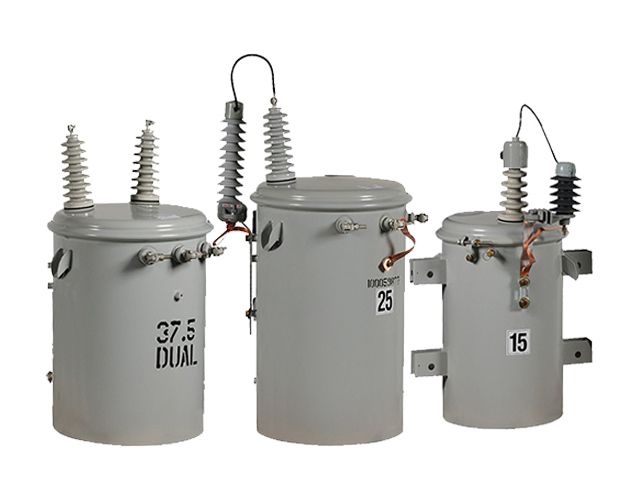
Oversized transformers may reduce efficiency during light-load operating conditions. Undersized units frequently experience overheating and premature insulation degradation problems. Maintenance teams inspect cooling pathways regularly for unrestricted airflow conditions. Accurate capacity planning supports safer electrical infrastructure development across commercial properties.
Comparison of Transformer Material Characteristics
| Material Type | Conductivity | Weight | Commercial Benefit |
|---|---|---|---|
| Copper Windings | High | Heavier | Lower electrical resistance |
| Aluminum Windings | Moderate | Lighter | Reduced manufacturing cost |
| Epoxy Insulation | Stable | Moderate | Improved moisture resistance |
| Mineral Oil Cooling | Efficient | Heavy | Better heat dissipation |
Material selection strongly influences transformer durability and operational consistency. Copper windings support lower resistance during continuous electrical loading conditions. Aluminum conductors reduce installation weight across larger transformer assemblies. Insulation materials also affect thermal endurance during demanding industrial operations. Moisture-resistant insulation improves reliability within humid manufacturing environments. Cooling systems maintain internal temperatures within safe operating limits consistently. Engineers evaluate lifecycle costs before approving transformer material specifications. Long-term performance data supports more accurate procurement decisions across commercial infrastructure projects.
Best Practices for Long-Term Transformer Reliability
Preventive maintenance supports stable transformer performance throughout extended operational periods. A single phase 120 240 transformer wiring diagram also assists technicians during maintenance verification procedures. Technicians inspect terminal tightness during scheduled maintenance procedures regularly. Dust accumulation inside enclosures may restrict cooling airflow significantly. Thermal imaging inspections help identify abnormal heating patterns quickly. Electrical facilities often implement vibration monitoring for large transformer systems. Moisture control also protects insulation materials from premature degradation problems. Engineers review load balancing data to prevent conductor overheating conditions. Proper ventilation improves transformer cooling during continuous operation cycles. Maintenance logs support accurate service scheduling across industrial infrastructure networks. Replacement planning reduces unexpected downtime during aging equipment transitions. Reliable maintenance procedures improve transformer efficiency and operational safety simultaneously. Consistent inspection routines also extend equipment lifespan within commercial facilities substantially.
Key Advantages of Accurate Transformer Wiring Documentation
Detailed transformer documentation improves electrical coordination across commercial projects significantly. Service technicians reference wiring layouts during troubleshooting and repair procedures. Accurate schematics reduce installation errors during future infrastructure expansions. Maintenance departments also benefit from organized conductor identification records. Electrical inspectors verify compliance requirements more efficiently using updated diagrams. Transformer labeling systems improve operational clarity across multi-panel installations. Reliable documentation supports safer lockout procedures during maintenance activities. Engineers often archive electrical schematics within digital facility management systems. Updated transformer records simplify contractor coordination during modernization projects. Clear documentation also minimizes operational downtime during emergency electrical repairs. Professional electrical planning strengthens long-term infrastructure reliability within industrial and commercial environments.
FAQ
Why does a transformer use a center tap in split-phase systems?
A center tap creates two separate voltage outputs from one transformer secondary winding. The arrangement produces 120V between each hot conductor and neutral. It also provides 240V between both hot conductors simultaneously. Commercial buildings benefit from this configuration because different equipment types require different operating voltages. Lighting systems usually depend on 120V circuits. Heavy machinery often requires 240V operation for improved efficiency. The center tap also supports load balancing across branch circuits. Balanced current flow reduces overheating risks within transformer windings. Electricians carefully connect neutral conductors to maintain stable voltage conditions during continuous operation. Proper center tap installation improves transformer reliability significantly.
What causes voltage imbalance in transformer wiring systems?
Voltage imbalance normally develops from uneven electrical loading across split-phase circuits.One branch circuit may carry substantially higher current than another branch.
Excessive neutral current can also appear during unbalanced operation conditions. Loose conductors sometimes increase resistance within connection points significantly. Damaged insulation may create unstable voltage behavior during continuous operation cycles. Incorrect breaker sizing can worsen electrical distribution problems within commercial facilities. Electricians often use load analysis procedures to identify imbalance conditions accurately. Thermal imaging inspections also reveal overheating conductors during maintenance operations. Proper branch circuit planning reduces transformer stress during peak demand periods. Balanced electrical distribution supports safer and more efficient commercial power infrastructure.
How often should commercial transformers receive inspections?
Commercial transformers usually require inspections at least once each year. Facilities operating under heavy electrical demand may require quarterly evaluations instead. Maintenance personnel inspect terminals, insulation systems, and cooling pathways carefully during service routines. Thermal imaging equipment helps identify hidden overheating problems quickly. Electrical testing procedures also verify insulation resistance and voltage stability. Dust contamination inside transformer enclosures may reduce cooling performance significantly. Engineers often review load balancing reports during maintenance planning activities. Industrial environments with moisture exposure generally require more frequent inspections. Accurate maintenance documentation supports long-term reliability across commercial electrical systems. Scheduled inspections reduce unexpected downtime and improve operational safety within critical facilities.