
What Specs Confirm For 480 To 240 Transformer Single Phase?
-
480 to 240 transformer single phase specification details: voltage, insulation, load capacity, compliance for industrial systems.
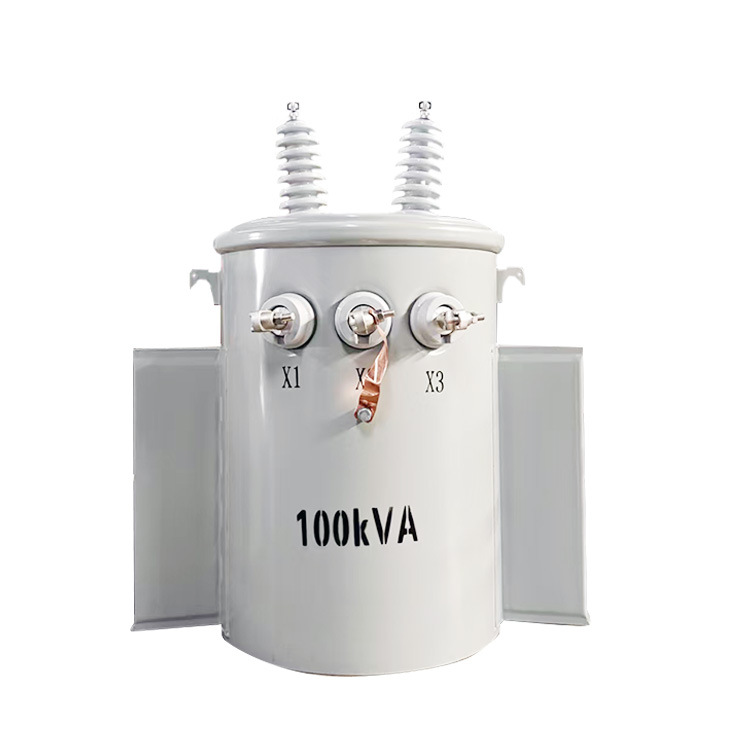
The 480 to 240 transformer single phase system defines a critical voltage conversion unit in industrial and commercial power distribution. The 480 to 240 transformer single phase ensures stable reduction from 480 volts primary to 240 volts secondary supply. Engineers rely on this configuration to support machinery loads, lighting systems, and control circuits. Specification confirmation focuses on electrical rating, insulation class, thermal limits, and efficiency performance. Proper validation ensures stable operation under fluctuating grid conditions. Industrial users often compare design parameters with standardized benchmarks before installation. Reliable specification control reduces system failure risk and improves long term electrical safety across distributed networks.
Input Voltage Behavior in 480 to 240 transformer single phase Systems
Voltage behavior defines how the 480 to 240 transformer single phase reacts under real operating conditions. Input voltage at 480V often fluctuates within tolerance bands defined by utility supply systems. The transformer must stabilize output at 240V while maintaining regulation accuracy. Engineers evaluate nameplate voltage, impedance percentage, and regulation curves during selection. These factors determine how effectively the system handles transient spikes. Stable voltage conversion ensures compatibility with sensitive equipment and industrial loads. Proper verification also prevents overheating and insulation stress during peak demand cycles. Consistent voltage performance directly influences system lifespan and operational reliability.
Core Structure Engineering in 480 to 240 transformer single phase Design
Core construction plays a central role in transformer efficiency and magnetic performance. Laminated silicon steel is commonly used to reduce eddy current losses. Grain-oriented steel improves directional flux alignment and reduces energy waste.
| Core Material | Efficiency Impact | Loss Control Type |
|---|---|---|
| CRGO Steel | High efficiency | Low hysteresis loss |
| Amorphous Alloy | Very high efficiency | Ultra-low core loss |
| Silicon Steel | Moderate efficiency | Balanced performance |
Core selection directly affects energy conversion efficiency and heat generation. Reduced losses improve long term operational stability. Magnetic flux optimization ensures smoother load handling. Engineering evaluation of core material remains essential during specification confirmation.
Insulation Class Requirements in Industrial Transformer Systems
Insulation performance defines the safety boundary for internal windings. The 480 to 240 transformer single phase depends on insulation class selection to withstand electrical and thermal stress. Common insulation classes include A, B, F, and H, each with different temperature endurance levels. Thermal endurance determines how windings behave under continuous load conditions. Dielectric strength testing ensures resistance against breakdown voltage. Moisture resistance also affects insulation stability in humid environments. Proper insulation selection reduces aging effects and prevents premature failure. Engineers align insulation ratings with expected load cycles and ambient temperature conditions for reliable operation.
Load Capacity Planning for 480 to 240 transformer single phase Applications
Load capacity defines how much electrical demand the system can support safely. The 480 to 240 transformer single phase is typically rated in kVA rather than kW. This distinction ensures accurate apparent power calculation.
Key load planning considerations include:
- Connected equipment total wattage
- Starting current of motors
- Duty cycle frequency
- Safety margin allowance
- Future expansion capacity
Each factor influences transformer sizing decisions. Engineers avoid undersizing to prevent overheating and voltage drop. Oversizing is also avoided to reduce inefficiency. Proper load balance ensures stable performance under continuous industrial operation.
Safety Compliance Testing for 480 to 240 transformer single phase Equipment
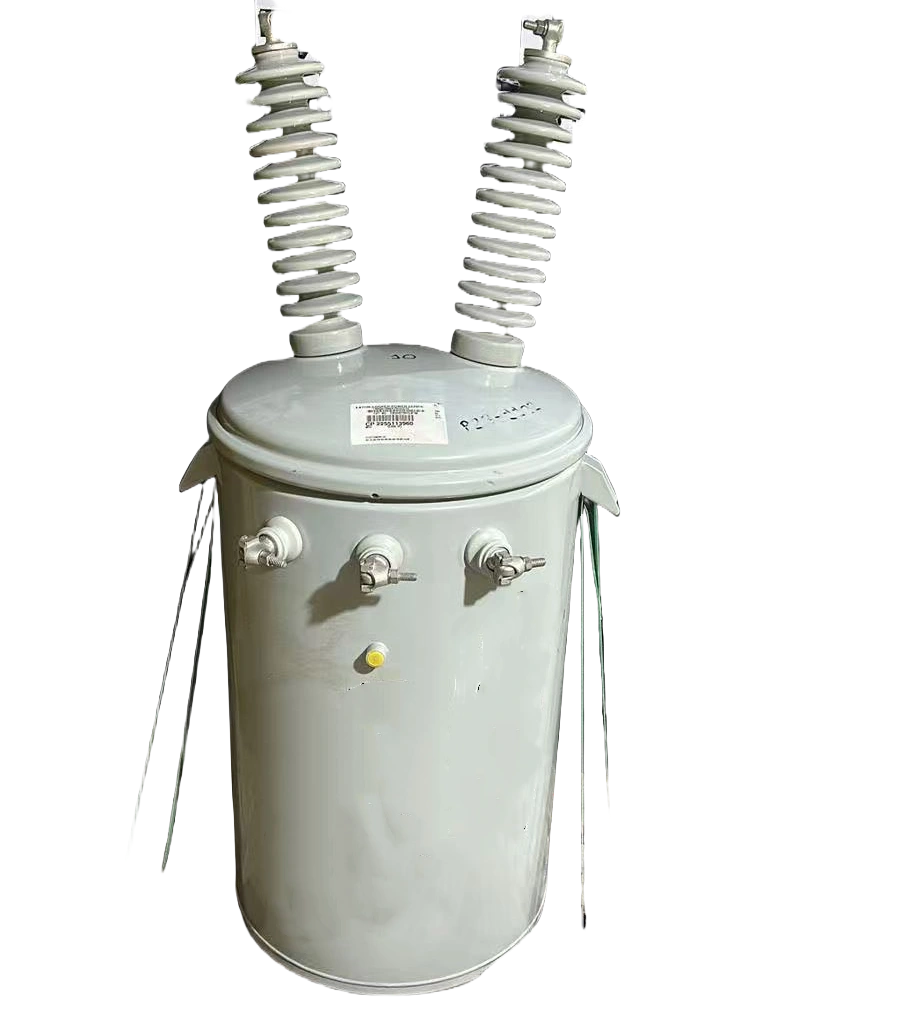
Safety validation ensures transformer complies with IEC 60076 series for power transformers and IEEE C57.12.00 standards. These standards define design, manufacturing, and performance requirements for distribution transformers used in utility and industrial systems. Testing includes dielectric strength evaluation per IEC 60270 partial discharge measurement methods, short circuit endurance testing per IEEE C57.12.90, and temperature rise limits specified in IEC 60076-2 thermal guidelines. IEC 60071 insulation coordination standards define voltage withstand levels under transient stress conditions. Compliance testing verifies insulation integrity under high voltage stress. Short circuit tests simulate fault conditions to evaluate structural durability. Heat rise tests measure winding temperature under full load operation. Certification ensures reliability before deployment in critical infrastructure. Safety documentation supports regulatory approval and industrial acceptance. Consistent compliance reduces electrical hazards and enhances long-term system trustworthiness performance.
Installation Environment Factors Affecting Transformer Performance
Installation conditions significantly influence operational efficiency and durability. Outdoor and indoor environments require different protective considerations. Dust, humidity, and altitude affect cooling performance and insulation aging. Proper grounding ensures electrical safety and fault current dissipation. Cable sizing must align with load current capacity. Pole mounted installations require vibration resistance and weatherproof enclosures.
| Environment Type | Key Risk Factor | Protection Method |
|---|---|---|
| High humidity | Insulation degradation | Sealed enclosure |
| Dusty area | Cooling blockage | IP-rated housing |
| High altitude | Cooling reduction | Derating adjustment |
Environmental adaptation ensures stable transformer operation across diverse installation sites.
Voltage Class Comparison in Industrial Transformer Applications
Different voltage classes influence transformer design requirements. A 10 kv oil-immersed transformer is commonly used in medium distribution networks. It supports stable step-down operations in urban grid systems. Higher voltage systems require stronger insulation and enhanced cooling methods. Industrial planners compare voltage classes before selecting equipment. Proper matching ensures system compatibility and reduces energy loss. Voltage classification also affects safety clearance distances and substation layout design. Engineering evaluation ensures that selected transformer models meet both electrical demand and environmental constraints.
Performance Optimization in 480 to 240 transformer single phase Systems
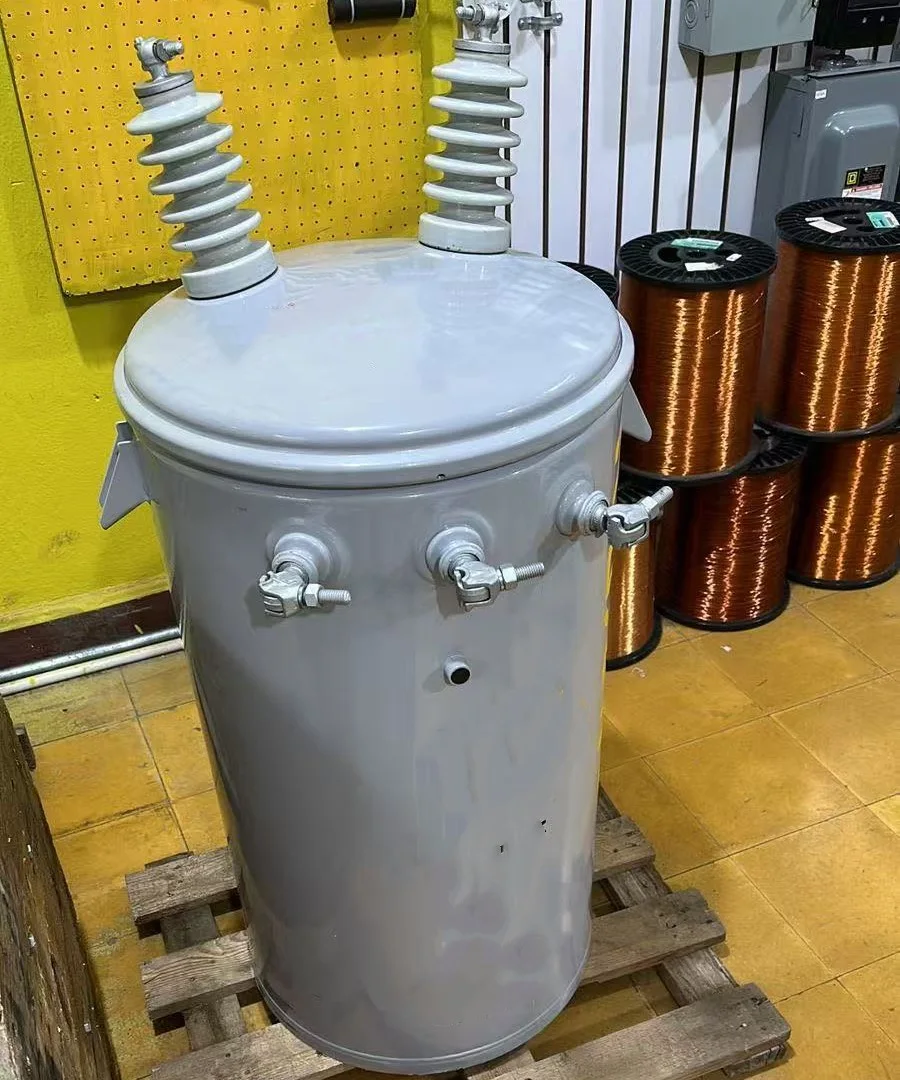
Performance optimization focuses on improving efficiency and reducing losses. Proper conductor sizing reduces resistive heating. Balanced load distribution improves magnetic stability. A 35 kv oil-immersed transformer is often referenced in high capacity distribution planning due to its robust cooling system design. However, lower voltage systems still benefit from similar optimization principles. Monitoring load variation helps maintain stable output voltage. Regular maintenance improves insulation life and reduces unexpected downtime. Optimization strategies ensure consistent energy delivery and improve overall system reliability in demanding industrial conditions.
Common Specification Errors in 480 to 240 transformer single phase Selection
Specification errors often lead to operational inefficiency and equipment failure. One common issue is incorrect kVA rating selection. Another problem involves misreading impedance values on nameplate data. Engineers sometimes ignore duty cycle variations in load profiles. Overlooking ambient temperature limits also reduces transformer lifespan. The 480 to 240 transformer single phase must be matched precisely to application demand. Incorrect grounding practices introduce safety risks. Poor ventilation design increases thermal stress. Proper specification review prevents these issues and ensures stable long term operation in industrial environments.
Performance Optimization in 480 to 240 transformer single phase Systems
Performance optimization focuses on improving efficiency and reducing losses. Proper conductor sizing reduces resistive heating. Balanced load distribution improves magnetic stability. A 35 kv oil-immersed transformer is often referenced in high capacity distribution planning due to its robust cooling system design. However, lower voltage systems still benefit from similar optimization principles. Monitoring load variation helps maintain stable output voltage. Regular maintenance improves insulation life and reduces unexpected downtime. Optimization strategies ensure consistent energy delivery and improve overall system reliability in demanding industrial conditions.
FAQ
What defines a correct single phase transformer specification?
A correct specification includes voltage rating, kVA capacity, insulation class, and efficiency level. Engineers evaluate these parameters based on load demand and environmental conditions. Nameplate data provides essential reference values for system matching. Electrical tolerance limits must align with operational expectations. Proper specification ensures safe voltage conversion and prevents overheating issues. Mechanical design factors such as enclosure type and cooling method also influence selection. Accurate specification confirmation reduces failure risk and improves long term system reliability in industrial applications.
How is kVA rating determined for industrial transformers?
kVA rating is determined by calculating total apparent load demand. Engineers sum connected equipment loads and account for starting currents. Safety margins are added to prevent overload conditions. Power factor also influences final rating selection.Inductive loads require higher capacity allowance compared to resistive loads.Thermal limits of windings define maximum continuous operation capacity.