
How To Choose Single Phase Pad Mounted Transformer?
-
Single phase pad mounted transformer choice depends on load, voltage, safety, losses, enclosure strength, and supplier quality.
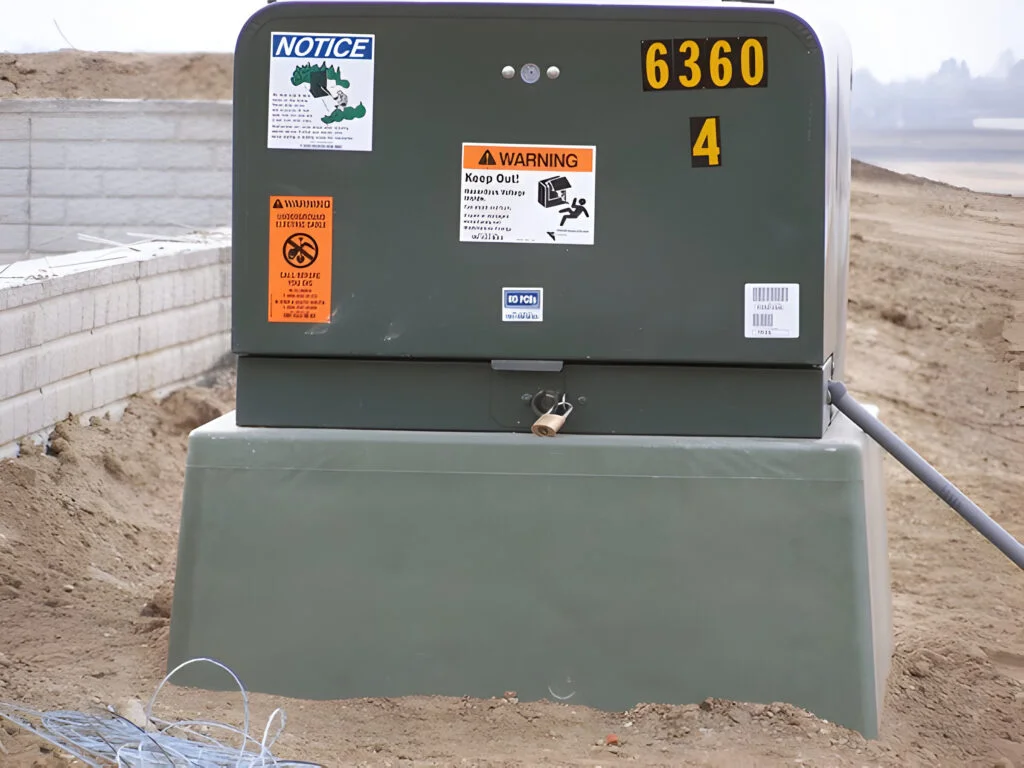
A single phase pad mounted transformer supports safe outdoor power distribution. Buyers use it in retail parks often. Utilities place it in housing zones too. Wrong sizing creates voltage drop quickly. Poor sealing invites moisture damage early. Weak steel cabinets raise vandal risks. Smart selection lowers outage events greatly. It also cuts service expense later. Engineers compare duty cycles first. They inspect local climate data next. Teams review feeder capacity carefully. Procurement should check test records early. Strong planning protects project schedules well. The keyword unit suits visible public areas. Dead front designs improve operator safety. Correct choices raise asset value long term.
Load Planning For Single Phase Pad Mounted Transformer
A single phase pad mounted transformer must match real demand. Start with connected load totals first. Then apply demand diversity factors carefully. Motor starts need extra margin often. Heating loads vary by season greatly. Future tenants may expand soon. Add growth reserve when justified. Oversizing wastes capital and raises losses. Undersizing overheats windings quickly. Review hourly load curves monthly. Smart meters provide useful trends. Designers should compare summer peaks. They also inspect winter peaks. Harmonic loads need attention too. Nonlinear devices distort current flow. Ask vendors about thermal limits. Clear load data improves bids greatly.
Voltage Ratings And Network Compatibility
Primary voltage must match feeder service exactly. Secondary voltage must fit end equipment. Frequency should follow local grid rules. Tap ranges help seasonal adjustments. Surge level ratings matter outdoors. BIL values protect insulation systems. Confirm grounding method before ordering. Some sites use split phase outputs. Others need special service voltages. Metering cabinets may require coordination. Cable elbow sizes need checking. Utility standards can differ widely.
Submit drawings before manufacture starts. Rework later costs more money. A 66 kv oil-immersed power transformer serves transmission roles elsewhere. Distribution pads use lower classes commonly. Keep specifications precise and short.
Cooling Fluids And Thermal Control
Fluid choice shapes service life strongly. Mineral oil remains widely accepted. Natural ester offers fire benefits. Higher flash points aid safety. Ambient heat raises winding stress. Sun exposure warms steel tanks daily. Vent spacing helps cooling flow. Load cycling affects hotspot rise. Ask for temperature rise limits. Review nameplate cooling class carefully. Fluid sampling supports condition tracking. Moisture content must stay low. Oxidation inhibitors need monitoring sometimes. Gasket quality prevents leaks later. Strong paint reduces radiant heat. Internal clearances aid circulation paths. Thermal discipline protects insulation paper. Better cooling extends replacement cycles.
Enclosure Strength For Single Phase Pad Mounted Transformer
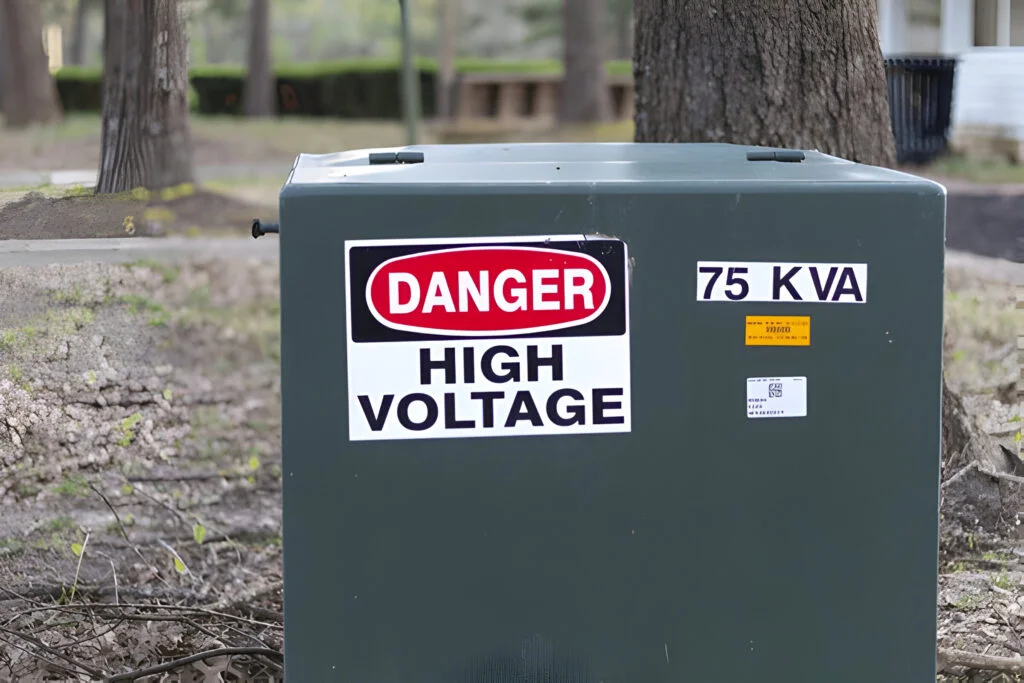
A single phase pad mounted transformer sits in public zones. Cabinet strength deserves close review. Steel gauge impacts dent resistance. Weld quality affects long durability. Hinges need corrosion protection. Locks should resist tampering attempts. Powder coatings handle weather well. Coastal sites need higher resistance. Base channels must stay rigid. Flood areas need raised pads. Door seals block dust entry. Cable chambers need clear spacing. Sharp edges should be removed. Nameplates must remain readable. Ground studs need firm bonding. Inspect sample units physically. Good enclosures lower maintenance calls. Appearance also matters for campuses.
Safety Devices And Utility Approval
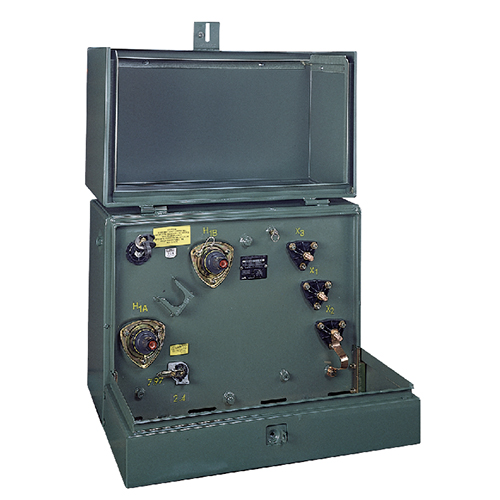
Protection devices reduce outage spread greatly. Bayonet fuses clear internal faults. Current limiting fuses add backup. Surge arresters absorb lightning energy. Grounding paths must stay short. Dead front bushings improve touch safety. Labels must warn clearly outside. Utility inspectors review many details. Some request approved accessory brands.
Others require witness testing visits. Drawings should show clearances early. Oil level indicators help service crews. Pressure relief devices vent safely. Interlocks can limit misuse risk. Spare parts access matters later. A 220 kv oil-immersed power transformer uses different protection schemes. Public pads need compact safeguards.
Efficiency And Ownership Cost
Purchase price tells little alone. Losses continue every operating hour. No-load loss runs constantly daily. Load loss rises with current. Energy tariffs change economics fast. Compare total ownership cost models. Better cores save long term. Copper windings may cut losses. Ask for guaranteed values contractually. Penalties motivate supplier accuracy. Noise levels may matter nearby. Lower hum helps communities. Warranty length adds value too. Delivery reliability affects project cashflow. Finance teams should model scenarios. Efficient assets support sustainability goals. Good data wins approvals faster. Smart buyers compare ten year costs.
Key Selection Matrix
| Factor | Why It Matters | Buyer Focus |
|---|---|---|
| kVA Size | Prevents overload | Peak demand |
| Primary Voltage | Grid match | Utility data |
| Losses | Operating cost | Guaranteed values |
| Enclosure | Weather security | Steel and coating |
| Protection | Fault control | Fuse package |
Supplier Quality And Factory Controls
Strong suppliers document every process step. Material traceability reduces hidden risk. Core steel sources should qualify. Copper purity affects heating results. Welding procedures need consistency always. Paint curing must be controlled. Routine tests verify each unit. Buyers should request reports early. FAT visits add confidence often. Lead times need realistic buffers. Packaging should resist moisture transit. Export crates need firm bases. Spare parts lists save time. Service teams should respond fast. Reference projects prove experience depth. Ethical sourcing also matters now. Reliable factories protect schedules well.
Commercial Comparison Snapshot
| Item | Basic Offer | Premium Offer |
|---|---|---|
| Warranty | 12 months | 24 months |
| Loss Guarantee | Standard | Enhanced |
| Coating | Normal outdoor | Coastal grade |
| Delivery | 12 weeks | 8 weeks |
| Support | Dedicated engineer |
Installation Conditions And Maintenance
Site conditions shape lifetime results strongly. Concrete pads need level surfaces. Drainage channels prevent standing water. Clearance zones aid safe access. Vehicle barriers stop impact damage. Cable bends need enough radius. Commissioning tests confirm polarity first. Torque checks secure connectors firmly. Infrared scans spot hot joints. Fluid tests track aging trends. Bushings need clean surfaces always. Locks should stay functional. Paint chips need quick repair. Vegetation must remain trimmed back. Maintenance logs support warranty claims. Planned care lowers emergency work. Stable sites keep uptime high.
Final Buying Decision For Single Phase Pad Mounted Transformer
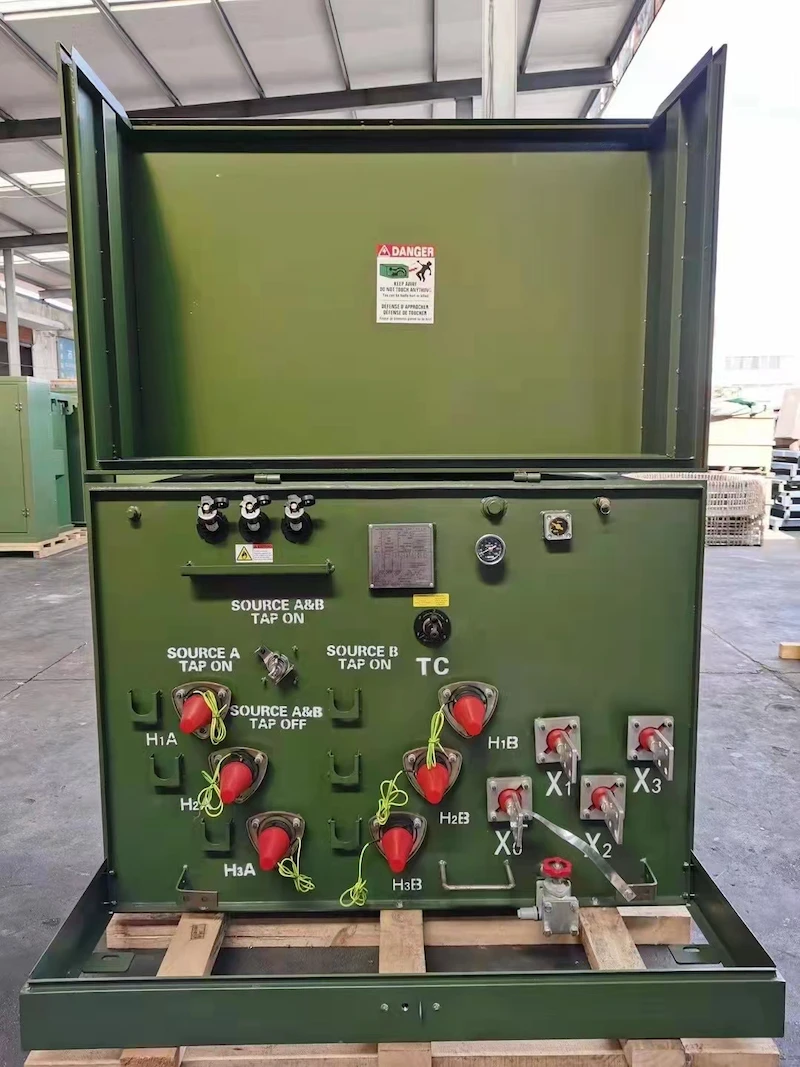
A single phase pad mounted transformer should fit technical and budget goals. Start with accurate load data. Confirm voltage details with utilities. Compare losses over years carefully. Inspect enclosure strength physically. Demand certified routine tests always. Review warranty language closely. Check supplier response speed. Plan spare parts support early. Use clear bid matrices. Avoid vague commercial promises. Strong contracts reduce disputes later. Commissioning plans should be ready. Maintenance budgets need approval too. Balanced decisions create dependable assets. Long service life then follows. Careful buyers secure better returns.
FAQ
What size transformer should I choose?
Choose size from measured demand first. Use interval meter records when possible. Add realistic growth margins only. Large guesses waste money quickly. Small guesses shorten life badly. Consider motor starts carefully. They create brief current surges. Review seasonal peaks separately too. Heating and cooling loads differ. Harmonic loads need derating sometimes. Ask vendors for thermal data. Utility planners can confirm feeder limits. Many buyers target spare capacity. Ten to twenty percent works often. Final values depend on site duty. Document assumptions for future reviews.