
How Do You Size Single Phase Transformer For Your Load?
-
Single phase transformer sizing for load matching, kVA calculation, safety margin, efficiency and industrial electrical design principles.
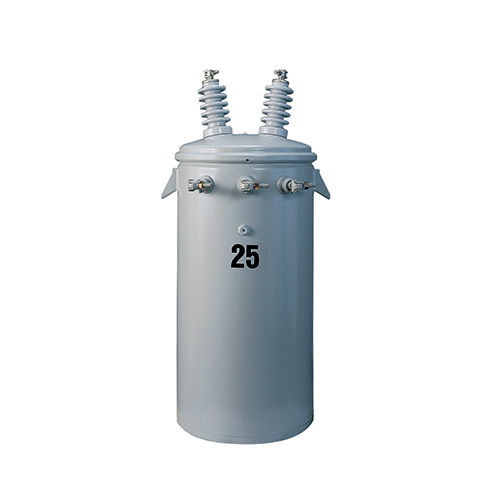
A single phase transformer plays a critical role in stable electrical distribution across industrial and commercial systems. Proper sizing ensures equipment operates safely under continuous and peak demand conditions. Engineers begin by evaluating total connected load, voltage level, and operating environment before selecting capacity. Incorrect estimation often leads to overheating, voltage instability, and reduced service life. Load behavior also changes depending on whether systems use motors, heating elements, or electronic controllers. Each category affects current demand differently, which influences final transformer selection. A single phase transformer must always match real operational demand rather than theoretical values. Safety margin planning ensures system flexibility during unexpected load increases. Accurate sizing improves efficiency and reduces maintenance cost across long-term operation cycles.
Single Phase Transformer Sizing: Key Electrical Parameters and Load Types
Electrical parameters define how a single phase transformer performs under varying conditions. Key values include voltage, current, kVA rating, and power factor. kVA represents total apparent power required by connected devices, while power factor defines efficiency between real and reactive power. Resistive loads maintain stable current flow, while inductive loads introduce phase shift and higher demand. Mixed loads combine both behaviors, making calculation more complex in real environments. Engineers must analyze measured data instead of relying on assumptions during design stages. Load fluctuation directly affects thermal performance and efficiency levels. Correct interpretation of parameters ensures stable output and prevents overload situations. A single phase transformer must always operate within rated limits to maintain reliability and performance consistency.
Safety Margin and Power Factor Impact Scenarios
| Scenario | Power Factor | Load Condition | Recommended Margin |
|---|---|---|---|
| Stable resistive system | 0.95–1.0 | Low fluctuation | 10% |
| Motor-driven system | 0.7–0.85 | Moderate fluctuation | 15–20% |
| Heavy industrial mixed load | 0.6–0.8 | High variation | 20–25% |
Safety margin selection strongly depends on power factor behavior and load dynamics. Lower power factor systems require higher capacity reserves due to increased reactive power demand. Motor-heavy environments create sudden current spikes that stress transformer windings. A single phase transformer must be selected with enough buffer to handle these variations safely. Engineers analyze real operational data instead of relying on theoretical load values. Proper margin control improves thermal stability and reduces long-term degradation risk. Balanced selection prevents both oversizing inefficiency and undersizing failure conditions. This approach ensures stable electrical performance in industrial systems under real working environments.
Load Behavior Comparison in Transformer Design
| Load Type | Power Factor | Current Behavior | Design Impact |
|---|---|---|---|
| Resistive | 0.95–1.0 | Stable and linear | Low sizing complexity |
| Inductive | 0.6–0.85 | Lagging current | Higher kVA requirement |
| Mixed | 0.7–0.9 | Variable response | Balanced safety margin needed |
Load classification directly influences transformer selection accuracy and operational stability. Resistive systems require minimal adjustment due to predictable current behavior. Inductive systems demand additional capacity because of reactive power consumption. Mixed environments require careful balancing of efficiency and safety margins. Engineers analyze load type before finalizing transformer specifications. Incorrect classification increases risk of overheating and voltage drop. A single phase transformer must be selected based on realistic operating conditions rather than ideal assumptions. Accurate load mapping improves long-term reliability and reduces energy losses in industrial systems.
Step-by-Step Method for Transformer Capacity Calculation
Transformer sizing follows a structured calculation process to ensure electrical safety and efficiency. Engineers first determine total connected load in watts or amperes. This value is then converted into kVA using voltage and power factor data. Safety margin is added to accommodate unexpected load spikes and expansion requirements. Final selection involves matching calculated value with standard transformer ratings available in the market. Each step reduces risk of overload and improves system stability under continuous operation. Proper calculation ensures that a single phase transformer performs efficiently across variable demand conditions. Incorrect computation often results in undersized systems and frequent operational failures in industrial environments.
Efficiency and Thermal Management in Transformer Operation
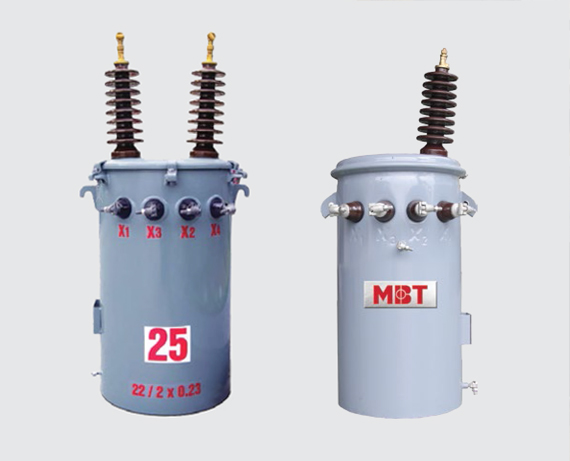
Efficiency in transformer systems depends on core design, copper loss, and load distribution balance. A single phase transformer achieves optimal performance when operating near rated capacity without exceeding thermal limits. Cooling systems play a major role in maintaining stable temperature levels during continuous operation. Proper ventilation reduces insulation stress and extends equipment lifespan significantly. High voltage systems such as the 110 kV Oil-Immersed Power Transformer require advanced thermal control due to increased energy density. Heat accumulation directly affects efficiency and accelerates material degradation. Engineers must consider ambient temperature and duty cycle during system design. Balanced loading ensures reduced energy loss and stable long-term electrical performance across industrial applications.
Common Design Errors in Transformer Load Selection
Incorrect load estimation remains one of the most common design issues in electrical systems. Many projects underestimate peak demand and ignore future expansion requirements. Power factor is often overlooked during early calculation stages, leading to inaccurate capacity selection. A single phase transformer must be chosen based on real operational data instead of simplified assumptions. Environmental conditions such as temperature and ventilation also influence performance outcomes. Undersizing leads to overheating and frequent system shutdowns under heavy load conditions. Oversizing reduces efficiency and increases capital cost unnecessarily. Proper engineering evaluation ensures stable operation and improved energy utilization across industrial environments.
Industrial Applications and High Voltage System Integration
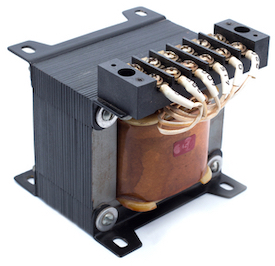
Industrial environments require transformers that match diverse operational demands and load conditions. A single phase transformer is commonly used in workshops, lighting systems, and small-scale machinery. It provides stable voltage supply for localized electrical networks. Medium voltage systems such as the 10 kV Oil-immersed Transformer are used in distribution networks for controlled power delivery. These systems ensure safe voltage stepping and improved operational efficiency. Engineers select transformer ratings based on actual field measurements and load profiles. Motor-driven equipment requires higher starting current capacity compared to resistive loads. Proper selection improves reliability and reduces downtime across industrial operations.
FAQ
How do you calculate kVA requirement for single phase transformer?
kVA calculation begins with measuring total connected electrical load in watts or amperes. Engineers divide real power by voltage and adjust using power factor value. This conversion provides apparent power requirement for system design. A safety margin is added to cover unexpected load variations and future expansion. Standard practice uses measured field data for improved accuracy. A single phase transformer is then selected based on nearest available rating above calculated value. This approach prevents overload and ensures stable operation. Accurate calculation reduces energy loss and improves long-term system performance reliability in industrial environments.
What safety margin should be used when sizing transformer?
Safety margin selection depends on load type, operating conditions, and system expansion plans. Most industrial applications use a margin between ten and twenty five percent. Higher margins are recommended for inductive or unstable load environments. This buffer protects a single phase transformer from continuous stress and overheating. It also accommodates sudden load increases during peak operation periods. Excessive margin may reduce efficiency and increase cost, so balance is necessary. Engineers evaluate historical load data before finalizing margin values. Proper selection improves operational stability and extends equipment lifespan under real working conditions.
What happens if a transformer is undersized?
An undersized transformer operates beyond its rated capacity, creating excessive heat buildup. Continuous overload reduces insulation strength and shortens equipment lifespan significantly.
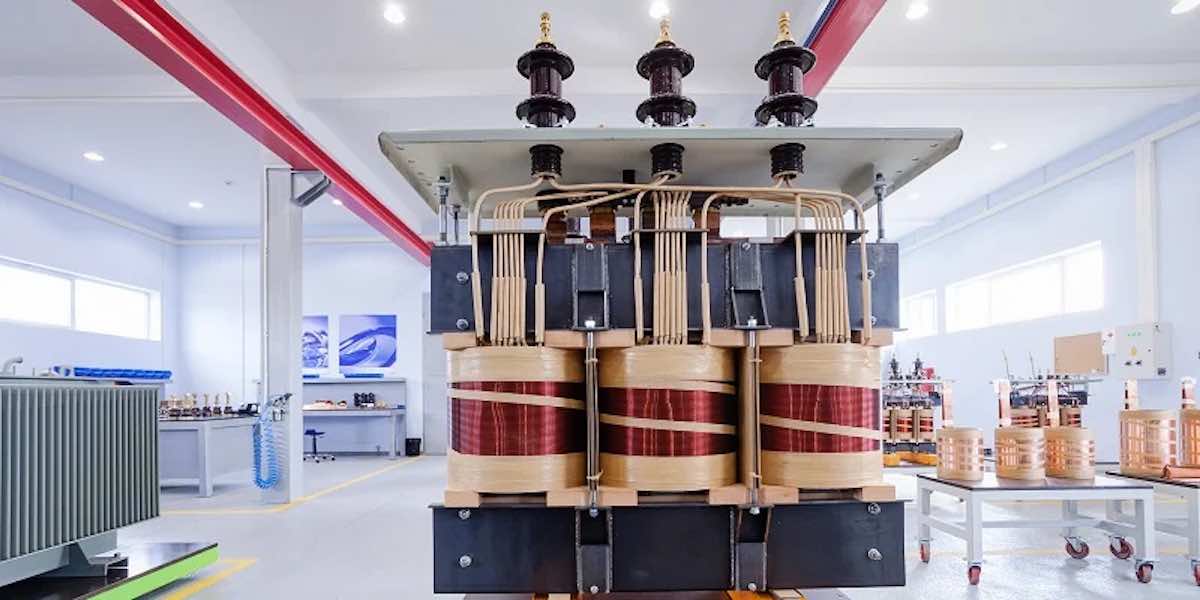
Voltage drops may occur, causing unstable performance in connected systems. A single phase transformer under stress may trigger frequent protection shutdowns. Energy losses increase due to inefficient operation under high load conditions. Maintenance requirements also rise because of accelerated wear. In severe cases, system failure or safety hazards may occur. Proper sizing prevents these issues and ensures reliable electrical distribution. Correct capacity selection remains essential for stable industrial power system performance.