
How To Choose 480 To 240 Three Phase Transformer?
-
480 to 240 three phase transformer for voltage conversion, load matching, efficiency, cooling and safe power distribution design.

The 480 to 240 three phase transformer plays a central role in industrial voltage adaptation systems. It converts higher distribution voltage into usable equipment-level voltage. Many factories rely on this conversion to operate machinery safely. Stable voltage ensures consistent motor performance and reduces electrical stress. Industrial environments require precise control of energy flow. This transformer supports balanced phase distribution across connected loads. It also helps reduce downtime caused by voltage mismatch. Proper selection improves operational reliability and electrical safety. Engineers often evaluate system demand before installation. Load variation and environmental conditions strongly influence performance decisions. Electrical infrastructure depends on correct transformer configuration.
Electrical Principles Behind Three Phase Power Conversion
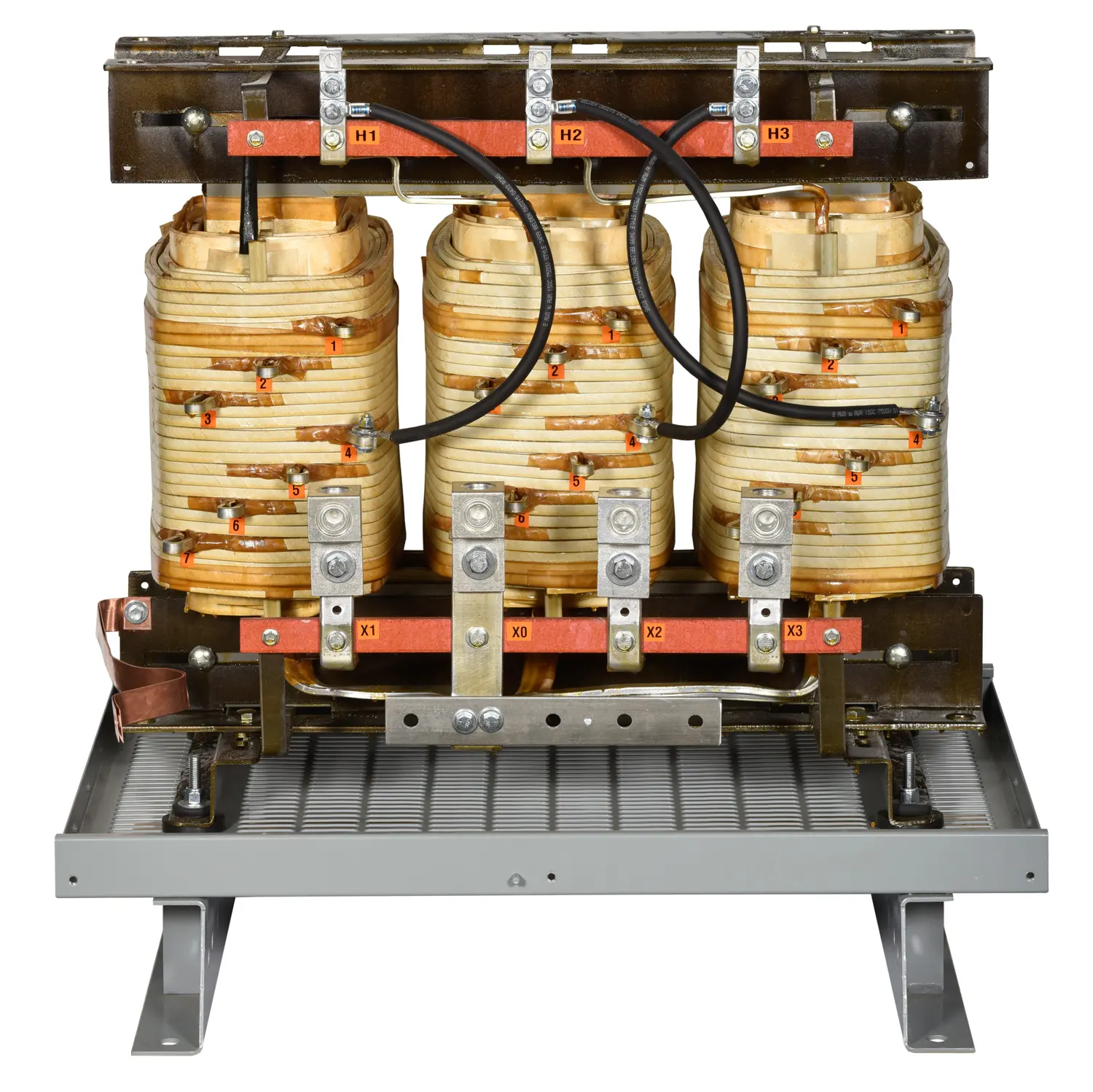
Three phase systems rely on sinusoidal wave interaction across three conductors. Each phase is separated by 120 degrees. This structure provides continuous power delivery without major fluctuation. Magnetic induction inside transformer windings enables voltage conversion. Primary coils receive input energy and secondary coils deliver adjusted output. Balanced phase loading improves efficiency and reduces harmonic distortion. Current distribution must remain symmetrical for stable operation. Voltage transformation depends on coil turns ratio and core design. Energy transfer efficiency increases with optimized magnetic coupling. Heat generation occurs due to resistive and core losses. Proper design minimizes energy waste during operation.
480 to 240 three phase transformer Selection Overview
Selecting a 480 to 240 three phase transformer requires evaluating load type, duty cycle, and installation environment. Industrial systems demand stable voltage under varying load conditions. Engineers must consider both continuous and peak demand levels. Oversizing reduces efficiency while undersizing risks overheating. Phase imbalance can reduce operational stability significantly. Core material quality directly affects energy loss. Copper windings provide better conductivity than aluminum alternatives. Environmental temperature also influences transformer lifespan. Installation location determines cooling requirements and enclosure design. Proper selection ensures long-term reliability in demanding electrical systems.
Load and Capacity Matching for 480 to 240 three phase transformer
Accurate load matching ensures safe and efficient transformer operation. Electrical demand must be calculated before installation begins. Continuous load differs from short-term surge demand. Motor-driven systems often generate fluctuating power requirements. Capacity planning must include safety margin calculations. Voltage drop can occur if undersized units are selected. Balanced load distribution improves system efficiency significantly. Engineers analyze connected equipment before final specification. Poor load planning leads to overheating and insulation damage. Proper sizing increases transformer lifespan and reduces maintenance costs.
| Load Type | Power Demand Behavior | Design Consideration |
|---|---|---|
| Continuous Load | Stable and constant demand | Rated capacity match required |
| Peak Load | Short duration spikes | Safety margin required |
| Variable Load | Fluctuating consumption | Adaptive thermal design |
Load classification determines transformer sizing accuracy in industrial environments. Continuous systems require stable thermal balance. Peak systems demand additional capacity margins. Variable loads require flexible thermal response. Engineers often simulate real operational patterns before final selection. This prevents premature failure and improves energy efficiency across systems.
Core Material Engineering in 480 to 240 three phase transformer Design
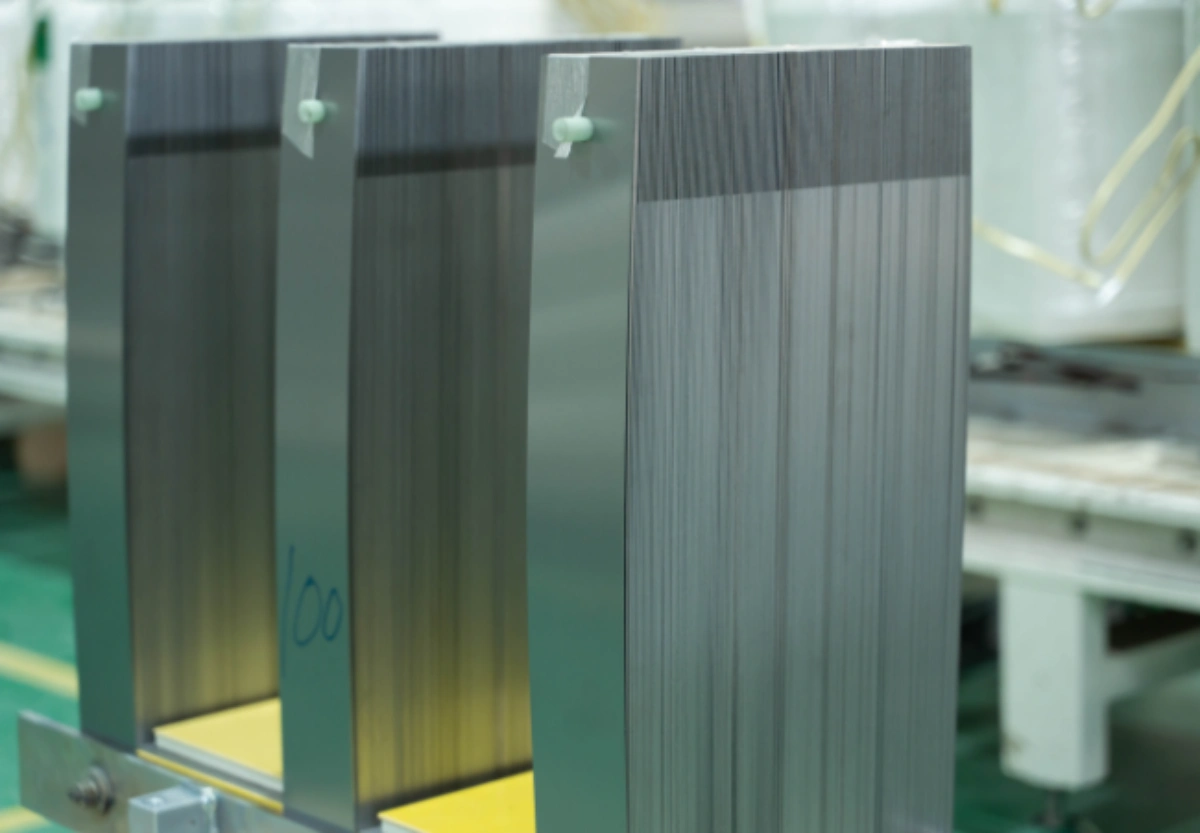
Core design influences magnetic efficiency and energy loss levels. Silicon steel is widely used due to low hysteresis loss. Grain-oriented structures improve magnetic alignment. Winding geometry affects leakage flux behavior. Copper windings provide superior conductivity under heavy load. Aluminum windings reduce cost but increase resistance. Insulation quality determines safety under thermal stress. Proper lamination reduces eddy current losses. Manufacturing precision ensures consistent performance across units. Material selection directly impacts long-term operational stability.
Efficiency and Energy Loss Considerations
Efficiency depends on minimizing energy loss during operation. Copper loss increases with load current. Core loss remains relatively stable across operation cycles. Optimal loading improves efficiency curve behavior. Power factor correction reduces reactive energy waste. Harmonic distortion increases thermal and electrical stress. Regular maintenance improves long-term performance. Temperature control reduces resistive growth in windings. Balanced loading improves phase consistency. System optimization depends on real consumption patterns.
Cooling Systems and Thermal Control Mechanisms
Thermal management ensures stable transformer operation under load. Heat is generated through copper and core losses. Cooling methods prevent insulation degradation. Dry-type systems rely on air circulation. Oil-based systems use dielectric fluid for heat transfer. Ventilation design affects temperature distribution. Fans improve airflow in enclosed installations. Temperature sensors monitor operational safety levels. Overheating protection prevents catastrophic failure. Cooling efficiency directly affects service lifespan.
Industrial Voltage Hierarchy and Transformer Scaling Context
Large industrial networks often use multi-level voltage distribution. High-voltage systems step down gradually for equipment compatibility. A 110 kV Oil-Immersed Power Transformer is commonly used in transmission substations. It handles large-scale grid energy transfer efficiently. Proper cascading ensures safe energy reduction across stages. Voltage hierarchy prevents equipment overload in downstream systems. Electrical coordination between stages improves stability. Transformer placement affects system losses significantly. Engineers design networks to minimize transmission inefficiency.
Safety Standards and Insulation Performance Requirements
Electrical safety depends on insulation strength and international compliance frameworks. IEC 60076 series defines performance rules for power transformers. NEMA ST20 sets requirements for dry-type transformer construction and testing. Insulation classes A, B, F, and H define thermal endurance limits. IEC 60076-3 specifies dielectric withstand and lightning impulse testing procedures. Surge protection devices limit transient overvoltage stress in industrial networks. IEC 60529 classifies enclosure protection levels against dust and moisture. Grounding systems provide fault current discharge paths for personnel safety. Thermal class ratings control maximum operating temperature of windings. Routine tests include applied voltage and impulse verification for reliability. Proper compliance reduces operational hazards in industrial electrical environments.
Installation Configuration for 480 to 240 three phase transformer Systems
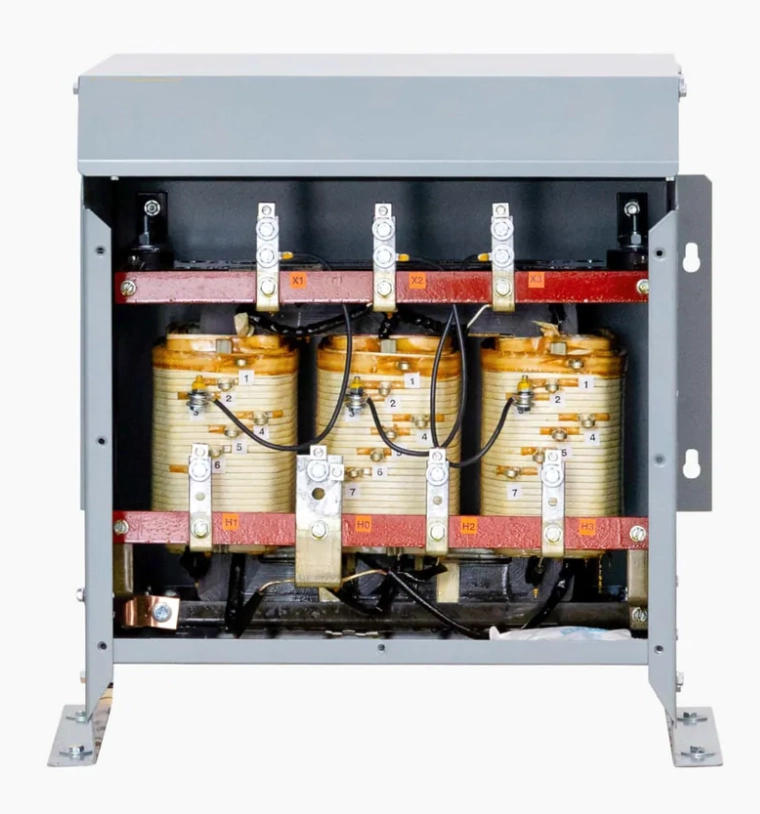
Installation design impacts performance and safety reliability. Indoor installations require ventilation control. Outdoor systems need weather-resistant enclosures. Delta and wye configurations affect phase behavior. Neutral grounding stabilizes system reference voltage. Cable sizing influences current handling capacity. Proper spacing reduces electromagnetic interference. Mounting structure must support transformer weight. Environmental exposure affects insulation aging rate. Commissioning tests verify correct wiring configuration.
Efficiency Optimization Strategies in Power Conversion Systems
Efficiency depends on minimizing energy losses during operation. Copper losses increase with load current. Core losses remain relatively constant. Optimal loading improves efficiency curve performance. Power factor correction reduces reactive losses. Harmonic distortion increases system stress. Proper maintenance improves long-term efficiency. Temperature control reduces resistive resistance rise. Balanced loading improves phase stability. Engineers optimize systems based on real consumption profiles.
Comparative Industrial Transformer Application Example
Different transformer classes serve different industrial roles. Medium voltage distribution systems use step-down units for equipment supply. A 10 kV Oil-immersed Transformer is common in factory distribution networks. It bridges substation supply and production equipment needs. Lower voltage systems require stable phase balancing. Proper coordination reduces energy loss across distribution stages. Industrial planning considers both upstream and downstream voltage levels. Equipment compatibility determines final transformer selection.
Cost Structure and Lifecycle Performance Evaluation
Cost analysis includes purchase, installation, and maintenance factors. Initial investment depends on capacity and materials. Operating cost depends on efficiency performance. Maintenance cycles vary by cooling type. Oil-based systems require periodic inspection. Dry-type systems require less maintenance. Lifecycle planning improves financial efficiency. Downtime costs must also be considered. Long-term reliability reduces replacement frequency. Total ownership cost determines investment value.
Common Engineering Errors in Transformer Selection
Incorrect sizing remains the most frequent design issue. Ignoring load fluctuation causes overheating risks. Poor ventilation design reduces efficiency. Phase imbalance increases system instability. Low-quality materials shorten service life. Inadequate grounding increases safety hazards. Overlooking harmonic distortion affects performance. Incorrect installation orientation reduces cooling efficiency. Lack of maintenance planning increases failure probability. Proper engineering review prevents operational risks.
Summary of Selection Principles for Industrial Power Systems
Transformer selection depends on load, efficiency, and safety requirements. System stability requires balanced electrical design. Material quality directly influences performance outcomes.
Cooling systems protect against thermal overload. Installation environment affects long-term reliability. Proper planning reduces operational risks. Electrical coordination ensures stable energy distribution. Engineering evaluation improves system longevity. Investment decisions should consider lifecycle performance.
FAQ
What factors determine the correct selection of a 480 to 240 three phase transformer?
Selection depends on load size, duty cycle, and environment. Engineers first evaluate total connected load and future expansion needs. Thermal conditions also influence design choice. Cooling method selection affects operational stability. Electrical safety standards must also be considered. Phase balance is important for stable output. Material quality influences efficiency and durability. Incorrect sizing can lead to overheating or inefficiency. Proper engineering analysis ensures reliable long-term operation in industrial systems with varying demand conditions.
How does load imbalance affect performance in a 480 to 240 three phase transformer?
Load imbalance creates uneven current distribution across phases. This leads to overheating in one or more windings. Efficiency decreases when phases are not equally loaded. Mechanical stress increases inside the core structure. Voltage distortion may occur in connected equipment. Long-term imbalance reduces insulation lifespan. Engineers monitor phase currents during operation. Corrective balancing improves system stability. Proper design reduces risk of uneven loading. Balanced systems operate more efficiently and safely under industrial conditions with variable electrical demand.
What cooling method is most effective for a 480 to 240 three phase transformer?
Cooling effectiveness depends on installation environment and load intensity. Oil-immersed systems provide strong thermal transfer capability. They are suitable for high-load industrial applications. Dry-type systems are safer in indoor environments. Air cooling reduces maintenance requirements. Oil circulation improves heat dissipation efficiency. Fans enhance airflow in enclosed spaces. Temperature monitoring ensures safe operation limits. Selection depends on safety, cost, and performance requirements. Proper cooling design extends transformer lifespan and improves operational reliability under continuous industrial use.