
How To Choose Three Phase Pole Mounted Transformer?
-
Three phase pole mounted transformer selection criteria for distribution networks, efficiency, safety and installation factors.
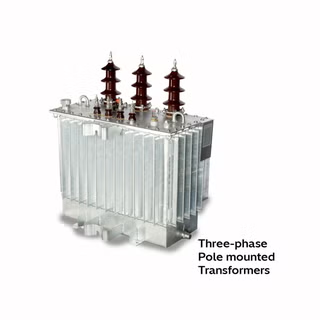
The three phase pole mounted transformer plays a central role in modern distribution networks. It supports stable voltage delivery across medium and low voltage systems. Utilities rely on it to reduce transmission loss in rural and suburban grids. Engineers select equipment based on load demand and grid structure. Three phase pole mounted transformer applications improve reliability in overhead line networks. These units are installed on utility poles to save ground space. They also support balanced phase distribution for industrial and residential users. Proper selection directly affects system efficiency and long-term stability. Grid planners evaluate electrical conditions before deployment decisions. Thermal behavior and load variation also influence design choice. Field performance depends on correct configuration and installation quality in real environments.
How To Choose Three Phase Pole Mounted Transformer based on system demand
Selection of a three phase pole mounted transformer requires careful evaluation of power demand. Engineers first analyze peak and average load conditions. Correct sizing ensures stable operation under fluctuating consumption patterns. Undersized units may overheat during demand spikes. Oversized units reduce efficiency and increase capital cost. Load forecasting models help define optimal capacity levels. Grid operators also consider future expansion requirements. Environmental temperature impacts insulation performance and thermal limits. Three phase pole mounted transformer selection must align with system reliability goals. Mechanical strength also matters in windy or exposed areas. Electrical engineers coordinate with utility planners during specification stages. Proper documentation ensures compliance with regional power distribution standards.
Core construction and design principles of three phase pole mounted transformer systems
Core design directly affects energy efficiency and magnetic performance. Laminated silicon steel cores reduce eddy current losses significantly. Winding configuration determines voltage stability and heat distribution. Copper windings provide lower resistance and better conductivity. Aluminum windings reduce cost but slightly lower efficiency. Insulation systems protect against electrical breakdown under stress conditions. Oil and solid insulation combinations improve thermal management. Three phase pole mounted transformer structures must withstand outdoor environmental stress. Mechanical reinforcement ensures stability on utility poles. Vibration resistance is also a key design requirement. Cooling design supports continuous operation under load variation. Engineers evaluate material selection based on lifecycle performance expectations.
Electrical rating selection for three phase pole mounted transformer in distribution planning
Electrical rating selection determines operational safety and performance efficiency. kVA rating must match load demand precisely. System designers calculate connected load and diversity factor. Future growth is included in planning models. Proper rating avoids overheating and energy waste. Three phase pole mounted transformer units must handle peak demand safely. Load imbalance between phases can affect system efficiency. Protective margins are included in design calculations. Utility planners evaluate feeder capacity before installation approval. Short circuit conditions also influence rating selection. Proper coordination ensures stable grid operation under fault conditions. Engineering teams simulate load scenarios for accuracy. Final selection depends on balanced technical and economic considerations.
Voltage class compatibility in three phase pole mounted transformer systems
Voltage matching ensures safe and stable energy transfer across networks. Primary and secondary voltage levels must align with grid standards. Incorrect matching leads to system instability and equipment failure risks. Regional utilities define strict voltage classification rules. In rural distribution systems, step-down configurations are commonly applied. A 10 kv oil-immersed transformer is often used in localized distribution networks requiring stable insulation performance under outdoor conditions. Engineers evaluate insulation strength and dielectric properties during selection. Voltage fluctuation tolerance is also an important factor. Protection devices help maintain voltage stability under abnormal conditions. System compatibility ensures seamless integration with existing infrastructure. Proper coordination improves overall grid reliability and reduces downtime risk.
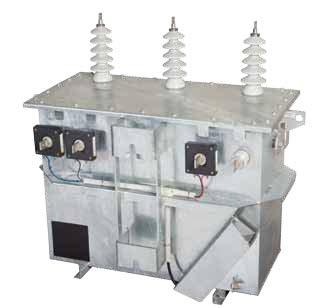
Efficiency performance and energy loss control in three phase pole mounted transformer design
Energy efficiency directly impacts operational cost and system sustainability. Core losses occur even under no-load conditions. Copper losses increase with load current intensity. High-efficiency materials reduce total energy dissipation. Cooling systems help maintain optimal operating temperature. Three phase pole mounted transformer efficiency depends on both design and load management. Engineers analyze loss curves during specification stages. Proper phase balancing improves performance stability. Harmonic distortion can also reduce efficiency levels. Advanced designs incorporate low-loss steel and optimized winding geometry. Energy audits help utilities evaluate long-term performance. Reduced losses contribute to lower electricity tariffs. Efficiency optimization remains a key design objective for modern distribution systems.
Installation environment and structural requirements for three phase pole mounted transformer
Installation conditions significantly affect operational safety and durability. Utility poles must support both weight and vibration loads. Wind pressure and weather exposure influence structural design. Clearance distance ensures public safety and electrical protection. Ground elevation also affects maintenance accessibility. Three phase pole mounted transformer installation requires precise mechanical alignment. Improper mounting can lead to long-term structural stress. Corrosion resistance is important in coastal environments. Insulation distance must comply with regulatory standards. Maintenance crews require safe access space for servicing. Environmental temperature variation impacts thermal performance. Engineers assess site conditions before installation approval. Proper grounding systems reduce fault risk and improve operational safety.
Protection systems and operational safety compliance for three phase pole mounted transformer
Protection systems safeguard equipment from electrical faults and overloads. Overcurrent relays isolate abnormal current conditions quickly. Surge arresters protect against lightning and switching spikes. Circuit breakers disconnect faulty sections of the network. Three phase pole mounted transformer safety depends on coordinated protection design. Thermal sensors monitor internal temperature conditions. Fault detection systems improve response time during emergencies. Regular testing ensures system reliability under stress conditions. Safety compliance follows international electrical standards. Proper grounding reduces electrical hazard risks. Utility companies implement layered protection strategies. Equipment certification ensures compliance with operational regulations. Safe design improves long-term system reliability and reduces maintenance costs.
| Parameter | Typical Range | Engineering Impact |
|---|---|---|
| Capacity (kVA) | 50 - 2500 | Defines load handling capability |
| Efficiency | 95% - 99% | Impacts energy loss levels |
| Insulation Class | Class A to F | Determines thermal resistance |
Technical comparison of three phase pole mounted transformer performance parameters
The table above highlights key performance indicators used in engineering selection. Capacity determines load handling capability in distribution systems. Efficiency values influence long-term operational cost. Insulation class defines thermal endurance under high load conditions. Engineers use these parameters for system optimization. Mechanical durability also depends on material selection. Electrical stability improves with higher insulation ratings. Loss reduction is critical for energy conservation goals. Grid planners evaluate multiple models before final procurement decisions. Proper interpretation of technical data ensures safe and efficient deployment in real networks.
Maintenance planning and lifecycle evaluation in transformer operation systems
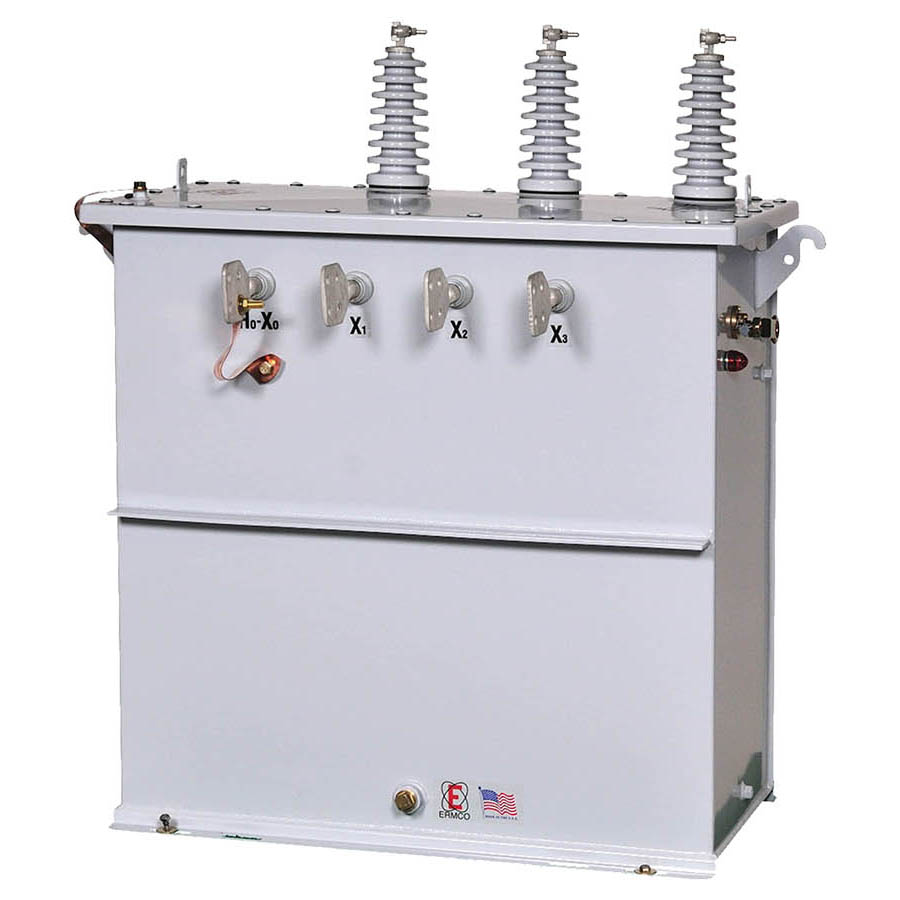
Maintenance strategy determines long-term reliability and performance stability. Regular inspection identifies early signs of insulation degradation. Oil analysis detects internal contamination and moisture levels. Scheduled maintenance reduces unexpected failure risks. Three phase pole mounted transformer lifespan depends on operating conditions. Load stress affects mechanical and thermal aging rates. Spare part availability influences repair efficiency. A 110 kv oil-immersed power transformer is often deployed in high-capacity transmission systems where long-term durability and insulation performance are critical. Predictive maintenance uses sensor data for early fault detection. Lifecycle cost analysis includes installation, maintenance, and energy loss factors. Proper planning reduces total ownership cost significantly.
| Factor | Low Priority Impact | High Priority Impact |
|---|---|---|
| Load Growth | Minimal system change | Requires capacity upgrade |
| Environment | Stable indoor-like conditions | Harsh outdoor exposure |
| Maintenance Access | Easy servicing | Difficult terrain access |
Selection checklist for three phase pole mounted transformer deployment decisions
The checklist above helps engineers evaluate deployment conditions systematically. Load growth affects future scalability planning. Environmental conditions determine insulation and structural requirements. Maintenance accessibility influences long-term operational efficiency. Engineers prioritize safety and reliability in final decisions. Proper evaluation reduces installation risks. Grid compatibility ensures smooth integration with existing infrastructure. Technical review meetings finalize procurement specifications. Documentation supports regulatory compliance requirements. Structured selection improves performance consistency across distribution networks.
Common mistakes in transformer selection and deployment
Incorrect sizing remains a frequent engineering error. Oversized equipment reduces system efficiency significantly. Undersized units may fail under peak load conditions. Environmental factors are often underestimated during planning stages. Improper grounding increases safety risks in field operations. Three phase pole mounted transformer installation errors can cause long-term system instability. Inadequate protection coordination leads to equipment damage during faults. Maintenance planning is sometimes ignored in early design phases. Poor documentation creates operational confusion later. Engineers must validate all parameters before deployment approval. Systematic evaluation prevents costly failures and service interruptions.
Conclusion for three phase pole mounted transformer applications
Selection decisions must balance technical and economic factors carefully. Load demand, efficiency, and safety all influence final design choice. Environmental conditions affect long-term performance reliability. Proper engineering analysis reduces operational risks significantly. Three phase pole mounted transformer systems support stable distribution networks effectively. Lifecycle planning improves total cost efficiency. Protection systems ensure operational safety under fault conditions. Maintenance strategies extend equipment lifespan. Accurate specification ensures grid stability and performance consistency. Final decisions require multidisciplinary engineering coordination.
FAQ
What factors affect sizing accuracy in distribution networks?
Accurate sizing depends on load forecasting and demand variability. Engineers analyze historical consumption patterns to estimate future requirements. Seasonal fluctuations also influence system planning decisions. Incorrect assumptions can lead to inefficient operation or overload conditions. Distribution networks require safety margins for unexpected demand spikes. Three phase pole mounted transformer sizing also considers feeder capacity and voltage regulation limits. Expansion planning plays a major role in final selection. Utility planners use simulation tools to improve accuracy. Proper sizing ensures system stability and reduces operational stress across components. Long-term reliability depends on precise engineering calculations and realistic load assumptions.
How does installation height impact performance and safety?
Installation height directly influences electrical clearance and mechanical safety. Higher mounting reduces risk of accidental contact with live components. Wind load increases with elevation, affecting structural stability. Engineers evaluate pole strength before installation approval. Proper clearance ensures compliance with safety regulations. Three phase pole mounted transformer positioning must balance accessibility and protection. Maintenance operations become more complex at greater heights. Environmental exposure also increases with elevation levels. Lightning protection systems become more critical in exposed installations. Correct height selection improves both safety and system reliability. Structural reinforcement may be required for high-altitude installations. Engineering design must consider all physical stress factors carefully.
What maintenance schedule is recommended for long-term reliability?
Maintenance schedules depend on load conditions and environmental exposure. Routine inspections are typically performed every six to twelve months. Oil testing identifies internal contamination and insulation degradation. Thermal imaging detects abnormal heat patterns early. Three phase pole mounted transformer systems benefit from predictive maintenance strategies. Sensor-based monitoring improves fault detection accuracy. Cleaning of external components prevents insulation surface deterioration. Electrical testing ensures continued compliance with safety standards. Spare parts planning reduces downtime during repairs. Maintenance frequency increases in harsh environments. Proper scheduling extends equipment lifespan and improves system reliability. Utility operators must follow structured maintenance programs for optimal performance.