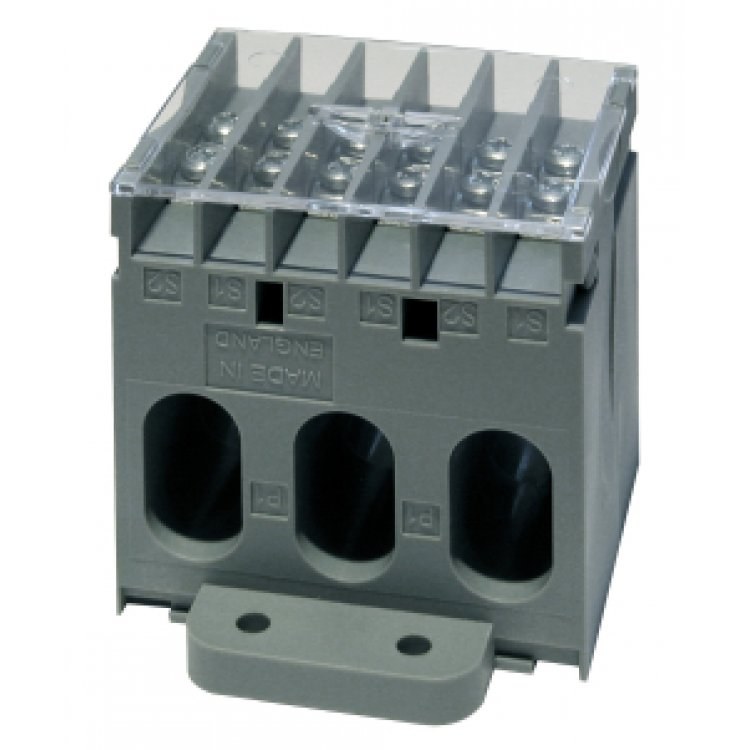
What Specs Confirm For Three Phase Current Transformer?
-
Three phase current transformer covers accuracy, insulation and testing standards for reliable industrial power measurement.
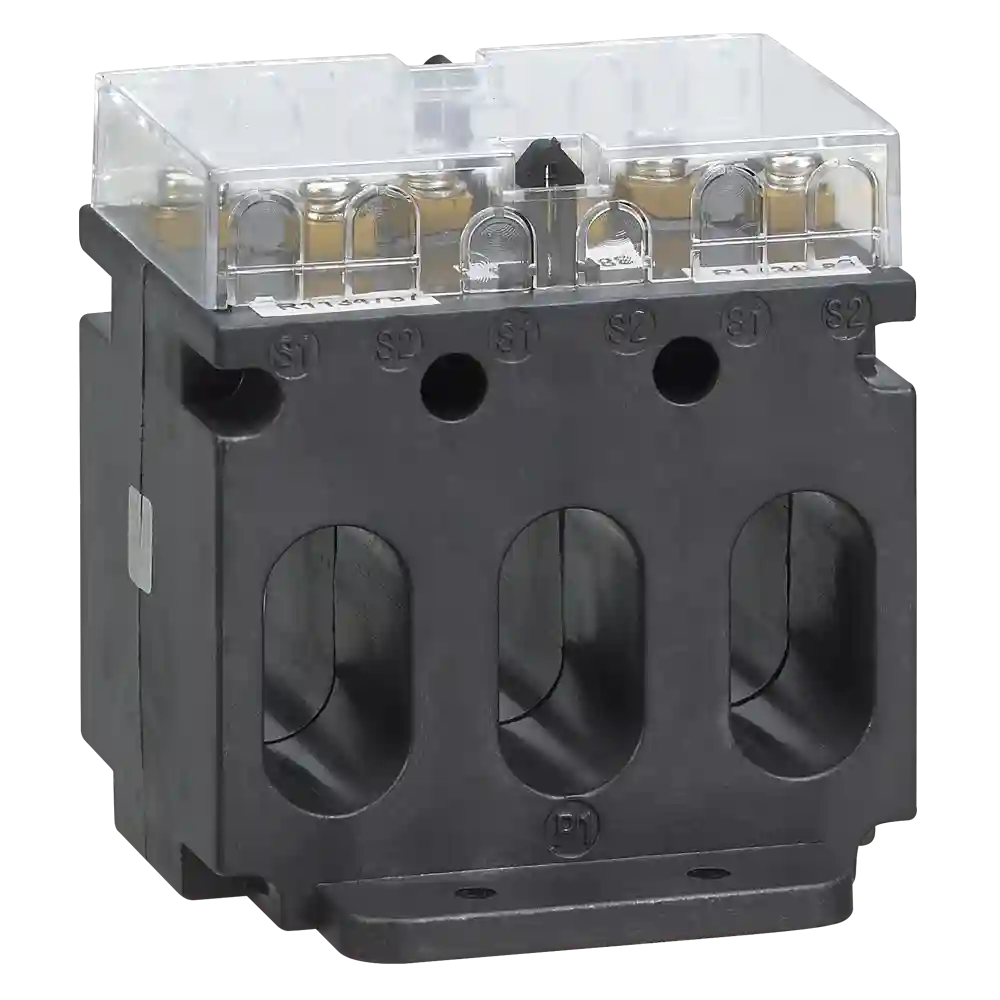
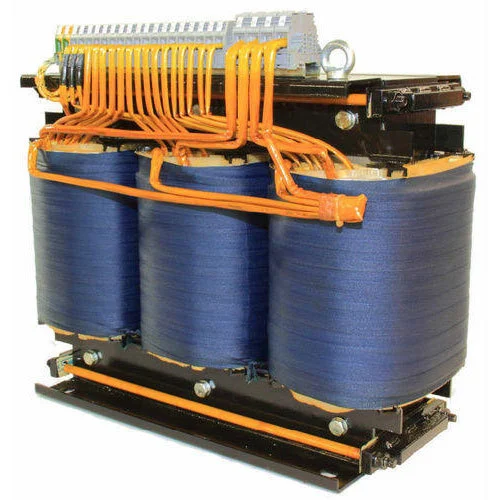
The three phase current transformer plays a central role in industrial power monitoring and protection systems. It converts high primary current into standardized secondary values for measurement devices. Engineers confirm specifications to ensure stable signal accuracy and safe system integration. Load type, voltage level, and fault behavior all influence selection decisions. Industrial substations rely on precise current transformation to maintain grid stability and equipment protection. A correctly specified three phase current transformer reduces measurement drift and improves long-term operational reliability under dynamic electrical conditions.
Core electrical parameters for three phase current transformer performance
A three phase current transformer is defined by key electrical parameters that determine accuracy and durability. Rated current ratio, burden capacity, and frequency response are essential evaluation points.
Short-time thermal current rating ensures survival under fault conditions. Engineers also assess knee-point voltage for protection-grade applications. Large industrial systems such as a 66 kv oil-immersed power transformer depend on stable current feedback to coordinate protection relays. Proper parameter alignment prevents saturation and ensures consistent signal output during load fluctuations and transient disturbances.
Accuracy classes and IEC and IEEE compliance standards
Accuracy classes define how precisely a three phase current transformer reproduces primary current values. Common metering classes include 0.2, 0.5, and 1.0, while protection classes include 5P and 10P. Lower class numbers indicate higher precision. International standards such as IEC 61869 and IEEE C57 define allowable ratio error, phase displacement, and performance limits. Compliance ensures interoperability across global grid systems. Engineers must match accuracy requirements with application goals such as billing, monitoring, or fault detection to maintain system integrity and operational consistency.
Insulation, thermal, and environmental performance requirements
Insulation design ensures safe operation under high voltage stress conditions. A three phase current transformer may use epoxy resin or oil-immersed insulation depending on application severity. Thermal endurance defines maximum operating temperature under continuous load. Proper insulation coordination prevents partial discharge and dielectric breakdown. Medium voltage systems like a 35 kv oil-immersed transformer require stable insulation performance to withstand environmental stress and switching surges.
Humidity, pollution, and altitude also influence insulation aging. Correct thermal design extends service life and improves reliability in harsh industrial environments.
Mechanical structure and installation constraints in industrial systems
Mechanical design determines how effectively a three phase current transformer integrates into switchgear or substation assemblies. Core geometry, mounting orientation, and terminal arrangement affect installation efficiency. Mechanical strength must withstand electromagnetic forces during fault conditions. Vibration resistance ensures stability in industrial environments with heavy machinery. Clearance distance and creepage design maintain electrical safety under high voltage stress. Proper mechanical alignment reduces installation errors and supports long-term structural reliability in compact electrical cabinets and outdoor distribution systems.
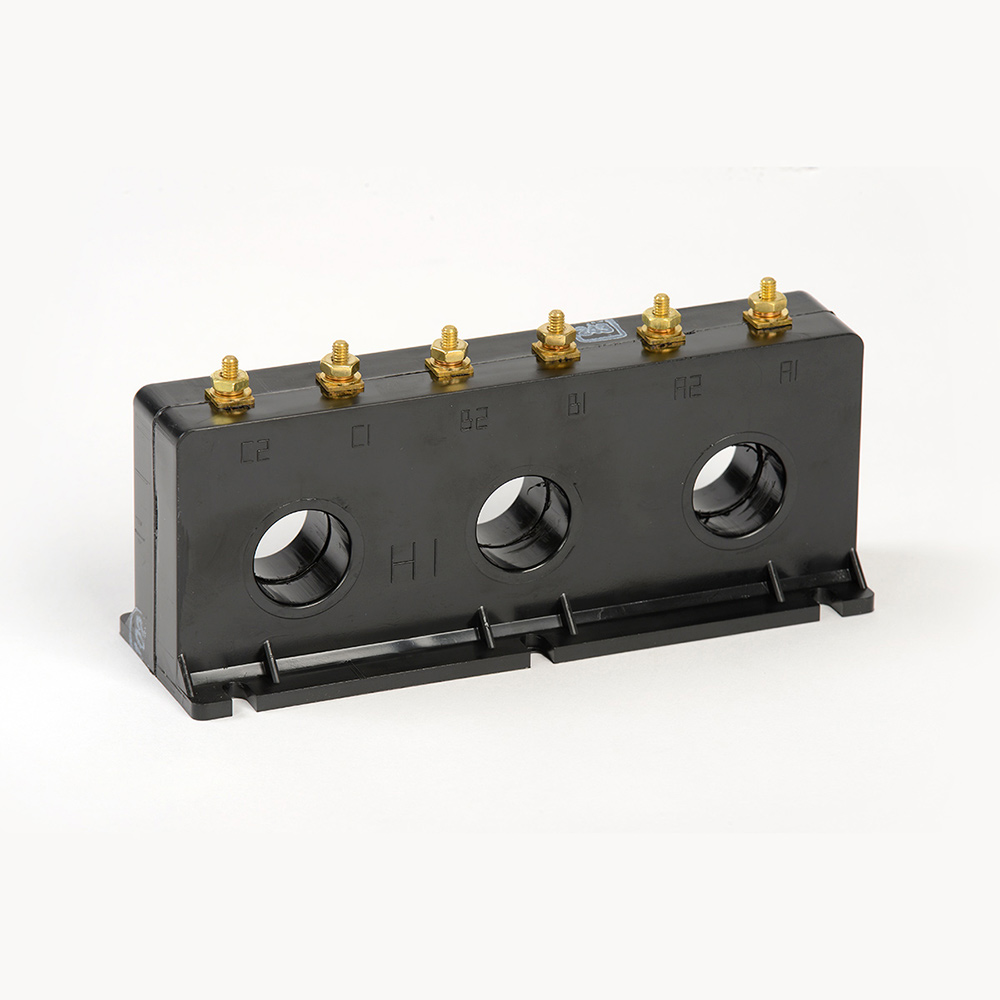
Testing and quality validation methods for three phase current transformer
Factory testing confirms that a three phase current transformer meets design and safety requirements before deployment. Routine tests include ratio accuracy, polarity verification, and insulation resistance measurement. Type tests simulate extreme fault and thermal conditions. Partial discharge testing identifies internal insulation weaknesses. Burden testing confirms stable output under load variation. Quality validation ensures consistent performance across production batches.
| Test Method | Purpose | Key Evaluation Point |
|---|---|---|
| Ratio Test | Confirms transformation accuracy | Current deviation limits |
| Insulation Test | Verifies dielectric strength | Breakdown threshold |
| Thermal Test | Checks heat endurance | Temperature rise stability |
These tests ensure the three phase current transformer performs reliably under real grid conditions. Consistent validation reduces failure risk and improves operational safety across industrial power networks.
Selection checklist for three phase current transformer in industrial applications
Selecting a three phase current transformer requires balancing electrical, mechanical, and environmental factors. Engineers evaluate system voltage level, burden capacity, and accuracy class before final selection. Installation space and mounting compatibility also influence design decisions. Environmental conditions such as temperature variation and humidity exposure must be considered. A structured selection approach improves system reliability and reduces maintenance risks. Key evaluation points include:
- Rated current compatibility with system load
- Accuracy class matching application purpose
- Short-circuit thermal withstand capacity
- Insulation level suitability
- Mechanical fit within switchgear panels
| Selection Factor | Requirement | Impact |
|---|---|---|
| Burden Capacity | Match secondary load | Signal stability |
| Insulation Level | Voltage coordination | Safety assurance |
| Thermal Rating | Continuous operation | Equipment lifespan |
Proper evaluation ensures the three phase current transformer maintains stable measurement accuracy and long-term durability. After installation considerations, engineers verify field conditions and confirm relay coordination settings to ensure system-wide protection integrity.
Application integration in modern power distribution systems
Modern power networks integrate a three phase current transformer into digital monitoring and smart grid systems. Data from secondary windings feeds protection relays, energy meters, and SCADA platforms. This integration improves fault detection speed and load management efficiency. Digital substations rely on accurate current sensing for automated switching and predictive maintenance. Signal stability becomes critical when multiple devices share measurement inputs. Proper integration reduces communication errors and enhances real-time decision-making in complex industrial environments where continuous power reliability is essential.
Lifecycle management and predictive maintenance strategies
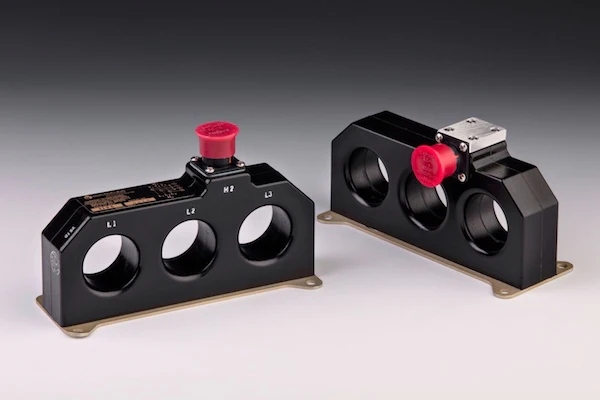
Long-term performance of a three phase current transformer depends on structured lifecycle management. Engineers monitor insulation aging, thermal cycling effects, and mechanical stress accumulation. Periodic testing ensures stable ratio accuracy over time. Digital diagnostic tools track partial discharge trends and temperature variations. Predictive maintenance reduces unexpected failures and extends operational lifespan. Condition-based monitoring helps schedule maintenance before degradation impacts system performance. This approach improves reliability and reduces downtime costs in large-scale industrial power distribution networks.
Frequently Asked Questions
What accuracy class is required for three phase current transformer?
Accuracy class selection depends on application purpose and system requirements. Metering applications require high precision classes such as 0.2 or 0.5 to ensure billing accuracy. Protection systems may use 5P or 10P classes depending on fault detection sensitivity. Lower class numbers indicate higher measurement precision and tighter error limits. Engineers must evaluate load conditions, harmonic distortion, and relay coordination needs before selecting the appropriate class. Correct classification ensures stable energy measurement and reliable protection response under varying operational conditions.
How do insulation levels affect three phase current transformer safety?
Insulation levels directly determine operational safety and equipment lifespan. A three phase current transformer with high-quality insulation prevents dielectric breakdown under voltage stress. Oil or resin systems provide different thermal and electrical characteristics. Proper insulation coordination reduces partial discharge risk and ensures signal stability. Environmental conditions such as humidity, pollution, and temperature fluctuations can accelerate insulation aging.
Regular testing helps detect early degradation. Strong insulation design ensures continuous operation in high-voltage industrial environments without unexpected failure or safety hazards.
What testing standards validate three phase current transformer quality?
Quality validation follows international standards such as IEC 61869 and IEEE C57 series. These standards define test procedures for ratio accuracy, thermal stability, and insulation strength. Factory routine tests confirm compliance before shipment. Type tests simulate extreme fault conditions and thermal overload scenarios. Partial discharge testing identifies hidden insulation defects. Burden and polarity tests ensure correct electrical behavior. Adherence to these standards guarantees reliable operation in industrial power systems and ensures compatibility with global electrical infrastructure requirements.