
How To Choose Three Phase Auto Transformer?
-
Three phase auto transformer selection guide for industrial power systems, covering efficiency, design, and cost factors.
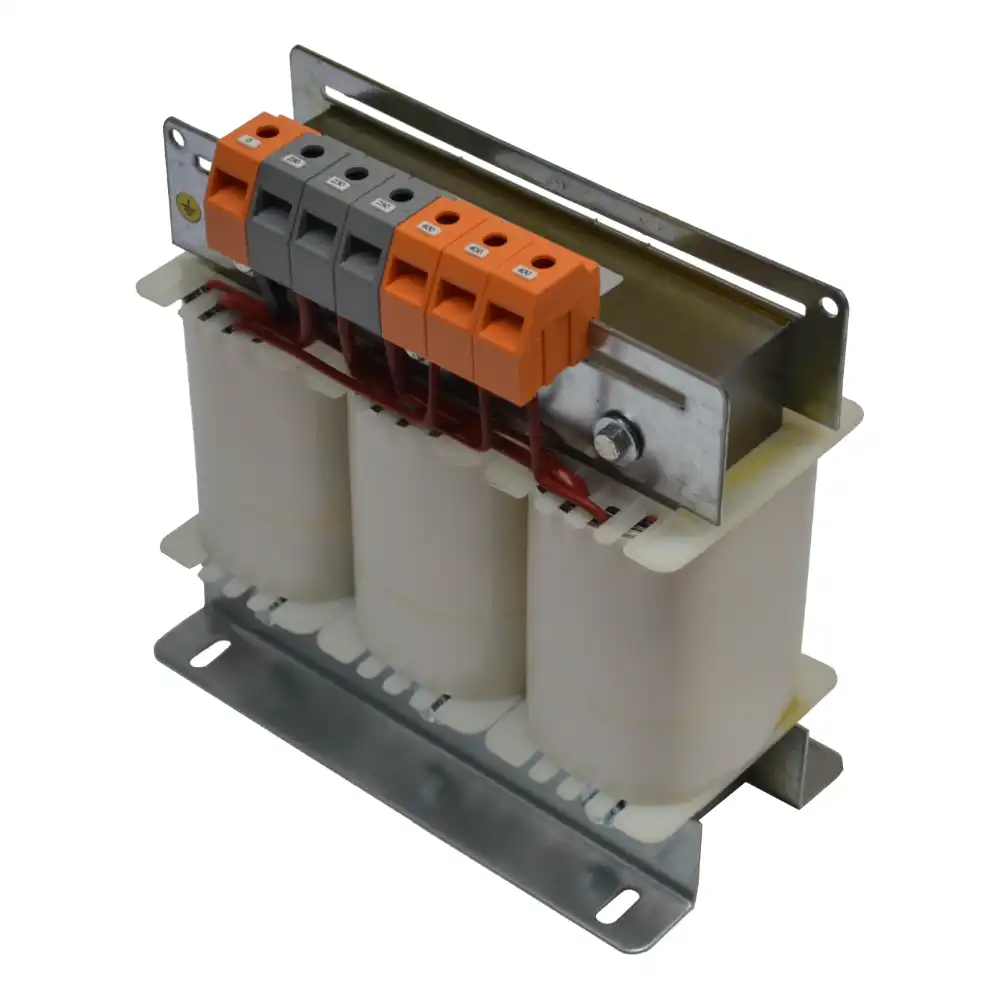
Industrial engineers rely on the three phase auto transformer for efficient voltage regulation in heavy electrical systems. This equipment supports stable power distribution across manufacturing plants and utility networks. Engineers often prioritize efficiency, load compatibility, and durability during selection. A correct choice improves operational safety and reduces long-term energy loss. Many industrial users also compare system compatibility before finalizing procurement decisions. In high voltage environments, reliability becomes a critical factor for continuous operation. A three phase auto transformer supports compact design advantages over conventional units. It also reduces copper usage while maintaining strong electrical performance. Proper evaluation helps avoid system overload and improves equipment lifespan in demanding environments.
Electrical Load Assessment in Industrial Power Systems
Load analysis defines how the three phase auto transformer performs under real operating conditions. Engineers calculate total connected load before selecting transformer capacity. They also evaluate peak demand to avoid overheating risks. Accurate load profiling helps maintain system stability during fluctuations. Industrial facilities often operate multiple machines simultaneously. Each machine contributes different load characteristics to the system. Proper evaluation prevents under-sizing and improves operational safety. Engineers also consider future expansion during load estimation. This approach ensures long-term scalability of electrical infrastructure. Load imbalance across phases requires careful correction during planning. Balanced distribution improves efficiency and reduces energy loss across circuits.
Voltage Regulation and Stability Performance Factors
Voltage regulation directly impacts the performance of the three phase auto transformer in industrial systems. Stable output voltage ensures consistent machine operation and reduces equipment stress. Engineers monitor input fluctuations to maintain system balance. Sensitive equipment requires strict voltage control for safe operation. Electrical disturbances can affect production efficiency and product quality. Proper regulation minimizes downtime caused by power instability. Industrial environments often face varying load conditions throughout operation cycles. Voltage correction systems support smooth transitions between load changes. Advanced monitoring tools help detect irregular voltage behavior early. This improves response time and reduces risk of failure in critical applications.
Core Material and Magnetic Efficiency Selection
Core material selection strongly influences efficiency and energy loss control in transformer design. Silicon steel remains a common choice due to low hysteresis loss. Engineers analyze magnetic permeability to optimize performance. A high-quality core improves flux stability under load variations. Poor material selection increases heat generation and energy waste. Industrial buyers evaluate core grade before final procurement decisions. Laminated structures reduce eddy current losses significantly. Proper insulation between layers improves magnetic efficiency.
Manufacturers test core performance under simulated operating conditions. These tests ensure stable performance in demanding industrial environments. A well-designed core enhances overall electrical efficiency and system reliability.
Cooling Design and Thermal Management Strategy
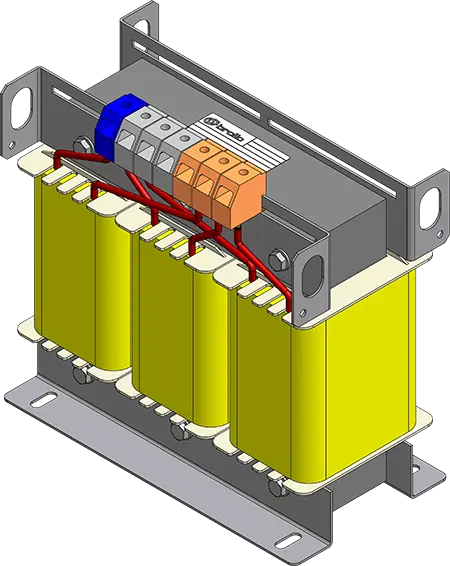
Thermal management plays a vital role in transformer performance under continuous operation. Effective cooling prevents insulation breakdown and extends equipment lifespan. Engineers select cooling systems based on load intensity and environment. Oil-based cooling systems offer strong heat dissipation capacity. Air cooling systems work well in low to medium load applications. Temperature monitoring ensures safe operating limits are maintained. Excess heat can reduce efficiency and damage internal components. Proper airflow design improves heat transfer efficiency. Cooling fins increase surface area for better thermal control. Maintenance teams regularly inspect cooling systems for performance stability.
| Parameter | High Efficiency Design | Standard Design |
|---|---|---|
| Energy Loss | Low core loss materials | Conventional silicon steel |
| Cooling System | Advanced oil circulation | Basic air cooling |
| Load Capacity | High industrial load support | Moderate load handling |
The table above explains performance differences between design categories. High efficiency systems reduce operational cost through improved material selection. Standard systems remain suitable for basic industrial applications. Engineers evaluate these parameters during procurement planning stages.
Cost Evaluation and Specification Balance Strategy
Cost planning remains essential when selecting the three phase auto transformer for industrial projects. Buyers must balance performance requirements with budget limitations. Higher efficiency models often increase initial investment costs. However, they reduce long-term operational expenses significantly. Engineers evaluate total cost of ownership before final decisions. Material quality directly influences pricing structures in the market. Advanced insulation systems also increase manufacturing costs. Procurement teams compare multiple supplier quotations for optimization. Life cycle cost analysis supports better financial planning. Efficient design reduces maintenance frequency and replacement needs.
Safety Standards and Industrial Compliance Requirements
Industrial electrical systems operate under strict international standards. Engineers commonly apply IEC 60076 and the IEEE C57 series when designing and evaluating transformer performance. Dielectric test methods and insulation coordination are defined in IEC 60076-3, ensuring safe voltage handling under stress conditions. Protection ratings for enclosures are regulated by IEC 60529 through standardized IP classifications. Performance accuracy and relay behavior are governed by IEC 60255 for system protection reliability. Grounding safety design for substations follows IEEE 80 guidelines to minimize fault risks. Verification of insulation levels helps prevent high-voltage breakdown during abnormal operating conditions. Thermal and electrical behavior is validated through structured testing procedures under extreme load scenarios. Global acceptance of equipment is strengthened through certification aligned with IEC and IEEE frameworks. Operational risks are significantly reduced while reliability is improved across complex industrial environments.
110 kv oil-immersed power transformer systems often require advanced protection coordination due to high energy transmission levels. These systems operate in large-scale utility networks and demand strict engineering precision.
Efficiency Comparison Between Transformer Types
Engineers often compare different transformer designs to evaluate energy efficiency. A three phase auto transformer generally provides higher efficiency than isolation models. Reduced copper usage contributes to lower losses during operation. Compact design improves material utilization and reduces cost. Energy savings increase significantly under continuous industrial load. Heat generation remains lower under optimized load conditions. Performance testing helps validate efficiency claims. Industrial users prioritize systems with stable output characteristics. Long-term efficiency directly impacts operational profitability. Selection decisions depend on application intensity and energy requirements.
Installation Environment and Structural Constraints
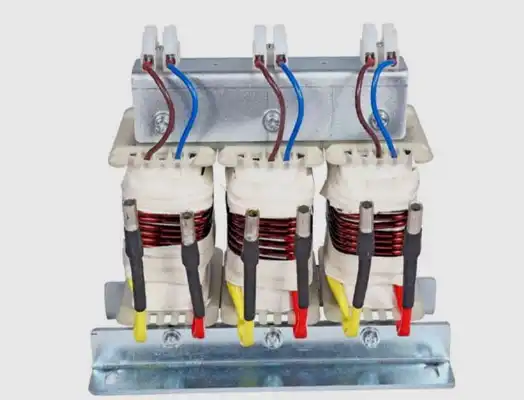
Installation environment strongly influences transformer performance and safety. Engineers evaluate space availability before system placement. Humidity levels affect insulation durability and reliability. High altitude conditions may require special design adjustments. Vibration control ensures mechanical stability during operation. Proper ventilation improves thermal performance significantly. Structural support systems prevent mechanical stress damage. Environmental assessment reduces installation risks. Electrical clearance distances ensure operational safety. Site preparation plays a key role in long-term reliability.
10 kv oil-immersed transformer applications often appear in medium voltage distribution networks, where compact design and stable insulation performance are essential for safe operation.
Maintenance Strategy and Lifecycle Optimization
Maintenance planning ensures long-term reliability of electrical systems. Engineers schedule regular inspection cycles for all major components. Oil testing helps detect early signs of insulation degradation. Thermal imaging identifies abnormal heat zones during operation. Cleaning procedures improve cooling efficiency and airflow. Replacement schedules depend on operational load intensity. Predictive maintenance reduces unexpected system failures. Condition monitoring systems enhance diagnostic accuracy. Maintenance teams follow structured inspection protocols. Proper documentation supports long-term asset management strategies.
Industrial Application Scenarios and Use Cases
Industrial sectors widely apply transformer systems in manufacturing and energy distribution. Production plants require stable voltage for automated machinery. Mining operations depend on high capacity electrical systems. Utility networks use transformers for grid balancing functions. Data centers require precise voltage regulation for equipment safety. Construction sites use temporary power distribution systems. Transportation systems depend on stable electrical infrastructure. Heavy industries require continuous power supply reliability. Application diversity influences design selection criteria. Engineers adapt configurations based on operational demands.
Procurement Framework for B2B Decision Making
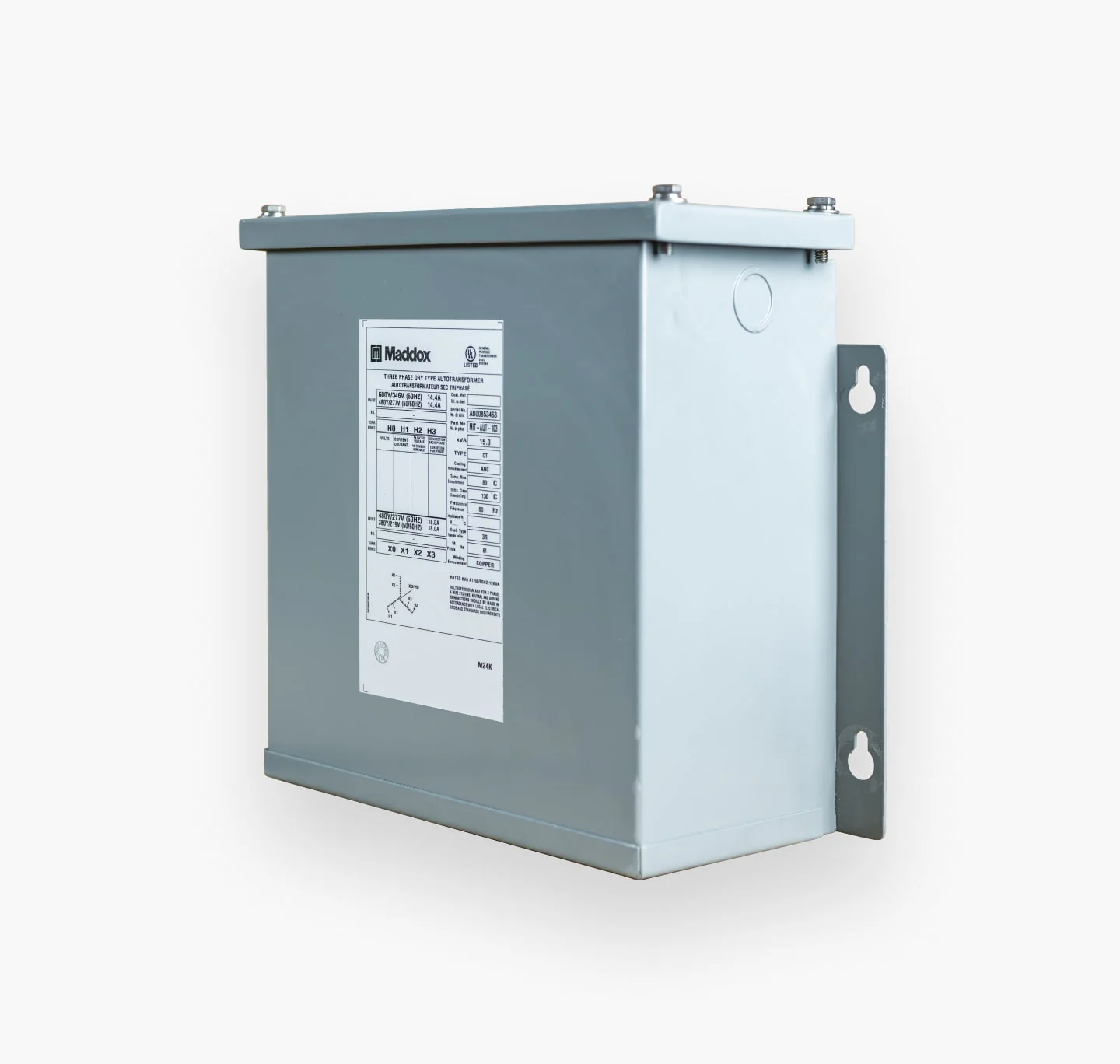
B2B procurement decisions require structured evaluation methods. Buyers assess supplier reputation and technical capability. Product certification ensures compliance with industry standards. Warranty terms influence long-term purchasing decisions. Delivery timelines affect project scheduling efficiency. Technical support services enhance operational reliability. Price negotiation depends on order volume and specifications. Supplier audits validate production quality consistency. Risk assessment supports secure procurement planning. Final selection balances performance, cost, and reliability.
List of Key Selection Factors
- Load capacity and demand stability
- Cooling system efficiency and design
- Core material and energy loss control
- Safety compliance and certification
- Installation environment suitability
- Maintenance accessibility and cost