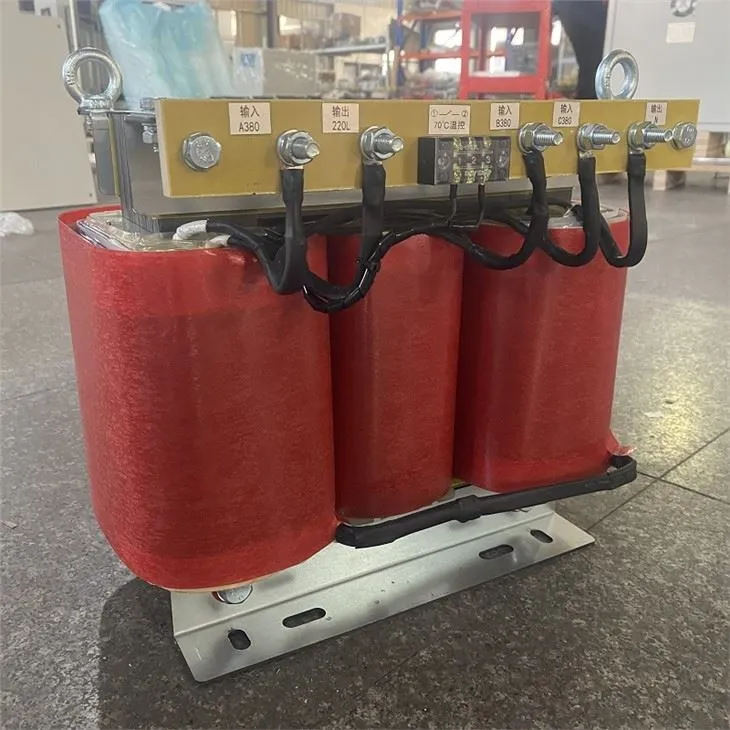
How To Choose Three Phase To One Phase Transformer?
-
Choose the right three phase to one phase transformer with proper capacity, voltage, and efficiency for stable industrial performance.
Key Factors When Selecting Three Phase To One Phase Transformer
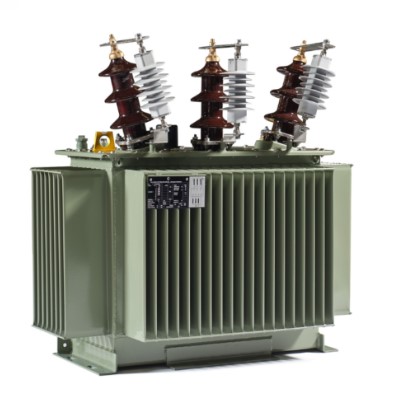
Selecting a three phase to one phase transformer requires careful evaluation of technical parameters and operational demands. Industrial users depend on stable voltage output and consistent load handling. Equipment performance directly depends on transformer matching accuracy. Incorrect selection often leads to overheating, voltage instability, and energy loss. Engineers must assess load characteristics, including resistive and inductive components. System compatibility also plays a critical role in ensuring reliable operation. Proper transformer selection reduces downtime and extends equipment lifespan. Additionally, efficiency ratings influence long term operating costs. Buyers should prioritize verified manufacturers and certified designs. Careful planning ensures optimal integration within existing electrical systems.
Working Principles And Phase Conversion Methods
Phase conversion relies on electromagnetic induction and specialized winding configurations. Transformers convert three phase input into a single phase output through balanced coil arrangements. Magnetic flux interactions create voltage differences across windings. Designers often use Scott-T or similar configurations for accurate phase conversion. Voltage stability depends on proper coil design and load distribution. Capacitors or electronic controls may assist voltage balancing in advanced systems. Engineers must ensure harmonic distortion remains within acceptable limits. Poor phase conversion design causes uneven voltage output and reduced efficiency. High quality insulation materials protect internal components from electrical stress. Accurate engineering improves conversion reliability across varying industrial loads.
Load Requirements And Capacity Calculation For Three Phase To One Phase Transformer
Accurate load calculation ensures proper transformer sizing and prevents operational failures in complex electrical systems. Engineers begin by identifying all connected equipment and their rated power values in kilowatts. Total connected load is calculated by summing each device power rating within the system. However, actual required capacity depends on load type, duty cycle, and diversity factor. Starting current must also be considered, especially for motors, compressors, and inductive loads. These devices can draw several times their rated current during startup conditions. Power factor significantly affects transformer capacity because lower values increase current demand. Engineers convert kilowatts into kilovolt-amperes using a standard calculation method.
| Parameter | Formula | Description |
|---|---|---|
| Total Load (kW) | Sum of all equipment power | Total connected power demand |
| Apparent Power (kVA) | kW ÷ Power Factor | Actual transformer capacity requirement |
| Safety Margin | kVA × 1.2 to 1.3 | Accounts for future expansion and fluctuations |
| Starting Load Impact | Peak Load × Starting Factor | Accounts for motor inrush current |
After calculating apparent power, engineers apply a safety margin to ensure stable long term operation. A margin of 20 to 30 percent is commonly used in industrial applications. Systems with high inrush current may require additional capacity adjustments. Load diversity also reduces simultaneous power demand across multiple devices. For example, systems using a 110 kv oil-immersed power transformer require precise load balancing and accurate capacity planning. Proper calculation ensures efficient energy conversion, prevents overheating, and supports reliable performance under varying load conditions.
Voltage Compatibility And Input Output Specifications
Voltage compatibility determines whether a transformer can operate safely within a system. Primary voltage must match the three phase supply accurately. Secondary voltage should align with the single phase load requirements. Incorrect voltage matching causes equipment malfunction and potential damage. Engineers must also consider voltage regulation characteristics. Fluctuations in input voltage affect output stability significantly. Tap changers help adjust voltage levels under varying conditions. Insulation class must meet system voltage demands for safe operation. Surge protection devices reduce risks from transient voltage spikes. Proper specification ensures consistent performance and minimizes operational risks.

Core Design, Winding Materials, And Efficiency Impact
Transformer core design directly affects energy efficiency and magnetic performance. Silicon steel cores reduce hysteresis losses and improve flux control. Advanced amorphous cores further minimize energy losses in modern systems. Winding materials also influence conductivity and heat generation. Copper windings offer higher efficiency and better durability than aluminum. However, aluminum provides cost advantages in certain applications. Proper insulation between windings prevents electrical breakdown and ensures safety. Core assembly techniques impact vibration and noise levels during operation. Engineers must balance cost, efficiency, and durability when selecting materials. High quality construction ensures long service life and stable performance.
Cooling Methods And Thermal Management Systems
Effective cooling systems maintain safe operating temperatures in transformers. Heat generation occurs due to electrical losses during operation. Air-cooled transformers use natural or forced ventilation for heat dissipation. Oil-cooled designs provide superior thermal management in high-capacity systems. Oil also acts as an insulating medium within the transformer. Systems using a 35 kv oil-immersed transformer benefit from improved heat transfer and overload capacity. Temperature monitoring devices help detect abnormal conditions early. Poor cooling leads to insulation degradation and reduced lifespan. Engineers must select cooling methods based on load and environmental conditions. Proper thermal management ensures reliable long term operation.
Installation Environment And Safety Compliance Standards
Installation conditions significantly influence transformer performance and safety. Indoor installations require proper ventilation and clearance for maintenance. Outdoor setups must withstand environmental factors such as humidity and dust. Compliance with IEC and ANSI standards ensures safety and reliability. Grounding systems protect equipment from electrical faults and surges. Protective devices like circuit breakers enhance operational safety. Engineers must verify insulation levels before commissioning. Accessibility for maintenance also plays a critical role in system design. Incorrect installation increases risk of failure and operational hazards. Proper planning ensures compliance and long term system stability.
Cost Analysis And Long Term Operational Value
Initial purchase cost represents only part of total transformer investment. Operating efficiency affects long term energy expenses significantly. High efficiency transformers reduce power losses and operational costs. Maintenance requirements also influence overall ownership cost. Reliable designs minimize downtime and repair expenses. Industrial users should evaluate total lifecycle value instead of upfront price. Energy savings often justify higher initial investment over time. Warranty terms and manufacturer support add additional value. Buyers must compare multiple suppliers before making decisions. Balanced cost analysis ensures optimal financial and technical outcomes.
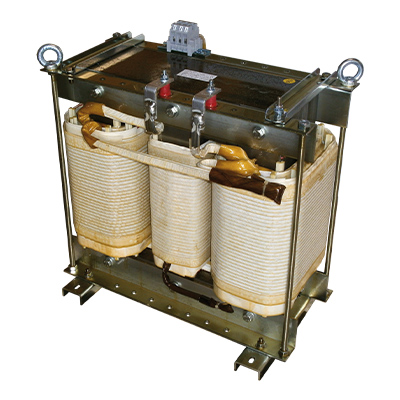
Comparison Table Of Transformer Specifications
| Parameter | Air-Cooled Transformer | Oil-Cooled Transformer |
|---|---|---|
| Cooling Efficiency | Moderate | High |
| Maintenance | Low | Moderate |
| Initial Cost | Lower | Higher |
| Application | Light Industrial | Heavy Industrial |
| Lifespan | Shorter | Longer |
Technical Comparison Of Core And Winding Materials
| Material Type | Efficiency | Cost | Durability |
|---|---|---|---|
| Silicon Steel Core | High | Moderate | High |
| Amorphous Core | Very High | High | High |
| Copper Winding | Very High | High | Very High |
| Aluminum Winding | Moderate | Low | Moderate |
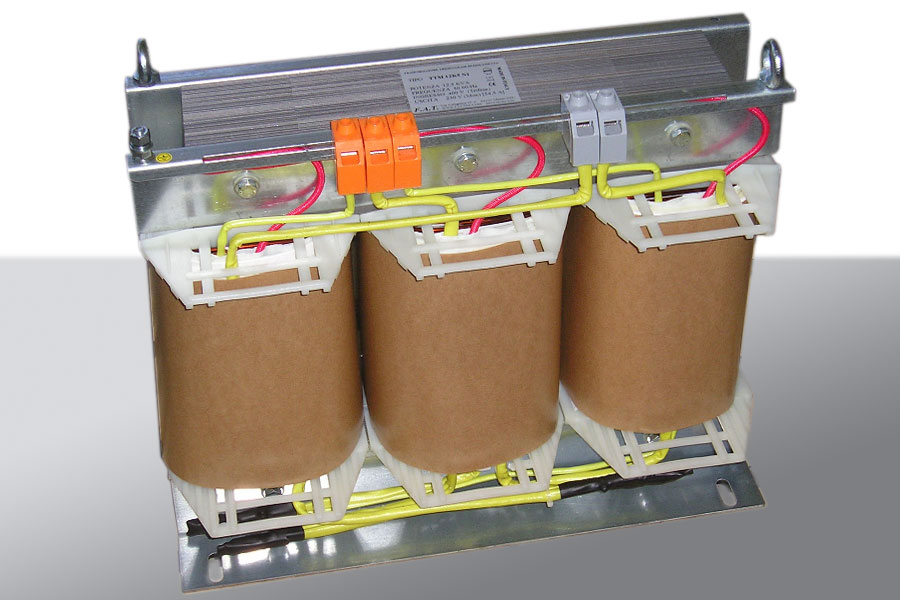
Key Selection Checklist For Industrial Buyers
Selecting the right transformer requires a structured evaluation process. Consider the following checklist before making a decision:
- Verify total load and peak demand requirements
- Confirm input and output voltage compatibility
- Evaluate cooling method based on environment
- Compare efficiency ratings and energy losses
- Check compliance with IEC and ANSI standards
- Assess manufacturer reputation and certifications
- Review maintenance requirements and accessibility
- Analyze total lifecycle cost instead of initial price
This checklist helps industrial buyers avoid common mistakes and ensures reliable system integration. Proper evaluation reduces operational risks and improves efficiency. Decision makers should always combine technical analysis with practical application needs.
Performance Optimization And Maintenance Strategies
Regular maintenance ensures consistent transformer performance over time. Inspection schedules should include checking insulation condition and oil quality. Load balancing improves efficiency and prevents overheating issues. Cleaning external components enhances cooling efficiency in air-cooled systems. Monitoring devices provide real time data on temperature and voltage levels. Predictive maintenance reduces unexpected failures and downtime. Engineers should also verify electrical connections periodically. Proper documentation helps track performance trends and identify issues early. Maintenance planning extends transformer lifespan significantly. Consistent optimization ensures stable operation under varying industrial conditions.
Conclusion: Making The Right Transformer Investment
Choosing a three phase to one phase transformer involves multiple technical and financial considerations. Accurate load calculation ensures proper capacity selection. Voltage compatibility guarantees safe and efficient operation. Material quality and cooling systems affect long term reliability. Compliance with industry standards ensures operational safety. Buyers must evaluate lifecycle cost rather than focusing only on price. Structured decision making improves system performance and reduces risks. Proper transformer selection supports stable industrial operations and long term productivity.
FAQ
What Is A Three Phase To One Phase Transformer Used For?
A three phase to one phase transformer converts three phase electrical power into single phase output. Industrial facilities often require single phase power for specific equipment. This transformer enables compatibility between different power systems. Manufacturing plants, commercial buildings, and rural installations frequently use such devices. They support machinery that cannot operate on three phase supply directly. Proper conversion ensures stable voltage and consistent performance. Engineers select these transformers to optimize energy distribution. Reliable conversion reduces equipment stress and improves operational efficiency across various applications.