
How To Choose Single Phase To Three Phase Transformer?
-
what are dry type transformers and where are they suitable? Review applications, limits, checklist points, and comparison insights.
Market Demand And Core Role Of Phase Conversion
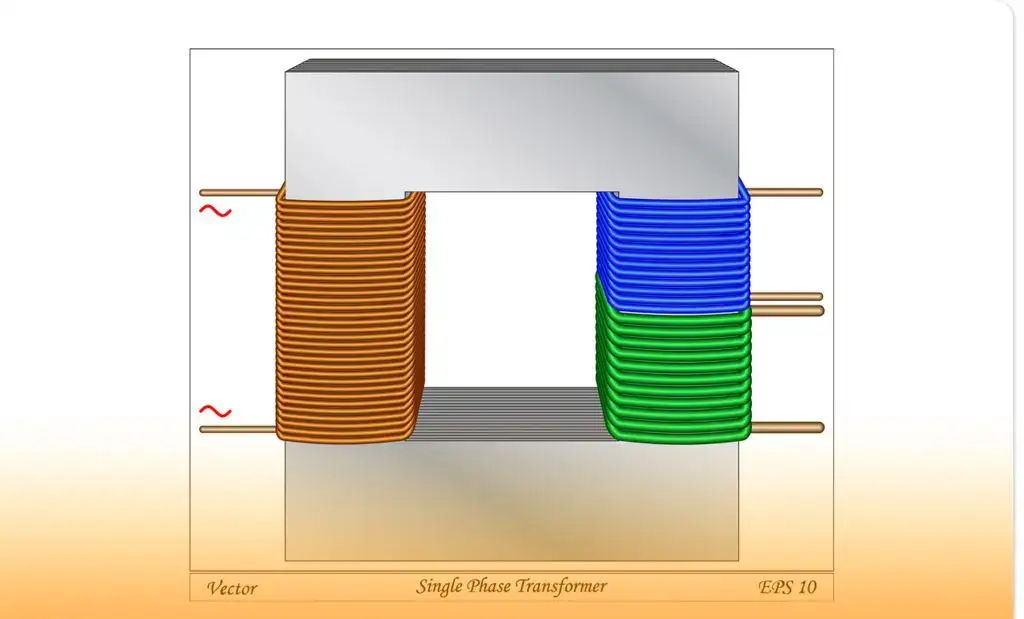
Modern industries require stable three-phase power for heavy equipment. Many facilities still operate on single-phase supply. This gap creates strong demand for single phase to three phase transformer solutions. Manufacturers, workshops, and farms depend on reliable conversion systems. These systems ensure motors run efficiently and safely. Poor selection leads to overheating, energy loss, and downtime. Smart buyers evaluate technical parameters before purchasing. Voltage balance and load stability remain critical concerns. Engineers also consider expansion needs during early planning stages. Proper transformer selection improves productivity and reduces operational risks. Industrial users benefit from stable torque output and consistent power delivery. Therefore, selecting the right conversion system becomes a strategic business decision.
Key Differences Between Single Phase And Three Phase Power Systems
Phase conversion transformers rely on electromagnetic induction principles. Specifically, windings inside the transformer create phase shifts in voltage, while carefully designed coils generate additional phases from a single-phase input. Additionally, capacitors or electronic controls help balance output voltages, ensuring each phase maintains consistent amplitude and frequency. Meanwhile, load balancing remains essential for maintaining overall efficiency.
Furthermore, advanced designs incorporate digital controllers to improve accuracy, allowing dynamic voltage adjustment under varying loads. At the same time, industrial-grade transformers include cooling systems to support thermal stability. Moreover, engineers optimize winding configurations to reduce harmonics, while proper insulation materials ensure durability and safety. Consequently, this level of engineering precision enables stable operation in demanding industrial environments.
Core Working Principle Of Phase Conversion Transformers
Phase conversion transformers rely on electromagnetic induction principles. Specifically, windings inside the transformer create phase shifts in voltage, while carefully designed coils generate additional phases from a single-phase input. In addition, capacitors or electronic controls assist in balancing output voltages, ensuring each phase maintains consistent amplitude and frequency. Meanwhile, load balancing plays a critical role in overall efficiency.
Furthermore, advanced designs incorporate digital controllers for improved accuracy, which dynamically adjust voltage under varying loads. At the same time, industrial-grade transformers include cooling systems to maintain thermal stability. Moreover, engineers optimize winding configurations to minimize harmonics, while proper insulation materials ensure long-term durability and safety. As a result, this engineering precision enables stable operation under demanding industrial conditions.
Critical Specifications When Selecting Transformer Capacity
Selecting the correct capacity requires accurate load analysis. Engineers calculate total connected load in kilowatts or horsepower. Starting current requirements must also be considered carefully. Voltage compatibility between input and output remains essential. Frequency differences can affect equipment performance significantly. Duty cycle defines how long the transformer operates continuously. Environmental conditions also influence selection decisions. High temperatures require enhanced cooling solutions. Dusty or humid environments demand protective enclosures. Industrial buyers often compare options like 110 kv oil-immersed power transformer for large-scale systems. Smaller facilities may require compact conversion units. Oversizing increases cost without efficiency benefits. Undersizing leads to overheating and system failure. Accurate specification ensures long-term reliability and cost efficiency.
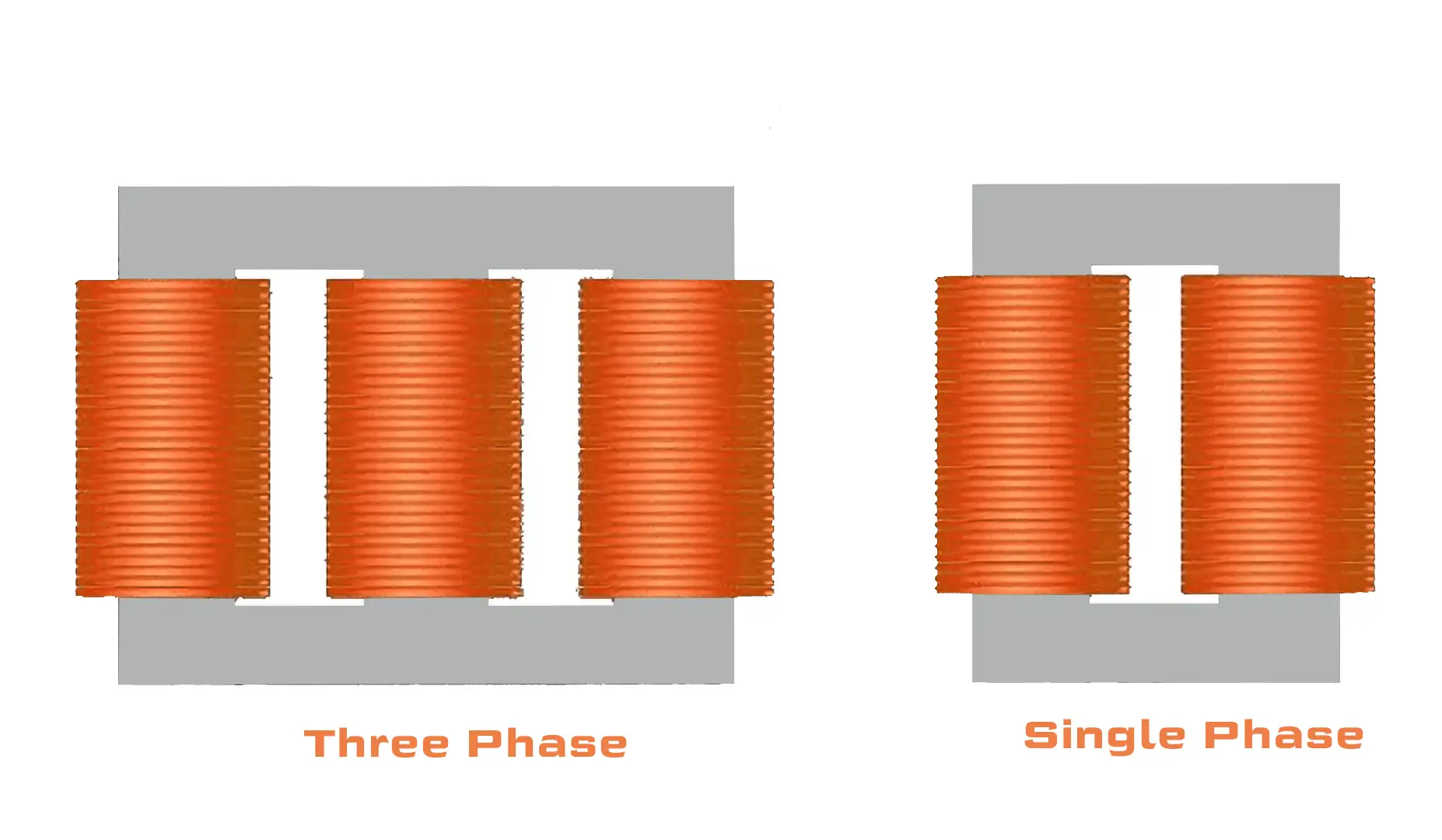
Types Of Single Phase To Three Phase Transformer Solutions
Several technologies support phase conversion in industrial environments. Common options include rotary converters, static converters, and digital converters. Each type offers unique advantages depending on application needs. Rotary converters provide stable output for heavy machinery. Static converters offer lower cost but limited performance. Digital converters deliver high precision and energy efficiency. Choosing the right single phase to three phase transformer depends on load type and budget. Industrial automation systems often require digital solutions. Agricultural operations may prefer simpler rotary systems. Maintenance requirements differ across each technology. Reliability and lifespan vary based on design complexity. Buyers must evaluate operational demands before making decisions.
Comparison Table Of Transformer Types And Performance
| Type | Efficiency | Cost | Maintenance | Best Application |
|---|---|---|---|---|
| Rotary Converter | High | Medium | Moderate | Heavy machinery |
| Static Converter | Low | Low | Low | Light equipment |
| Digital Converter | Very High | High | Low | Precision systems |
| Standard | Scope | Insulation Requirements | Safety Provisions |
|---|---|---|---|
| IEC 60076 | Power transformers general standard | Defines insulation levels, dielectric tests, and impulse withstand voltage | Specifies temperature limits, short-circuit strength, and protection measures |
| IEC 60296 | Insulating oils for transformers | Sets purity, dielectric strength, and moisture limits for oil insulation | Ensures safe operation through oil quality and thermal stability |
| ANSI C57.12.00 | General requirements for liquid-filled transformers | Specifies insulation classes and thermal performance ratings | Defines enclosure safety, pressure relief, and fault tolerance |
| ANSI C57.91 | Loading guide for mineral-oil transformers | Provides insulation aging limits under different load conditions | Guides safe loading to prevent overheating and failure |
Detailed Interpretation Of IEC And ANSI Compliance Requirements
IEC standards focus on international consistency in transformer performance and safety. IEC 60076 defines insulation coordination based on system voltage levels. It requires impulse testing to simulate lightning and switching surges. Dielectric tests ensure insulation can withstand operational stress over time. IEC 60296 controls oil quality, which directly affects insulation reliability. Clean oil prevents partial discharge and internal faults in transformers. ANSI standards emphasize practical safety and operational reliability in North America. ANSI C57.12.00 defines insulation classes linked to temperature rise limits. Higher insulation classes support higher operating temperatures safely. ANSI C57.91 provides loading guidance to prevent insulation degradation.
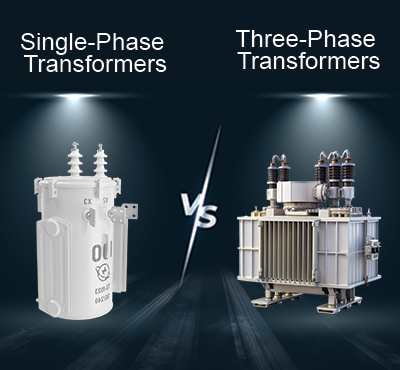
It ensures transformers operate within thermal limits under varying loads. Together, these standards create a comprehensive safety framework. They regulate insulation materials, thermal limits, and fault tolerance. Following these requirements reduces failure risks and extends equipment lifespan.
Key Factors That Affect Transformer Performance
Several factors influence transformer efficiency and durability:
- Load imbalance reduces output stability and increases losses
- Harmonics distort voltage and affect sensitive equipment
- Ambient temperature impacts insulation and cooling efficiency
- Material quality determines lifespan and reliability
- Insulation class affects thermal resistance and safety
These elements directly affect system performance in industrial environments. Engineers must monitor these variables continuously. Ignoring these factors leads to premature equipment failure. Optimizing these conditions improves operational efficiency significantly.
Performance Optimization And Engineering Strategies
Optimizing transformer performance requires systematic engineering practices. Load balancing ensures equal distribution across phases. Harmonic filters reduce electrical noise and improve efficiency. Cooling systems must match environmental conditions precisely. Regular inspections detect insulation degradation early. Monitoring systems provide real-time performance data. Predictive maintenance reduces unexpected downtime significantly. Advanced users integrate IoT-based monitoring solutions. These systems enhance visibility and operational control. Some industries adopt specialized equipment like 35 kv oil-immersed transformer for medium-scale applications. Proper system design minimizes energy losses effectively. Engineers focus on improving efficiency through material and design improvements. Strategic optimization extends equipment lifespan and reduces operational costs.
Cost Considerations And ROI For Industrial Buyers
Cost considerations for industrial buyers extend far beyond the initial purchase price. Firstly, operational efficiency plays a critical role in determining long-term expenses. Moreover, energy savings can accumulate significantly over extended periods of use, further reducing overall costs. In addition, maintenance expenses vary depending on the technology type, with digital systems typically lowering servicing requirements. Consequently, reduced maintenance leads to fewer interruptions and improved reliability.
Furthermore, downtime costs often exceed the original equipment investment, making system reliability a top priority. As a result, dependable systems enhance productivity and overall profitability. At the same time, bulk procurement strategies can effectively reduce unit costs for large-scale projects, while suppliers may also provide customized solutions tailored to specific industry needs.
Ultimately, buyers must carefully evaluate the total cost of ownership rather than focusing solely on upfront pricing. Therefore, investing in high-quality systems ensures better returns over time, while strategic purchasing decisions contribute to improved financial performance and long-term operational stability.

Common Mistakes When Choosing A Transformer
Many buyers make critical errors during selection processes. Undersized transformers often fail under heavy loads. Oversized units increase unnecessary capital expenditure. Ignoring voltage fluctuations leads to equipment damage. Poor knowledge of load characteristics causes inefficiency. Some buyers overlook compliance with safety standards. Lack of proper installation planning creates operational risks. Choosing low-quality materials reduces system lifespan. Failure to consider future expansion limits scalability. Avoiding these mistakes ensures better performance and reliability. Careful planning supports long-term operational success.
Comparison Table Of Key Technical Parameters
| Parameter | Importance | Impact | Recommendation |
|---|---|---|---|
| Voltage Rating | Critical | System compatibility | Match input/output exactly |
| Power Capacity | High | Load handling | Add safety margin |
| Cooling Method | Medium | Thermal stability | Select based on environment |
| Insulation Class | High | Safety and durability | Use industrial-grade materials |
Technical Parameter Analysis And Selection Strategy
Each parameter directly affects transformer performance and reliability. Voltage mismatch causes severe operational issues. Power capacity determines load handling capability. Cooling methods influence long-term stability under heavy usage. Insulation quality ensures safe operation in demanding environments. Engineers must evaluate these parameters together rather than individually. Balanced design improves efficiency and reduces risks. Industrial buyers should request detailed technical specifications from suppliers. Comparing multiple options ensures better decision-making. Technical analysis supports reliable system integration. Proper selection enhances productivity and minimizes downtime risks.
Future Trends In Phase Conversion Technology
Technological advancements continue to reshape phase conversion solutions. Smart transformers integrate sensors for real-time monitoring. Digital control systems improve efficiency and accuracy. Energy regulations drive development of eco-friendly designs. Renewable energy integration becomes increasingly important. IoT-enabled systems provide predictive maintenance capabilities. Automation enhances operational efficiency in industrial environments. Manufacturers focus on reducing energy losses and improving durability. Future systems will offer higher performance with lower maintenance needs. Businesses adopting advanced technologies gain competitive advantages. Continuous innovation ensures better reliability and efficiency.
Conclusion Strategic Decision Framework For Buyers
Selecting the right transformer requires careful technical evaluation. Buyers must consider load requirements, environment, and budget. Reliable single phase to three phase transformer solutions improve efficiency significantly. Proper installation and maintenance ensure long-term performance. Avoiding common mistakes reduces operational risks. Engineers should prioritize quality and compliance over cost alone. Strategic decisions enhance productivity and profitability. Long-term planning supports scalable industrial growth. Reliable power conversion remains essential for modern industries.
FAQ
What Is The Difference Between A Phase Converter And A Transformer?
A phase converter creates additional phases using mechanical or electronic methods. A transformer mainly changes voltage levels through electromagnetic induction. Phase converters often include rotating or electronic components. Transformers rely on static winding structures without moving parts. In phase conversion systems, both technologies may work together. The converter generates phase shift, while the transformer adjusts voltage. Industrial setups often combine them for optimal performance. Choosing between them depends on load requirements and system complexity. Clear knowledge of their roles helps businesses design efficient systems. Proper selection improves equipment lifespan and operational stability.
How Do I Calculate The Right Transformer Size For My Equipment?
Start by calculating total load in kilowatts or horsepower. Include all connected equipment and future expansion needs. Consider starting current, which may exceed running current significantly. Add a safety margin to avoid overload conditions. Voltage compatibility must match equipment requirements exactly. Duty cycle determines continuous or intermittent usage patterns. Environmental factors also influence sizing decisions. Engineers often recommend adding 20 percent extra capacity. This margin ensures stable operation under fluctuating loads. Accurate calculation prevents overheating and energy waste. Proper sizing improves efficiency and extends equipment lifespan significantly.
What Maintenance Does A Phase Conversion Transformer Require?
Regular inspection ensures reliable and safe operation over time. Check insulation condition to prevent electrical faults. Cooling systems must function properly to avoid overheating. Clean dust and debris from external surfaces regularly. Monitor voltage balance and load distribution continuously. Oil-filled transformers require periodic oil quality testing. Electrical connections should remain tight and corrosion-free. Advanced systems use sensors for real-time condition monitoring. Predictive maintenance reduces unexpected downtime significantly. Proper maintenance extends equipment lifespan and improves efficiency. Industrial users benefit from reduced repair costs and stable performance.