
GET A QUOTE

Chinese Stock code : 920062

GET A QUOTE

M

Building the future

How Can We Help You Today?

Whether it’s a general inquiry, a request for a quote, or detailed project information, we look forward to connecting with you.

4 + 12 =

Tel / WhatsApp

+86-570-4982-888

Stock code : 920062

Kerun Intelligent Control

BLOG

Blog

  1. Home
  2. Dry Type Transformer
  3. How To Choose Oil Filled Power Transformer In China?

≡ Blog Categories

  • Blog
Please enable JavaScript in your browser to complete this form.

How Can We Help You Today?

Whether it’s a general inquiry, a request for a quote, or detailed project information, we look forward to connecting with you.

How To Choose Oil Filled Power Transformer In China?

Apr 8, 2026

How To Choose Oil Filled Power Transformer In China?

  • Select an oil filled power transformer in China with high efficiency and compliance to global energy standards for industrial power grids.
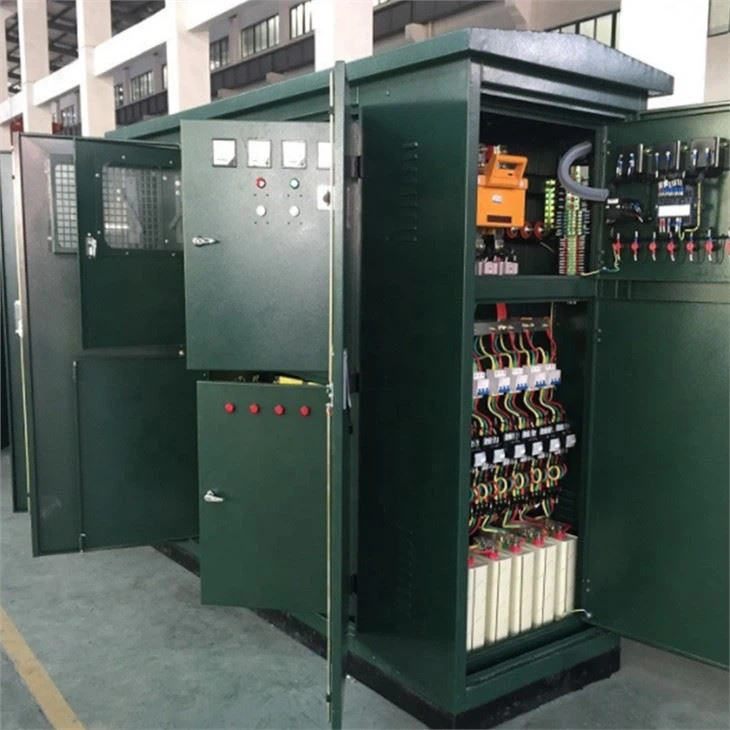
Selecting a reliable oil filled power transformer in China requires deep technical knowledge of current manufacturing standards. Global buyers prioritize high efficiency and long-term durability when evaluating potential suppliers in the Asian market. Chinese factories now produce advanced units that meet strict international energy regulations for diverse industrial applications. You must examine core materials and insulation quality to ensure optimal performance in your local power grid. Many manufacturers offer customized solutions for specific voltage requirements and environmental conditions. Proper evaluation of these factors leads to significant cost savings and reduced operational downtime for your facility. This strategic approach ensures that your investment remains secure and productive for several decades. High-quality components and rigorous testing protocols define the best equipment available from top-tier Chinese exporters today. Every purchase decision should involve a detailed analysis of the manufacturer’s technical capabilities and past performance records.

Evaluating Core Material Grade and Magnetic Flux Density

The core of an oil filled power transformer in China determines its overall energy efficiency and heat generation. Premium manufacturers use high-grade cold-rolled grain-oriented steel to minimize hysteresis and eddy current losses during operation. This material features a specific silicon content that enhances magnetic permeability across the entire core structure. Engineers must calculate the ideal magnetic flux density to prevent saturation under peak load conditions. Lower flux density often results in quieter operation and reduced vibration within the transformer tank. You should request detailed data sheets regarding the specific grade of steel used in the laminations. High-permeability materials significantly improve the power factor and reduce the total cost of ownership over time. Modern laser-cutting techniques ensure precise alignment of the core steps for maximum magnetic efficiency and structural integrity. These technical details are essential for achieving the highest possible performance levels in demanding industrial environments.

Analyzing Insulation Systems and Dielectric Strength Standards

Insulation systems play a critical role in preventing internal short circuits and extending the equipment lifecycle. Most units utilize high-purity cellulose paper and densified pressboard to provide robust dielectric strength between the windings. The mineral oil acts as both an insulator and a cooling medium within the sealed tank. You must verify that the oil meets international standards for moisture content and breakdown voltage levels. Advanced 10 kv oil-immersed transformer designs incorporate thermally upgraded paper to withstand higher operating temperatures without degradation. This specialized paper maintains its mechanical strength even after years of continuous thermal stress in the field. Proper vacuum drying processes during manufacturing remove all traces of air and moisture from the insulation. These steps are essential for maintaining the integrity of the dielectric system under high-voltage conditions. Reliable insulation is the primary defense against catastrophic electrical failures in your power distribution network.

Assessing Cooling Methods and Thermal Management Efficiency

Effective thermal management is critical for maintaining the performance of power distribution equipment, including a 66 kv oil-immersed power transformer. Standard units typically use natural oil and air cooling, while larger systems may require forced air or oil circulation to handle higher loads.

Radiator design and heat dissipation area play a key role in preventing insulation aging and winding overheating. Some systems integrate hybrid cooling with automatic fan control based on real-time temperature data, improving efficiency under varying conditions.

A well-designed thermal system supports temporary overloads, enhances reliability, and ensures long-term operational safety.
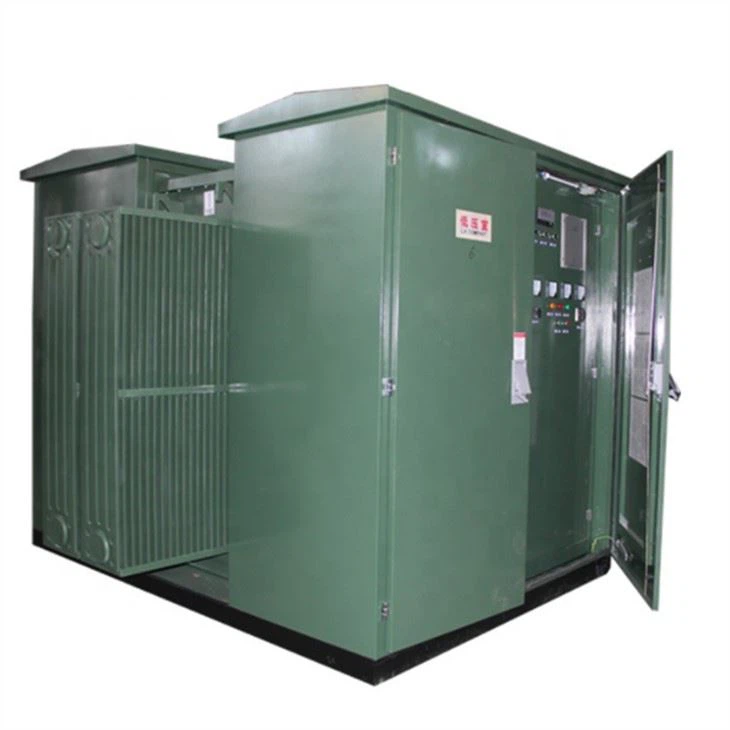
Verifying Manufacturing Compliance with IEC and GB Standards

Compliance with international quality standards is essential to ensure equipment meets global safety and performance benchmarks. In practice, most reputable factories in China follow the IEC 60076 series for power transformer design and testing. Additionally, it is important to verify alignment with Chinese GB standards, which often match or even exceed international requirements.

These regulations cover a wide range of criteria, from noise levels to short-circuit withstand capabilities across different grid configurations. For example, a high-quality 66 kv oil-immersed power transformer must undergo rigorous type testing to confirm reliability under extreme conditions. Such tests typically include lightning impulse, temperature rise, and partial discharge measurements.

Furthermore, proper documentation of these tests provides critical assurance for engineers and project managers during procurement. As a result, adherence to these standards significantly reduces the risk of failure and supports long-term grid stability. Therefore, quality certification remains a non-negotiable requirement for modern power infrastructure projects.

Comparing Technical Specifications of Leading Chinese Manufacturers

Technical Parameter Standard Grade Premium Grade Industrial Impact
Core Material M3 CRGO Steel High-B CRGO Steel Reduces No-Load Loss
Winding Material 99.9% Pure Copper Oxygen-Free Copper Lowers Load Losses
Insulation Class Class A (105°C) Class H (180°C) Extends Thermal Life
Cooling Type ONAN ONAF / OFAF Increases Load Capacity

Interpreting Performance Metrics for Optimal Grid Integration
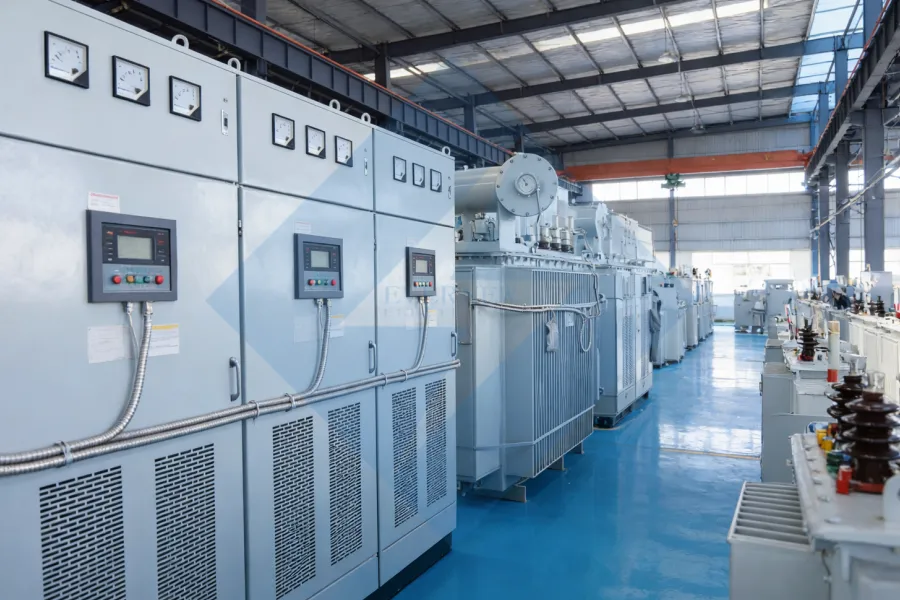
The data presented in the table highlights the critical differences between standard and premium equipment grades. Choosing high-B CRGO steel for the core significantly reduces the energy wasted during idle periods. Oxygen-free copper windings provide superior conductivity and reduce the heat generated during full-load operations. These material choices directly impact the efficiency ratings and the total heat signature of the unit. You must balance the initial purchase price with the long-term energy savings provided by premium materials. Advanced cooling types like ONAF allow the transformer to handle higher loads by using external fans. This capability is essential for industrial sites with fluctuating power demands throughout the day. Grasping these technical nuances helps you select a unit that fits your specific operational requirements perfectly. Investing in better materials today leads to lower maintenance costs and higher reliability for your entire power system.

Essential Components for Long-Term Operational Stability

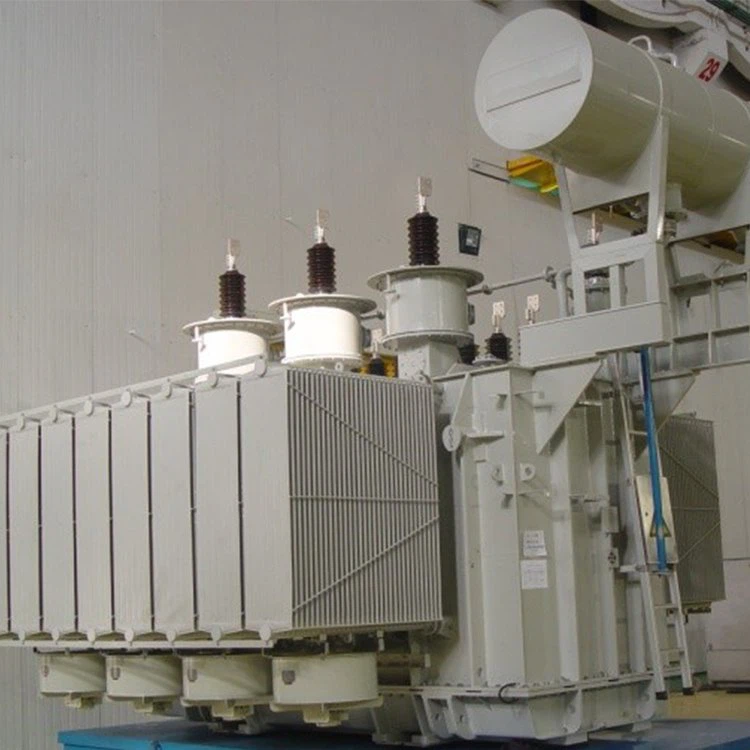
Several critical components work together to ensure the safe and efficient operation of your power equipment. High-voltage bushings provide the necessary insulation for the conductors entering the grounded transformer tank. The tap changer allows for precise voltage regulation to compensate for fluctuations in the primary supply line. Buchholz relays offer essential protection by detecting gas accumulation or sudden oil surges within the system. Pressure relief devices prevent tank rupture by venting excess internal pressure during a fault condition. Oil level indicators and temperature gauges provide real-time data for monitoring the health of the unit. These parts must be sourced from reputable brands to ensure compatibility and long-term performance. Regular inspection of these accessories is vital for preventing minor issues from escalating into major failures. High-quality components are the foundation of a reliable and safe power distribution network. Each part must meet strict quality control standards to ensure the overall integrity of the equipment.

Maintenance Protocols for Extending Equipment Lifecycle
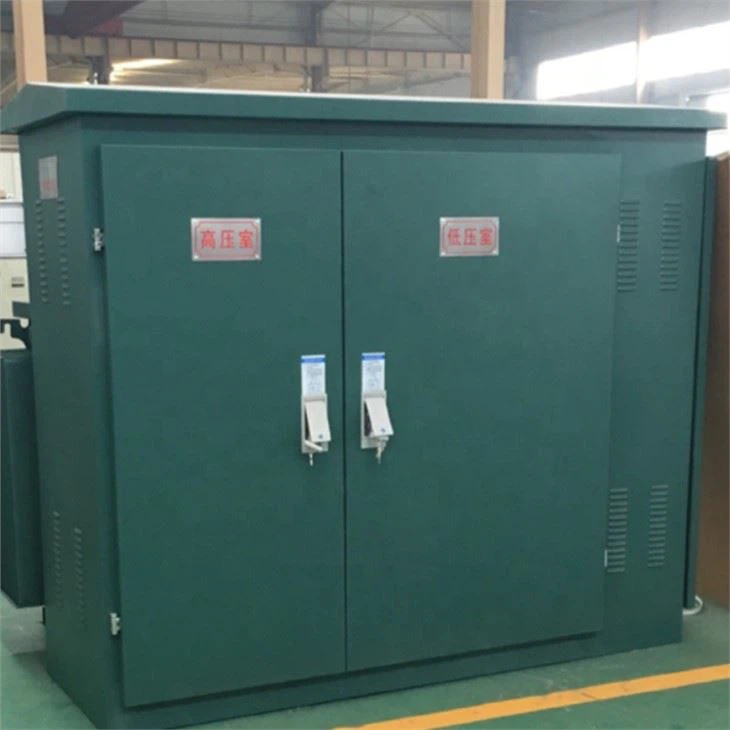
The components listed above require a systematic maintenance approach to ensure they function correctly over many years. You should perform regular oil sampling to check for dissolved gases and moisture contamination levels. Testing the dielectric strength of the oil provides a clear picture of the internal insulation health. The Buchholz relay needs periodic functional checks to ensure it can trigger the circuit breaker during emergencies. Tap changers require mechanical inspection and lubrication to prevent sticking or contact wear during voltage adjustments. You must also clean the bushings regularly to prevent surface tracking and potential flashovers in humid environments. Monitoring the temperature gauges helps identify cooling system failures before they cause thermal damage to the windings. A proactive maintenance schedule significantly reduces the risk of unplanned outages and extends the service life. These practices protect your capital investment and ensure a continuous supply of power to your facility.
Oil Filled Power Transformer In China

Selecting the Right Oil Filled Power Transformer In China

Finalizing your purchase of an oil filled power transformer in China involves a comprehensive review of all technical data. You must compare the loss figures and efficiency ratings provided by different manufacturers in their official quotes. Ensure that the supplier offers a robust warranty and reliable after-sales support for your specific region. Requesting a factory audit can provide valuable insights into the quality control processes and manufacturing capabilities. You should also verify the shipping and installation procedures to avoid damage during transit to your site. Clear communication regarding your technical requirements prevents misunderstandings and ensures the delivery of a compliant unit.This thorough selection process guarantees that you receive a high-performance transformer that meets your energy needs.By following these professional guidelines, you can confidently source top-quality power equipment from the Chinese market. Your focus on technical excellence will result in a stable and efficient power grid for years.

Comparing Standard Testing Procedures for Quality Assurance

Test Category Test Description Purpose
Routine Test Winding Resistance Checks for loose connections
Type Test Temperature Rise Verifies cooling efficiency
Special Test Partial Discharge Detects insulation defects
Oil Test DGA Analysis Identifies internal faults

Deep Analysis of Quality Assurance Testing Protocols

The testing procedures outlined in the second table are vital for confirming the structural integrity of your equipment. Routine tests like winding resistance measurements ensure that all internal connections are secure and electrically sound. Type tests are more intensive and verify that the design can handle its rated thermal and mechanical stresses. Temperature rise tests are particularly important for confirming that the cooling system meets the specified performance targets. Special tests like partial discharge detection can identify microscopic flaws in the insulation before they lead to failure. Dissolved gas analysis of the oil provides a chemical fingerprint of the internal condition of the transformer. You should insist on witnessing these tests or receiving certified reports from an independent laboratory. These rigorous checks provide the final layer of security for your procurement process in the Chinese market. Comprehensive testing ensures that every unit delivered to your site is ready for immediate and reliable service.

FAQ

What are the primary benefits of sourcing from Chinese suppliers?
Sourcing power equipment from China offers significant economic advantages due to large-scale manufacturing and optimized supply chains. Most factories utilize advanced automation to maintain consistent quality while reducing the total production time for large orders. You can access a wide range of customized designs that meet specific regional grid requirements and environmental standards. Many suppliers provide comprehensive technical support and competitive pricing compared to European or American manufacturers. The proximity to raw material sources like high-grade steel and copper further lowers the overall cost of the final product. These factors make the Chinese market a preferred choice for global utility companies and industrial developers.

How does mineral oil quality affect transformer longevity?

High-quality mineral oil serves as a critical dielectric barrier and a primary cooling agent within the transformer tank. The oil must possess excellent oxidation stability to prevent the formation of sludge and acidic compounds over time. Pure oil with low moisture content ensures that the cellulose insulation remains dry and mechanically strong for decades. Contaminated or low-grade oil can lead to internal arcing and rapid degradation of the paper windings under thermal stress. Regular monitoring of the oil condition allows for timely filtration or replacement to maintain the health of the unit. Investing in premium oil significantly extends the operational life of your power distribution equipment.

Which testing procedures are mandatory before shipment?

Every unit must undergo a series of routine tests to verify its basic electrical characteristics and manufacturing quality. These mandatory procedures include insulation resistance, voltage ratio, and polarity checks to ensure correct grid integration. You must also perform a dielectric strength test on the oil to confirm its insulating properties are intact. No-load and load loss measurements are required to verify that the unit meets the promised efficiency ratings. Pressure tests on the tank ensure that there are no leaks in the cooling system or the main structure. These comprehensive checks provide the necessary documentation for customs clearance and final site commissioning. Proper testing guarantees that the equipment arrives in perfect working condition.