
How To Choose Oil Cooled Power Transformers?
-
How to choose oil cooled power transformers with focus on specs, cooling systems, insulation, cost, and supplier evaluation for B2B buyers.
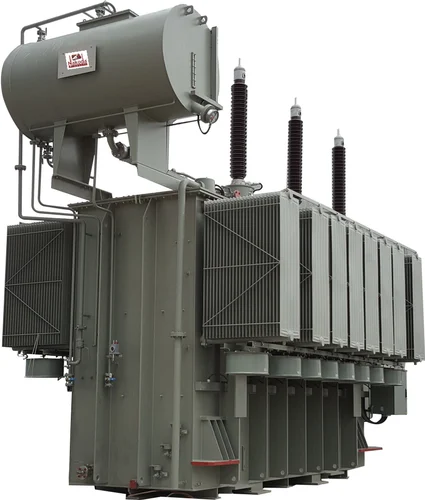
Selecting oil cooled power transformers requires technical expertise and careful planning for industrial buyers. These systems ensure stable voltage transformation across complex power networks. Engineers rely on them to maintain grid consistency and operational reliability. Transformer oil functions as both an insulating medium and an effective coolant. Proper selection enhances safety performance and extends service life significantly. Poor choices can increase energy losses and raise long-term maintenance costs. Buyers should evaluate specifications, materials, and compliance standards with precision. Each decision directly affects system efficiency and operational stability. Industrial environments demand consistent performance under fluctuating load conditions. Procurement teams must align technical parameters with actual application requirements. Strong knowledge of transformer fundamentals helps reduce operational risks and improve investment results.
Oil Cooled Power Transformers Design And Working Principles
Oil cooled power transformers include several critical internal components that determine performance. The magnetic core guides flux and minimizes hysteresis and eddy current losses. Windings transfer electrical energy between circuits with high efficiency. Insulation systems prevent short circuits and ensure electrical separation. Transformer oil enhances dielectric strength while absorbing generated heat effectively. Thermal energy moves into the oil and dissipates through cooling radiators. Circulation may occur naturally or through forced cooling mechanisms. Stable temperature control protects insulation and extends component lifespan. Additional structures include conservators, bushings, and monitoring devices. Each element supports safe and reliable operation under load conditions. Engineers refine structural design based on environmental and electrical requirements.
Key Technical Specifications For Oil Cooled Power Transformers
Technical specifications determine whether a transformer meets operational requirements. Rated capacity defines the maximum load the unit can handle safely. Voltage ratings must match grid or equipment requirements precisely. Frequency compatibility ensures stable performance under specific power systems. Impedance affects voltage regulation and fault current behavior significantly. Efficiency ratings indicate how much energy converts without losses. Load losses and no-load losses require careful comparison during selection. Buyers should also consider short-circuit strength and insulation class. Each parameter influences long-term reliability and operating cost. Accurate specification matching reduces unexpected downtime risks. Engineers often simulate load scenarios for oil cooled power transformers before final decisions.
Oil Cooled Power Transformers Selection Based On Application Needs
Different applications demand specific transformer configurations and performance levels. Industrial plants often require high-capacity units with stable load handling. Renewable energy systems need flexible transformers for fluctuating generation patterns. Utility grids demand high reliability and strict compliance standards. Environmental conditions also influence selection decisions significantly. High humidity areas require enhanced sealing and moisture resistance features. Outdoor installations need weather-resistant enclosures and corrosion protection. Space constraints may influence design type and cooling method selection. A 220 kv oil-immersed power transformer suits large-scale transmission projects effectively. Application-driven selection improves system efficiency and reduces operational issues. Buyers should align oil cooled power transformers design with real operational scenarios carefully.
Insulation Materials And Oil Quality Performance Factors
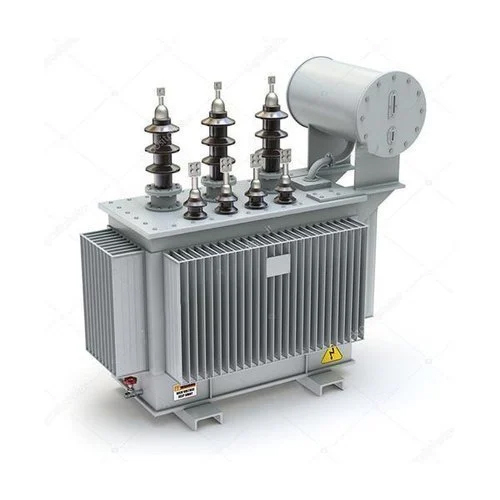
Insulation quality directly impacts transformer safety and lifespan. Mineral oil remains widely used due to its cost efficiency and availability. Synthetic oils offer better thermal stability and longer service intervals. Ester-based fluids provide improved environmental performance and fire safety characteristics. Dielectric strength determines how well the oil resists electrical breakdown. Moisture content must remain low to maintain insulation performance. Oxidation stability ensures the oil retains properties over time. Additives can improve resistance to aging and contamination effects. Material compatibility between insulation and oil also matters significantly. High-quality materials reduce failure risks and extend operational life. Proper testing and certification validate oil cooled power transformers insulation performance under demanding conditions.
Cooling Methods And Thermal Management In Oil Cooled Power Transformers
Cooling methods play a critical role in transformer performance and durability. ONAN systems rely on natural oil and air circulation for cooling. ONAF systems introduce forced air to enhance heat dissipation. OFAF systems use both forced oil and air circulation for high loads. Each method offers different efficiency and maintenance requirements. Thermal management directly affects insulation aging and equipment lifespan. Poor cooling leads to overheating and premature component failure. Engineers select cooling methods based on load profiles and environment. Regular inspection of radiators and fans ensures optimal performance. Effective cooling improves reliability and reduces operational risks significantly. Proper cooling enhances oil cooled power transformers performance in demanding applications.
Compliance Standards And Certification Requirements
Compliance ensures transformers meet safety and performance expectations globally. International standards include IEC, IEEE, and ISO certifications. These standards define testing procedures and design requirements clearly. Environmental regulations also influence oil type and emission levels. Certified transformers provide assurance of consistent manufacturing quality. Testing includes insulation resistance, temperature rise, and load performance checks. Documentation must support compliance for project approvals and audits. Regulatory adherence reduces legal risks and improves market acceptance. Buyers should verify certification authenticity before procurement decisions. Reliable suppliers provide detailed compliance reports and testing records. Certification strengthens confidence in oil cooled power transformers quality and durability.
Supplier Evaluation For Oil Cooled Power Transformers Procurement
Supplier selection plays a crucial role in procurement success. Experienced manufacturers offer advanced engineering and customization capabilities. Production capacity ensures timely delivery for large-scale projects. Quality control systems maintain consistency across manufacturing processes. Testing facilities validate performance before shipment. Suppliers should provide detailed technical documentation and support services. After-sales service ensures quick resolution of operational issues. A 110 kv oil-immersed power transformer often reflects mid-range grid applications. Evaluating past projects helps assess supplier reliability effectively. Strong partnerships improve long-term operational efficiency. Reliable partners deliver consistent oil cooled power transformers performance across projects.
Cost Analysis And Long-Term Investment Value
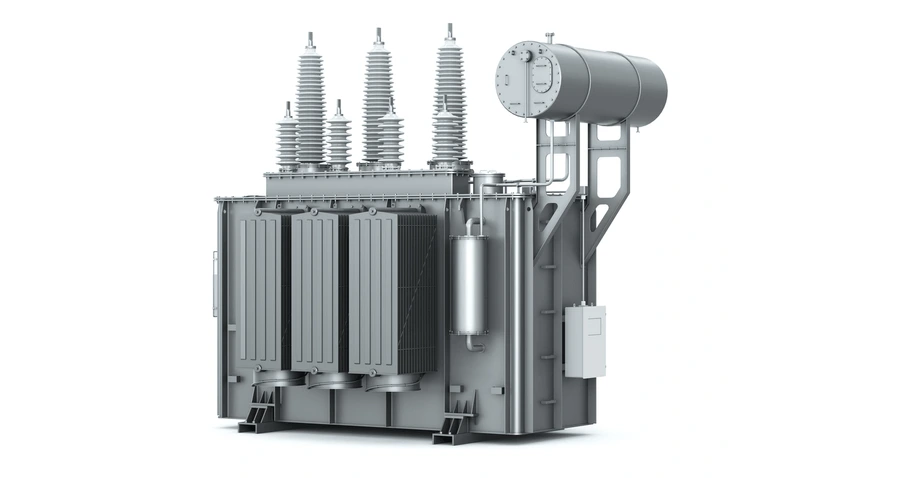
Cost evaluation extends beyond initial purchase price considerations. Lifecycle cost includes maintenance, energy loss, and operational expenses. High-efficiency transformers reduce energy waste significantly over time. Lower losses translate into measurable cost savings for industrial users. Maintenance requirements also influence total ownership costs. Durable materials reduce replacement frequency and repair expenses. Buyers should compare cost-performance ratios across different suppliers. Investment decisions must balance budget constraints with performance expectations. Long-term reliability often justifies higher initial costs. Strategic procurement ensures stable returns and reduced operational risks. Financial planning supports sustainable oil cooled power transformers investment decisions.
Comparison Of Transformer Cooling And Efficiency Parameters
| Cooling Type | Efficiency Level | Maintenance Requirement | Application |
|---|---|---|---|
| ONAN | Moderate | Low | Small to medium installations |
| ONAF | High | Moderate | Industrial facilities |
| OFAF | Very High | High | Large power stations |
Thermal management data highlights the importance of selecting proper cooling systems. Higher efficiency often requires more complex maintenance procedures. Buyers should evaluate trade-offs between performance and operational effort carefully. Matching cooling systems with application needs improves system reliability significantly. Data-driven decisions reduce unexpected failures and optimize energy efficiency.
Comparison Of Insulation Oils And Performance Metrics
| Oil Type | Dielectric Strength | Thermal Stability | Environmental Impact |
|---|---|---|---|
| Mineral Oil | Standard | Moderate | Higher |
| Synthetic Oil | High | High | Moderate |
| Ester Oil | Very High | High | Low |
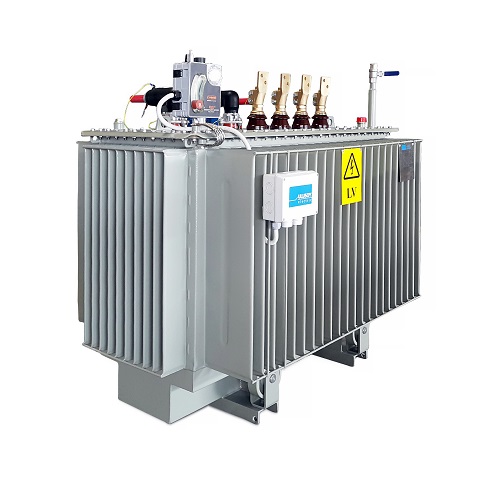
Oil selection directly influences transformer lifespan and safety performance. Advanced oils provide better insulation and environmental benefits. However, costs and compatibility must also be considered carefully. Engineers often select oil types based on operational priorities and regulatory requirements. Balanced decisions ensure optimal performance and sustainability outcomes.
Key Checklist For Selecting The Right Transformer Supplier
- Verify international certifications and compliance records
- Evaluate manufacturing capacity and delivery timelines
- Review testing procedures and quality assurance systems
- Assess technical support and after-sales service quality
- Compare lifecycle cost and efficiency performance metrics
- Analyze previous project experience and industry reputation
This checklist helps buyers streamline supplier evaluation effectively. Structured assessment reduces procurement risks and improves decision accuracy. Each factor contributes to long-term operational success and reliability. Combining technical evaluation with supplier credibility ensures optimal investment outcomes.
Conclusion: Strategic Decisions For Oil Cooled Power Transformers
Choosing oil cooled power transformers requires a balance of technical and financial considerations. Buyers must evaluate specifications, materials, and compliance standards thoroughly. Application requirements should guide every selection decision carefully. Reliable suppliers provide consistent quality and technical support. Cost analysis should include lifecycle performance and maintenance factors. Efficient transformers deliver long-term savings and operational stability. Strategic procurement reduces risks and enhances system performance. Informed decisions ensure sustainable and reliable power distribution systems. Careful planning supports long-term success in industrial and utility projects.
Frequently Asked Questions
What is the typical lifespan of oil cooled transformers?
Oil cooled transformers typically operate for 25 to 40 years under proper conditions. Lifespan depends on load management, maintenance quality, and environmental factors. Regular oil testing helps detect contamination and degradation early. Proper cooling prevents overheating and insulation damage over time. High-quality materials extend service life significantly. Maintenance practices like oil filtration and component inspection improve durability. Operating within rated capacity reduces stress on internal components. Environmental control also plays an important role in longevity. Consistent monitoring ensures stable performance across decades of use. Well-maintained transformers often exceed expected service life.
How often should maintenance be performed on these transformers?
Maintenance schedules depend on operating conditions and transformer design. Routine inspections usually occur every six to twelve months. Oil testing should be conducted annually to monitor insulation quality. Visual checks identify leaks, corrosion, and mechanical issues early. Cooling systems require regular cleaning and performance verification. Load monitoring helps detect abnormal operating patterns quickly. Preventive maintenance reduces unexpected failures and downtime risks. Detailed records support long-term performance analysis and planning. High-load environments may require more frequent inspections. Consistent maintenance ensures reliability and extends equipment lifespan significantly.
What factors affect transformer efficiency the most?
Transformer efficiency depends on design, materials, and operating conditions. Core material quality influences magnetic losses significantly. Winding resistance affects load losses during operation. Cooling efficiency impacts temperature and energy dissipation performance. Load management plays a critical role in maintaining optimal efficiency. High-quality insulation reduces energy leakage and improves stability. Proper voltage matching minimizes unnecessary power loss. Maintenance practices also affect long-term efficiency levels. Environmental conditions can influence performance through temperature variations. Selecting efficient designs reduces operational costs and improves system reliability over time.
