
How To Choose Mine Oil Immersed Power Transformer?
-
Mine oil immersed power transformer selection covers performance, cooling, insulation, and lifecycle cost for reliable mining power systems.
Key Factors in Selecting Mine Oil Immersed Power Transformer
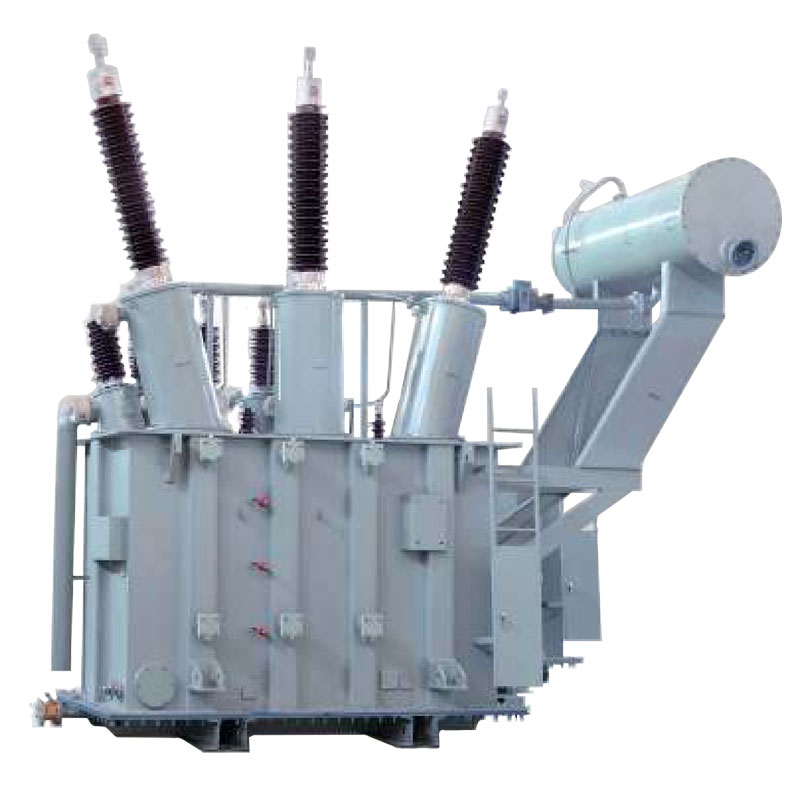
Selecting a mine oil immersed power transformer requires careful evaluation of performance, safety, and lifecycle cost. Mining operations demand stable voltage under extreme conditions. Equipment failure can halt production and increase operational risk. Engineers must consider load profiles, fault tolerance, and environmental exposure. Reliable transformers ensure consistent energy delivery across underground and surface systems. Procurement teams should align technical specifications with site conditions. Strategic selection improves efficiency and reduces downtime. Each decision affects long-term maintenance and energy consumption. Industrial buyers often prioritize cost, yet durability plays a larger role. A balanced approach ensures better return on investment and operational continuity.
Core Structure and Functional Design of Mine Oil Immersed Power Transformer
A mine oil immersed power transformer depends on a robust internal structure for consistent performance. The core typically uses high-grade silicon steel to reduce losses. Windings are constructed from copper or aluminum conductors with strong mechanical strength. Insulating oil performs dual roles in cooling and electrical insulation. Radiators or cooling fins help dissipate heat effectively. Compared with dry-type units, oil-immersed designs offer higher overload capacity. Internal structures must withstand mechanical stress during short circuits. Engineers often evaluate winding arrangement to ensure balanced electromagnetic forces. Proper sealing prevents oil leakage and contamination. Advanced designs include conservators and breather systems for moisture control. These features enhance performance in demanding mining environments.
Performance Requirements for Mine Oil Immersed Power Transformer
Performance evaluation ensures that a mine oil immersed power transformer meets mining system demands. Mining equipment creates fluctuating electrical loads that require stable voltage output. Transformers must handle these variations without significant voltage drops. Short-circuit strength ensures safety during electrical faults. Overload capability allows temporary operation beyond rated capacity. Energy efficiency remains critical for reducing operational costs. Losses include both no-load and load losses. Engineers calculate these values to optimize system efficiency. A 10 kv oil-immersed transformer often supports localized distribution networks. Proper rating selection ensures stable operation and minimizes unexpected shutdowns.
Typical Load and Efficiency Metrics
| Parameter | Typical Range | Impact | Notes |
|---|---|---|---|
| Load Capacity | 500 kVA - 50 MVA | Determines system capability | Match with mining demand |
| No-load Loss | 0.2% - 0.5% | Affects idle energy use | Depends on core material |
| Load Loss | 1% - 3% | Impacts efficiency | Related to winding quality |
| Efficiency | 96% - 99% | Reduces energy cost | Higher for large units |
These metrics help evaluate transformer performance under real operating conditions. Engineers use them to optimize efficiency and reduce operational costs. Proper analysis ensures stable voltage delivery and improved system reliability.
Environmental Adaptation of Mine Oil Immersed Power Transformer
Environmental conditions significantly impact the performance of a mine oil immersed power transformer. Mining environments expose equipment to dust, moisture, and vibration. Protective enclosures reduce contamination risks. Sealing systems prevent water ingress into the tank.
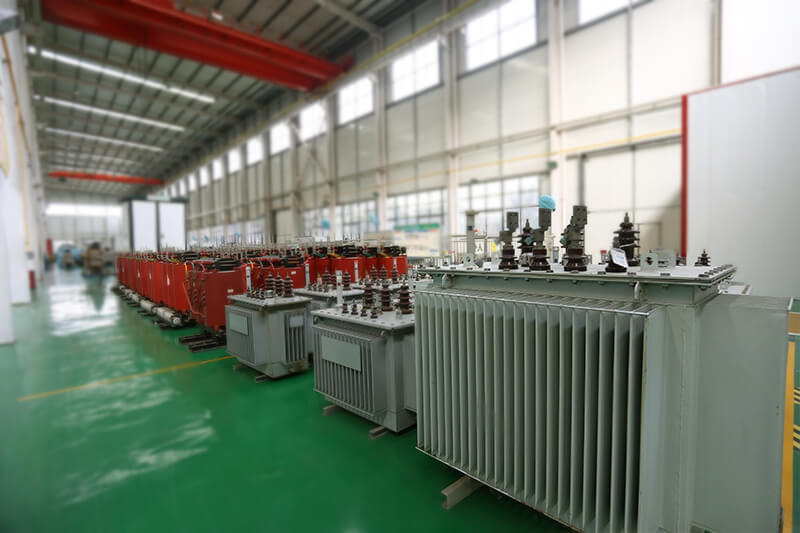
Corrosion-resistant coatings extend equipment lifespan in humid conditions. Explosion-proof designs are essential in gas-prone mines. Temperature variations require efficient cooling systems. Mechanical stability protects internal components during vibrations. Proper installation location also influences durability. Oil quality must remain stable despite environmental stress. These adaptations ensure reliable operation in extreme conditions.
Protection Features and Safety Systems
| Feature | Function | Benefit | Application |
|---|---|---|---|
| Buchholz Relay | Detects internal faults | Prevents major damage | Oil-filled transformers |
| Pressure Relief Device | Releases internal pressure | Improves safety | Explosion prevention |
| Temperature Sensor | Monitors heat | Avoids overheating | Continuous monitoring |
| Oil Level Indicator | Tracks oil volume | Ensures insulation integrity | Maintenance support |
Safety systems play a critical role in maintaining transformer reliability. Each component provides protection against specific failure modes. Proper integration reduces operational risks and enhances equipment lifespan.
Material Selection for Mine Oil Immersed Power Transformer
Material quality directly determines the durability of a mine oil immersed power transformer. Insulating oil must have high dielectric strength and thermal stability. Mineral oil remains widely used due to cost efficiency. Synthetic oils offer improved fire resistance and oxidation stability. Solid insulation includes cellulose-based materials and pressboard components. Thermal class rating defines allowable operating temperature. Aging resistance ensures long-term performance under continuous load. Moisture control plays a critical role in insulation integrity. High-quality materials reduce the risk of dielectric failure. Manufacturers often conduct accelerated aging tests to validate performance. Proper material selection ensures consistent operation and extended service life.
Comparison of Insulation Materials
| Material | Thermal Class | Durability | Application |
|---|---|---|---|
| Mineral Oil | Low | Moderate | Standard transformers |
| Silicone Oil | High | High | Fire-resistant systems |
| Natural Ester | Medium | High | Eco-friendly applications |
Material comparison highlights performance differences for a mine oil immersed power transformer. Selection depends on environmental and operational requirements. Proper insulation improves reliability and reduces failure risk.
Compliance Standards for Mine Oil Immersed Power Transformer
Compliance ensures that a mine oil immersed power transformer meets global safety and performance requirements. Standards such as IEC 60076 define transformer design and testing criteria. IEEE guidelines provide additional performance benchmarks. Mining applications often require explosion-proof certifications.
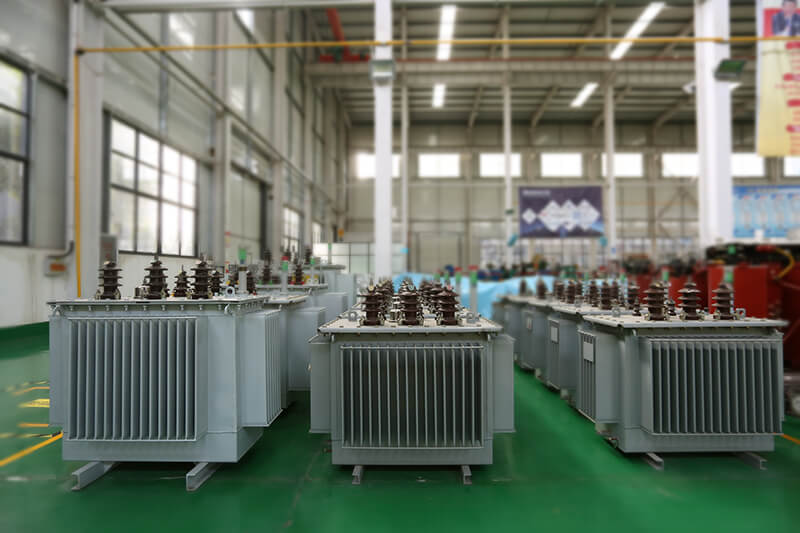
Testing includes dielectric tests, temperature rise tests, and short-circuit tests. Certification verifies product reliability under defined conditions. Quality assurance processes ensure consistency in manufacturing. Documentation provides traceability for each unit. Buyers should verify compliance before procurement decisions. Adhering to standards reduces operational risks and improves system reliability.
Supplier Evaluation for Mine Oil Immersed Power Transformer
Supplier capability plays a crucial role in selecting a mine oil immersed power transformer. Manufacturers should demonstrate advanced production equipment and testing facilities. Automated winding and core assembly improve consistency. Quality control systems ensure each unit meets specifications. Traceability allows tracking of materials and production stages. Customization capability supports specific mining requirements. Engineering support helps optimize transformer selection. Strong suppliers provide technical documentation and after-sales service. Buyers should evaluate experience in mining applications. Reliable partners reduce procurement risks and ensure long-term support.
Cost Analysis of Mine Oil Immersed Power Transformer
Cost evaluation should consider the full lifecycle of a mine oil immersed power transformer. Initial purchase price represents only part of the total investment. Lifecycle cost includes maintenance, energy losses, and downtime risks. Efficient transformers reduce operational expenses over time. Maintenance intervals affect overall cost and system reliability. Spare parts availability also influences long-term planning. Energy efficiency directly impacts electricity consumption. A 110 kv oil-immersed power transformer supports high-capacity transmission systems. Strategic investment ensures better financial performance and operational stability. Lifecycle analysis provides a comprehensive view of value.
Cost Breakdown and Lifecycle Factors
| Cost Element | Description | Impact Level | Optimization Strategy |
|---|---|---|---|
| Initial Cost | Purchase price | Medium | Compare suppliers |
| Energy Loss | Operational inefficiency | High | Select high-efficiency models |
| Maintenance | Routine servicing | Medium | Plan preventive schedules |
| Downtime | Production interruption | Very High | Invest in reliability |
Lifecycle cost evaluation provides a clearer view of total investment impact. Each cost element influences long-term profitability. Strategic planning reduces operational risks and improves financial outcomes.
Key Features Checklist for Procurement Decisions
- Rated capacity matches load requirements
- Voltage levels align with system design
- Cooling method suits environmental conditions
- Insulation class supports operating temperature
- Short-circuit strength meets safety standards
- Efficiency minimizes energy losses
- Compliance certifications are verified
- Supplier provides technical support
This checklist helps evaluate a mine oil immersed power transformer efficiently during procurement. Buyers can compare options using consistent criteria. Each factor directly impacts performance and reliability. Structured evaluation ensures alignment with operational requirements.
Integrating Selection Criteria Into Procurement Strategy
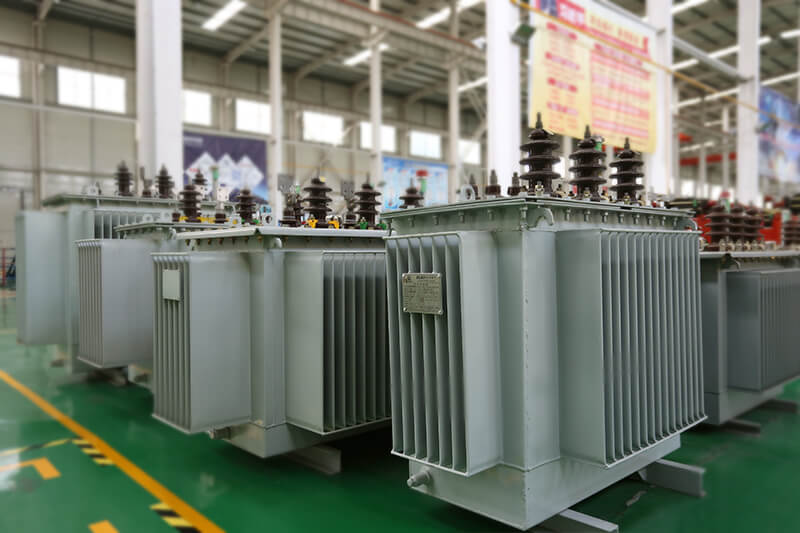
Procurement strategy should integrate all factors affecting a mine oil immersed power transformer. Teams must align technical specifications with operational goals. Risk assessment helps identify potential failure points. Supplier reliability plays a key role in long-term success. Engineers should validate design compatibility with existing systems. Maintenance planning ensures continuous operation. Strategic sourcing reduces downtime and improves efficiency. A well-structured approach enhances decision accuracy. Coordination between engineering and procurement teams improves outcomes. Comprehensive evaluation ensures optimal transformer performance in mining operations.
Conclusion: Strategic Approach to Transformer Selection
Selecting the right equipment requires a balance of performance, durability, and cost. Mining environments demand robust and reliable systems. Proper evaluation reduces risks and ensures stable power supply. Long-term planning improves financial performance. Technical knowledge supports better decision-making. Buyers should prioritize quality and compliance over initial cost. A strategic approach ensures sustainable and efficient operations.
FAQ
What is the lifespan of a mine oil immersed power transformer?
A mine oil immersed power transformer typically operates for 20 to 30 years under proper conditions. Lifespan depends on load patterns, maintenance quality, and environmental exposure. Regular oil testing helps monitor insulation health. Moisture and contamination accelerate aging. Proper cooling prevents overheating and insulation breakdown. Scheduled inspections detect early signs of failure. High-quality materials extend operational life significantly. Engineers often use condition monitoring systems for predictive maintenance. Consistent maintenance ensures stable performance and reduces unexpected failures.
How often should maintenance be performed in mining environments?
Maintenance frequency depends on operating conditions and load intensity. Mining environments require more frequent inspections due to dust and vibration. Routine checks should occur every three to six months. Oil testing is essential to detect contamination and degradation. Cooling systems require regular cleaning and inspection. Electrical connections must remain secure to prevent overheating. Annual comprehensive inspections evaluate overall performance. Preventive maintenance reduces failure risk and extends equipment life. A structured maintenance plan ensures consistent reliability.
What are the most common failures in mining transformers?
Common failures include insulation breakdown, overheating, and oil contamination. Moisture ingress reduces dielectric strength and increases failure risk. Overloading can cause excessive temperature rise and damage components. Poor cooling leads to thermal degradation of insulation materials. Mechanical stress may damage windings during faults. Oil leakage affects both insulation and cooling performance. Regular monitoring helps detect early warning signs. Proper design and maintenance reduce the likelihood of failure. Addressing these risks ensures stable and safe operation.