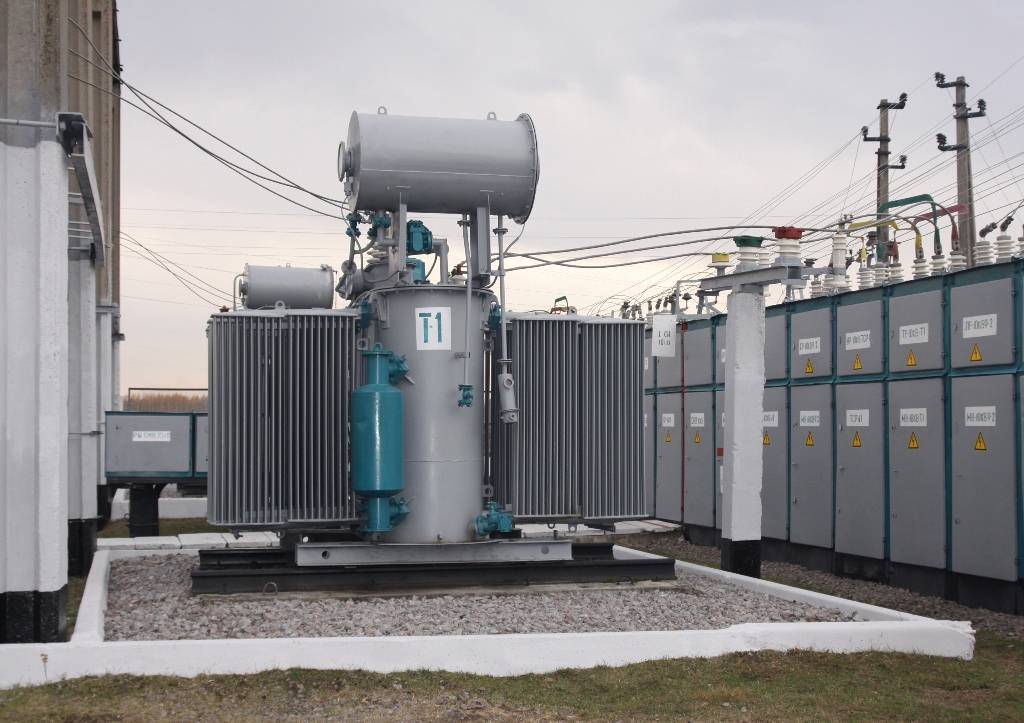
How Does Oil Power Transformer Work In Simple Terms?
-
Oil power transformer ensures efficient electricity distribution with reliability, durability, and easy maintenance.
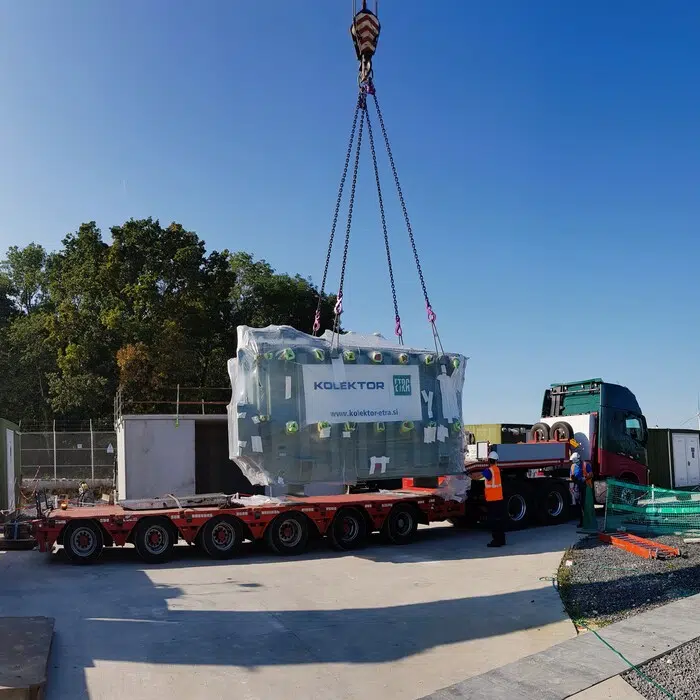
Oil-filled transformers are vital components in power distribution systems, efficiently managing electrical voltage by stepping it up or down. They use oil for both insulation and cooling, enabling them to manage high electrical loads with efficiency. As global energy demand continues to rise, the importance of these transformers grows for industries that rely on stable and effective electricity transmission and distribution.
What is an Oil Power Transformer?
An oil power transformer is a key part of electrical systems, using oil for both cooling and insulation. The core of the transformer guides electrical currents, while the oil prevents overheating by absorbing heat generated during the electrical process. These transformers are widely used in power stations, substations, and large industries to either increase or decrease the voltage for efficient power transmission.Compared to dry-type transformers, oil-filled transformers are specifically designed to handle high power capacities and are ideal for settings requiring reliable and high-performance electrical distribution.
How Does an Oil Power Transformer Work?
Oil power transformers manage voltage fluctuations using electromagnetic induction. When alternating current (AC) flows through the primary coil, it creates a magnetic field that induces a voltage in the secondary coil. The transformer’s design ensures that the voltage is either stepped up or stepped down, depending on the requirement.The oil inside the transformer functions as both a coolant and an insulator. It absorbs the heat produced by the electrical current, maintaining a safe operating temperature and preventing breakdowns or overheating.
The Role of Oil in Transformers
Oil plays a crucial role in keeping transformers running efficiently. Its primary function is to absorb heat produced during the operation, helping to cool the transformer and prevent overheating. Additionally, oil serves as an electrical insulator, ensuring that electrical faults are minimized by preventing direct contact between the windings and other metal components.
Typically, mineral oil or synthetic oil is used in transformers. The advantages of oil include its excellent heat conductivity and high insulating properties, both of which ensure optimal performance and longevity of the transformer.
Benefits of Oil Power Transformers
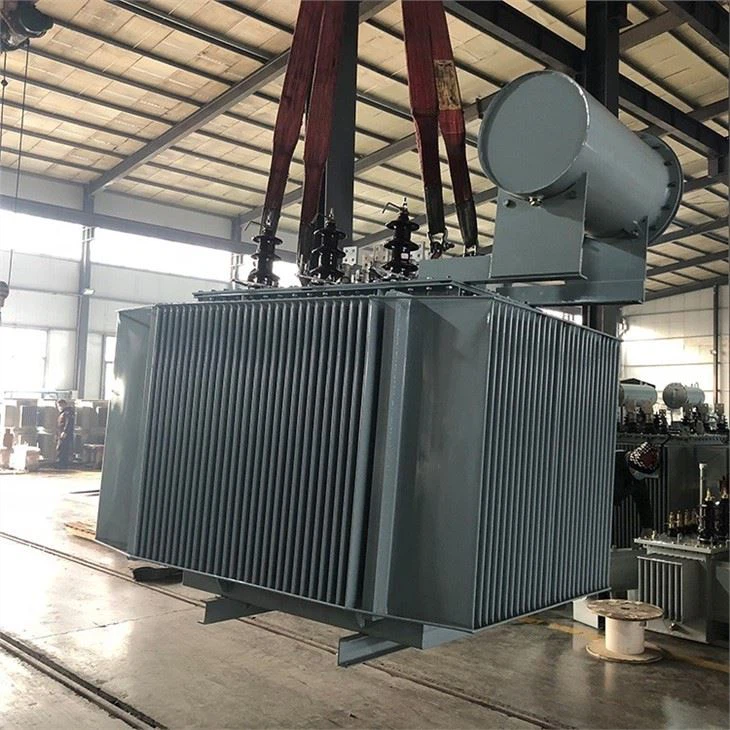
Oil-filled transformers offer several advantages, making them indispensable in power systems. One key benefit is their high efficiency, allowing them to transmit electricity over long distances with minimal losses. These transformers also operate well under heavy electrical loads, maintaining optimal performance and reducing energy loss.
Another advantage is their durability. Oil-filled transformers generally have a longer lifespan than dry-type transformers due to their superior insulation and cooling systems. Their robust design ensures that they can be relied upon in both residential and industrial power systems, meeting the growing demand for electricity in various sectors.
Common Applications of Oil Power Transformers
Oil-filled transformers are used in a wide variety of settings, including power generation plants, electrical substations, and large industrial applications. For example, a 220 kV oil-immersed power transformer is used for high-capacity power transmission, facilitating efficient electricity transfer over long distances.
| Feature | 220 kV Oil-Immersed Power Transformer |
|---|---|
| Voltage Rating | 220 kV |
| Primary Use | Long-distance power transmission |
| Size | Larger, designed for heavy loads |
| Cooling System | Oil-based cooling |
| Common Locations | Power plants, substations |
On the other hand, a 35 kV oil-immersed transformer is commonly used in urban and industrial settings where medium-voltage adjustments are needed. These transformers regulate voltage to ensure electrical equipment operates efficiently and safely.
| Feature | 35 kV Oil-Immersed Power Transformer |
|---|---|
| Voltage Rating | 35 kV |
| Primary Use | Urban/Industrial voltage regulation |
| Size | Smaller, suited for mid-range loads |
| Cooling System | Oil-based cooling |
| Common Locations | Urban distribution, industrial areas |
Oil Power Transformer Maintenance and Safety
Regular maintenance is vital to ensure that oil-filled transformers remain operational and safe throughout their life. Maintenance tasks include checking oil levels, inspecting the windings for damage, and testing the transformer’s insulation. Over time, oil can evaporate or become contaminated, so it must be replenished to keep the transformer running smoothly.
Inspecting for leaks is crucial to prevent potential fire hazards or environmental damage. By following proper safety protocols and conducting routine checks, any issues can be identified early, preventing transformer failures and ensuring continued reliability.
Environmental Concerns and Oil Transformers
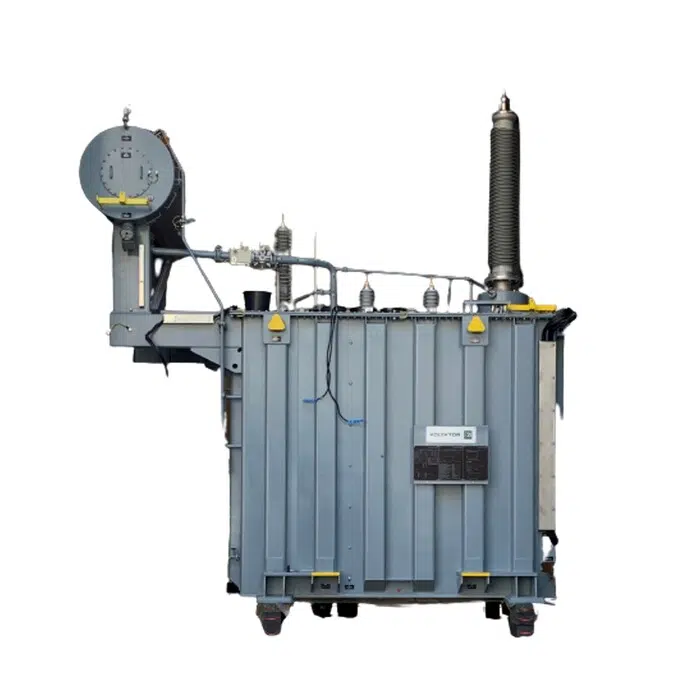
Oil-filled transformers come with environmental risks, mainly related to oil leakage, which can contaminate the surrounding environment. However, modern transformers have been designed with improved sealing mechanisms to minimize this risk. Additionally, the industry is shifting toward eco-friendly oils that are biodegradable, helping to reduce the environmental impact in case of a spill.
Although the risk is relatively low, regular inspections are still necessary to ensure transformers operate safely and without causing harm to the environment. The use of these eco-friendly oils is becoming more common, particularly in areas where environmental regulations are stricter.
The Future of Oil Power Transformers
The future of oil power transformers is bright, with continued innovations aimed at improving their energy efficiency, safety, and environmental impact. Research into eco-friendly oils and advancements in monitoring technologies are transforming the way these transformers are used. Real-time data collection and predictive maintenance are helping to enhance operational longevity and reduce maintenance costs.
As the energy landscape continues to evolve with renewable energy and smart grids, oil-filled transformers will adapt to meet the demands of the future, ensuring a more sustainable and efficient power distribution system for decades to come.
FAQ
What is the primary purpose of oil in a transformer?
The oil in a transformer serves a dual purpose: cooling and insulation. As electrical current flows through the transformer’s windings, it generates heat. The oil absorbs this heat, helping to prevent overheating. Additionally, the oil acts as an insulator, protecting the transformer’s internal components from electrical faults and short circuits. By performing these two functions simultaneously, the oil ensures that the transformer remains efficient and safe during operation. This dual functionality is what makes oil-filled transformers suitable for high-voltage applications, ensuring optimal performance even under heavy electrical loads.
How long do oil power transformers typically last?
The lifespan of an oil power transformer typically ranges between 30 to 40 years. However, the longevity depends on factors such as the transformer’s design, the level of maintenance it receives, and its operating conditions. Regular maintenance, including oil checks, component inspections, and insulation tests, can significantly extend its life. Some transformers, if properly maintained, may even last beyond the typical lifespan. Ensuring the transformer operates under optimal conditions and addressing any potential issues early can help maintain its efficiency and extend its operational life, reducing the need for costly replacements.
What are the risks of using oil-filled transformers?
The primary risk of using oil-filled transformers is the potential for oil leakage, which could lead to environmental contamination, fire hazards, and loss of transformer efficiency. While modern transformers are equipped with improved sealing mechanisms to minimize leakage risks, these events can still occur, particularly if the transformer is not maintained properly. Regular inspections are critical to identifying and addressing leaks before they become problematic. The oil used in transformers, although highly effective, poses risks if mishandled or improperly disposed of, so safety protocols must be followed to ensure safe operation and minimize environmental impact.