
How Do Oil Filled Power Transformers Compare To Others?
-
Explore the growth of the oil filled power transformer market, its benefits, challenges, and comparison with other transformer types.
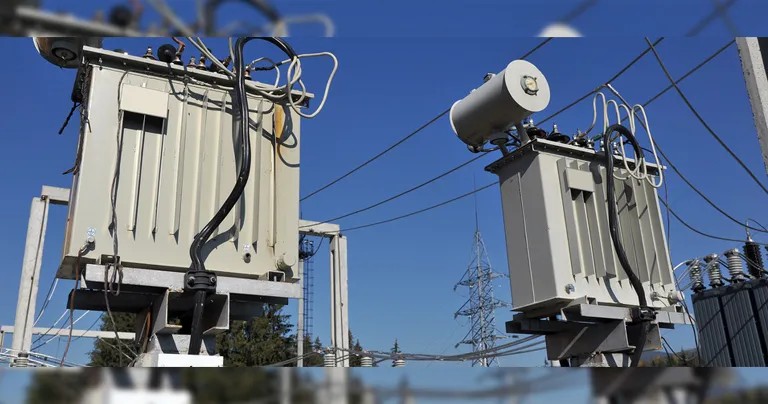
The oil filled power transformer market plays a pivotal role in modern power distribution systems. Oil-filled power transformers are crucial for efficiently stepping up or stepping down electrical voltage, especially in high-voltage applications. Their unique design, which utilizes oil as both a cooling and insulating medium, allows them to manage high electrical loads with reliability. As global energy demand continues to rise, comparing these transformers with other types, such as dry-type and gas-insulated transformers, becomes essential for selecting the most suitable equipment for various energy needs. This article will explore the growth of the oil-filled transformer market and its comparison with alternative transformer technologies.
What Are Oil Filled Power Transformers?
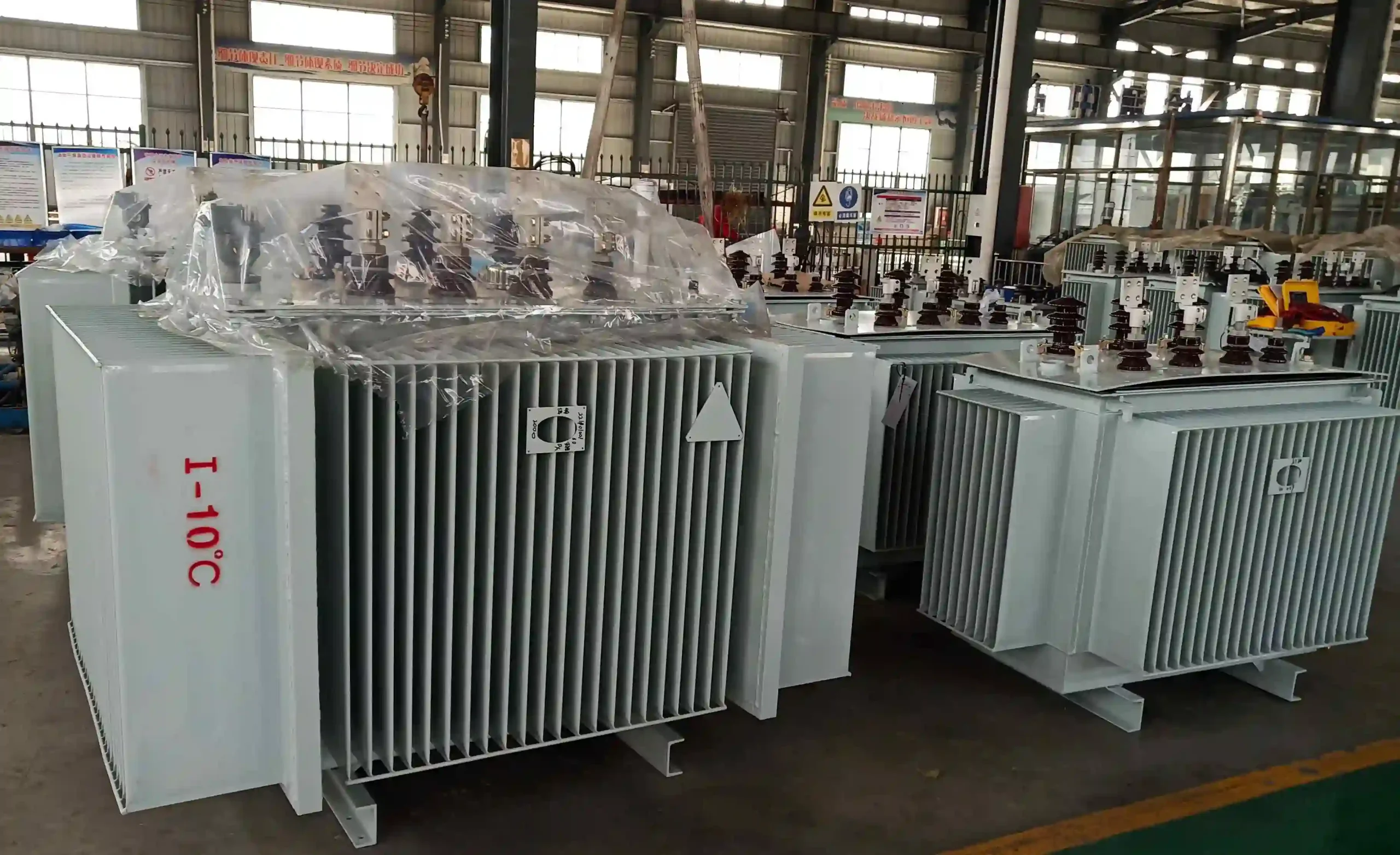
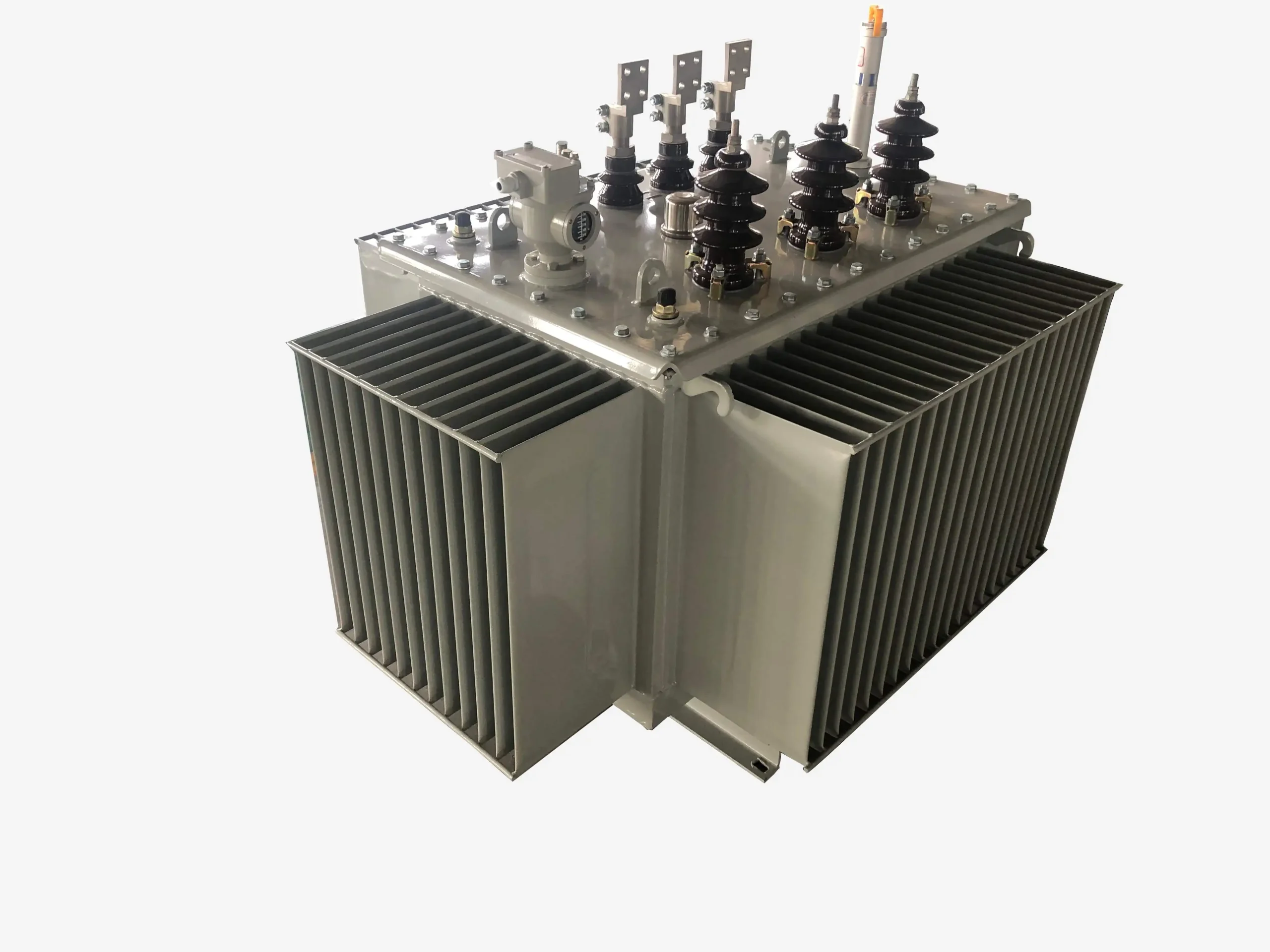
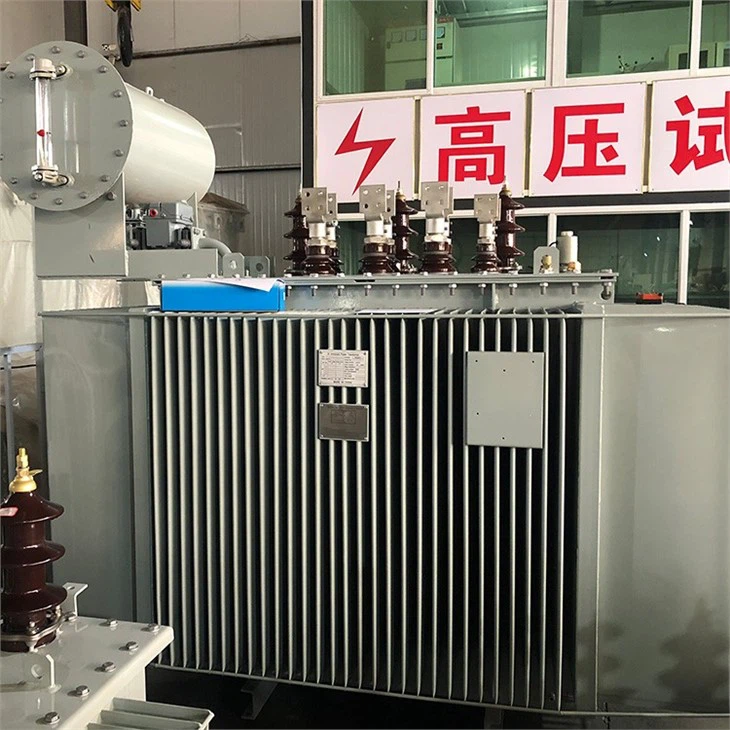
Oil-filled power transformers are integral to the oil filled power transformer market due to their ability to handle high-voltage applications with efficiency and reliability. These transformers consist of key components: a core, windings, and insulating oil. The oil serves both as a coolant and a dielectric medium, preventing electrical discharges while dissipating heat generated by electrical current. The oil-filled design makes these transformers particularly effective in environments where large amounts of electrical power need to be safely transmitted.
Comparison with Other Types of Power Transformers
In comparison to dry-type and gas-insulated transformers, oil-filled transformers offer superior performance in high-voltage applications. The 220 kV oil-immersed power transformer, for instance, provides more efficient cooling and insulation, making it better suited to handle larger electrical loads. Dry-type transformers, which use air as the cooling medium, are limited in their ability to manage heavy electrical currents. Gas-insulated transformers, while more compact and using SF6 gas as an insulating medium, are typically more expensive and require specialized maintenance. Therefore, oil-filled transformers remain the preferred choice for large-scale, high-efficiency applications.
Transformer Comparison Table:
| Transformer Type | Construction | Cooling Method | Maintenance Needs | Efficiency |
|---|---|---|---|---|
| Oil-Filled Power Transformer | Uses oil as an insulating and cooling medium | Oil cooling (natural or forced) | Moderate (periodic oil checks) | High efficiency in high-voltage applications |
| Dry-Type Transformer | Air-cooled, no oil used | Air cooling | Low (no oil changes required) | Suitable for smaller loads and lower voltages |
| Gas-Insulated Transformer | Gas-insulated with SF6 (Sulfur Hexafluoride) | Gas cooling (SF6) | Low (minimal maintenance) | Very efficient for compact spaces and higher voltages |
Market Trends and Growth of the Oil Filled Power Transformer Market
The oil filled power transformer market is experiencing robust growth, driven by increasing industrialization, urbanization, and a rising demand for reliable electricity distribution. Many developing regions, such as Asia-Pacific and Latin America, are expanding their power grids, creating substantial demand for efficient and durable transformers. Additionally, the integration of renewable energy into the grid has added another layer of complexity, making the need for efficient, reliable transformers even more urgent. The 35 kV oil-immersed transformer segment is particularly important in meeting the needs of expanding residential and industrial areas, ensuring that high-quality power is distributed reliably.
Market Growth Factors:
| Growth Factor | Impact |
|---|---|
| Urbanization | Increased demand for electricity due to expanding cities and infrastructure. |
| Industrial Expansion | Industries require high-capacity transformers for reliable power supply. |
| Renewable Energy Integration | Renewable energy sources, such as solar and wind, require transformers for efficient power transmission. |
Benefits of Oil Filled Power Transformers
Oil-filled transformers offer several significant advantages in the oil filled power transformer market:
- Efficient Cooling: The oil provides excellent cooling properties, helping prevent overheating and ensuring the transformer operates optimally under heavy electrical loads.
- Longer Lifespan: By maintaining a stable temperature, oil-filled transformers tend to last longer than dry-type transformers, providing a more cost-effective solution in the long run.
- High Voltage Handling: These transformers are ideal for applications that require the handling of large electrical loads, such as in power plants and substations.
Efficiency Benefits Table:
| Benefit | Explanation |
|---|---|
| High Efficiency | Oil-filled transformers manage heat more effectively, improving overall efficiency. |
| Long Service Life | The cooling effect of the oil extends the lifespan of the transformer, minimizing maintenance and replacement costs. |
| Reliable Performance | These transformers are designed for high-performance, making them ideal for power distribution in critical infrastructure. |
Challenges Faced by Oil Filled Power Transformers
While oil-filled transformers dominate the oil filled power transformer market, they are not without challenges. The most significant concerns include:
- Environmental Impact: Oil leaks can result in soil and water contamination. However, manufacturers are developing biodegradable oils to mitigate this issue.
- Maintenance Requirements: Regular oil checks and maintenance of seals are necessary to ensure optimal performance.
- Fire Hazard: In extreme cases, transformers can pose a fire risk due to the flammability of the oil.
Challenges Overview Table
| Challenge | Explanation |
|---|---|
| Environmental Concerns | Oil leaks can contaminate the environment, requiring proper handling and disposal of used oils. |
| Maintenance Needs | Regular inspections and oil checks are necessary to ensure the transformer operates efficiently and safely. |
| Fire Hazards | The oil used in these transformers can be flammable, particularly if the transformer malfunctions. |
Technological Innovations in Oil Filled Power Transformers
Advancements in the oil filled power transformer market have focused on improving safety, efficiency, and sustainability. Some notable innovations include:
- Eco-Friendly Oils: The shift towards biodegradable oils helps reduce the environmental footprint of oil-filled transformers.
- Smart Monitoring: Real-time monitoring systems can track key parameters such as oil temperature and pressure, enhancing transformer safety and efficiency.
- Improved Cooling Technologies: Newer models incorporate enhanced cooling systems that provide better heat dissipation, improving transformer reliability and performance.
Technological Innovation Table
| Innovation | Benefit |
|---|---|
| Eco-Friendly Oils | Reduces environmental impact, offering safer operation in case of leaks. |
| Smart Monitoring | Improves transformer reliability by enabling predictive maintenance and minimizing unexpected failures. |
| Enhanced Cooling | Increases transformer lifespan and efficiency by preventing overheating. |
Conclusion
Oil-filled power transformers are an essential part of the oil filled power transformer market, offering high efficiency and reliability in high-voltage applications. Despite challenges such as environmental concerns and maintenance costs, technological advancements such as eco-friendly oils and smart monitoring systems are improving the sustainability and safety of these transformers. As global energy demand continues to rise, oil-filled transformers will remain a critical component in the evolving power grid.
FAQ
What are the key advantages of oil-filled power transformers?
Oil-filled power transformers are highly valued in the oil filled power transformer market due to their efficient cooling and insulation capabilities. The oil used in these transformers absorbs heat from the core and windings, preventing overheating and ensuring smooth operation under heavy electrical loads. The oil also enhances the dielectric strength, improving the transformer’s reliability.
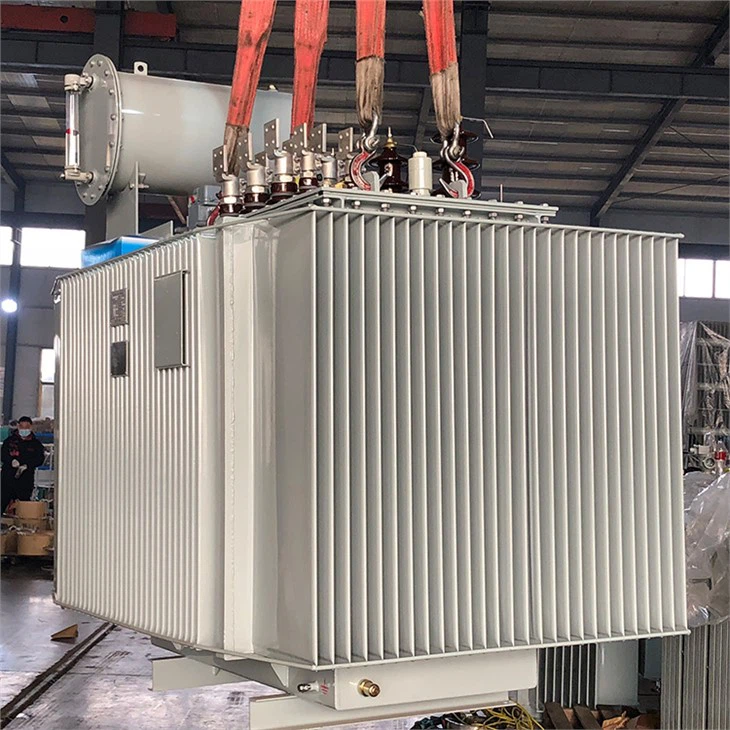
With proper maintenance, oil-filled transformers typically have a longer lifespan compared to dry-type transformers. These advantages make them a cost-effective and durable solution for high-voltage applications in power plants, substations, and industrial settings.
How do oil-filled transformers compare to dry-type transformers?
Oil-filled transformers are more efficient and reliable than dry-type transformers, especially in high-voltage, high-load applications. The oil filled power transformer market favors these transformers for their superior cooling capacity, which prevents overheating under heavy electrical currents. While dry-type transformers are typically used in lower-voltage applications and confined spaces, they lack the same heat dissipation properties as oil-filled transformers. Oil-filled models also handle larger electrical loads and offer a longer service life, making them ideal for industrial and utility-scale energy distribution, despite requiring more maintenance than their dry-type counterparts.
What are the environmental concerns related to oil-filled transformers?
Oil-filled transformers, while essential for power distribution, present environmental risks if the oil leaks, contaminating soil and water. The oil filled power transformer market is addressing these concerns by developing biodegradable oils, which reduce environmental harm in case of leaks. Additionally, proper disposal and recycling of used oils are critical in minimizing ecological impact. Many manufacturers now use oils that are less flammable and more environmentally friendly, improving the sustainability of oil-filled transformers. Although the environmental risks are real, these improvements are helping mitigate the potential damage from oil-related incidents.