
How To Choose Oil Cooled Power Transformer?
-
oil cooled power transformer selection covering cooling, insulation, efficiency, and cost for reliable power system performance.
Introduction: Key Factors in Oil Cooled Power Transformer Selection
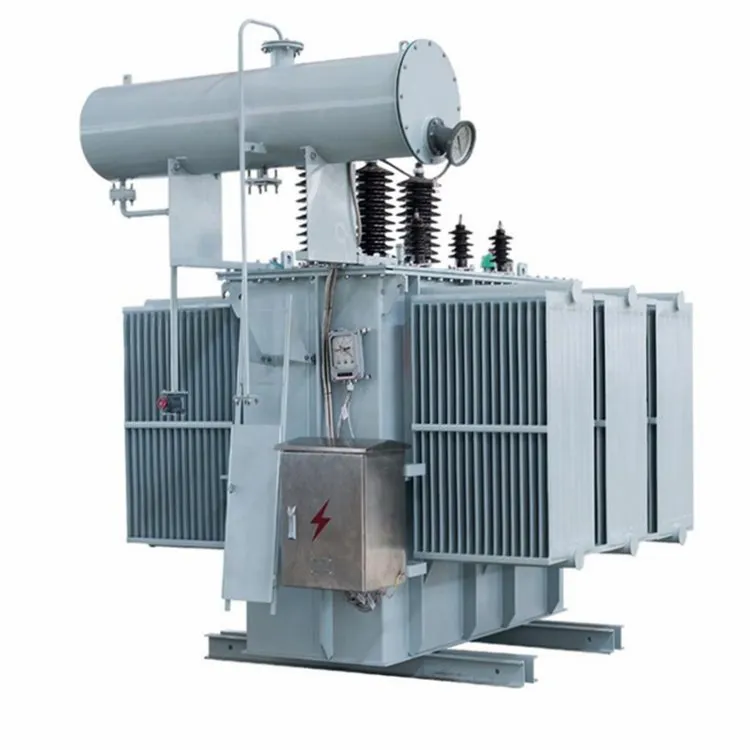
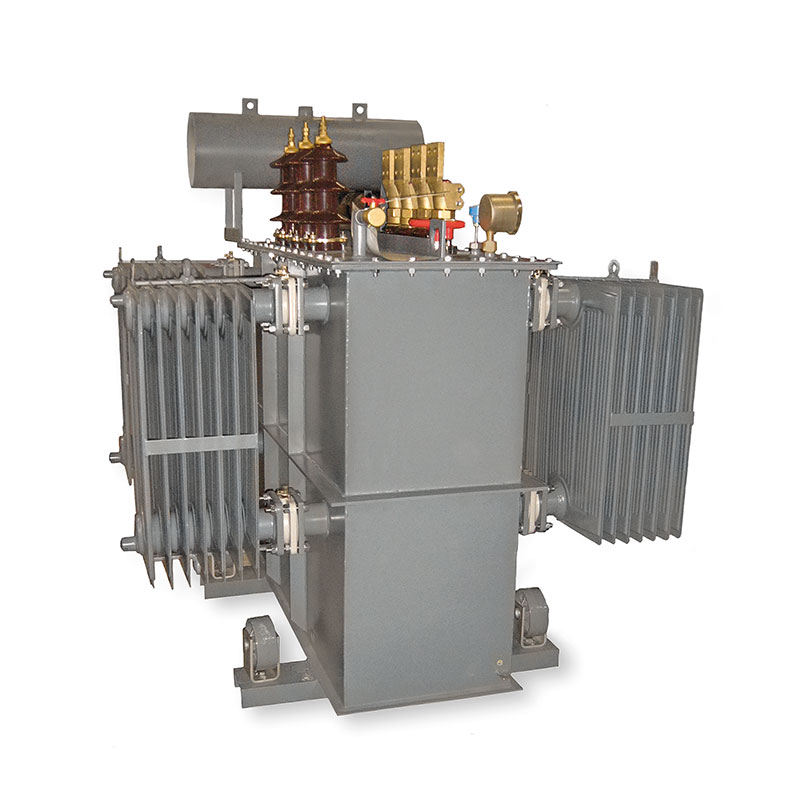
Selecting an oil cooled power transformer demands accurate technical evaluation and structured planning. Power systems require stable voltage and efficient energy transfer at all times. Transformer oil delivers both insulation and effective heat dissipation. Proper selection lowers failure risks and strengthens operational reliability. Industrial and utility applications depend on consistent transformer performance. Engineers must assess cooling methods, insulation systems, and load requirements carefully. Environmental conditions influence durability, safety, and long-term stability. A properly matched unit enhances efficiency and reduces maintenance frequency. Decision makers gain value from clear insight into structural and operational factors. Thorough planning supports reliable and continuous energy distribution.
Core Principles of Transformer Operation
An oil cooled power transformer operates through electromagnetic induction between primary and secondary windings. Magnetic cores guide flux efficiently and minimize energy loss. Heat develops due to resistance and magnetic effects during operation. Oil absorbs heat and transfers it toward the tank surface. Insulation oil prevents electrical discharge between internal components. Proper circulation maintains consistent temperature distribution within the unit. High dielectric strength ensures reliable insulation under varying loads. Windings and core must remain thermally balanced during operation. Structural design affects both efficiency and durability significantly. Reliable operation depends on coordinated electrical and thermal systems.
Cooling Systems and Thermal Performance
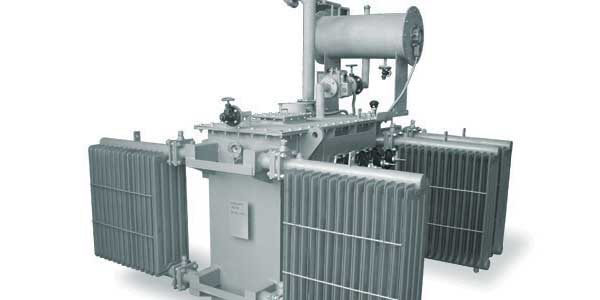
Cooling systems determine how effectively heat is removed from the transformer. Natural cooling relies on oil convection and surrounding air movement. Forced systems use pumps and fans to enhance heat dissipation. ONAN suits moderate loads with simple structure and lower maintenance needs. ONAF and OFAF systems handle higher load conditions efficiently. Each configuration impacts energy use and operational stability. Engineers must match cooling type with actual load requirements. Effective cooling reduces insulation aging and improves lifespan. Temperature control remains critical for safe transformer operation. Proper system selection ensures stable performance under varying conditions.
Insulation Structure and Oil Quality
Insulation performance depends on both liquid and solid materials inside the transformer. Mineral oil offers cost advantages and reliable dielectric properties. Ester-based oils improve fire resistance and environmental compatibility. Moisture contamination reduces insulation strength and accelerates aging processes. Cellulose insulation interacts with oil under thermal stress conditions. Elevated temperatures speed up chemical degradation of materials. Regular oil analysis ensures stable chemical composition and performance. Oxidation resistance determines long-term oil durability and reliability. Engineers must verify compatibility between oil and insulation systems. Proper selection enhances safety and extends service life.
Capacity Planning and Load Matching
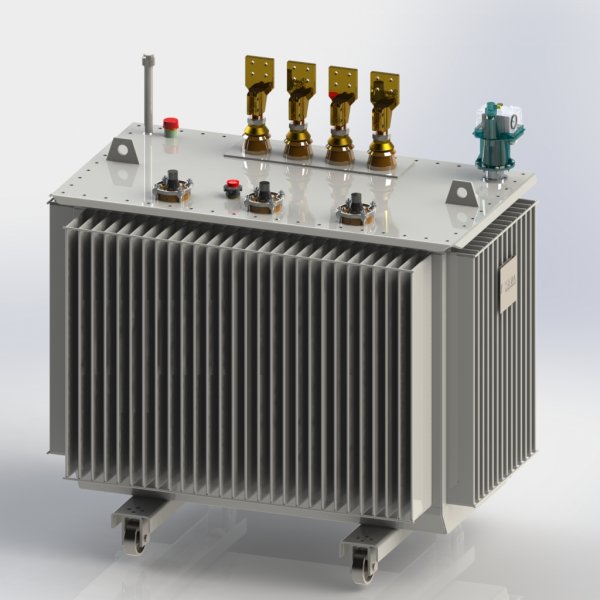
Correct capacity selection ensures stable operation and long-term efficiency. Load demand must align closely with rated transformer capacity. Overloading increases temperature and reduces insulation lifespan significantly. Undersized units may fail during peak demand conditions. Engineers evaluate load profiles and future expansion requirements carefully. Thermal limits define safe boundaries for winding performance. A 110 kv oil-immersed power transformer supports high-voltage transmission systems effectively. Accurate sizing reduces energy losses and operational risks. Balanced capacity improves reliability and efficiency across the system. Strategic planning supports sustainable infrastructure growth.
Efficiency Improvement and Loss Management
Efficiency plays a key role in transformer performance and operating cost. Core losses occur due to hysteresis and eddy current effects. Copper losses result from electrical resistance within winding conductors. High-quality materials reduce both loss types effectively. Advanced core design improves magnetic performance and efficiency. Energy-efficient transformers reduce electricity consumption over time. Regulatory standards often define acceptable efficiency levels. Optimized designs balance cost with long-term operational performance. Reduced losses support environmental and economic goals. Engineers prioritize efficiency to achieve sustainable system operation.
Safety Design and Environmental Impact
Safety remains essential when selecting transformer equipment for any application. Oil-filled transformers carry risks of fire and leakage under fault conditions. Modern designs include protection systems such as pressure relief devices. Fire-resistant oils improve safety in sensitive environments significantly. Environmental regulations require proper containment and spill management systems. Engineers must consider installation location and surrounding conditions carefully. Compliance ensures reliable and safe long-term operation. Proper design reduces accident risks and maintenance complexity. Environmental awareness supports sustainable infrastructure development. Safety-focused decisions enhance overall system stability.
Installation Requirements and Site Conditions
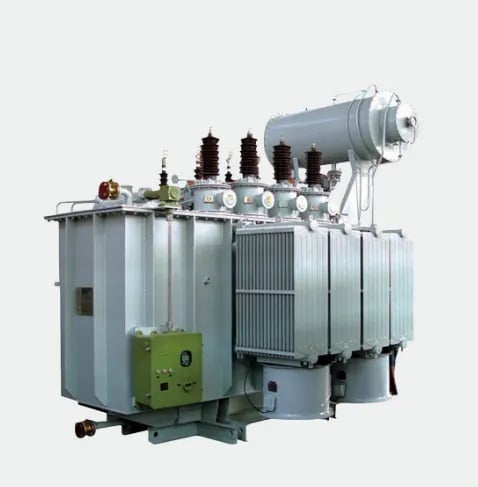
Installation conditions strongly influence transformer performance and durability. Outdoor installations require protection from weather and environmental exposure. Indoor setups demand proper ventilation and fire safety measures. Altitude affects cooling efficiency and insulation performance significantly. Space limitations may restrict transformer size and configuration. Noise levels must comply with regulatory and environmental standards. Engineers evaluate site conditions before selecting specifications carefully. Proper installation improves efficiency and operational lifespan. Environmental compatibility ensures consistent long-term performance. Detailed planning prevents future operational constraints.
Maintenance Planning and Lifecycle Cost
Maintenance directly impacts transformer reliability and long-term cost efficiency. Regular oil testing detects moisture, acidity, and contamination levels. Preventive maintenance reduces unexpected failures and downtime risks. Monitoring systems provide real-time data for performance evaluation. A 35 kv oil-immersed transformer requires periodic inspection and oil treatment. Maintenance frequency depends on load conditions and environmental factors. Lifecycle cost includes installation, operation, and maintenance expenses. Effective maintenance extends service life and improves performance. Proper planning reduces long-term operational costs significantly. Reliable maintenance ensures consistent system operation.
Cooling Method Comparison
| Cooling Type | Cooling Method | Efficiency Level | Maintenance Requirement |
|---|---|---|---|
| ONAN | Natural Oil and Air | Moderate | Low |
| ONAF | Oil Natural Air Forced | High | Medium |
| OFAF | Oil Forced Air Forced | Very High | High |
Insulation Oil Type Comparison
| Oil Type | Dielectric Strength | Fire Resistance | Environmental Impact |
|---|---|---|---|
| Mineral Oil | High | Moderate | Low |
| Natural Ester | Very High | High | Biodegradable |
| Synthetic Ester | Very High | Very High | Moderate |
Key Selection Checklist
- Evaluate load demand and future expansion needs
- Select suitable cooling system based on application
- Verify insulation material and oil quality standards
- Assess installation environment and safety requirements
- Analyze efficiency ratings and energy loss levels
- Plan maintenance strategy and lifecycle cost
- Ensure compliance with industry standards
Integrated Selection Strategy and Technical Evaluation
Selecting an oil cooled power transformer requires balancing technical performance with economic considerations. Cooling systems and insulation materials must align with operational demands. Tables above present clear comparisons of cooling efficiency and oil properties. Buyers should combine technical data with actual site conditions. Proper selection reduces operational risks and improves efficiency. Maintenance planning ensures long-term reliability and stable performance. Engineers must evaluate both current and future system requirements. Strategic decisions support cost-effective and durable solutions. Comprehensive evaluation ensures optimal transformer performance. Strong technical insight leads to confident decision making.
Conclusion: Achieving Reliable Transformer Performance
Reliable transformer selection depends on detailed evaluation and structured planning. Oil cooled power transformer systems require balanced thermal and electrical design. Proper insulation and cooling improve efficiency and extend operational lifespan. Engineers must consider safety, environment, and maintenance factors together. Strategic decisions reduce risk and enhance system reliability. Accurate selection ensures stable power distribution performance. Advanced designs provide improved efficiency and durability. Decision makers benefit from systematic evaluation methods. Strong planning supports long-term infrastructure development. Effective selection ensures consistent and reliable operation.
FAQ
How long does an oil cooled power transformer last?
An oil cooled power transformer typically operates between 25 and 40 years. Lifespan depends on load conditions, maintenance quality, and environmental factors. Proper cooling and insulation extend operational life significantly. Regular oil testing helps identify early signs of degradation. Moisture control and temperature management are critical for longevity. High-quality materials improve durability under continuous operation. Preventive maintenance reduces the risk of unexpected failures. Monitoring systems enhance condition assessment accuracy. Aging mainly affects insulation and oil properties over time. Consistent care ensures reliable long-term performance.
What oil is best for transformer cooling?
Mineral oil remains widely used due to cost efficiency and availability. Ester-based oils offer better fire safety and environmental performance. Natural esters provide biodegradability and improved moisture tolerance. Synthetic esters deliver excellent thermal stability and oxidation resistance. Oil selection depends on application requirements and safety standards. Urban installations often prefer fire-resistant fluids. Industrial applications may prioritize performance and cost balance. Proper oil improves both insulation and cooling efficiency. Engineers must evaluate dielectric strength and aging behavior carefully. Selecting suitable oil enhances reliability and operational safety.
How often should transformer oil be tested?
Transformer oil should be tested at least once per year. Critical systems may require more frequent inspection and analysis. Key tests include moisture content, acidity, and dielectric strength measurement. Dissolved gas analysis helps detect internal faults early. Regular monitoring ensures stable chemical and electrical properties. Environmental conditions may influence testing intervals significantly. Preventive testing reduces risk of unexpected equipment failure. Maintenance teams use results to plan corrective actions. Consistent testing supports long-term efficiency and reliability. Proper oil management extends transformer service life.