
What Is Oil Filled Power Transformer And Where Is It Used?
-
oil filled power transformer definition, components, applications, and comparison with dry type systems in electrical power infrastructure.
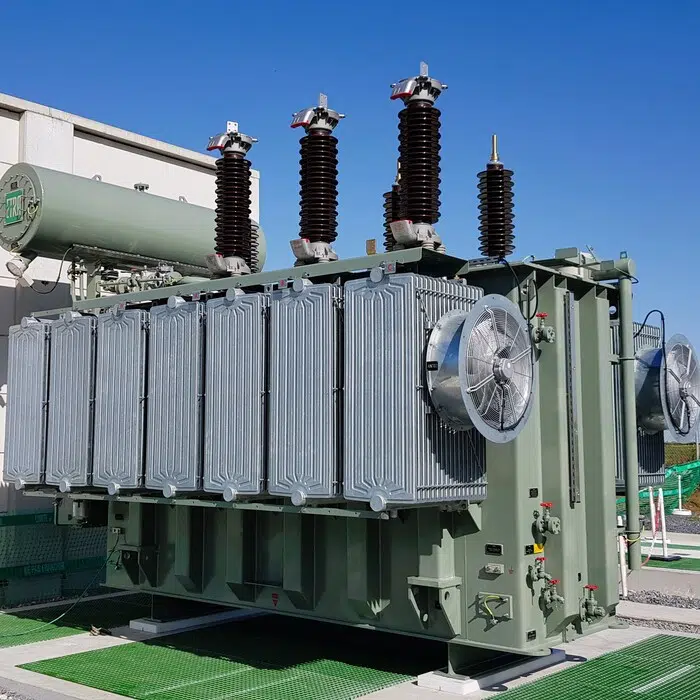
Introduction to oil filled power transformer fundamentals
An oil filled power transformer operates using insulating oil for cooling and electrical insulation. Engineers rely on this system for stable voltage regulation. Electrical energy transfers between windings through electromagnetic induction inside the core. Insulating oil surrounds internal components and prevents dielectric breakdown. Cooling performance improves through natural or forced oil circulation. Industrial grids depend on this design for high voltage reliability. Proper design ensures safety, efficiency, and long service life. Utilities deploy oil filled power transformer systems widely across transmission and distribution infrastructure worldwide.
What is oil filled power transformer and how does it work?
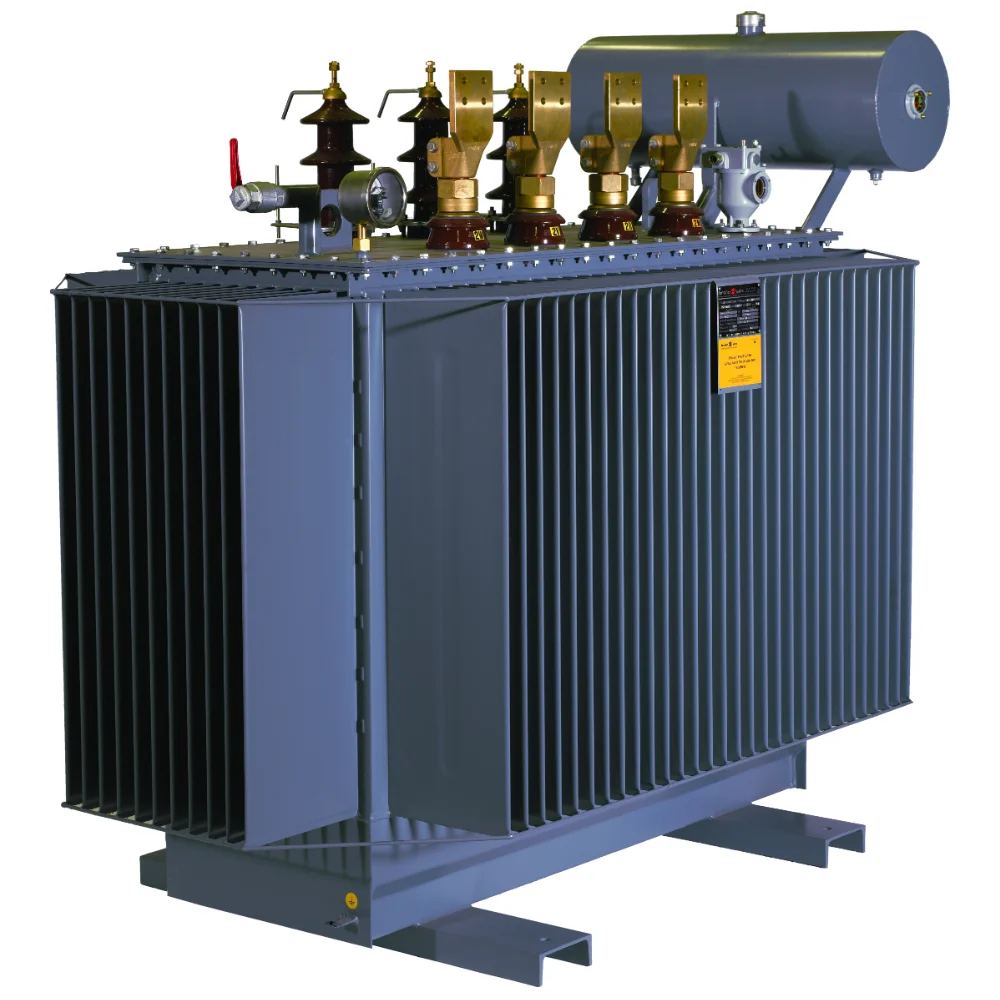
An oil filled power transformer converts voltage levels through electromagnetic coupling. Laminated steel cores guide magnetic flux efficiently between primary and secondary windings. Copper or aluminum conductors carry electrical current through insulated coils. Transformer oil fills the tank and removes heat from energized parts. Thermal energy transfers to radiator fins for dissipation into ambient air. Dielectric strength of oil prevents arcing between internal conductors. Conservators maintain oil volume during temperature changes. Breathers control moisture ingress using silica gel systems. Reliable operation depends on stable insulation and effective heat management.
Core components of oil filled transformer systems
Every oil filled power transformer includes critical mechanical and electrical components. The magnetic core uses silicon steel laminations to reduce eddy current losses. Windings consist of precisely insulated copper or aluminum conductors. The main tank houses oil and protects internal assemblies from contamination. Conservators store excess oil and compensate for thermal expansion. Bushings provide safe electrical connections through the tank wall. Radiators increase cooling surface area for efficient heat release. Tap changers adjust voltage output under varying load conditions. Each component contributes to stable and efficient transformer operation.
Types of insulating oil used in transformer applications
Different oils provide unique performance characteristics in transformer systems. Mineral oil remains widely used due to cost efficiency and stable dielectric properties. Synthetic oils offer improved oxidation resistance and longer operational life. Natural ester fluids provide biodegradable and environmentally friendly alternatives. Silicone-based fluids deliver high thermal stability in extreme conditions. Selection depends on operating temperature, safety requirements, and environmental regulations. Engineers evaluate viscosity, flash point, and dielectric strength carefully. Proper oil selection improves reliability and reduces maintenance frequency in oil filled power transformer systems.
Advantages of oil filled transformer technology in power grids
Oil filled power transformer designs deliver superior thermal performance in high load conditions. Efficient cooling allows continuous operation under heavy electrical demand. Insulating oil enhances dielectric strength and prevents internal faults. Long service life reduces replacement costs for utility operators. Maintenance procedures remain well established across global industries. Load handling capacity supports large-scale transmission infrastructure. Flexible design accommodates different voltage levels and configurations. Proven reliability makes these transformers essential in modern power systems.
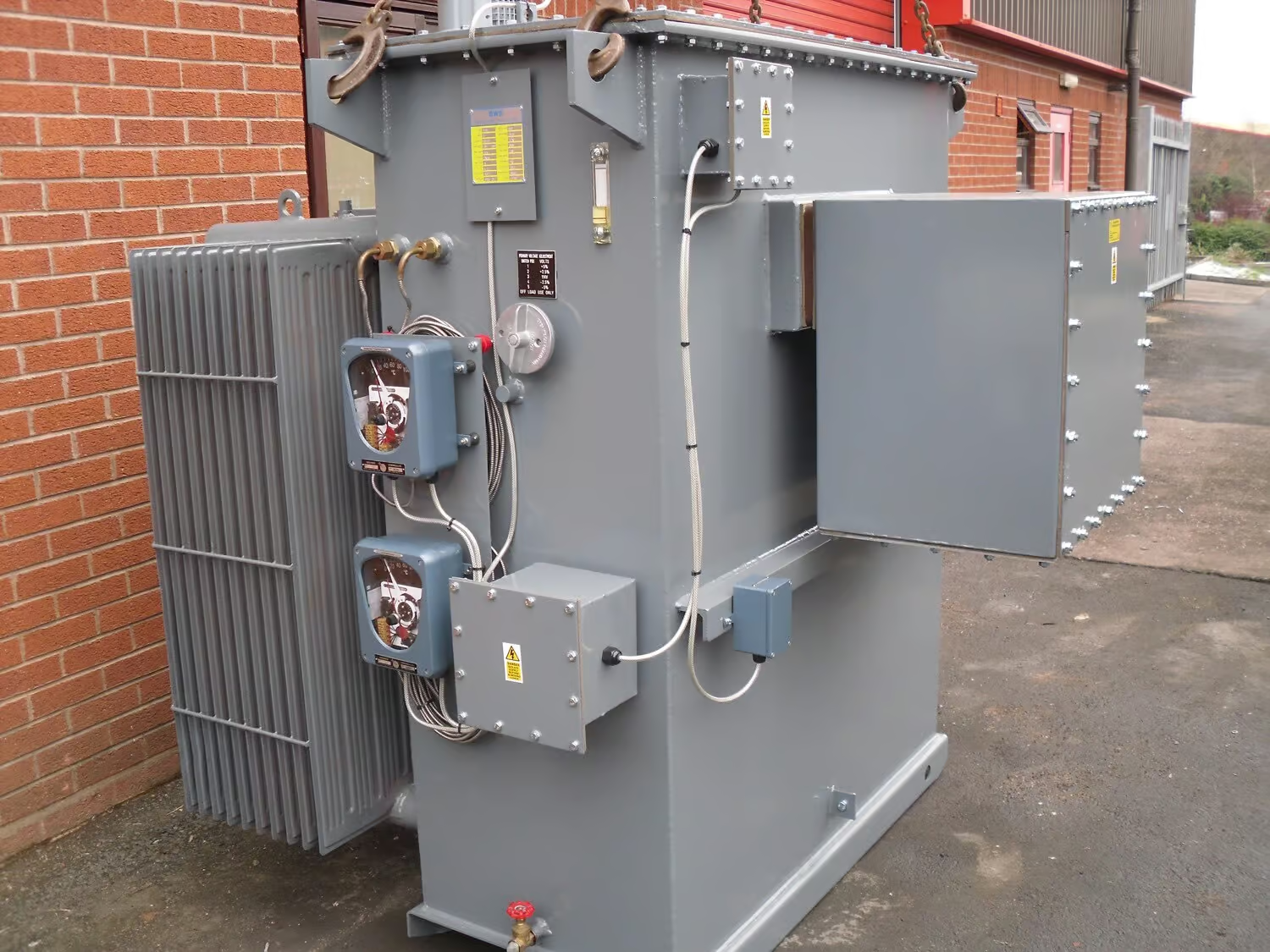
Applications of oil filled power transformer in high voltage transmission
Power generation plants depend on oil filled power transformer units for voltage step-up operations. Transmission networks use these systems for long-distance energy delivery. A 220 kv oil-immersed power transformer supports high capacity transmission lines. These systems handle large loads across regional and national grids. Utilities rely on them for stable voltage control and efficiency. Industrial zones also benefit from high voltage supply reliability. Proper integration ensures minimal energy loss during long-distance transfer.
Applications of oil filled power transformer in regional distribution
Distribution substations rely on oil filled power transformer systems for voltage reduction. A 110 kv oil-immersed power transformer operates effectively in medium transmission stages. These systems deliver power to cities, industries, and commercial zones. Stable voltage output ensures safe operation of electrical equipment. Urban infrastructure depends on consistent power supply from these transformers. Their design supports reliability in variable load conditions. Distribution efficiency improves with proper transformer selection.
Comparison between oil filled and dry type transformers
| Feature | Oil Filled Transformer | Dry Type Transformer |
|---|---|---|
| Cooling Method | Oil circulation | Air cooling |
| Insulation Type | Liquid insulation | Solid insulation |
| Fire Risk | Moderate | Low |
| Maintenance Needs | Regular oil testing | Minimal |
| Application Area | Outdoor and high voltage | Indoor environments |
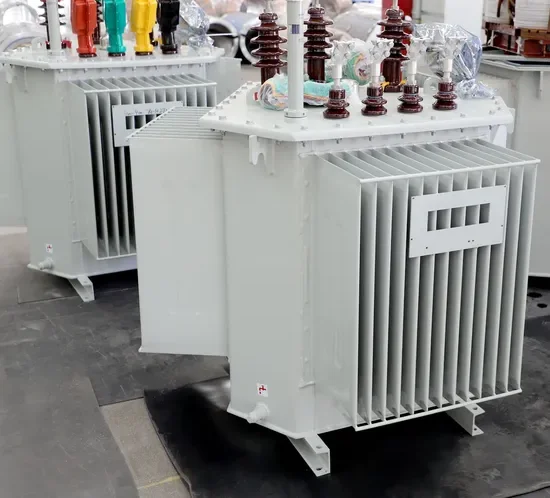
Key differences in performance and application selection
Oil filled power transformer systems perform better in high voltage and outdoor environments. Dry type transformers suit indoor installations with strict fire safety requirements. Cooling efficiency remains higher in oil-based designs under heavy loads. Maintenance requirements differ significantly between both transformer types. Installation cost varies depending on safety and infrastructure needs. Engineers evaluate environmental conditions before selecting transformer types. Each design serves specific operational requirements in electrical systems.
Installation and maintenance considerations for long-term operation
Proper installation ensures optimal performance and operational safety. Site selection must consider ventilation, temperature, and accessibility factors. Oil quality requires periodic testing to detect moisture or contamination. Dissolved gas analysis identifies early signs of internal faults. Routine inspections prevent unexpected equipment failures in critical systems. Protective devices safeguard against overload and short circuit conditions. Skilled technicians perform maintenance following industry standards. Preventive care extends transformer lifespan and reduces operational risks in oil filled power transformer systems.
Key standards governing transformer design and safety
International standards define performance and safety requirements for transformers. IEC standards specify insulation, testing procedures, and efficiency criteria. IEEE guidelines outline design practices and operational limits. Oil quality must meet strict dielectric and chemical stability standards. Compliance ensures reliability in global power infrastructure projects. Certification supports safe integration into national grid systems. Manufacturers follow these standards to maintain product consistency. Regulatory adherence reduces risk and improves operational reliability.
Transformer ratings and selection criteria for efficient power system design
Transformer ratings define voltage capacity and operational boundaries in power systems. Higher voltage levels require enhanced insulation and advanced cooling mechanisms. Selection depends on load demand, grid configuration, and environmental conditions. Engineers evaluate efficiency, cost factors, and long-term reliability carefully. Proper rating selection ensures stable performance across various electrical applications. Accurate sizing minimizes energy losses and improves overall system efficiency. Well-matched ratings also reduce thermal stress on internal components. Balanced design choices extend equipment lifespan and maintain consistent operational safety.
Additional comparison of cooling and insulation performance
| Aspect | Oil Cooling System | Air Cooling System |
|---|---|---|
| Heat Dissipation | High efficiency | Moderate efficiency |
| Insulation Strength | High dielectric strength | Lower dielectric strength |
| Operational Noise | Lower | Higher |
| Environmental Impact | Oil handling required | Minimal |
| Application Scope | High voltage systems | Indoor applications |
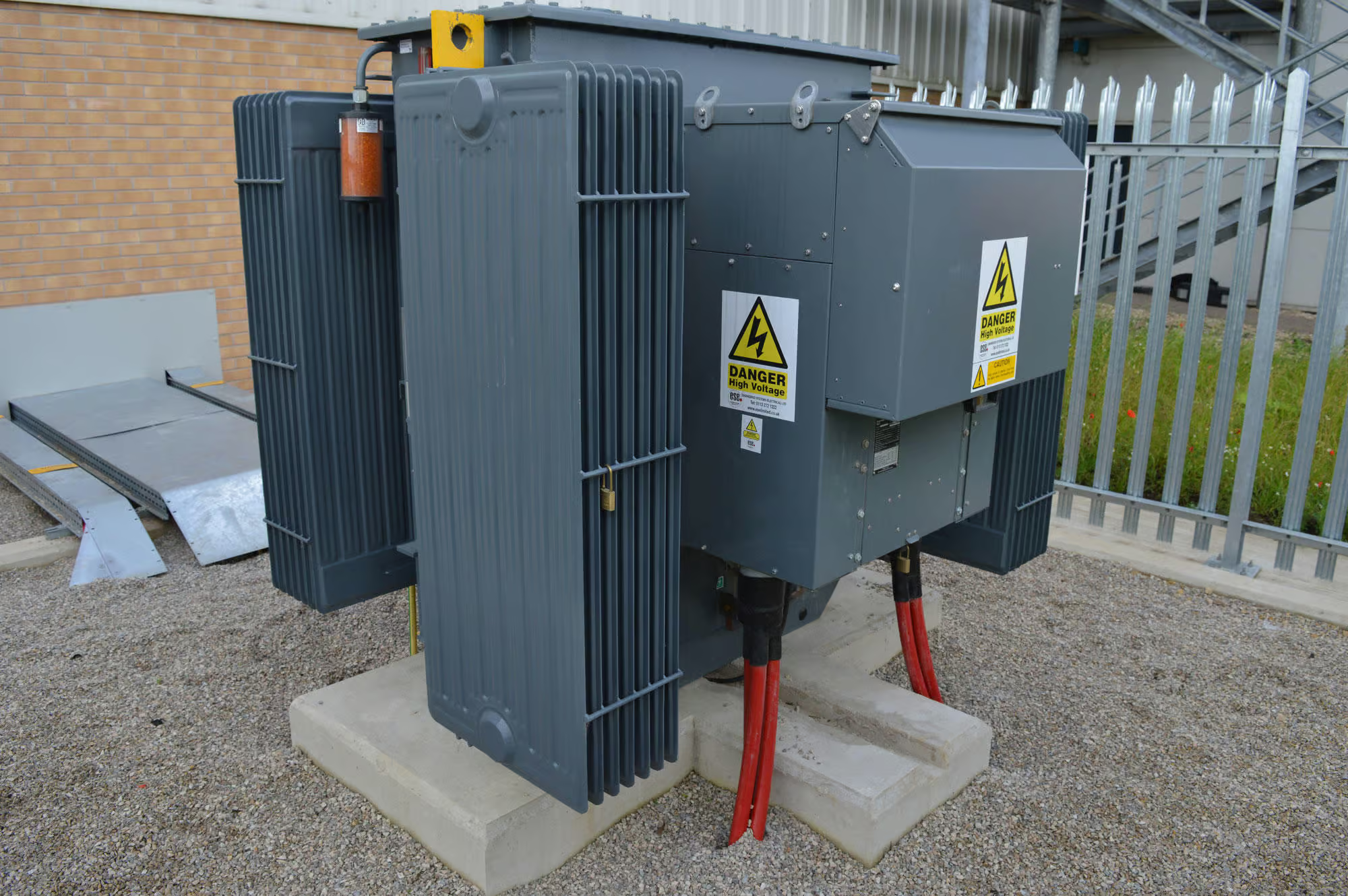
Performance insights based on cooling and insulation design
Cooling and insulation design directly affect transformer efficiency and reliability. Oil-based systems provide superior heat dissipation under continuous heavy loads. Air-cooled designs offer advantages in fire-sensitive indoor environments. Engineers must consider environmental risks and maintenance requirements carefully. Efficient cooling reduces thermal aging of insulation materials significantly. Proper insulation ensures stable voltage performance and prevents electrical faults. Balanced design decisions improve overall system durability and operational safety.
Maintenance checklist for oil filled transformer reliability
- Perform regular oil quality testing and dissolved gas analysis
- Inspect bushings and seals for leakage or damage
- Monitor temperature and load conditions continuously
- Clean cooling radiators to maintain heat dissipation efficiency
- Verify protection systems and alarms regularly
Practical maintenance strategies for consistent performance
Regular maintenance ensures stable operation and prevents unexpected failures. Oil analysis provides insight into internal transformer conditions. Temperature monitoring helps detect abnormal operating behavior early. Cleaning and inspection improve cooling efficiency and safety. Preventive strategies reduce downtime and maintenance costs significantly. Utilities rely on structured maintenance programs for reliability. Consistent practices enhance transformer lifespan and operational stability in oil filled power transformer systems.
FAQ
What is the main function of insulating oil in transformers?
Insulating oil performs two essential functions inside transformer systems. It provides electrical insulation between energized components and grounded parts. This insulation prevents dielectric breakdown under high voltage stress conditions. Additionally, oil transfers heat away from the core and windings efficiently. Thermal management reduces the risk of overheating and insulation failure. Oil also suppresses partial discharge and minimizes oxidation effects. Proper oil quality ensures stable long-term performance. Engineers monitor oil condition through dissolved gas analysis and moisture testing. Consistent maintenance improves operational safety and extends transformer lifespan significantly.
Where are oil filled transformers typically installed?
Oil filled transformers are typically installed in outdoor substations and industrial environments. Power generation plants use them for voltage step-up applications in transmission systems. Utilities deploy these transformers across long-distance electrical networks. Distribution substations rely on them for voltage reduction before supplying consumers. Heavy industries install them to support high power machinery operations. Their design suits harsh environmental conditions and high load demands. Adequate spacing and ventilation ensure safe installation. Protective systems help prevent overload and fault conditions. These transformers remain essential in modern electrical infrastructure worldwide.
How often should transformer oil be tested or replaced?
Transformer oil testing depends on operating conditions and system importance. Most utilities perform oil analysis once every year for standard equipment. Critical transformers may require testing every six months for safety assurance. Dissolved gas analysis helps detect early internal faults effectively. Moisture and acidity levels indicate oil degradation over time. Replacement occurs only when oil fails to meet required standards. Regular monitoring extends oil life and reduces maintenance costs. Preventive testing improves system reliability and minimizes unexpected failures. Consistent inspection practices ensure efficient and safe transformer operation.