
What Is Low Voltage Switchgear And How Does It Work?
-
Low voltage switchgear controls power, protects equipment, and ensures safe electrical distribution with advanced components.
What Is Low Voltage Switchgear And Why It Matters
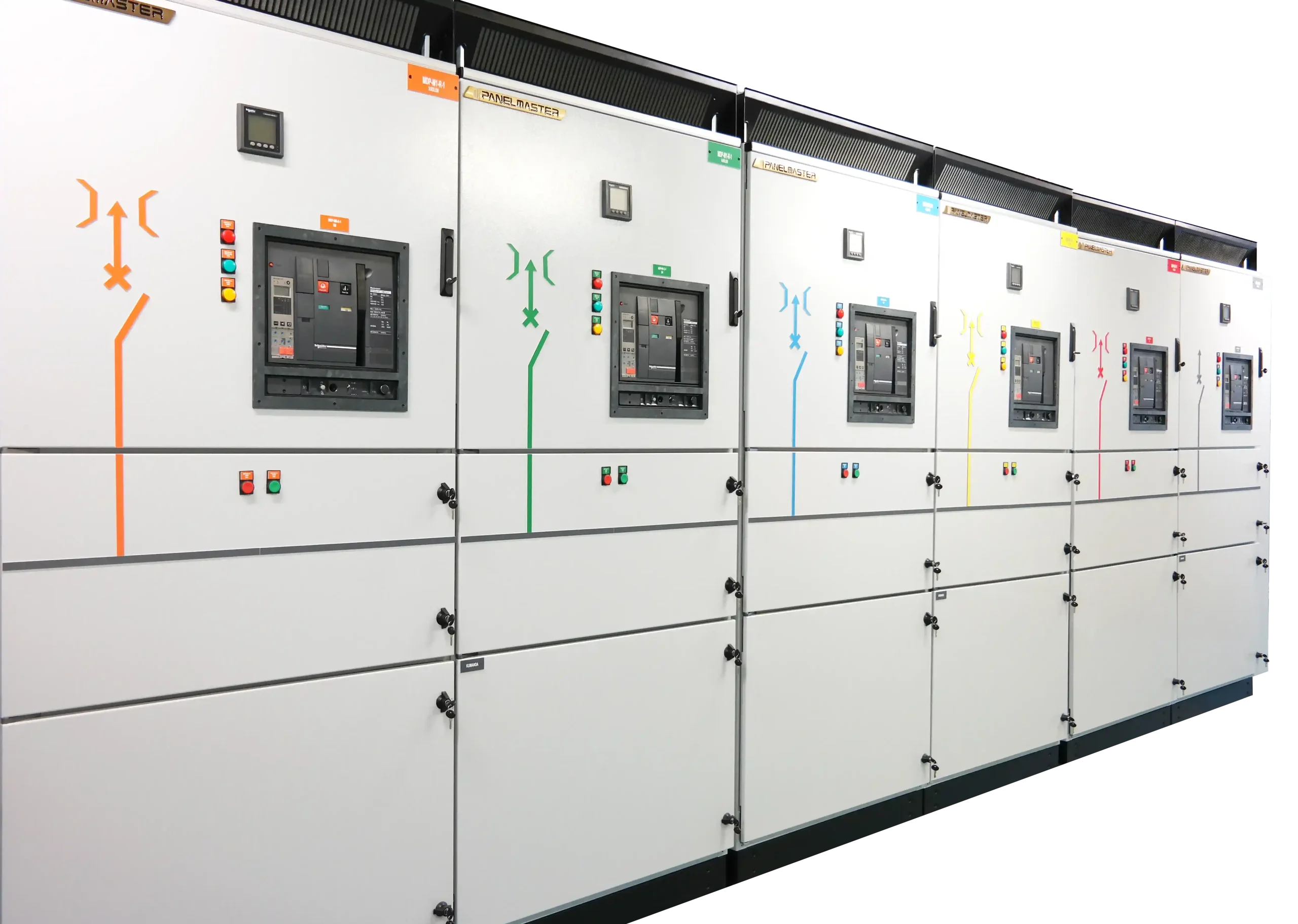
Low voltage switchgear refers to equipment that controls and protects electrical systems below 1000 volts. Engineers rely on low voltage switchgear to ensure stable power distribution in buildings and factories. Electrical faults can damage equipment without proper control systems in place. This equipment isolates faults quickly and prevents cascading failures across networks. Reliable protection improves safety for personnel working near energized systems. Industrial facilities depend on consistent electrical flow to maintain productivity. Modern infrastructure requires advanced control solutions for increasing energy demand. Proper system design reduces downtime and extends equipment lifespan. Effective power management also supports energy efficiency goals across various industries.
Core Components Of Low Voltage Switchgear Systems
Engineers design low voltage switchgear using several critical components that perform specific functions. Circuit breakers interrupt fault currents and prevent equipment damage during abnormal conditions. Air circuit breakers handle high current levels in main distribution panels.Molded case breakers protect branch circuits with precise tripping mechanisms. Busbars distribute electrical power efficiently between connected circuits. Insulation materials prevent short circuits and ensure operational safety. Protection relays monitor electrical parameters and trigger disconnection when needed. Control units enable automation and remote operation capabilities. Enclosures provide physical protection against environmental hazards and accidental contact. Each component must meet strict standards for reliability and performance.
How Low Voltage Switchgear Works In Practice
Low voltage switchgear operates by managing electrical flow from the source to connected loads. Incoming power enters through main breakers and distributes through busbars to outgoing circuits. Sensors continuously monitor current, voltage, and fault conditions within the system. Protection relays analyze data and trigger breakers during abnormal events. Fault isolation prevents damage from spreading across the electrical network. Engineers often compare high / Low-voltage switchgear when designing integrated systems. Coordination between protective devices ensures selective tripping for system stability. Automation systems improve response time and operational efficiency. Proper configuration ensures seamless operation under varying load conditions. Reliable performance depends on accurate calibration and system design.
Types Of Low Voltage Switchgear And Their Configurations
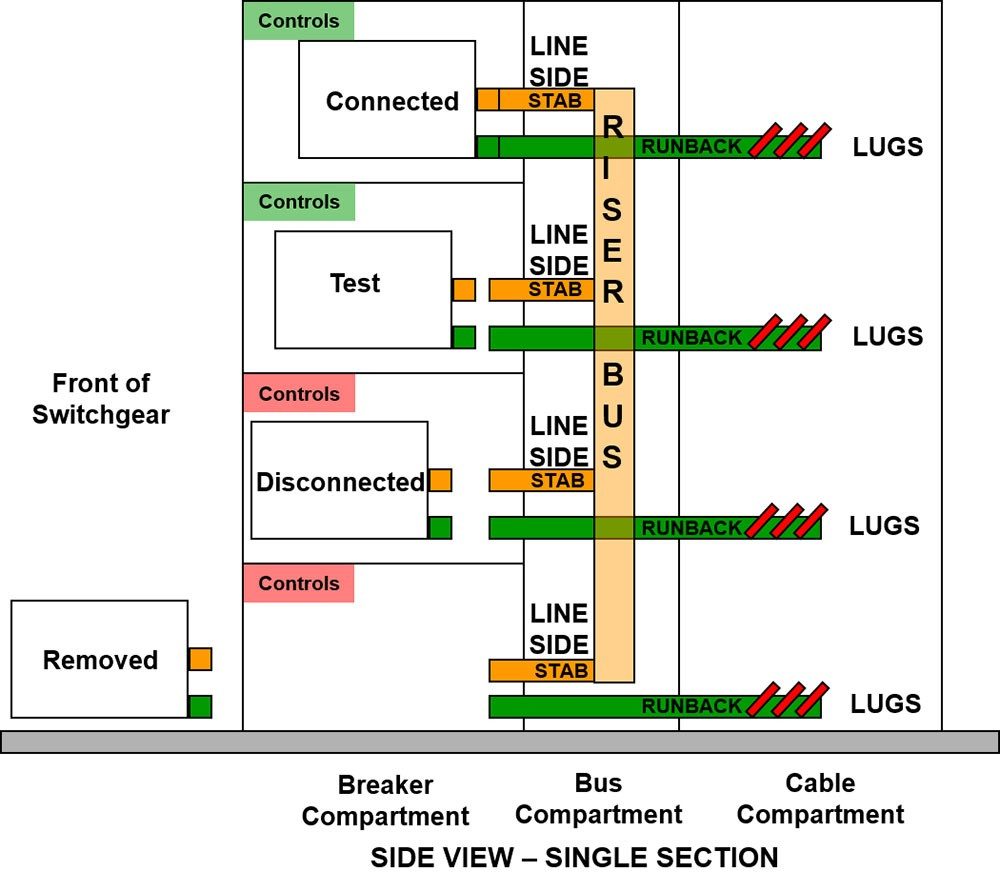
Low voltage switchgear is available in different configurations to meet diverse application requirements. Fixed type systems offer cost-effective solutions for stable installations. Withdrawable designs allow easy maintenance and component replacement without shutdown. Indoor switchgear suits controlled environments such as commercial buildings. Outdoor systems include weather-resistant enclosures for harsh conditions. Modular designs support scalability for expanding electrical networks. Intelligent switchgear integrates digital monitoring and communication features. Each configuration provides specific advantages based on operational needs. Engineers select designs based on safety, accessibility, and flexibility requirements. Proper configuration improves long-term reliability and maintenance efficiency.
Comparison Of Switchgear Types And Features
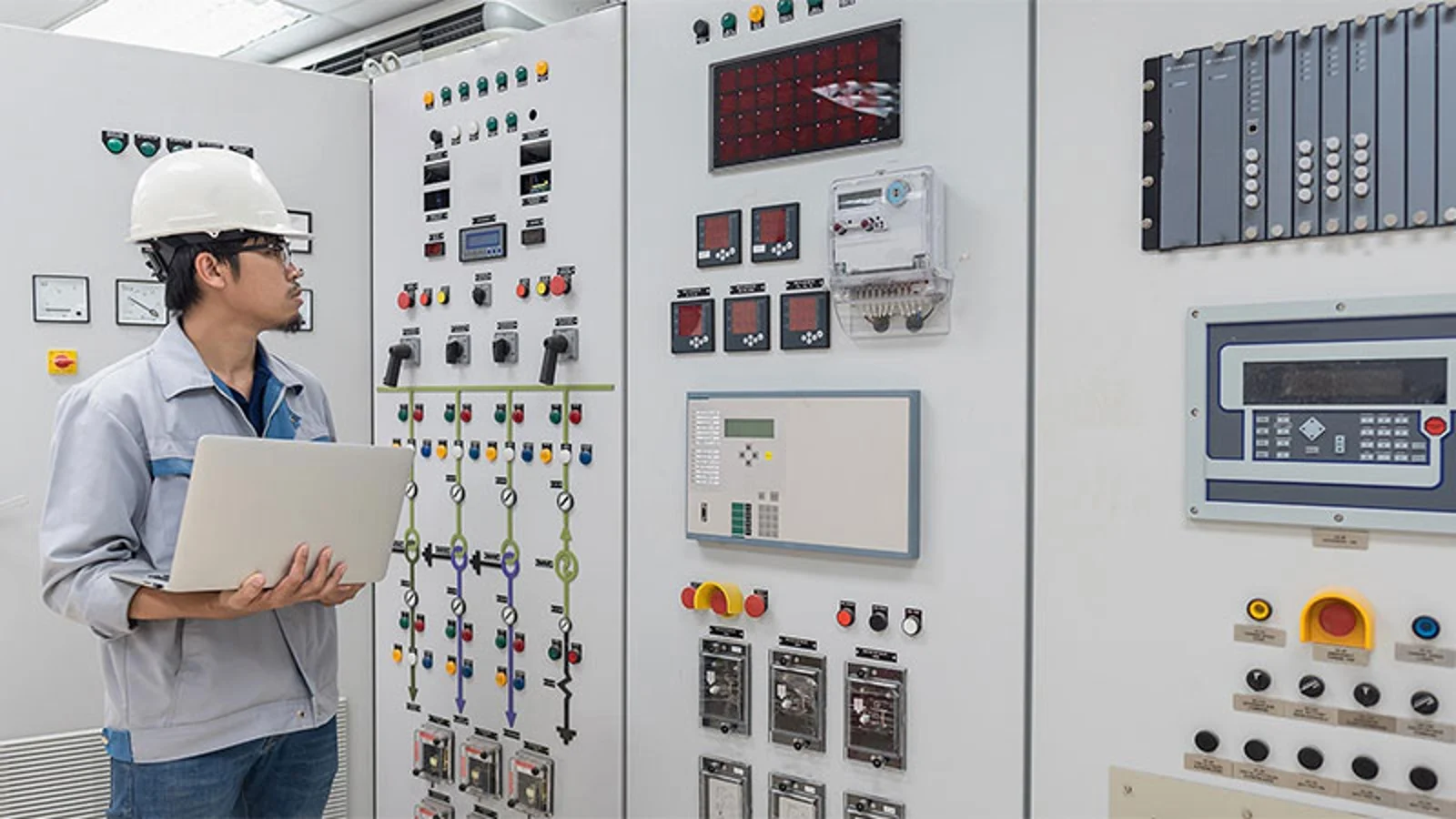
| Type | Structure | Application | Maintenance | Safety Level |
|---|---|---|---|---|
| Fixed | Permanent | Industrial plants | Moderate | High |
| Withdrawable | Removable units | Critical systems | Easy | Very High |
| Indoor | Enclosed | Buildings | Low | High |
| Outdoor | Weatherproof | Utilities | Moderate | High |
Understanding Configuration Differences In Low Voltage Switchgear
Low voltage switchgear configurations influence maintenance efficiency and operational flexibility significantly. Fixed systems require shutdown during servicing, which may impact production schedules. Withdrawable units allow technicians to isolate and service components safely. Indoor systems benefit from controlled environments that reduce exposure to contaminants. Outdoor systems require enhanced sealing to resist moisture and dust. Modular configurations enable future expansion without redesigning entire systems. Intelligent systems provide real-time diagnostics and predictive maintenance capabilities. Engineers evaluate these factors carefully before selecting suitable designs. Proper selection reduces lifecycle costs and improves operational continuity.
Key Technical Specifications And Standards
Low voltage switchgear must comply with international standards to ensure safety and performance. IEC 61439 defines requirements for low-voltage assemblies and testing procedures. ANSI and UL standards specify design and certification criteria in North America. Rated current determines the maximum load capacity of the system. Short-circuit ratings define the ability to withstand fault conditions. Ingress protection ratings indicate resistance to dust and moisture. Temperature rise limits ensure safe operation under continuous load conditions. Engineers must verify compliance during design and installation stages. Standards ensure consistent quality and interoperability across systems.
Performance Comparison Table For Electrical Parameters
| Parameter | Typical Range | Impact | Design Consideration |
|---|---|---|---|
| Rated Voltage | 400–690V | System compatibility | Application needs |
| Current Rating | 630–6300A | Load capacity | Future expansion |
| Short Circuit | 25–100kA | Fault protection | System safety |
| IP Rating | IP30–IP65 | Environmental resistance | Installation location |
How Technical Parameters Influence Low Voltage Switchgear Performance
Low voltage switchgear performance depends heavily on correct parameter selection during design. Rated voltage must match system requirements to avoid insulation failure. Current rating ensures safe handling of operational loads without overheating. Short-circuit capacity protects equipment during extreme fault conditions. IP ratings determine suitability for different environmental conditions. Engineers balance these parameters to optimize safety and efficiency. Incorrect specifications may lead to system failure or increased maintenance costs. Careful planning ensures reliable operation over the equipment lifecycle. Performance optimization supports both safety and operational efficiency goals.
Advantages Of Low Voltage Switchgear In Modern Systems
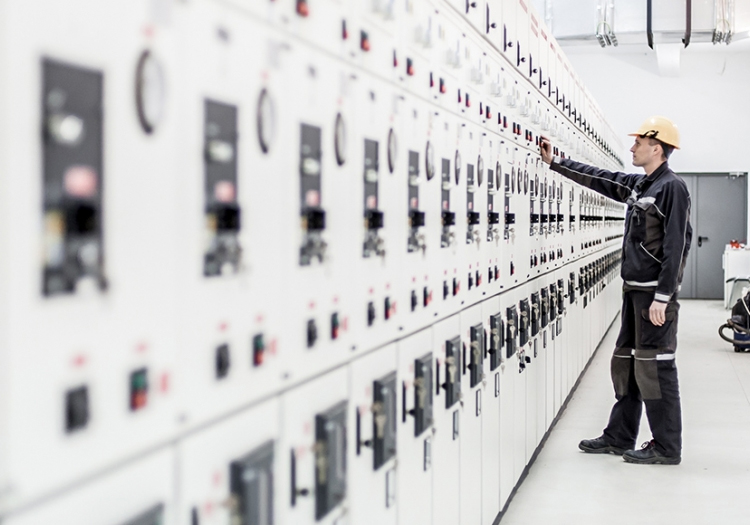
Low voltage switchgear provides significant advantages for modern electrical infrastructure. Enhanced safety features protect personnel from electrical hazards and arc faults. Reliable fault isolation reduces downtime and prevents equipment damage. Efficient design improves energy distribution across complex systems. Modular structures support scalability for growing operational demands. Automation capabilities enable remote monitoring and control functions. Maintenance processes become simpler with accessible component layouts. Industries benefit from reduced operational risks and improved system stability. Advanced protection ensures compliance with evolving safety standards. These advantages make it essential in modern power distribution networks.
Selection Criteria For Engineers And Buyers
Selecting low voltage switchgear requires careful evaluation of multiple technical factors. Load analysis determines required capacity and future expansion needs. Environmental conditions influence enclosure design and protection ratings. Compliance with standards ensures safety and regulatory approval. Engineers must consider lifecycle costs including installation and maintenance. Digital monitoring capabilities improve system visibility and control. Reliability requirements vary depending on application criticality. Proper selection reduces operational risks and enhances system performance. Strategic planning ensures long-term efficiency and cost-effectiveness.
Installation And Maintenance Best Practices
Low voltage switchgear installation requires strict adherence to engineering guidelines and safety procedures. Proper alignment and secure connections ensure reliable operation. Technicians must verify insulation integrity before energizing the system. Routine inspections identify potential issues before they cause failures. Thermal imaging helps detect overheating components early. Preventive maintenance reduces unexpected downtime and repair costs. Cleaning and tightening connections maintain optimal performance levels. Documentation of maintenance activities supports long-term system management. Following best practices ensures consistent and safe operation.
Maintenance Checklist Table For Switchgear Systems
| Task | Frequency | Tools Required | Risk Level |
|---|---|---|---|
| Visual inspection | Monthly | Basic tools | Low |
| Thermal scan | Quarterly | Thermal camera | Medium |
| Connection tightening | Annually | Torque wrench | Medium |
| Breaker testing | Annually | Test equipment | High |
Ensuring Reliability Through Low Voltage Switchgear Maintenance
Low voltage switchgear reliability depends on consistent and well-planned maintenance practices. Regular inspections help identify wear and potential faults early. Thermal scanning reveals hidden issues that are not visible during routine checks. Tightening connections prevents overheating and energy loss. Testing breakers ensures proper operation during fault conditions. Maintenance schedules should align with operational demands and environmental factors. Skilled technicians play a key role in maintaining system integrity. Proper maintenance extends equipment lifespan and reduces unexpected failures. Consistent practices ensure safe and efficient electrical system performance.
Future Trends In Low Voltage Power Distribution
Low voltage switchgear continues evolving with advancements in digital technology and energy management. Smart systems integrate sensors and communication protocols for real-time monitoring. Predictive maintenance uses data analytics to prevent unexpected failures. Energy efficiency improvements reduce operational costs and environmental impact. Integration with renewable energy systems supports sustainable power solutions. Automation enhances system responsiveness and reduces manual intervention. Engineers adopt advanced technologies to improve system reliability and performance. Future developments will focus on smarter and more efficient power distribution solutions.
FAQ
What is the primary purpose of low voltage switchgear?
Low voltage switchgear primarily controls, protects, and isolates electrical equipment in power distribution systems. It ensures safe operation by detecting faults and disconnecting affected circuits quickly. This process prevents damage to connected equipment and reduces safety risks. Engineers use it to manage electrical flow efficiently across different applications. Reliable protection systems also help maintain continuous operations in industrial environments. Without proper switchgear, electrical faults could lead to severe failures or hazards. Its design focuses on safety, reliability, and operational efficiency. Effective systems improve both performance and long-term system stability.
What is the difference between low and high voltage switchgear?
Low voltage switchgear operates at voltages up to 1000 volts, while high voltage systems handle much higher levels. The design differences focus on insulation, protection mechanisms, and safety requirements. High voltage systems require larger clearances and more complex insulation materials. Low voltage systems are more compact and commonly used in commercial applications.
Protection methods also vary due to different fault characteristics. Engineers select systems based on voltage level and application needs. Both types play essential roles in electrical distribution networks. Proper selection ensures safe and efficient power management.
How often should switchgear systems be inspected?
Switchgear systems should be inspected regularly to maintain safety and performance. Monthly visual inspections help identify obvious issues such as damage or contamination. Quarterly thermal scans detect overheating components that may fail soon. Annual testing ensures breakers and protection devices operate correctly. Maintenance frequency may increase in harsh environments or critical applications. Engineers often adjust schedules based on system usage and risk levels. Consistent inspection reduces unexpected failures and extends equipment lifespan. Proper maintenance planning ensures reliable and safe system operation over time.