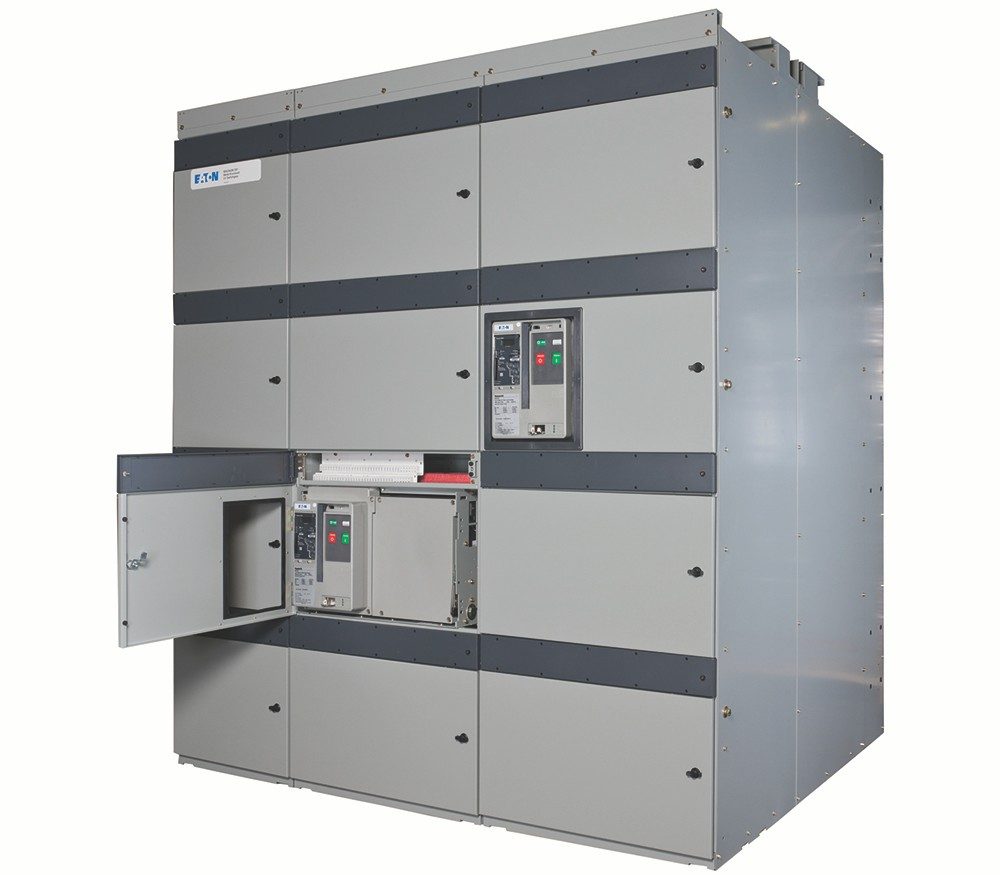
How To Choose Low Voltage Switchgear?
-
Low voltage switchgear selection balances safety, ratings, standards, and cost to ensure stable distribution and reliable performance.
Introduction to Low Voltage Switchgear and Its Role in Power Systems
Low voltage switchgear is essential in modern electrical distribution networks. It controls, protects, and isolates electrical equipment in daily operations. Engineers depend on low voltage switchgear to maintain stable and safe power flow. Every industrial and commercial facility requires reliable switching solutions. Poor equipment choices can lead to system instability and safety risks. Many environments demand customized configurations for optimal performance. Electrical failures often cause downtime and financial losses. Careful selection improves both efficiency and operational continuity. Different industries require tailored approaches for system design. Understanding the fundamentals helps decision makers avoid costly mistakes.
Why Choosing the Right Low Voltage Switchgear Matters
Proper selection ensures safety and long-term operational stability. Low voltage switchgear directly impacts equipment protection and system reliability. Fault conditions require fast response to prevent damage. Incorrect configurations increase the risk of system failure. Businesses often face financial losses due to unexpected downtime. Safety hazards may also arise from poor equipment selection. Compliance with regulations depends on choosing suitable systems, including high / low-voltage switchgear. Engineers must evaluate both technical and operational needs carefully. Reliable systems reduce maintenance frequency and associated costs. Strategic decisions improve overall efficiency and productivity.
Key Components Found in Low Voltage Switchgear Systems
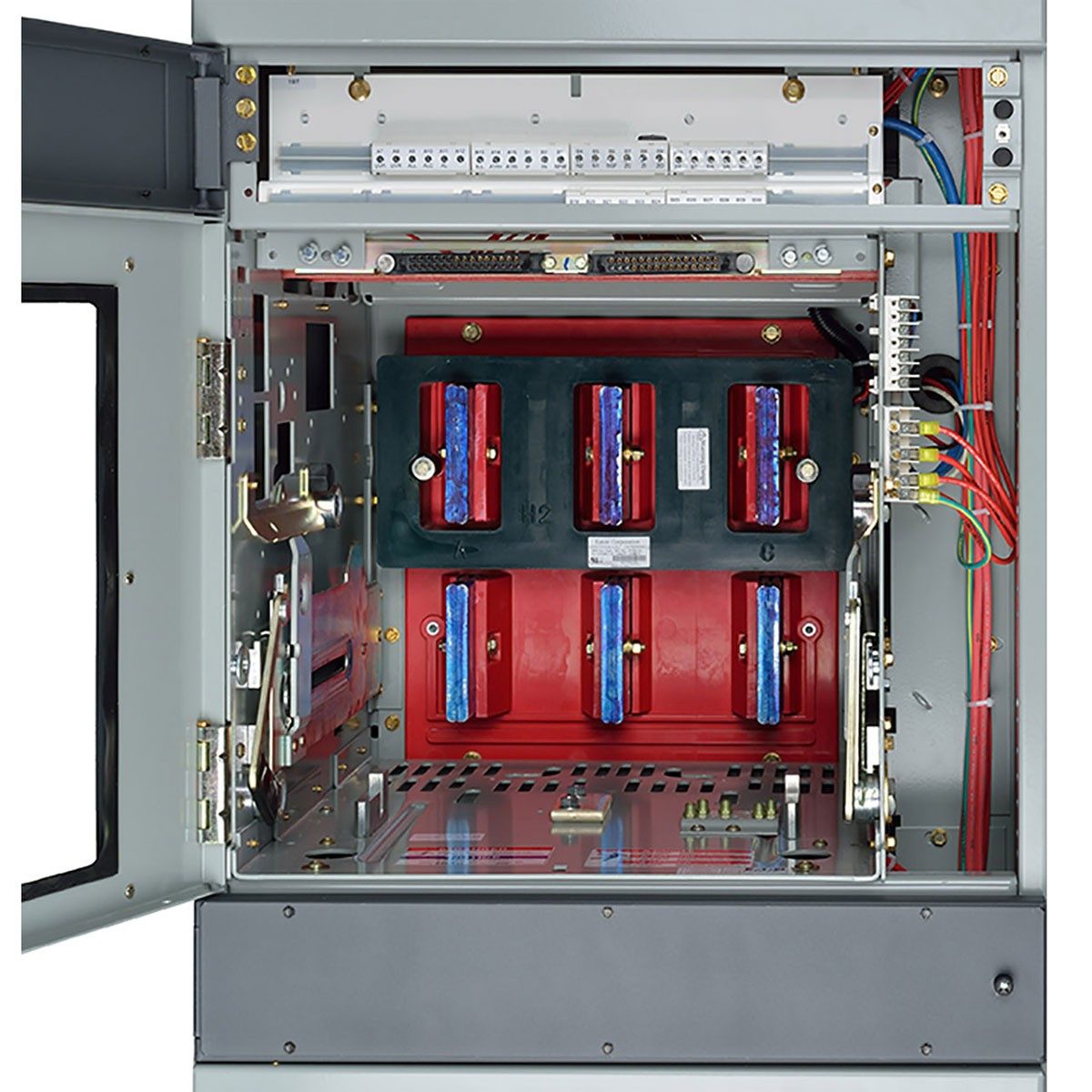
Each system includes several important components working together efficiently. Circuit breakers interrupt fault currents and protect equipment from damage. Busbars distribute electricity across connected systems effectively. Protective relays monitor conditions and trigger responses when required. Enclosures protect internal parts from environmental exposure. Control panels allow operators to manage system performance easily. Component compatibility ensures smooth and reliable operation. High-quality materials improve durability over extended periods. Proper integration reduces the risk of operational issues. Understanding these elements helps in selecting appropriate solutions.
Understanding Electrical Load Requirements Before Selection
Accurate load analysis forms the foundation of equipment selection. Engineers must evaluate current demand and future expansion requirements carefully. Different facilities require different capacity levels based on usage. Industrial systems typically demand higher load handling capabilities. Overloading can lead to overheating and equipment failure. Designers must consider peak demand and operational cycles. Future scalability remains a critical factor during planning. Underestimating requirements may result in costly upgrades later. Balanced calculations ensure efficient system performance. Proper planning supports long-term reliability and stability.
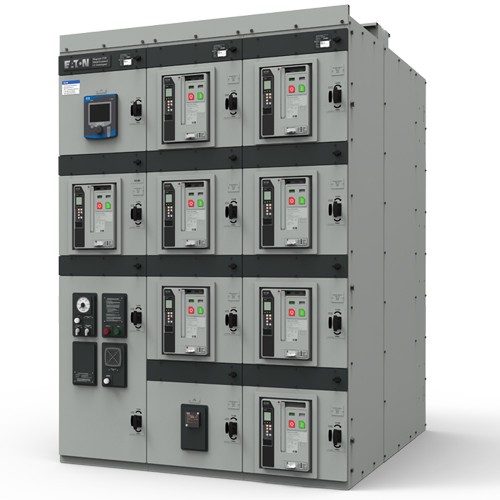
Critical Technical Specifications to Evaluate in Low Voltage Switchgear
Technical specifications determine whether equipment meets application needs. Low voltage switchgear must match voltage and current requirements precisely. Short-circuit capacity ensures protection during fault conditions. Insulation quality directly affects safety and system longevity. Environmental conditions influence equipment selection significantly. Temperature and humidity must be considered during installation planning. Engineers must verify compliance with required standards carefully. Accurate evaluation prevents mismatches and operational failures. Attention to technical details improves system performance. Reliable specifications support long-term operational success.
Types of Low Voltage Switchgear and Their Applications
Different types of low voltage switchgear serve various operational requirements. Fixed designs provide cost-effective solutions for stable installations. Withdrawable systems allow easier maintenance and component replacement. Modular configurations offer flexibility for expanding networks. Each type suits specific industrial or commercial applications. Industrial facilities often prefer withdrawable systems for efficiency. Commercial buildings benefit from modular setups for scalability. Selecting the correct type improves convenience and safety. Flexibility becomes important for evolving system requirements. Understanding application needs simplifies the decision process.
Compliance, Standards, and Certifications for Low Voltage Switchgear
Compliance ensures safety, reliability, and regulatory approval in electrical systems. Low voltage switchgear must meet international standards such as IEC or ANSI. Certification confirms that equipment has passed rigorous testing procedures. Regulatory requirements vary depending on industry and location. Failure to comply may result in penalties or system shutdowns. Certified equipment provides greater confidence in performance and safety. Testing ensures reliability under different operating conditions. Engineers must verify certifications before installation begins. Adhering to standards protects both equipment and personnel. Compliance plays a critical role in system success.
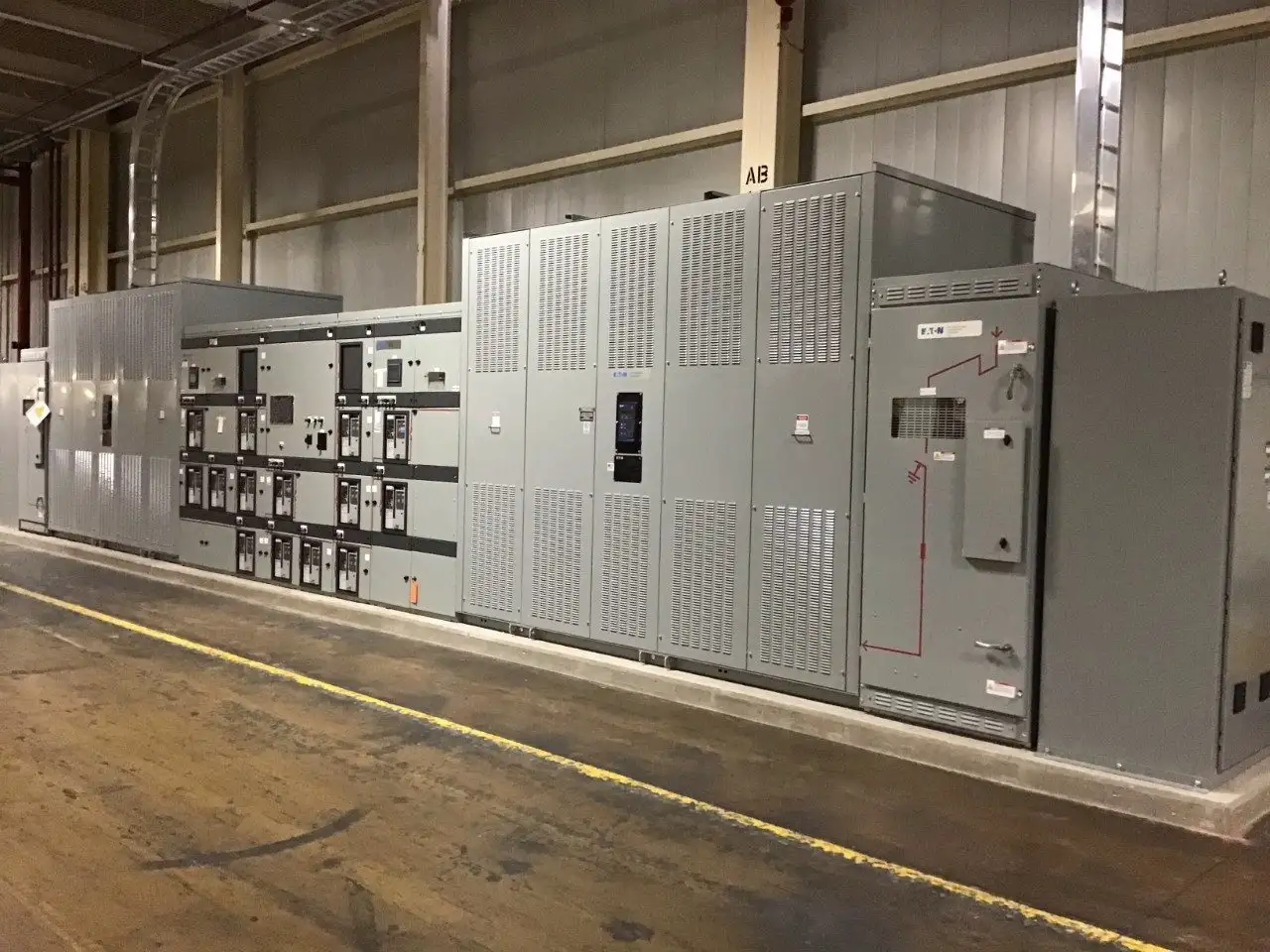
Cost Considerations and Lifecycle Value Analysis
Cost evaluation goes beyond the initial purchase price of equipment. Long-term performance affects operational expenses significantly. Maintenance requirements influence total lifecycle costs over time. Energy-efficient systems help reduce operational expenses. Higher quality equipment often delivers better durability and reliability. Frequent repairs increase downtime and financial losses. Lifecycle analysis helps identify cost-effective solutions for businesses. Decision makers must balance quality with budget limitations. Strategic investment improves long-term efficiency and stability. Careful financial planning ensures sustainable system performance.
Common Mistakes to Avoid When Selecting Switchgear Equipment
Many users make avoidable errors during equipment selection processes. Ignoring environmental conditions often leads to premature system failure. Undersizing equipment creates overload risks and safety hazards. Overlooking future expansion limits system flexibility significantly. Poor understanding of specifications causes compatibility issues. Lack of compliance may result in legal and operational problems. Choosing based only on cost can reduce system quality. Inadequate planning increases maintenance challenges and downtime. Proper research helps avoid these common mistakes. Informed decisions improve overall system performance and reliability.
Practical Checklist for Selecting the Right Equipment
- Evaluate voltage and current requirements accurately
- Consider future expansion and scalability needs
- Verify compliance with relevant safety standards
- Assess environmental and installation conditions carefully
- Compare different system types and configurations
- Analyze lifecycle cost and maintenance requirements
A structured checklist simplifies the decision-making process significantly. Each step ensures critical factors receive proper attention. Decision makers can avoid costly errors through systematic evaluation. Careful planning improves system efficiency and reliability. Consistent assessment supports better long-term performance. Applying these steps leads to more informed decisions. Organized evaluation enhances collaboration among stakeholders.
Comparison of Low Voltage Switchgear Features and Criteria
| Feature | Description | Importance |
|---|---|---|
| Voltage Rating | Maximum operating voltage level | Ensures compatibility |
| Current Capacity | Load handling capability | Prevents overload |
| Short-Circuit Strength | Fault tolerance ability | Protects system |
| Design Type | Fixed, modular, withdrawable | Determines flexibility |
| Compliance | Meets industry standards | Ensures safety |
Final Considerations for Long-Term Performance and Reliability
Long-term performance depends on proper planning and equipment selection. Low voltage switchgear should align with both current and future requirements. Regular maintenance helps extend system lifespan and efficiency. Monitoring system performance allows early detection of issues. Collaboration with experts improves design and implementation quality. Reliable systems reduce downtime and operational disruptions. Strategic planning enhances productivity and efficiency over time. Continuous evaluation ensures systems meet evolving demands. Investing in quality solutions provides long-term benefits. Proper selection supports sustainable and stable power distribution.
FAQ
What factors most influence switchgear selection?
Several factors influence the selection of suitable electrical equipment. Load requirements determine capacity and operational performance levels. Environmental conditions affect durability and long-term reliability. Compliance with standards ensures safety and regulatory approval. Cost considerations impact both initial investment and maintenance expenses. Flexibility for future expansion remains an important factor. Engineers must evaluate all aspects carefully before making decisions. A balanced approach ensures optimal system performance and safety. Proper planning reduces risks and enhances operational efficiency significantly.
How often should low voltage switchgear be maintained?
Maintenance frequency depends on usage intensity and environmental conditions. Most systems require inspection at least once per year. High-demand industrial systems may need more frequent servicing.
How often should low voltage switchgear be maintained?
Maintenance frequency depends on usage intensity and environmental conditions. Most systems require inspection at least once per year. High-demand industrial systems may need more frequent servicing. Dust, heat, and humidity can affect performance over time. Regular maintenance helps identify wear and potential faults early. Preventive servicing reduces downtime and repair costs effectively. Technicians should follow manufacturer recommendations for schedules. Proper maintenance ensures safety and consistent performance. Routine inspections also extend equipment lifespan significantly. A structured maintenance plan improves system reliability.
Can switchgear be upgraded instead of replaced?
Upgrading existing systems is possible depending on system design and condition. Modular systems allow easier upgrades without full replacement. Component upgrades can improve efficiency and operational performance. Older systems may not support modern technical requirements. Engineers must evaluate compatibility before making decisions. Cost comparison between upgrade and replacement remains important. Upgrades can extend lifespan when implemented correctly. Proper assessment ensures safe and effective improvements. Replacement may be required for outdated or damaged systems. Careful evaluation helps determine the most suitable approach.