
How Size High Voltage Electrical Switchgear For Your Load?
-
Proper high voltage electrical switchgear sizing ensures safe load handling, fault protection, and reliable power distribution systems.
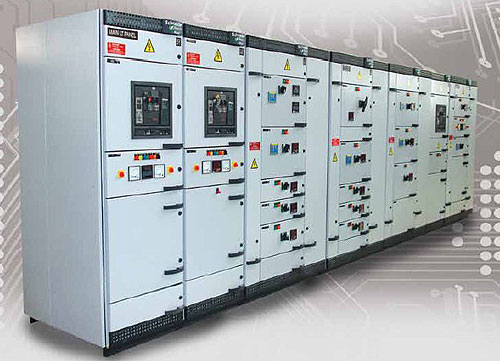
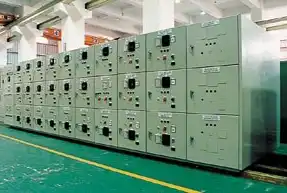
Introduction to high voltage electrical switchgear sizing principles
High voltage electrical switchgear sizing determines system safety, efficiency, and long term reliability. Engineers must evaluate electrical loads before selecting suitable equipment ratings. Proper sizing prevents overheating, insulation failure, and unexpected shutdowns in demanding environments. Every system requires a careful balance between capacity and operational flexibility. Incorrect specifications often lead to costly maintenance and downtime issues. Modern infrastructure demands accurate planning supported by technical standards and field experience. Load growth expectations should also influence design decisions from the beginning. Reliable switchgear protects equipment and personnel under both normal and fault conditions. Careful engineering judgment ensures stable system performance over time. Strong foundational knowledge helps engineers avoid critical design mistakes early.
Key load characteristics that influence high voltage electrical switchgear sizing
Load characteristics directly impact switchgear selection and performance stability in power systems. Engineers must identify whether loads are resistive, inductive, or mixed types. Different load types produce varying current behaviors during operation cycles. Peak demand values often differ significantly from average load consumption patterns. Diversity factor plays a crucial role in determining actual system demand levels. Sudden load changes can stress electrical components and reduce equipment lifespan. Continuous loads require stable thermal handling without excessive temperature rise. Motor loads introduce starting currents that exceed normal operating values. Accurate load profiling helps prevent undersized or oversized equipment selection. Balanced evaluation ensures efficient power distribution and system reliability.
Voltage levels and insulation requirements for high voltage electrical switchgear
Voltage level selection defines insulation requirements and overall switchgear configuration decisions. Engineers classify systems based on standardized voltage ranges and application needs. Insulation coordination ensures equipment withstands operational and transient voltage stresses. Environmental conditions such as altitude affect dielectric strength significantly. Higher elevations reduce air insulation capability, requiring design adjustments. Pollution levels also influence insulation material selection and maintenance planning. Outdoor installations demand stronger protection against environmental exposure risks. Proper insulation prevents flashovers and ensures operational safety during voltage fluctuations. Equipment must comply with tested insulation standards for reliability assurance. Accurate voltage classification supports long term system durability and performance.
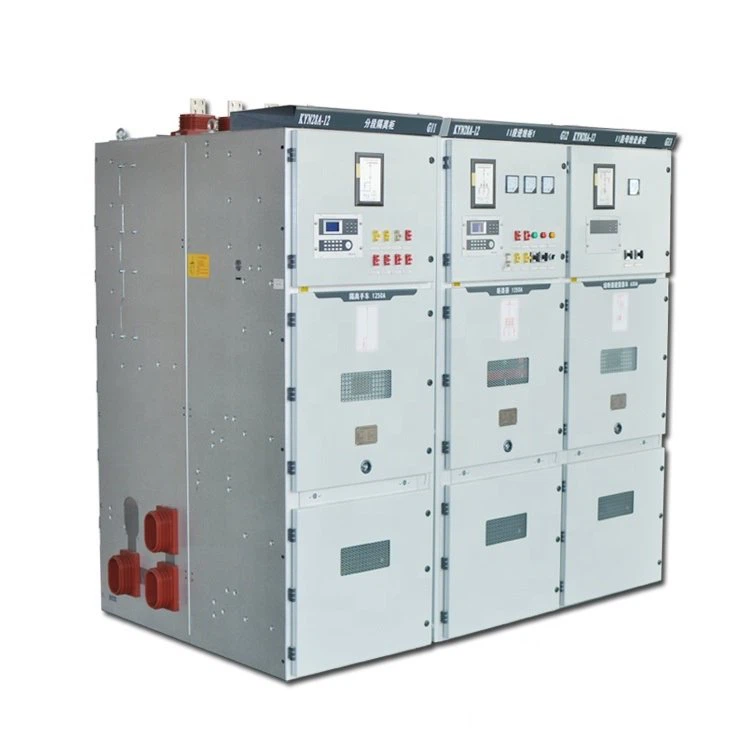
Current rating and thermal limits in high voltage electrical switchgear design
High voltage electrical switchgear must handle defined current loads without exceeding thermal limits. Engineers must consider both normal operation and abnormal conditions during selection. Thermal limits define the maximum allowable temperature rise within components. Excessive heat can degrade insulation and reduce equipment lifespan significantly. Short-time current ratings indicate the ability to withstand temporary overloads safely. Cooling methods influence performance under continuous heavy load conditions. Natural air cooling suits moderate loads, while forced systems handle higher demands. Material quality also impacts thermal performance and durability over time. Proper rating selection ensures stable operation without frequent overheating risks. Balanced design reduces maintenance requirements and improves reliability.
Short circuit capacity and fault level calculation
Short circuit capacity defines the maximum fault current switchgear can safely interrupt. Engineers calculate fault levels using system impedance and source capacity values. Fault conditions generate extremely high currents within very short durations. Equipment must withstand both mechanical and thermal stress during these events. Protection systems must coordinate with switchgear interruption capabilities precisely. Underestimating fault levels leads to catastrophic equipment failure risks. Overestimation increases cost without adding practical value in many cases. Accurate modeling ensures optimal balance between safety and efficiency requirements. System expansion can alter fault levels, requiring future considerations. Reliable calculations protect infrastructure and maintain operational continuity.
Protection and control integration in high voltage electrical switchgear systems
Protection systems work closely with high voltage electrical switchgear to ensure safe electrical network operation. Engineers must integrate relays that detect faults quickly and accurately. Coordination between devices prevents unnecessary disconnections and system instability. Automation features improve monitoring and operational control in modern installations. Digital systems provide real time data for predictive maintenance strategies. Interlocking mechanisms prevent unsafe operations during maintenance activities. Control systems must align with overall network design and protection philosophy. Proper integration enhances safety while reducing operational risks significantly. Advanced configurations support remote operation and fault diagnostics efficiently. Reliable protection ensures minimal damage during abnormal system events.
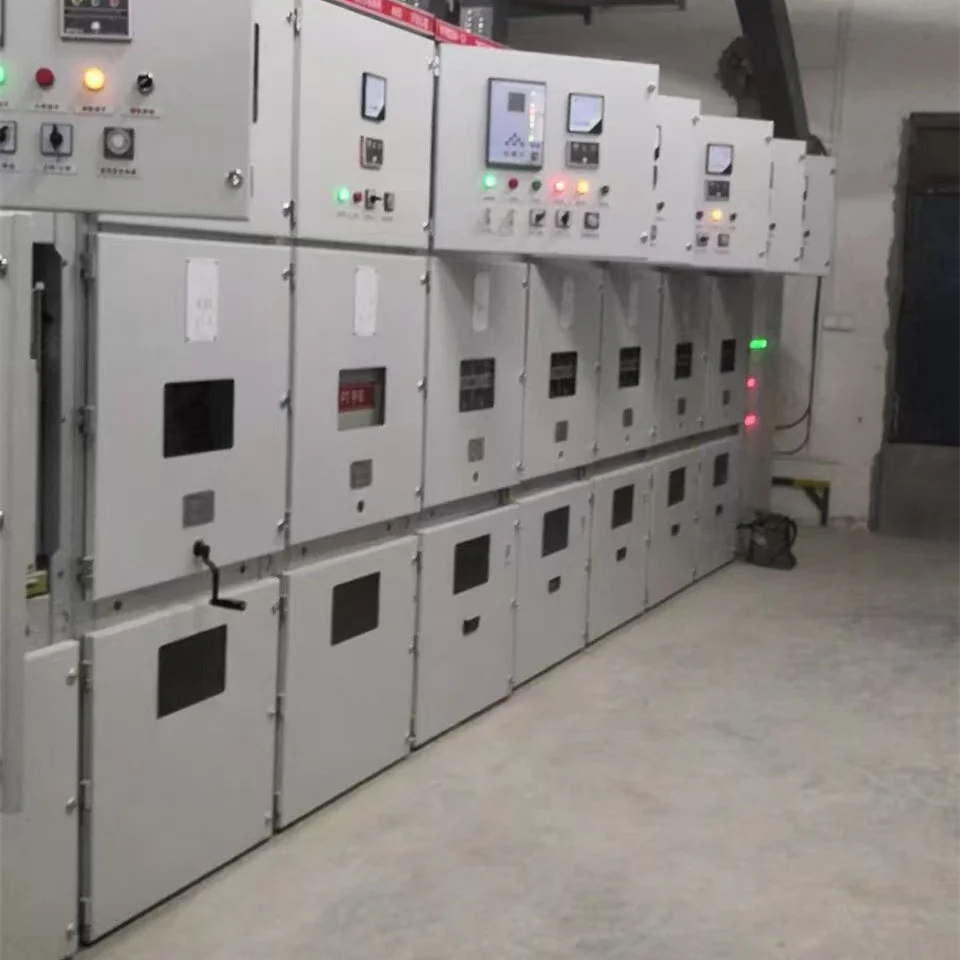
Standards and compliance for switchgear sizing
Standards ensure consistency, safety, and quality in switchgear design and application worldwide. Engineers commonly follow IEC or ANSI standards depending on regional requirements. These standards define testing procedures, ratings, and performance expectations clearly. Certification verifies equipment meets strict operational and safety criteria. Compliance reduces risk during installation and long term operation phases. Regulatory bodies enforce adherence to prevent unsafe system designs. Engineers must stay updated with evolving standards and technological advancements. Proper documentation supports approval processes and project validation requirements. Standardized design improves interoperability between system components effectively. Reliable compliance ensures long lasting and safe electrical infrastructure.
Environmental and installation considerations for switchgear
Installation environment significantly affects switchgear performance and longevity over time. Indoor installations offer protection from weather but require proper ventilation systems. Outdoor installations must withstand temperature variations, moisture, and contamination risks. Space limitations influence equipment layout and accessibility for maintenance tasks. High humidity environments increase insulation degradation risks without proper protection. Dust and pollutants can reduce insulation effectiveness and operational reliability. Engineers must consider seismic conditions in certain geographic regions carefully. Proper enclosure selection ensures protection against environmental stress factors. Maintenance access must remain practical for long term operational efficiency. Thoughtful planning ensures reliable performance under diverse environmental conditions.
Comparison of different switchgear types and configurations
Different switchgear types offer unique advantages depending on application requirements and project constraints. Air insulated switchgear provides a cost-effective solution for standard installations with easier maintenance access. In contrast, gas insulated systems are widely used in high voltage switchgear applications due to their compact design, enhanced reliability, and ability to perform well in space-limited or harsh environments. Metal clad configurations improve safety through compartmentalized structures that isolate critical components. Meanwhile, metal enclosed designs offer greater flexibility but may require additional protective measures. Selection ultimately depends on factors such as available space, budget, and environmental conditions. Maintenance needs also vary significantly between technologies, with advanced systems delivering higher reliability at increased initial costs. Engineers must carefully balance performance, investment, and long-term operational efficiency when choosing the most suitable configuration.
Practical checklist for selecting high voltage electrical switchgear
High voltage electrical switchgear selection benefits from a structured and repeatable engineering approach. Engineers can follow a practical checklist to improve accuracy and consistency:
- Determine total connected load and demand factors
- Identify voltage level and system classification
- Calculate continuous and peak current requirements
- Evaluate short circuit current and fault levels
- Select appropriate insulation and environmental ratings
- Ensure compliance with relevant standards
- Consider future expansion and system flexibility
- Validate protection and control integration
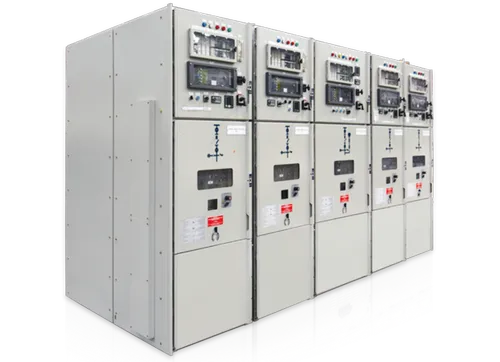
This checklist provides a systematic framework for making reliable engineering decisions. Each step builds upon the previous analysis to ensure consistency and accuracy. Skipping any stage can introduce risks and reduce system reliability significantly. Engineers should validate assumptions using real data whenever possible. Practical experience combined with structured methodology leads to optimal outcomes.
Air vs Gas Insulation Comparison
| Parameter | Air Insulated | Gas Insulated |
|---|---|---|
| Space Requirement | High | Low |
| Cost | Lower | Higher |
| Maintenance | Moderate | Low |
| Reliability | Standard | High |
| Installation Flexibility | Flexible | Compact |
This comparison highlights key differences between common switchgear configurations used in industry. Air insulated systems suit projects with sufficient space and limited budgets. Gas insulated solutions perform well in urban or space constrained environments. Maintenance strategies also differ based on system design and accessibility. Engineers must evaluate lifecycle costs rather than only initial investment values. Selecting the right configuration improves long term system efficiency and operational stability.
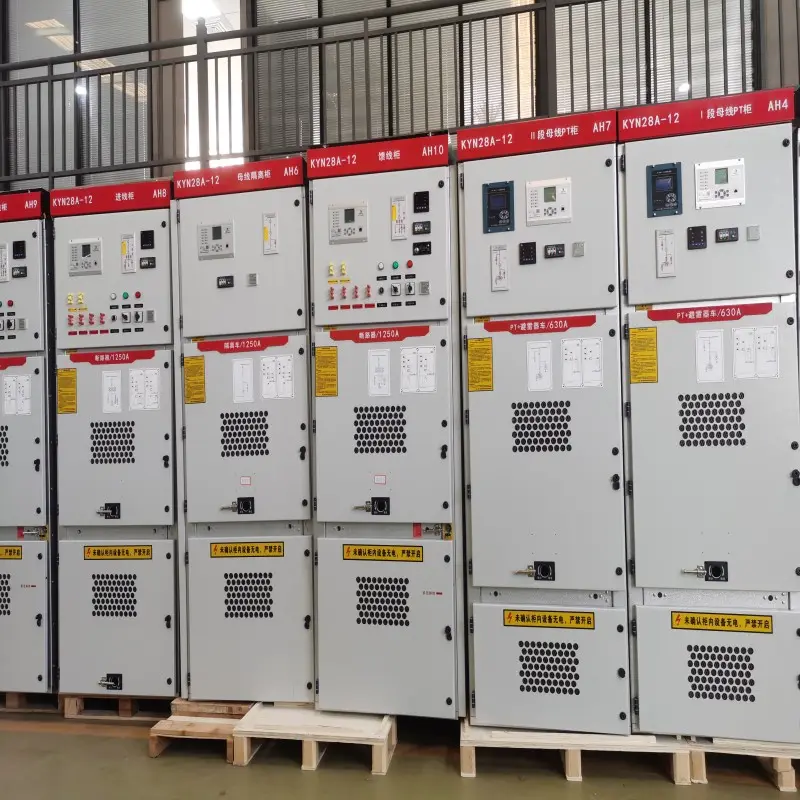
Final considerations when sizing high voltage electrical switchgear for reliability
High voltage electrical switchgear must be sized with both present and future system needs in mind. Reliable switchgear sizing requires balancing technical accuracy with practical engineering considerations. Designers must consider lifecycle costs, not just initial equipment expenses. Maintenance planning ensures consistent performance over extended operational periods. Future load growth should influence design margins and scalability options. Oversizing may improve safety but can reduce cost efficiency significantly. Undersizing increases risk and may lead to frequent system failures. Engineers must apply both analytical calculations and field experience together. Collaboration between design and operations teams improves decision quality. Thoughtful planning ensures long term reliability and operational success.
FAQ
What factors most affect switchgear sizing accuracy?
Several critical factors influence sizing accuracy in electrical systems. Load characterization plays a major role because incorrect assumptions can distort current and demand calculations. Engineers must consider peak load, diversity factor, and future expansion plans carefully. Fault current estimation also affects equipment rating selection significantly. Environmental conditions such as temperature and altitude further influence insulation and performance. Protection coordination must align with switchgear capabilities to avoid misoperation. Data quality remains essential for achieving precise engineering outcomes. Reliable measurements and validated assumptions reduce risks and improve system safety over time. Accurate engineering judgment supports consistent and dependable results.
How do I calculate short circuit current for switchgear?
Short circuit current calculation requires a structured engineering approach and accurate system data. Engineers begin by identifying system voltage and available fault capacity from the power source. Transformer impedance and line reactance must be included in the calculation process. These parameters determine the total system impedance under fault conditions. Using standard formulas, engineers derive the prospective fault current at different points. Software tools often support complex network modeling for improved accuracy. Results must be verified against equipment ratings to ensure safe operation. Regular updates keep calculations aligned with system modifications. Proper validation ensures system protection and operational safety.
Can switchgear be oversized for safety margins?
Switchgear can be oversized to provide additional safety margins in certain situations. However, excessive oversizing often increases project costs without proportional benefits. Engineers must balance safety requirements with economic efficiency during system design. Moderate safety margins help accommodate load growth and unforeseen operating conditions. Oversized equipment may operate inefficiently under normal load levels. Larger systems can also introduce higher installation and maintenance expenses. Proper engineering analysis ensures that margins remain practical and justified. Thoughtful design achieves reliability while avoiding unnecessary resource allocation. Balanced decisions support both safety and long term performance goals.