
How To Choose High Voltage Switchgear Testing?
-
High voltage switchgear testing ensures system safety, compliance, and performance, supporting reliable methods and equipment selection.
Importance of High Voltage Switchgear Testing
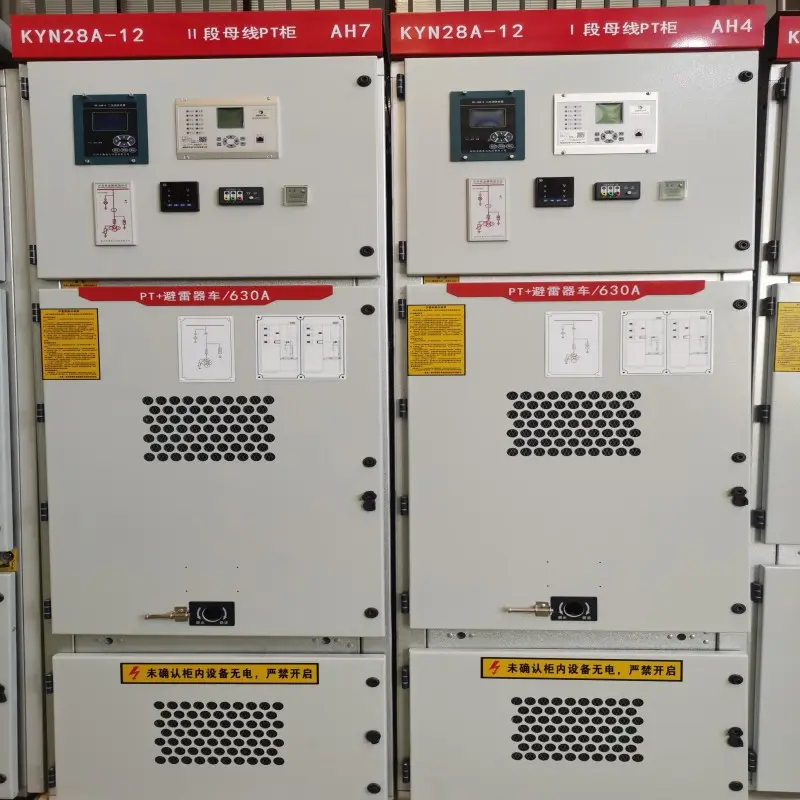
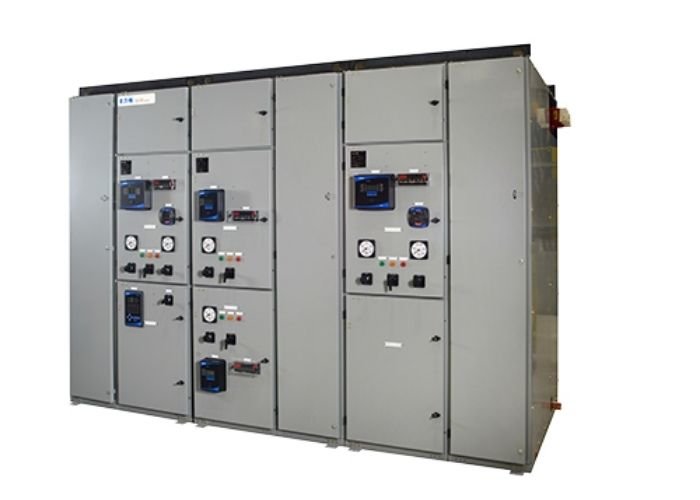
High voltage switchgear testing plays a critical role in modern power systems. Engineers rely on high voltage switchgear testing to ensure safety and performance. Reliable systems depend on accurate evaluation and consistent inspection practices. Electrical failures often result from neglected or improper testing procedures. Proper selection reduces risks and extends equipment lifespan. Many industries demand strict compliance with international standards. Power plants and substations require dependable switchgear operation at all times. Choosing the right testing approach can feel complex for many professionals. Several technical and financial factors influence the final decision. Clear understanding helps organizations avoid costly downtime and safety hazards.
Key Factors in Choosing High Voltage Switchgear Testing
Selecting appropriate testing methods requires a clear evaluation of system needs. High voltage switchgear testing must match voltage levels and system configurations. Engineers must assess insulation strength and operational load conditions. Environmental factors also influence testing requirements and accuracy levels.
Temperature and humidity affect measurement results and system stability. Compliance with standards ensures reliable and consistent performance outcomes. Many industries follow IEC and IEEE regulations for validation processes. Testing frequency should match operational demands and maintenance schedules. Skilled personnel play an essential role in achieving accurate results. Proper planning reduces operational risks and ensures long-term system reliability.
Understanding Different Testing Methods
Different testing methods serve unique purposes in system evaluation. Routine testing verifies performance during regular maintenance cycles. Type testing validates equipment design under controlled conditions. Special testing addresses unusual operational challenges or failures. Each method supports different stages of equipment lifecycle management. Engineers select methods based on system complexity and risk levels. Diagnostic testing identifies hidden faults before major failures occur. Functional testing ensures proper operation under normal working conditions. Advanced techniques improve accuracy and reduce testing time. Choosing the correct combination ensures comprehensive system assessment and protection.
High Voltage Switchgear Testing Equipment Comparison
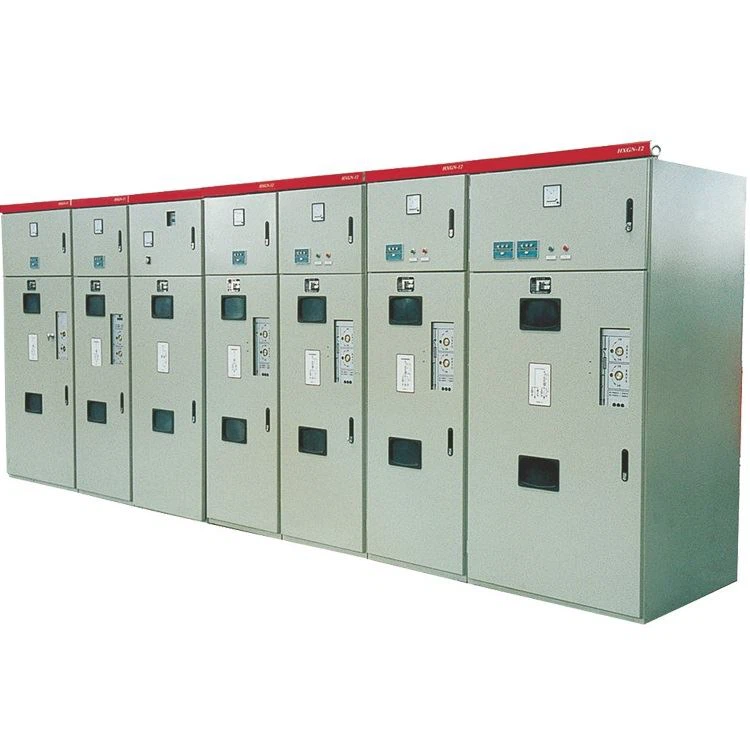
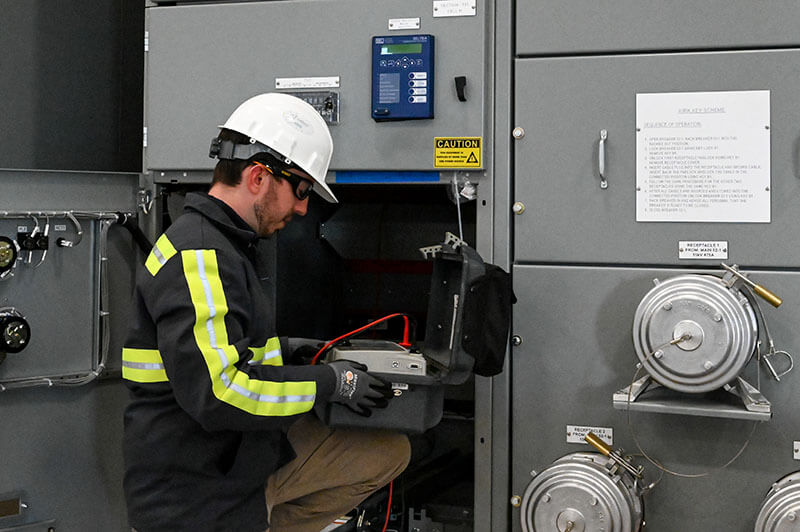
Testing equipment varies significantly in performance and application scope across different inspection scenarios. High voltage switchgear testing requires specialized tools designed to ensure both precision and operator safety. Some devices focus on insulation resistance measurement and fault detection, helping identify potential failures early. Others are designed for circuit breaker timing analysis and operational performance evaluation. Portable equipment offers flexibility for on-site and field testing, while fixed systems deliver higher accuracy with advanced diagnostic capabilities. Cost typically reflects the level of precision, automation, and functionality provided. Modern digital testing tools further enhance data collection, storage, and reporting efficiency. Engineers must carefully balance accuracy, usability, and investment costs when selecting equipment, as reliable tools significantly improve testing efficiency and reduce the risk of human error.
Standards and Certifications for Reliable Testing
International standards ensure consistency in testing procedures and results. High voltage switchgear testing follows strict guidelines from IEC and IEEE organizations. These standards define requirements for electrical equipment testing worldwide. Certified testing processes improve reliability and reduce operational risks. Compliance demonstrates commitment to safety and quality assurance. Regulatory requirements vary depending on region and industry sector. Engineers must stay updated with evolving standards and best practices. Documentation plays a key role in compliance verification and auditing processes. Proper certification enhances credibility and trust in system performance. Adherence ensures long-term operational stability and safety.
Cost vs Performance in Testing Selection
Cost considerations often influence testing decisions across industries. High voltage switchgear testing involves both initial investment and long-term expenses. Budget limitations may restrict access to advanced testing technologies. However, lower costs can lead to reduced accuracy and reliability. Long-term performance should always outweigh short-term savings. High-quality testing reduces maintenance expenses and unexpected failures. Investment in reliable equipment ensures consistent and accurate results. Lifecycle costs include maintenance, calibration, and operational expenses. Efficient testing improves productivity and reduces downtime risks. Decision-makers must evaluate both financial and technical factors carefully.
Benefits of Professional High Voltage Switchgear Testing Services
Professional services provide expertise that enhances testing accuracy and efficiency. High voltage switchgear testing services often include advanced diagnostic tools and skilled technicians. Experienced teams understand complex systems and potential failure points. Outsourcing reduces the need for in-house training and equipment investment. Service providers often use proven methodologies for consistent results. Reliable testing improves system safety and operational performance. Professionals deliver detailed reports that support maintenance planning. Timely inspections prevent costly failures and unplanned outages. Many companies benefit from improved compliance and reduced operational risks. External expertise ensures consistent and high-quality testing outcomes.
Common Mistakes to Avoid When Selecting Testing Solutions
Many organizations make critical errors during testing selection processes. Some focus only on cost without considering performance requirements. Others ignore compliance with international testing standards and guidelines. Lack of skilled personnel can result in inaccurate testing outcomes. Overlooking environmental conditions may affect measurement accuracy significantly. Poor planning leads to inefficient testing and increased operational risks. Selecting unsuitable equipment reduces testing effectiveness and reliability. Inadequate documentation complicates compliance and auditing procedures. Avoiding these mistakes improves decision-making and system performance. Careful evaluation ensures reliable and efficient testing solutions.
Comparison of Testing Methods by Application, Accuracy, and Cost
| Testing Method | Application | Accuracy | Cost Level |
|---|---|---|---|
| Routine Testing | Maintenance checks | Moderate | Low |
| Type Testing | Design validation | High | High |
| Special Testing | Fault analysis | Very High | Medium |
Detailed Insights After Comparing Testing Options
The table highlights key differences among common testing approaches. Routine testing supports regular maintenance and basic performance checks. Type testing focuses on validating design and ensuring compliance standards. Special testing addresses complex faults and unique operational challenges. Each method serves a specific purpose within the equipment lifecycle. Engineers must evaluate system requirements before selecting a method. Combining multiple approaches often provides better diagnostic coverage. Cost differences reflect complexity and accuracy levels of each method. Strategic selection improves overall system reliability and operational efficiency.
Key Checklist for Selecting the Right Testing Approach
- Evaluate system voltage and operational requirements
- Ensure compliance with IEC and IEEE standards
- Assess environmental conditions and testing limitations
- Compare equipment accuracy and performance levels
- Consider long-term maintenance and lifecycle costs
- Verify technician expertise and training requirements
- Review documentation and reporting capabilities
How to Apply the Selection Checklist Effectively
The checklist provides a structured approach to decision-making processes. Each factor contributes to accurate and reliable testing outcomes. Engineers should prioritize safety and compliance above all considerations. Environmental assessment ensures consistent and accurate measurement results. Equipment evaluation helps balance cost and performance effectively. Skilled personnel improve testing accuracy and reduce human error. Documentation supports compliance and future maintenance planning. Applying these steps ensures efficient and reliable system evaluation. A systematic approach minimizes risks and improves operational performance.
Conclusion: Making the Right Decision
Choosing the right testing approach requires careful evaluation of multiple factors. Technical requirements and compliance standards must guide decision-making processes. Cost considerations should never compromise system safety and reliability. Professional expertise enhances testing accuracy and operational efficiency. Strategic planning ensures long-term system performance and stability. Engineers must stay informed about evolving technologies and standards. Proper selection reduces risks and improves overall system reliability. Consistent testing practices support safe and efficient electrical operations.
FAQ
What is high voltage switchgear testing?
It refers to a set of procedures used to evaluate electrical switchgear performance and safety. Engineers perform these tests to ensure systems operate correctly under high voltage conditions. The process includes insulation checks, functional verification, and fault detection methods. Each test helps identify potential weaknesses before failures occur. Reliable testing improves operational efficiency and reduces downtime risks. Many industries depend on consistent testing to maintain stable power distribution systems. Proper implementation supports long-term equipment durability and compliance with international safety standards. These practices also help extend equipment lifespan and improve overall reliability.
How often should switchgear be tested?
Inspection frequency depends on operating conditions and system criticality. Most facilities perform inspections annually as part of standard maintenance routines. High-demand environments often require more frequent testing schedules. Harsh conditions such as humidity or dust increase testing requirements significantly. Regular monitoring helps detect early signs of wear or insulation failure. Preventive testing reduces the risk of unexpected outages and equipment damage. Engineers usually follow manufacturer guidelines and industry standards when planning schedules. Consistent testing ensures reliable performance and supports safe electrical system operation over time. Proper scheduling also improves long-term asset management efficiency.
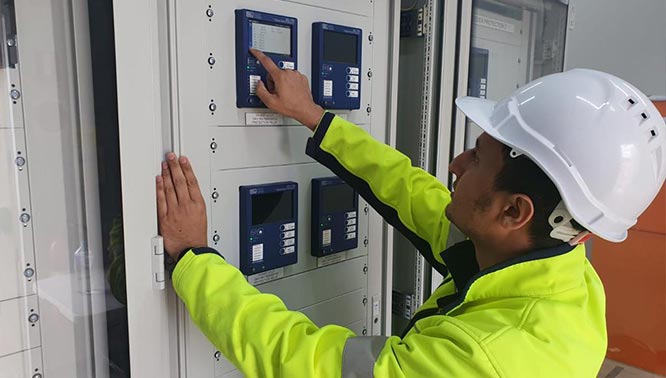
What standards apply to switchgear testing?
Several international standards define proper testing procedures for switchgear systems. IEC standards provide widely accepted guidelines for safety and performance evaluation. IEEE standards offer additional frameworks for testing methods and system analysis. These standards ensure consistency across different industries and regions worldwide. Compliance helps organizations maintain high levels of safety and operational reliability. Engineers rely on these frameworks to design effective testing strategies. Proper documentation and certification also support auditing and regulatory requirements. Following recognized standards improves system credibility and ensures long-term performance stability. Consistent adherence strengthens trust in electrical infrastructure systems.