
How do you size high-voltage switchgear for your load?
-
High-voltage switchgear sizing guide covering load matching, short circuit capacity, environment factors, and engineering selection logic.


High-voltage switchgear and why load sizing matters
high-voltage switchgear forms the control and protection core of modern power systems. Proper sizing determines whether equipment can operate safely under normal and fault conditions. Engineers must align switchgear ratings with actual load demand and system behavior. Undersized equipment risks overheating and failure during peak operation. Oversized equipment increases cost and may reduce protection sensitivity. Load matching therefore balances safety, cost, and performance. Project teams must also consider installation conditions and future expansion. Accurate sizing improves reliability and extends equipment lifespan. Early awareness of sizing logic helps avoid costly redesign during later stages.
Understanding load characteristics before sizing decisions
Load characteristics define how switchgear should be sized in practice. Industrial loads often include motors with high starting currents. Commercial loads may fluctuate throughout the day with peak demand periods. Harmonic loads from electronics can increase thermal stress on equipment. Engineers must evaluate maximum load, average load, and load variation patterns. Peak demand determines current rating requirements. Load diversity influences system design and protection coordination. Ignoring load behavior may result in incorrect sizing. Accurate load assessment ensures that switchgear operates within safe limits under all conditions.
Matching rated voltage and current with system demand
Rated voltage must match the system voltage level precisely. Incorrect voltage selection may lead to insulation failure or unsafe operation. Rated current must exceed the maximum expected load current. Engineers typically include a safety margin to accommodate load variation. Current rating also influences busbar size and thermal performance. Proper matching ensures stable operation without overheating. Electrical compatibility between switchgear and system design remains essential. Correct voltage and current selection forms the foundation of safe switchgear sizing.
Why short circuit capacity is critical in sizing
Short circuit breaking capacity determines whether switchgear can interrupt fault currents safely. Electrical faults generate extremely high current levels in a short time. If the breaking capacity is insufficient, equipment damage may occur. Engineers calculate the maximum possible fault current within the system. Switchgear must exceed this value with an appropriate safety margin. Fault current depends on system impedance and network configuration. Proper selection protects both equipment and personnel during abnormal events. Short circuit capacity therefore represents a key safety parameter.
Common mistakes when sizing high-voltage switchgear
Many projects encounter avoidable errors during sizing decisions. One common mistake involves focusing only on rated current. Ignoring short circuit capacity may lead to equipment failure during faults. Another mistake involves selecting oversized equipment unnecessarily.

Oversizing increases investment without improving safety significantly. Some teams underestimate future load growth and choose smaller equipment. This approach leads to costly upgrades later. Environmental conditions are sometimes overlooked during selection. Each mistake increases operational risk and long term cost.
Correcting sizing misconceptions with practical engineering logic
Proper sizing requires balancing safety, performance, and cost efficiency. Engineers must consider both normal operation and fault conditions. Oversizing should be avoided unless justified by system requirements. Future load growth must be included in planning assumptions. Environmental conditions influence insulation and cooling design choices. Technical parameters should guide decisions rather than brand or price alone. Correcting misconceptions improves system reliability. Structured evaluation leads to better engineering outcomes.

Engineering logic behind high-voltage switchgear selection
Engineering logic ensures that switchgear selection meets real project needs. Safety remains the primary consideration during all design decisions. Equipment must protect both personnel and system infrastructure. Economic efficiency requires avoiding unnecessary investment. Maintenance accessibility supports long term operation and reduces downtime. Compliance with standards ensures safe installation and regulatory approval. Each factor contributes to a balanced design approach. Engineers integrate these principles into practical sizing decisions.
Practical checklist for sizing high-voltage switchgear
A structured checklist helps engineers confirm key sizing parameters effectively.
- Confirm rated voltage matches system requirements
- Ensure rated current exceeds maximum load demand
- Verify short circuit breaking capacity with safety margin
- Evaluate environmental conditions and protection level
- Consider future load growth and expansion plans
- Check compatibility with protection and control systems
The checklist ensures that critical factors are evaluated systematically. Voltage and current verification prevents basic design errors. Short circuit analysis protects against fault related damage. Environmental evaluation ensures durability under real conditions. Expansion planning avoids future system upgrades. Compatibility checks improve coordination between components. Structured evaluation reduces engineering uncertainty. Accurate sizing leads to safer and more efficient power systems.
High-voltage switchgear sizing comparison table
| Parameter | Correct Approach | Risk if Incorrect |
|---|---|---|
| Rated Voltage | Match system voltage | Insulation failure |
| Rated Current | Above peak load | Overheating |
| Breaking Capacity | Exceed fault current | Equipment damage |
| Environmental Rating | Match site condition | Premature aging |
| Expansion Capacity | Include growth margin | Future upgrade cost |
How the sizing table supports engineering decisions
The table connects key parameters with their practical impact on system performance. Rated voltage ensures insulation reliability under operating conditions. Current rating prevents overheating during peak demand periods. Breaking capacity protects equipment during fault events. Environmental rating ensures durability in different installation conditions. Expansion capacity allows system growth without replacement. Viewing these parameters together improves decision clarity. Engineers can evaluate risks quickly and adjust design choices accordingly.
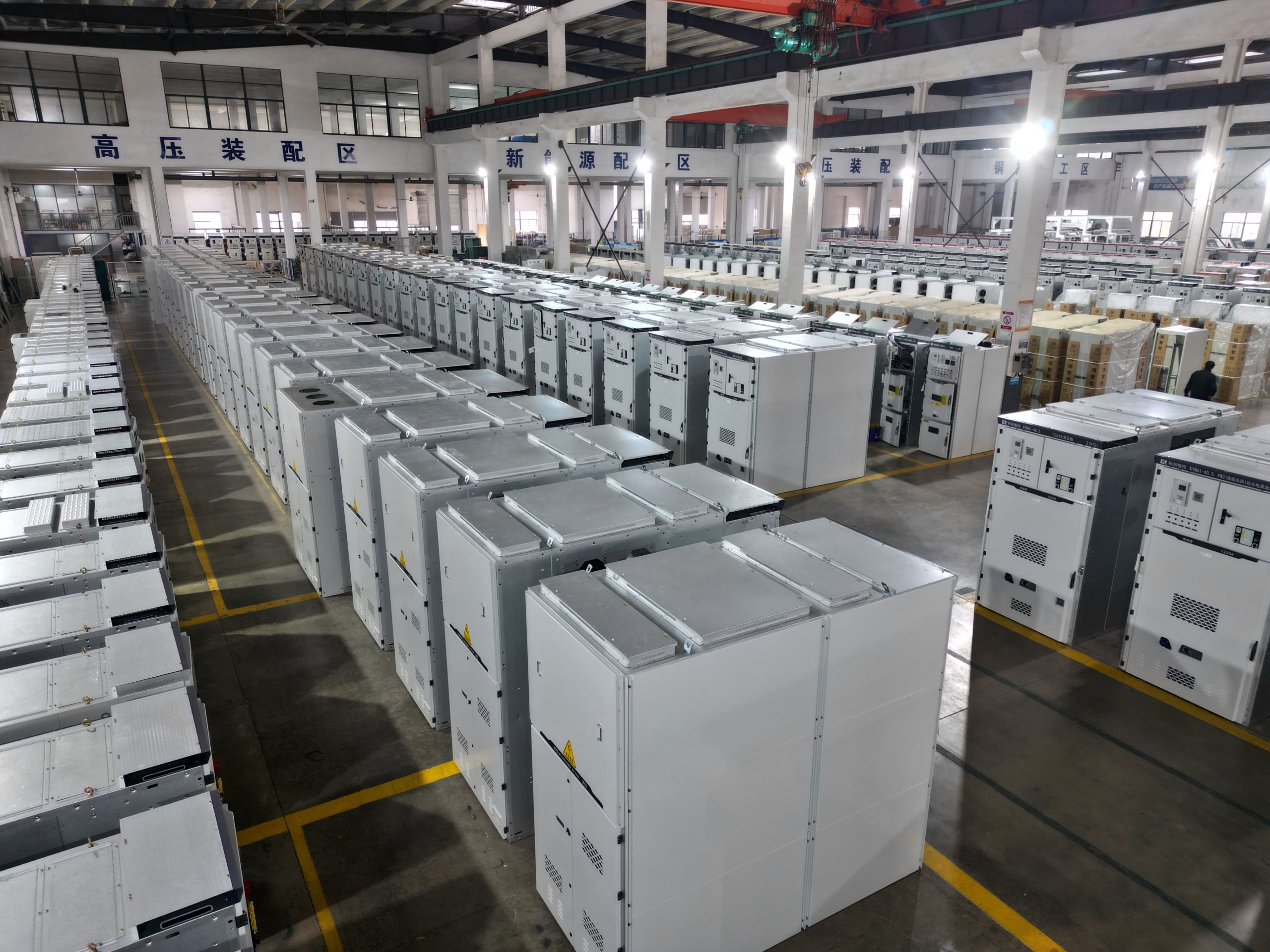
Considering environment and installation conditions in sizing
Environmental factors play a major role in switchgear performance. High temperature may reduce insulation strength and cooling efficiency. Humidity can affect insulation reliability and increase failure risk. Dust or pollution may require higher protection ratings. Outdoor installations require weather resistant enclosures. Installation space also affects equipment layout and accessibility. Engineers must adapt switchgear design to site conditions. Proper environmental consideration improves long term performance and reliability.
Planning for future load growth and system flexibility
Future load growth must be included during initial sizing decisions. Many projects expand over time due to increased demand. Designing with additional capacity reduces the need for replacement. Engineers typically include a safety margin between fifteen and thirty percent. Modular switchgear designs support easier system upgrades. Flexibility reduces downtime during expansion projects. Proper planning ensures long term cost efficiency. Growth consideration therefore becomes an essential part of sizing logic.

Moving from awareness to compliance and detailed selection
Understanding how to size high-voltage switchgear provides a strong foundation for project planning. Load matching, fault protection, and environmental considerations all influence selection decisions. Checklists and comparison tables support structured evaluation. Avoiding common mistakes improves reliability and cost efficiency. Project teams ready for deeper analysis should review compliance requirements next. The High and Low Voltage Switchgear Selection and Project Implementation Pillar provides detailed guidance. The next stage focuses on Switchgear Compliance where standards and certification become central.
FAQ
How do you match rated current and breaking capacity
Rated current must exceed the maximum load expected during operation. Engineers calculate peak demand based on load analysis and system conditions. Breaking capacity must exceed the highest possible fault current in the system. Safety margin is usually included to ensure reliable performance. Proper matching ensures safe operation during both normal and fault conditions.
Does installation environment affect switchgear sizing
Environmental conditions strongly influence switchgear selection. High temperature reduces insulation efficiency and increases thermal stress. Humidity and dust may require higher protection ratings. Outdoor installations require weather resistant enclosures. Engineers must match environmental conditions with equipment design. Proper adaptation ensures long term reliability and safe operation.
How should future load growth be considered
Future load growth should be included during initial system design. Engineers often include a margin of fifteen to thirty percent above current demand. This approach allows system expansion without replacing equipment. Modular designs also support easier upgrades. Planning for growth improves cost efficiency and reduces downtime during expansion.
