
How to Choose Oil Immersed Transformer Manufacturer?
-
How to choose the right dry type transformer size by avoiding common sizing mistakes and applying practical load-matching methods.
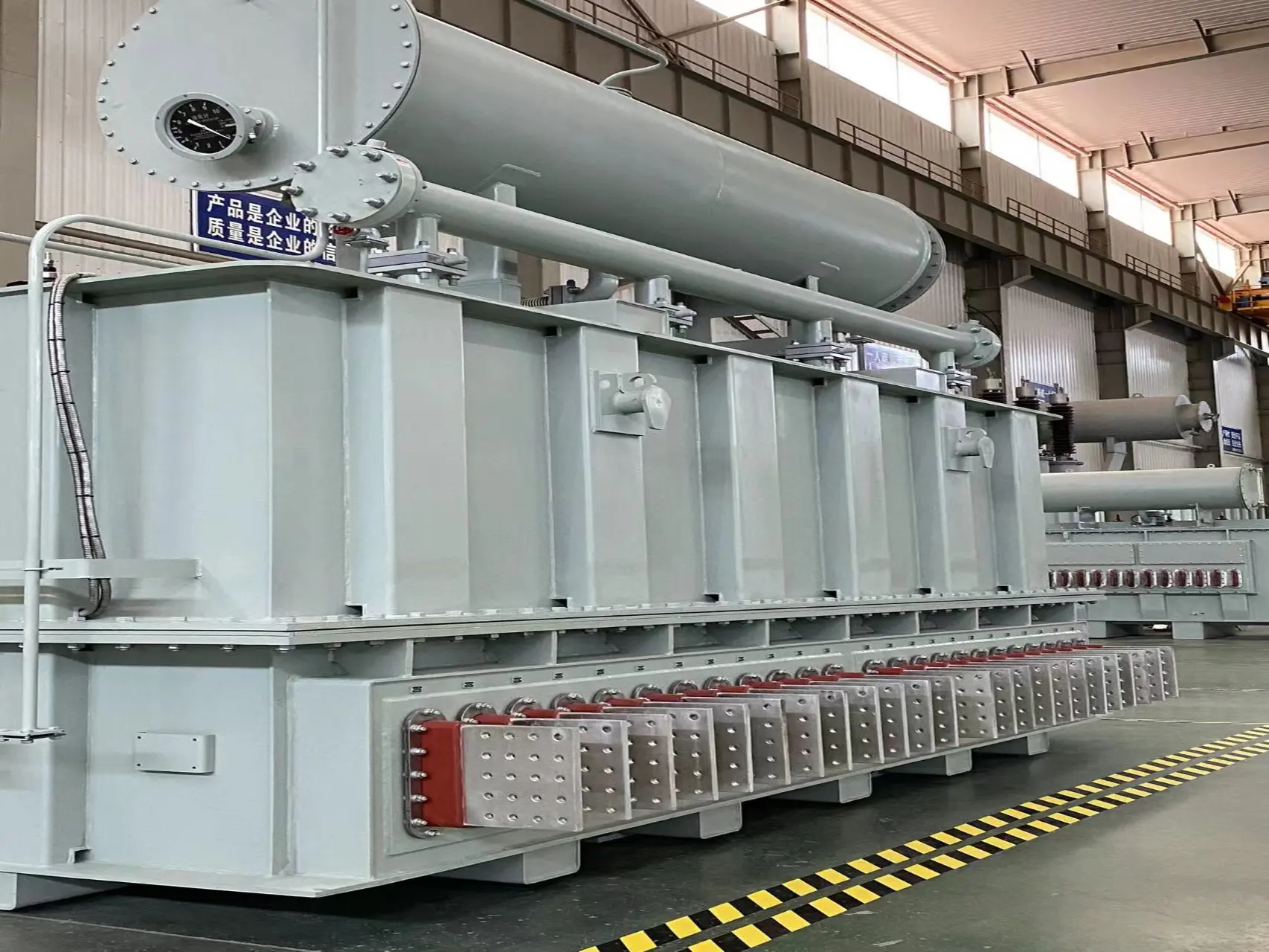
Oil immersed transformer manufacturer overview in modern power projects
oil immersed transformer manufacturer selection affects electrical safety, project reliability, and lifecycle efficiency. Power distribution networks depend on transformers that operate continuously under varying loads. Engineers often begin with an awareness stage to understand manufacturer capabilities. Oil immersed designs use insulating mineral oil to cool and protect internal windings. This structure supports stable heat dissipation during heavy electrical demand. Industrial facilities and utilities rely on this configuration for medium and large capacity distribution. Reliable manufacturers combine electrical design expertise with strong quality control systems. Product reliability depends on engineering capability and consistent production processes. Decision makers therefore review technical qualifications before discussing price or delivery.
Why manufacturer selection influences project reliability
Transformer performance directly affects energy stability in buildings and industrial systems. A reliable oil immersed transformer manufacturer designs equipment with verified thermal limits and insulation strength. Poor design practices may lead to overheating or insulation degradation. Long term operation requires balanced magnetic core construction and accurate winding insulation. Experienced manufacturers test each transformer before shipment. Routine factory testing confirms voltage regulation and loss performance. Reliable companies also document compliance with international safety standards. Procurement teams therefore treat manufacturer selection as a technical evaluation rather than a simple purchase decision.
Technical capability evaluation during early awareness stage
Technical capability determines whether a manufacturer can meet project requirements. Engineering teams review design resources, simulation capability, and testing equipment. Advanced manufacturers perform thermal modeling and short circuit stress analysis. These steps help predict long term insulation stability. Production facilities should include automated winding machines and vacuum oil filling systems. High quality insulation assembly reduces internal moisture and improves durability. Technical documentation should clearly describe transformer rating and test procedures. Strong engineering capability ensures each design performs reliably in real operating conditions.
Certification standards that confirm manufacturer credibility
Certification provides independent verification of safety and performance compliance. Reputable oil immersed transformer manufacturer facilities often hold IEC, IEEE, or UL related certifications. These standards define insulation strength, temperature rise limits, and safety testing procedures. Certification also demonstrates that products pass laboratory verification before shipment. International projects frequently require compliance with multiple standards. Documentation transparency helps engineers review technical parameters efficiently. Certified production also improves acceptance during project inspection stages. Buyers therefore review certification scope carefully before finalizing supplier selection.
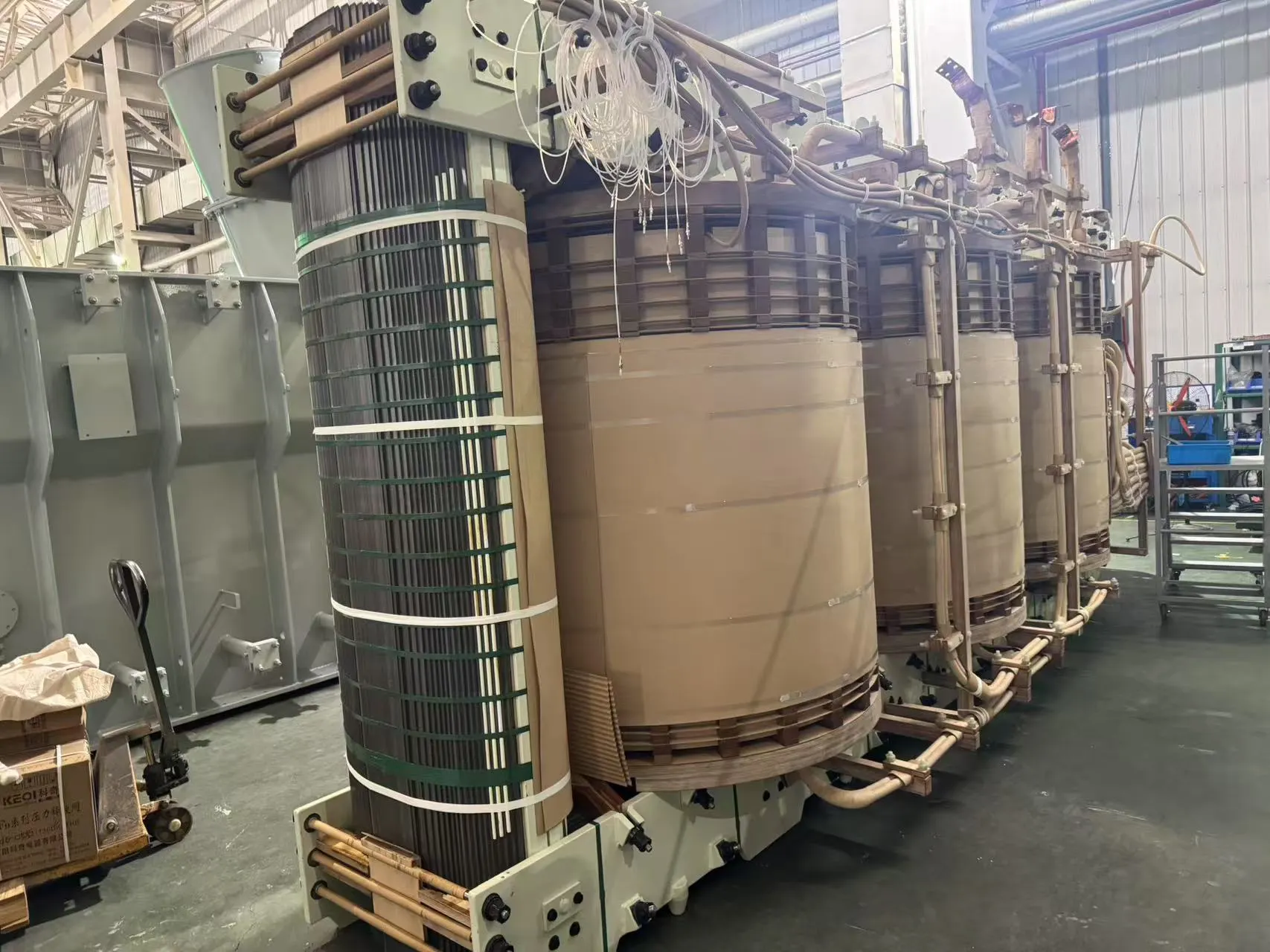
Product performance parameters to review before purchase
Transformer specification analysis helps buyers compare technical performance between manufacturers. Rated capacity and voltage level must match the electrical network design. No load loss represents energy consumption during idle operation. Load loss reflects heating and efficiency during active power transmission. Temperature rise defines insulation durability under continuous load. Short circuit withstand capability confirms structural strength during grid disturbances. Sound level ratings may affect installation in urban environments. Comprehensive specification comparison prevents unexpected operational limitations later.
Engineering project experience and real world application reliability
Project experience indicates whether a manufacturer understands practical installation conditions. Companies with multiple power distribution projects often improve design details over time. Experience with industrial plants, substations, and infrastructure projects strengthens technical credibility. Engineers review case studies to confirm successful long term operation. Similar environmental conditions provide valuable reference for reliability expectations. Installation feedback helps manufacturers refine mechanical structure and insulation design. Real world engineering knowledge often matters more than theoretical design claims.
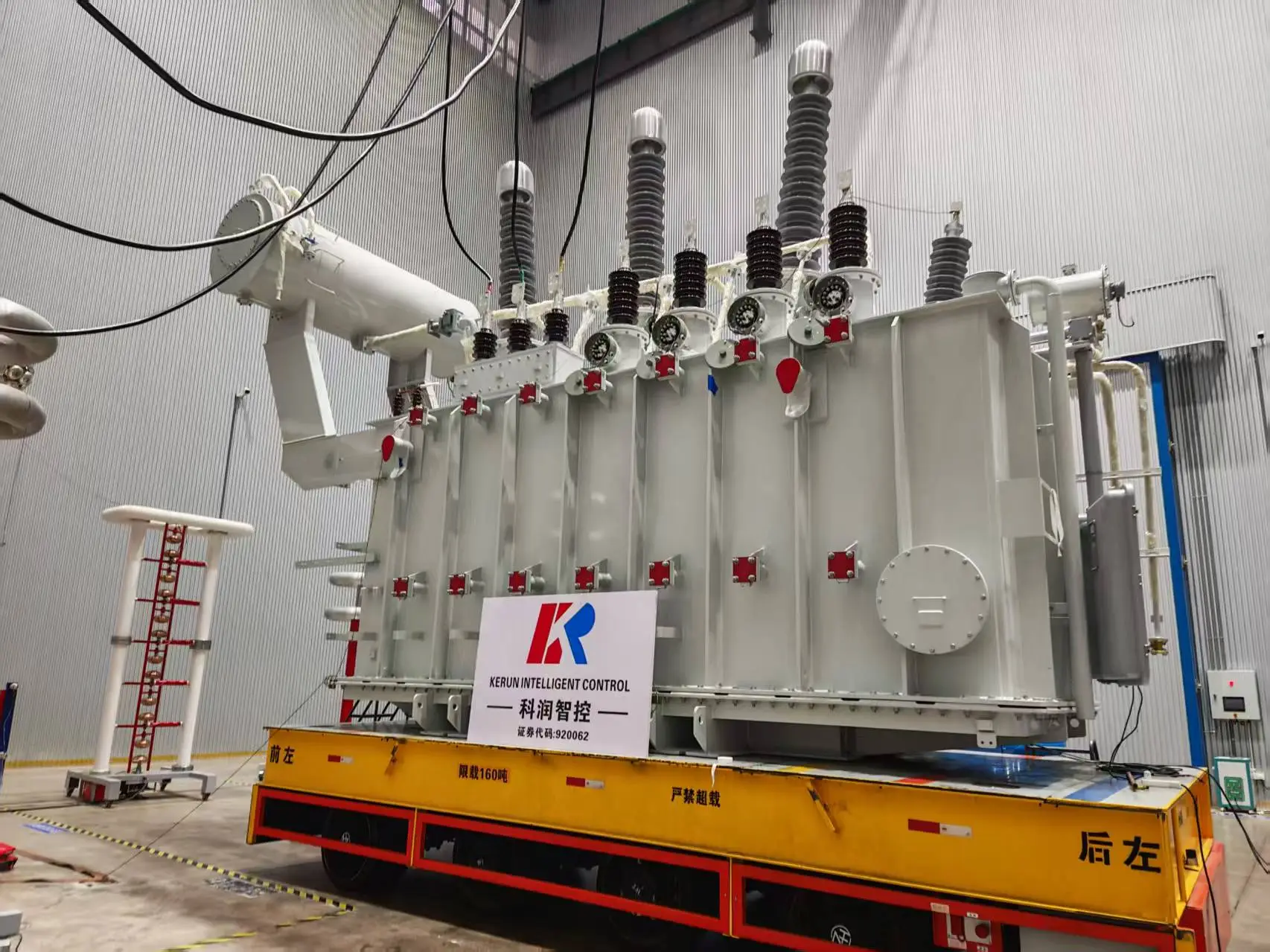
Delivery schedule and logistics protection considerations
Delivery planning becomes critical during infrastructure construction schedules. Transformer manufacturing requires winding, assembly, testing, and oil filling procedures. Reliable oil immersed transformer manufacturer companies provide clear production timelines. Transport protection also affects equipment condition upon arrival. Shock protection structures prevent core displacement during transportation. Moisture protection seals prevent contamination during shipping. Logistics coordination ensures equipment reaches site safely and on schedule. Early schedule confirmation reduces project delay risks.
After sales service and installation guidance importance
After sales support influences transformer operation quality during early commissioning. Experienced manufacturers provide technical guidance during installation and energizing stages. Service engineers may assist with grounding checks and insulation verification. Clear documentation supports local technicians during routine maintenance. Spare parts availability ensures rapid repair if needed. Long term cooperation builds trust between manufacturers and power operators. Service capability therefore forms an essential evaluation dimension.
Example comparison of two transformer manufacturer proposals
| Manufacturer | Rated Capacity | No Load Loss | Load Loss | Notes |
|---|---|---|---|---|
| A | 1000 kVA | 2.5 kW | 12 kW | Standard model |
| B | 1000 kVA | 2.2 kW | 13 kW | Energy optimized model |
Example loss calculation to support early comparison
Engineers sometimes estimate overall energy loss during preliminary evaluation. Total loss equals the sum of no load loss and load loss values. Manufacturer A shows total loss of 14.5 kW based on 2.5 plus 12. Manufacturer B shows total loss of 15.2 kW based on 2.2 plus 13. These simplified calculations provide a quick comparison reference. Real engineering selection still requires verification using operating load profiles. Environmental temperature and duty cycle may influence efficiency evaluation. The example demonstrates how early calculations assist technical awareness before detailed engineering review.
Practical checklist for evaluating an oil immersed transformer manufacturer
Selecting the right supplier requires reviewing several practical criteria. Procurement teams often create structured evaluation checklists.
- Verify international certification such as IEC or IEEE compliance
- Confirm transformer capacity and voltage range capability
- Review no load loss and load loss performance data
- Check short circuit strength and temperature rise rating
- Evaluate previous engineering project references
- Confirm manufacturing facility and testing capability
- Assess delivery schedule reliability and logistics protection
- Review installation guidance and after sales service availability
- Compare lifecycle efficiency rather than purchase price only
- Ensure technical documentation transparency
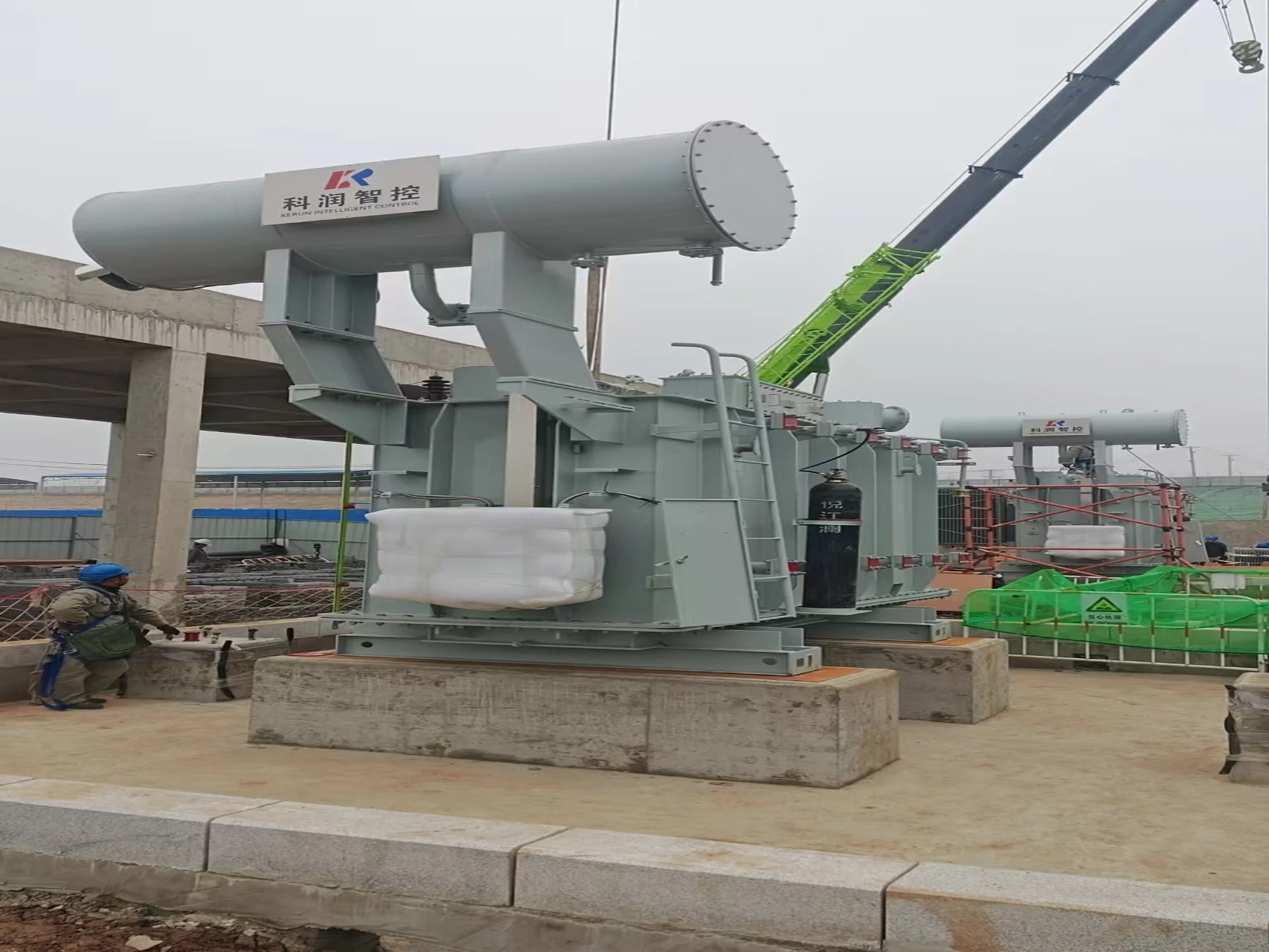
Why this checklist improves manufacturer selection reliability
Structured evaluation prevents decisions based only on price or marketing claims. Certification verification confirms safety and design compliance. Performance comparison reveals differences in efficiency and durability. Project references demonstrate real operational reliability. Manufacturing capability indicates production consistency. Logistics planning reduces transportation damage risk. Installation guidance ensures proper commissioning. Lifecycle cost evaluation highlights energy efficiency benefits. Documentation transparency allows engineers to review parameters clearly. Using this checklist creates balanced decision making before procurement.
Transition from awareness to delivery and installation stage
Understanding how to evaluate an oil immersed transformer manufacturer builds strong awareness for procurement planning. Technical capability, certification scope, and project experience provide the foundation for supplier trust. Performance comparison and loss calculation support preliminary evaluation. Structured checklists simplify complex purchasing decisions. Buyers ready to proceed should review the Oil Immersed Transformer Selection and Application Pillar for deeper engineering guidance. CTA: Confirm delivery schedule and installation service before final contract approval. The next stage focuses on Oil Immersed Transformer · Delivery and Installation (Conversion) where commissioning and project integration become central.
FAQ
Why is manufacturer certification important for oil immersed transformers
Certification ensures transformers meet internationally recognized electrical safety and performance standards. Standards such as IEC or IEEE define insulation strength, temperature limits, and testing procedures. Manufacturers with verified certification demonstrate compliance with rigorous engineering requirements. This verification reduces technical risk for buyers and project developers. Certified products also simplify approval during project inspection and grid integration processes. Without certification, equipment reliability and safety may become uncertain.
How do engineers compare transformer performance between manufacturers
Engineers compare parameters such as rated capacity, voltage level, load loss, and no load loss values. Temperature rise and short circuit strength also influence reliability evaluation. Loss values indicate operational efficiency over long service periods. Lower energy loss reduces electricity consumption and heat generation. Engineers also review testing reports to confirm performance claims. These technical comparisons help determine which manufacturer offers the most reliable solution.
What should buyers confirm before signing a transformer supply contract
Buyers should confirm production schedule, transport protection measures, and installation support services. Delivery timeline must align with construction progress. Packaging and shock protection reduce equipment damage during shipping. Installation guidance ensures proper commissioning procedures. Buyers should also verify documentation completeness and warranty coverage. Clear communication with the manufacturer prevents delays and technical misunderstandings during project execution.