
How to Choose Types of Dry Type Transformer?
-
Types of dry type transformer selection depends on cooling method, installation environment, and compliance checklist for safe power systems.
Types of dry type transformer introduction and role in power systems
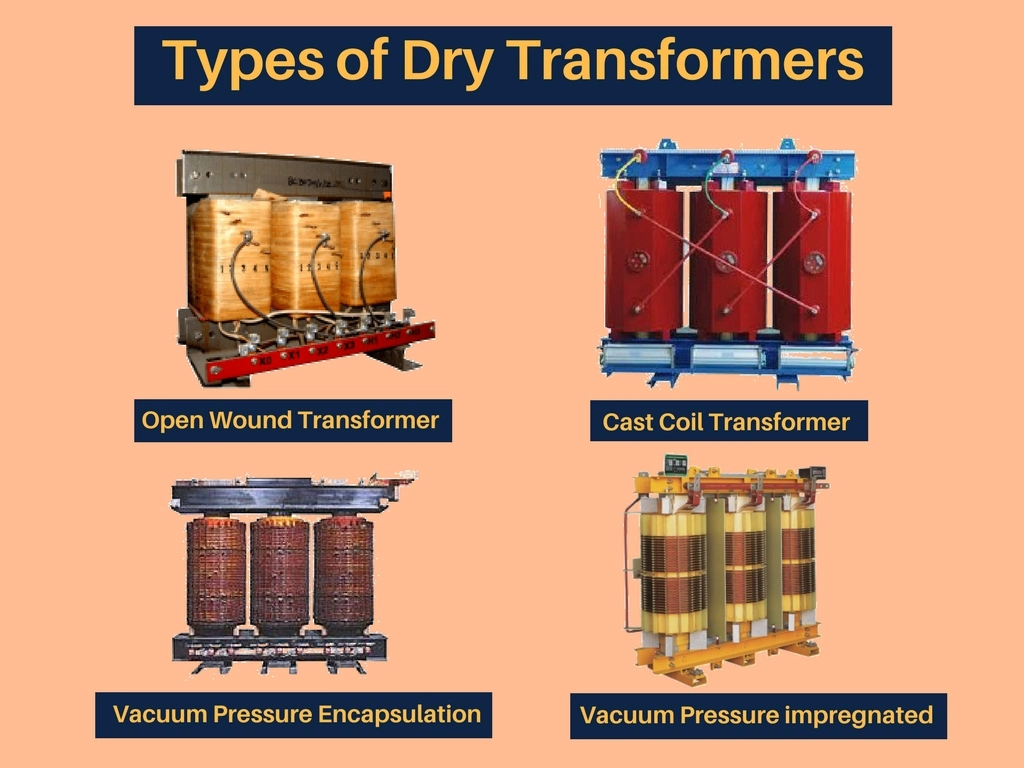
Types of dry type transformer describe several transformer configurations that operate without liquid insulation. Solid materials or air manage insulation and cooling inside the transformer structure. Engineers use these transformers widely in buildings, industry, and infrastructure networks. Electrical energy transfers through electromagnetic induction between primary and secondary windings. Air cooling or resin insulation protects the windings from overheating and environmental exposure. Indoor safety standards often encourage the use of dry insulation equipment. Many commercial projects install these transformers near load centers to reduce cable losses. Designers also value easier inspection and simplified maintenance procedures. Understanding the main types helps buyers match equipment with application conditions.
Why understanding types of dry type transformer matters before selection
Project planners often evaluate transformer technology early in electrical design planning. The selected type influences safety performance and installation layout. Cooling capability determines whether the transformer handles load variations effectively. Environmental resistance affects durability in humid or dusty spaces. Noise characteristics matter in offices, hospitals, and schools. Certification requirements vary between markets and industries. A clear understanding of transformer categories helps avoid incorrect purchasing decisions. Early awareness reduces the risk of selecting equipment unsuitable for the operating environment. Technical teams therefore review classification methods before moving into detailed specification analysis.
Cooling method classification of types of dry type transformer
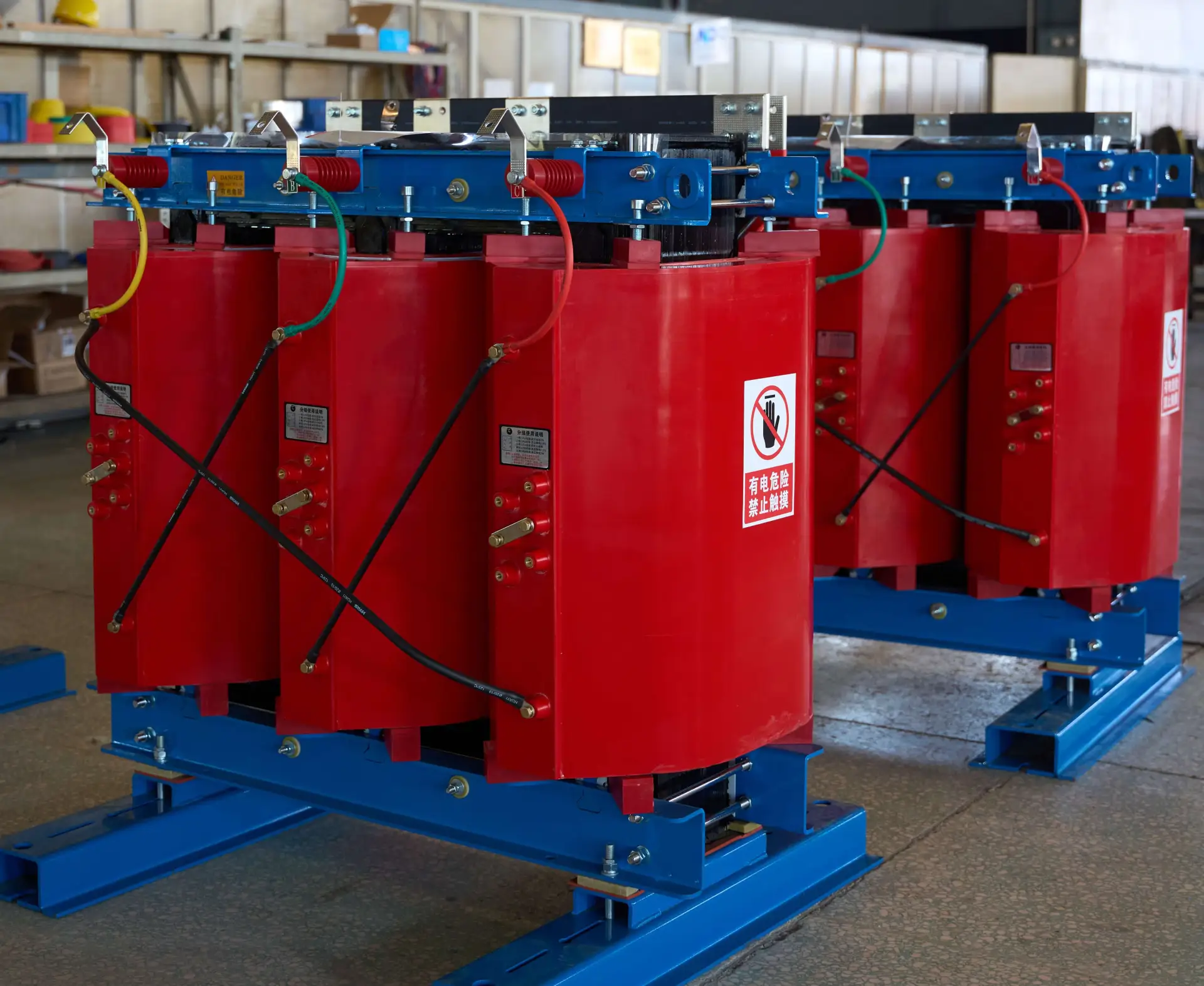
Cooling method remains one of the most common classification approaches. Air natural cooling transformers rely on natural airflow around the windings. Air forced cooling units use fans to increase heat dissipation capacity. Cast resin transformers encapsulate windings in epoxy resin to improve insulation and protection. Natural cooling units work well under stable load conditions and moderate temperatures. Forced cooling designs support higher load density or fluctuating demand. Resin casting enhances mechanical strength and resistance to moisture or dust. Each cooling configuration suits different operational environments and load characteristics.
Installation environment classification of dry type transformers
Installation location also defines the appropriate transformer configuration. Indoor transformers operate inside electrical rooms or equipment spaces. Outdoor dry type units include additional protection against rain and dust. Fire resistant transformers include specialized materials to minimize flame propagation risk. Urban infrastructure projects often require indoor models due to space limitations. Industrial plants may select outdoor units for easier integration with existing facilities. Public buildings prioritize fire resistant designs for safety compliance. Installation environment therefore plays a central role during early equipment evaluation.
Certification standards affecting types of dry type transformer
International standards influence design quality and global compatibility. IEC standards guide many projects in Europe and Asia. IEEE standards apply widely in North American infrastructure. UL certification supports safety verification in commercial environments. Compliance ensures consistent testing procedures and performance reliability. Certified transformers undergo electrical, thermal, and insulation evaluation. Regulatory authorities frequently request documentation during project approval. Engineers therefore confirm certification compatibility before specifying transformer types. Market requirements and export destinations often dictate which certification becomes necessary.
Compliance checklist for selecting types of dry type transformer
Selection decisions benefit from structured verification procedures. Engineers often rely on compliance checklists to confirm critical technical parameters.
- Rated capacity matched with expected load profile
- Voltage rating compatible with system distribution level
- Insulation class appropriate for environmental temperature
- Temperature rise rating aligned with cooling capability
- Noise level suitable for indoor installation areas
- Installation structure matching indoor or outdoor conditions
Why the compliance checklist improves transformer selection accuracy
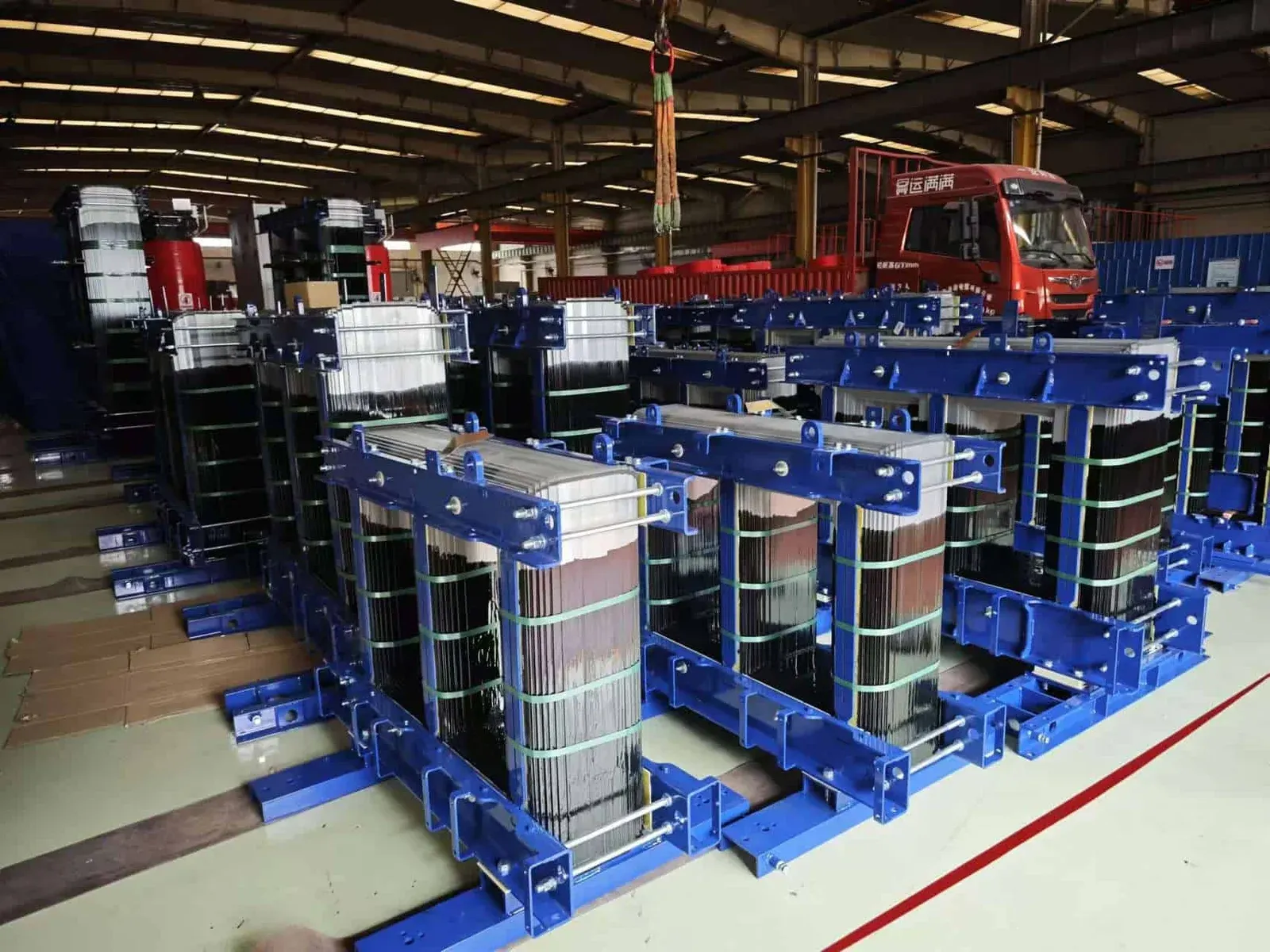
Each checklist item addresses a specific performance requirement. Capacity verification prevents undersized equipment or excessive oversizing. Voltage compatibility ensures safe integration with distribution networks. Insulation class affects thermal endurance and service lifespan. Temperature rise rating determines allowable operating heat. Noise limits support compliance with building regulations. Installation configuration ensures proper physical placement. Structured evaluation therefore improves reliability and operational safety. Engineers gain clearer understanding of whether a transformer type matches project conditions.
Comparison of common types of dry type transformer
| Type | Cooling Method | Main Advantage | Typical Application |
|---|---|---|---|
| AN Air Natural | Natural airflow | Simple and low maintenance | Office buildings |
| AF Air Forced | Fan assisted cooling | Higher load capacity | Industrial facilities |
| Cast Resin | Resin encapsulation | Strong insulation protection | Hospitals and schools |
How the comparison table clarifies transformer type differences
The table highlights structural and operational differences among transformer categories. Air natural models emphasize simplicity and reliability. Forced cooling units provide greater thermal capacity under heavier load. Cast resin transformers offer enhanced insulation protection against humidity and dust. Each type balances cooling capability, environmental resistance, and installation flexibility. Reviewing these characteristics helps engineers narrow down suitable transformer options. Comparative evaluation supports efficient decision making during the awareness stage.
Common mistakes when selecting types of dry type transformer
Selection errors often originate from incomplete evaluation of project conditions. Some buyers focus exclusively on purchase price. Certification and safety standards then receive insufficient attention. Oversized transformers sometimes appear attractive for future expansion. Excessive capacity increases energy losses and equipment cost. Environmental conditions may also receive limited analysis. High humidity or temperature affects cooling performance and insulation aging. Ignoring these factors leads to reduced reliability and higher lifecycle cost.
FAQ
Environmental conditions and their influence on transformer type
Ambient temperature and humidity influence transformer performance significantly. High temperatures reduce cooling efficiency and increase insulation stress. Humid environments require enhanced moisture protection for winding insulation. Dust accumulation may obstruct ventilation paths and reduce heat dissipation. Industrial chemical vapors may also degrade insulation materials. Engineers therefore examine environmental conditions during the awareness phase. Proper transformer type selection improves reliability under these environmental stresses. Long term operational stability depends on accurate environmental assessment.
Transition from awareness to selection stage
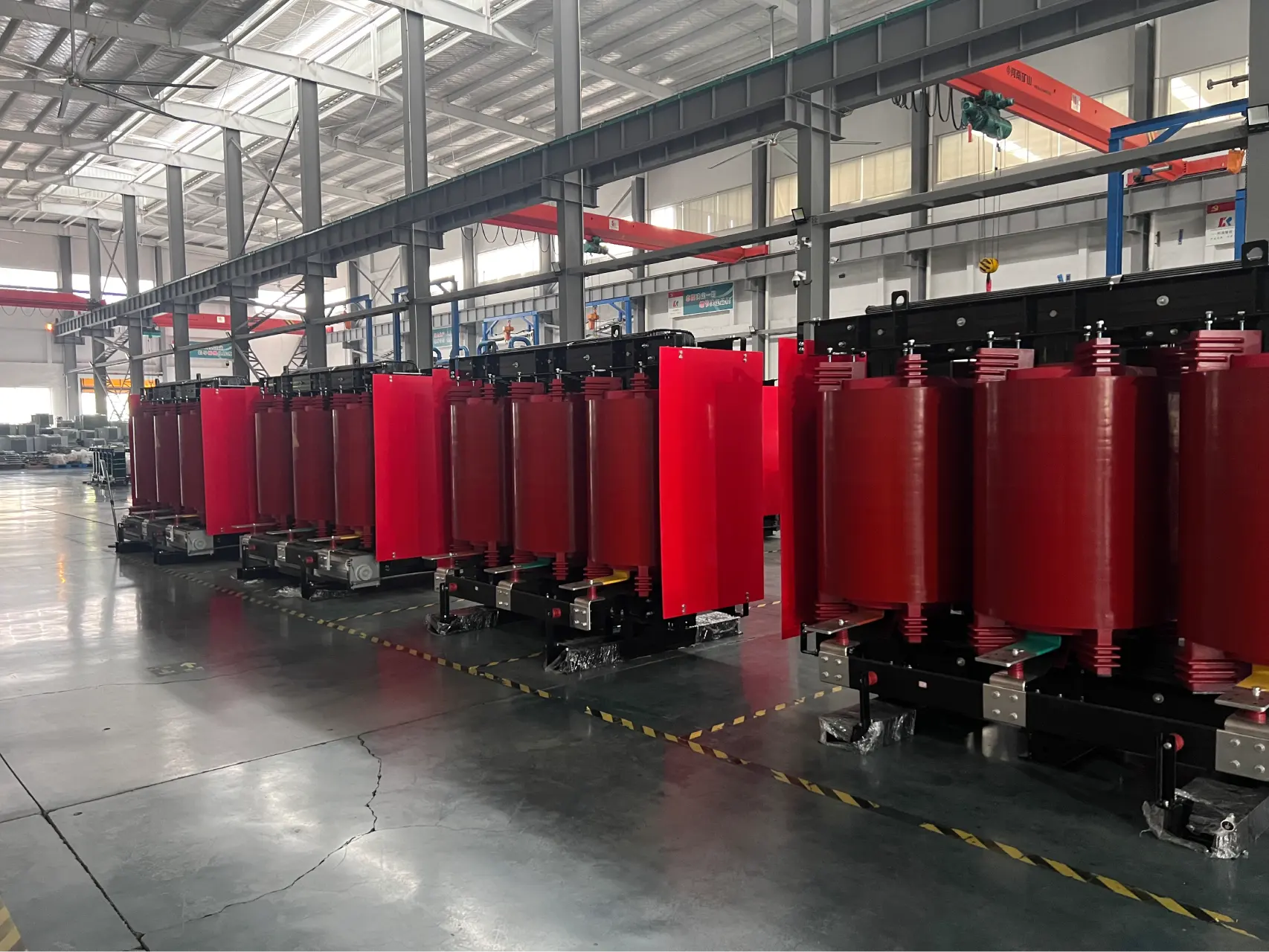
Understanding types of dry type transformer forms the foundation for effective electrical system planning. Cooling method, installation environment, and certification standards define major classification categories. Compliance checklists support early verification of essential parameters. Awareness of common mistakes helps avoid inefficient purchasing decisions. Readers who require deeper specification comparison can review the Dry Type Transformer Basics and Selection Pillar for additional guidance. CTA: View the Dry Type Transformer FAQ to quickly confirm suitable configurations. The next stage continues with Dry Type Transformers · Selection (Consideration) where rating optimization and specification alignment become the primary focus.
FAQ
What are the main types of dry type transformer used in buildings
The most common types include air natural cooling transformers, air forced cooling transformers, and cast resin transformers. Air natural units rely on natural airflow and suit stable indoor loads. Air forced cooling models add fans to increase thermal capacity. Cast resin transformers encapsulate windings in epoxy resin for improved insulation protection. Buildings such as offices, hospitals, and schools often use these designs because they reduce fire risk and simplify maintenance.
How does cooling method affect dry type transformer performance
Cooling method directly influences thermal capacity and operational reliability. Natural air cooling works well under moderate and stable loads. Forced air cooling increases heat dissipation and supports higher load density. Cast resin insulation improves environmental resistance and mechanical strength. Selecting the correct cooling design ensures the transformer operates within safe temperature limits. Proper cooling therefore extends insulation lifespan and improves long term stability.
Why are certification standards important when choosing dry type transformers
Certification standards confirm that transformers meet recognized safety and performance requirements. IEC, IEEE, and UL standards define testing procedures for insulation, temperature rise, and electrical performance. Compliance documentation helps engineers verify reliability before installation. Many projects require certified equipment to meet regulatory approval conditions. Using certified transformers reduces technical risk and ensures compatibility with international electrical infrastructure standards.